Hand-harvested Guérande salt · Tracked international delivery included
Guide· by Celtic Salt Editorial Team
Light Grey Celtic
Introduction — Why Light Grey Celtic Matters in 2026
As we step into 2026, the culinary world is experiencing a renewed focus on natural and artisanal ingredients. Among these, light grey Celtic sea salt has emerged as a standout staple in kitchens and gourmet dishes. Harvested from the pristine waters off the coast of Brittany, France, this unique salt is celebrated not only for its exquisite flavor but also for its rich mineral profile. With consumers increasingly aware of the importance of high-quality, natural products, light grey Celtic salt is becoming a key ingredient for chefs and home cooks alike. This article aims to explore the significance of light grey Celtic salt, its origins, properties, and how to use it effectively, ensuring you appreciate its value in your culinary pursuits.
What Is Light Grey Celtic?
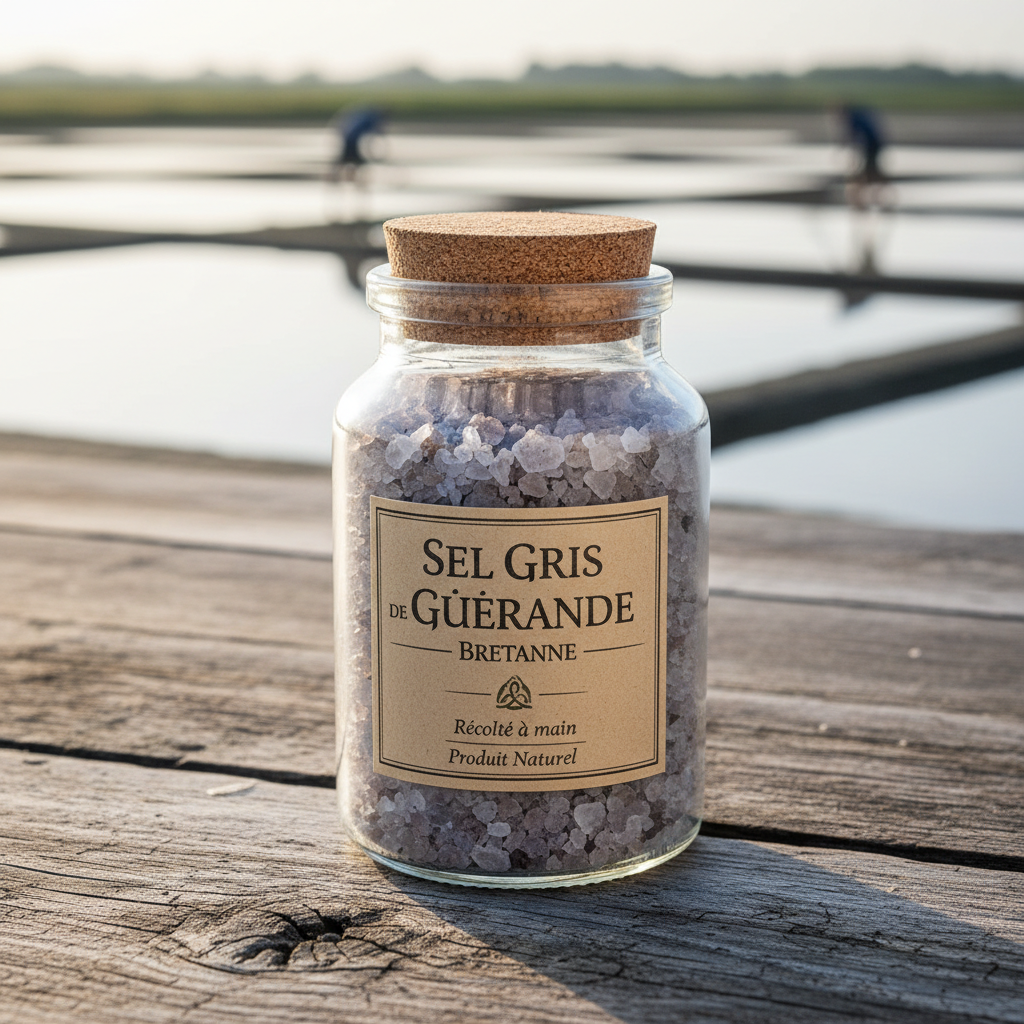
Light grey Celtic sea salt, also known as “sel gris,” is a natural sea salt harvested from the salt marshes of Guérande in Brittany, France. This traditional salt has a distinctive light grey hue that comes from the natural clay and minerals present in the salt flats. Unlike refined table salt, which undergoes extensive processing, light grey Celtic salt is harvested using ancient techniques still practiced by local paludiers, or salt farmers, who have honed their craft over generations.
The production process involves the careful collection of seawater, which is then channeled into shallow ponds known as “oeillets.” As the sun evaporates the water, the salt crystallizes on the bottom of these ponds. The paludiers then gently rake the salt from the ponds, ensuring minimal disruption to the natural ecosystem. The result is an unrefined salt that retains its trace minerals, giving it both a unique flavor and color profile. As consumers increasingly seek out authentic culinary experiences, light grey Celtic sea salt stands out for its quality and connection to traditional farming practices.
Key Benefits and Properties
Light grey Celtic sea salt is not just a flavor enhancer; it brings several benefits and properties that make it a superior choice over conventional salts. One of its standout features is its mineral content. Unlike refined salts that have been stripped of their natural minerals during processing, light grey Celtic salt contains essential minerals like magnesium, potassium, calcium, and iron. This mineral composition contributes to its distinctive flavor profile, which is not only complex but also provides a natural salinity without overpowering other ingredients in a dish.
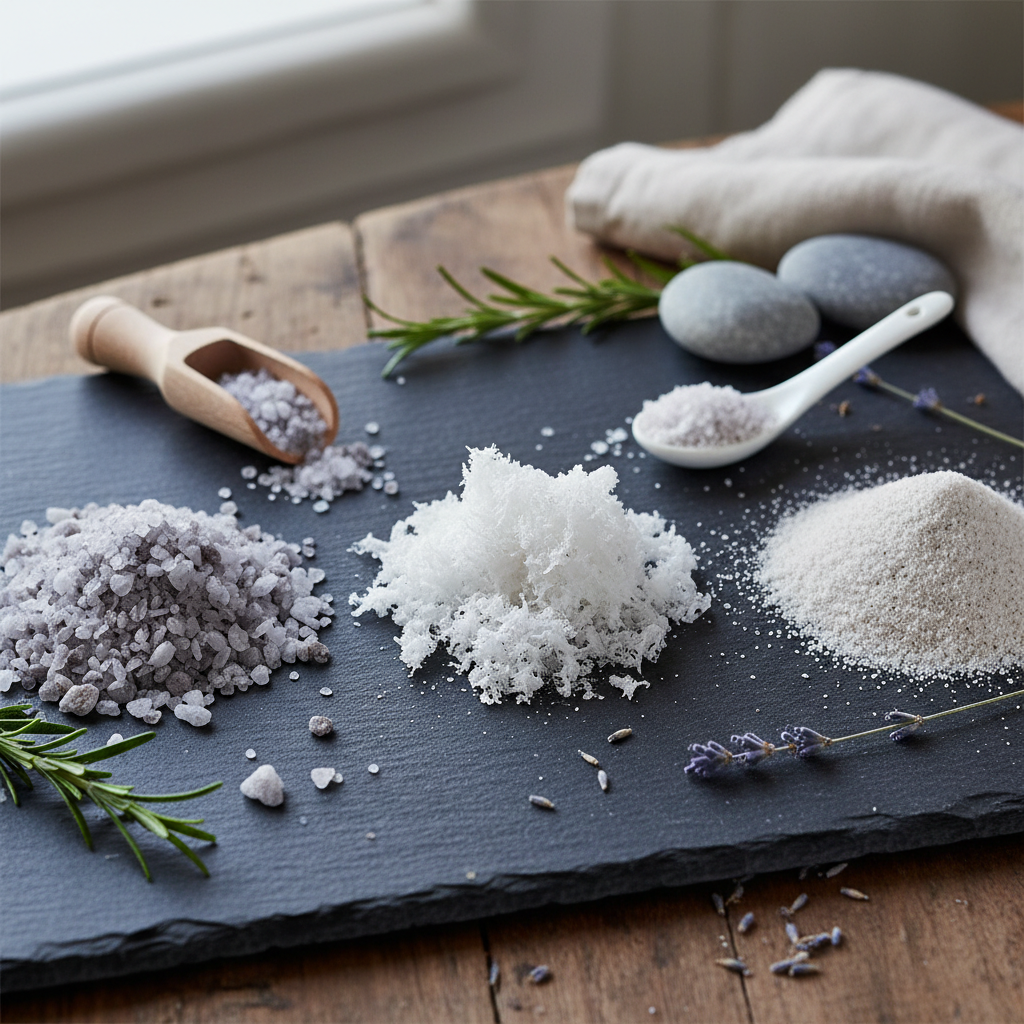
Furthermore, the textural properties of light grey Celtic salt make it highly versatile. The salt crystals are larger and coarser than typical table salt, which means they provide a satisfying crunch when used as a finishing salt on dishes. This textural contrast can elevate simple meals, making them more enjoyable. Additionally, its ability to dissolve gradually allows for a more even distribution of flavor in dishes.
Moreover, light grey Celtic salt is a natural product, making it a healthier alternative to artificially refined salts that often contain additives. It aligns with the increasing trend toward clean eating, where consumers are looking to avoid processed foods laden with chemicals. By incorporating light grey Celtic salt into your cooking, you not only enhance flavors but also support more wholesome culinary practices.
How to Use Light Grey Celtic: Practical Guide
The application of light grey Celtic sea salt is as versatile as its flavor profile. Whether you're searing meats, roasting vegetables, or crafting a delicate dessert, incorporating this salt can significantly enhance your culinary creations. For everyday use, it’s ideal as a finishing salt; simply sprinkle it on dishes just before serving to maintain its textural integrity and rich flavor.
When cooking, light grey Celtic salt can be used in both dry and wet preparations. For savory dishes, it pairs beautifully with grilled meats, fish, and roasted vegetables. Its robust flavor can enhance the natural sweetness found in carrots, beets, and other root vegetables. In marinades and brines, it not only amplifies taste but also helps the proteins retain moisture during cooking.
Baking enthusiasts can also benefit from using light grey Celtic salt. It works well in bread and pastry recipes, enhancing flavor while aiding in fermentation. When baking, consider adjusting recipes that call for table salt, as the coarse texture may affect measuring. A general rule is to use slightly less light grey Celtic salt than the recipe states for standard salt, due to its stronger flavor profile.
For sweet dishes, light grey Celtic salt can provide a delightful contrast to desserts, particularly in chocolate creations. A pinch of this salt on chocolate chip cookies or brownies can elevate the overall flavor, creating a balance between sweetness and savory. Experimenting with light grey Celtic salt in various culinary contexts will yield diverse and exciting results.
How to Choose Quality Light Grey Celtic
When it comes to selecting high-quality light grey Celtic sea salt, several factors should be considered to ensure you’re getting the best product. First and foremost, sourcing is crucial. Authentic light grey Celtic salt is harvested from the salt marshes of Guérande; therefore, look for labels that specify this origin. Products that come from reputable producers in Brittany are usually more trustworthy and reflect traditional harvesting methods.
Another important aspect is the texture and color of the salt. True light grey Celtic salt has a natural, uneven texture with a distinctive grey hue, which comes from the clay that saturates the salt flats. Avoid overly white or refined salts, as they may indicate processing that removes beneficial minerals. The best quality salt will have a slightly damp texture, which indicates it has not been overly processed or dehydrated, preserving its mineral content.
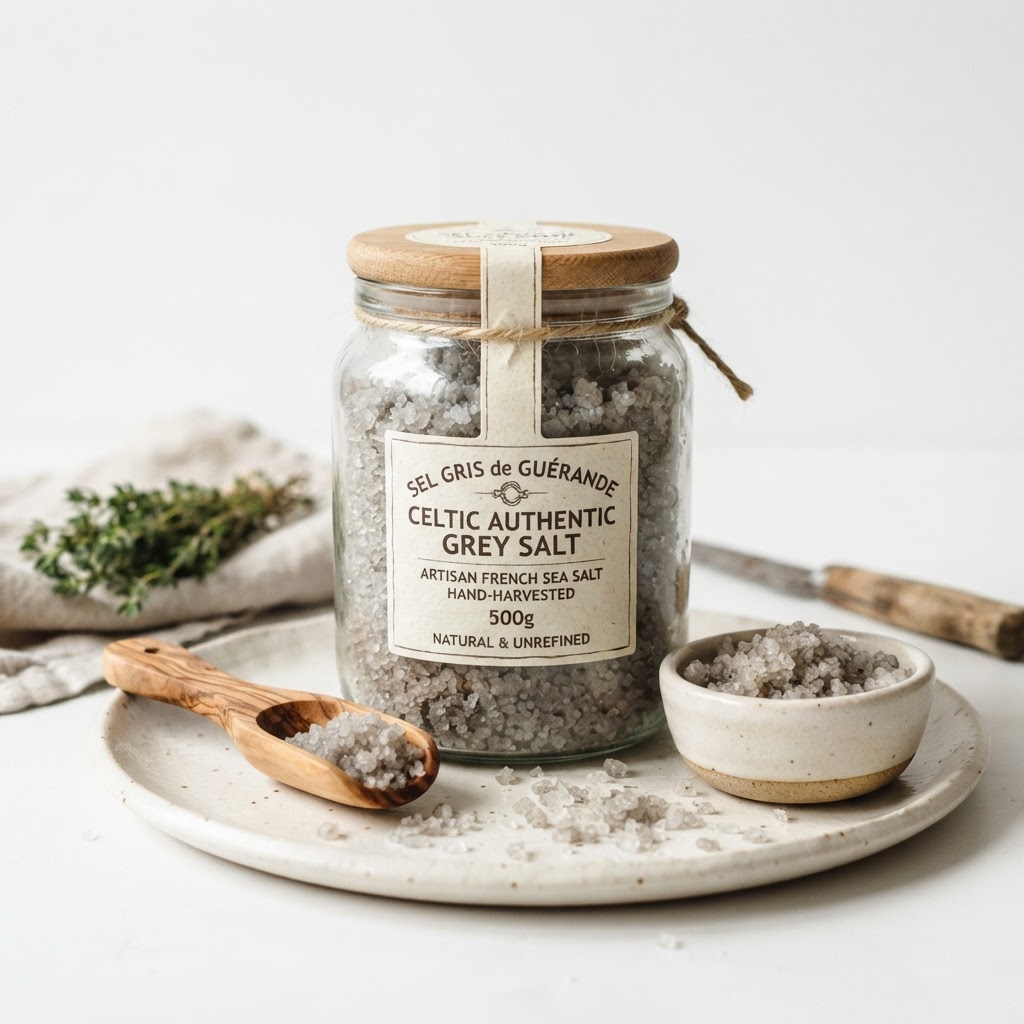
Furthermore, consider the packaging. High-quality light grey Celtic salt is often sold in resealable bags or glass containers that protect it from moisture and contamination. This helps maintain its flavor and freshness over time. It’s worth investing in salt from specialty stores, local markets, or trusted online retailers, as these sources are more likely to carry authentic products.
Lastly, reviewing customer feedback can be beneficial when choosing a product. Testimonials can provide insights into the taste and quality of different brands, ensuring you invest in a product that meets your culinary expectations.
Common Mistakes to Avoid
While light grey Celtic sea salt can significantly enhance your culinary creations, there are a few common mistakes to avoid when using it in your cooking. One prevalent error is assuming that light grey Celtic salt can be substituted for table salt on a one-to-one basis without considering the differences in texture and flavor intensity. Because its crystals are larger and the flavor is more robust, you may need to adjust the quantity according to taste. A good practice is to start with a smaller amount and add more as needed.
Another mistake is neglecting to use light grey Celtic salt at the right stages of cooking. While it makes an excellent finishing salt, using it too early in the cooking process may lose its texture and unique flavor. Incorporating it at the final stages or just before serving can help retain its crunch and vibrant taste.
Additionally, storing light grey Celtic salt improperly can diminish its quality. Avoid storing it in humid or damp areas, as moisture can cause clumping and affect the salt's texture. Instead, keep it in a cool, dry place in an airtight container to preserve freshness and flavor.
Finally, don't overlook the versatility of light grey Celtic salt in diverse culinary applications. Some cooks may limit themselves to traditional savory dishes, not realizing that this salt can enhance pastries, desserts, and even cocktails. Embrace its versatility and consider experimenting with it in various recipes to uncover its full potential.
Frequently Asked Questions
What is the difference between light grey Celtic salt and regular sea salt?
Light grey Celtic salt is harvested using traditional methods from specific regions like Guérande, retaining its natural minerals and flavors, while regular sea salt is often refined and may contain additives.
Can I use light grey Celtic salt in baking?
Yes, light grey Celtic salt can be used in baking, but be mindful of adjusting quantities due to its stronger flavor and coarser texture compared to refined table salt.
Is light grey Celtic salt better for health compared to table salt?
While light grey Celtic salt retains beneficial minerals, it should still be consumed in moderation as part of a balanced diet, similar to other types of salt.
How should I store light grey Celtic salt for maximum freshness?
Store light grey Celtic salt in a cool, dry place in an airtight container to prevent moisture exposure and maintain its quality over time.
Can light grey Celtic salt be used in all types of cuisines?
Absolutely! Light grey Celtic salt is versatile and can enhance flavors in a variety of cuisines from savory dishes to baked goods and even cocktails.
Conclusion
Light grey Celtic sea salt is more than just a seasoning; it's a cornerstone of culinary excellence that connects you with the traditional methods of salt harvesting in Brittany. Its unique flavor, natural mineral content, and adaptability in various recipes make it a valuable ingredient in any kitchen. By understanding its origins and the best ways to utilize it, you can enhance your dishes and elevate your culinary creations. As the trend towards natural and artisanal ingredients continues to grow, incorporating light grey Celtic salt into your cooking not only adds depth to your meals but also supports sustainable and traditional farming practices. Embrace this exquisite salt and discover the myriad ways it can enrich your culinary journey.
Celtic Salt — IGP Guérande
Hand-harvested by Breton paludiers. 500g / 17.6 oz jar, unrefined, trace minerals whose levels vary by harvest and product.