Hand-harvested Guérande salt · Tracked international delivery included
Guide· by Celtic Salt Editorial Team
Is Celtic Salt The Same As Sea Salt
Introduction — Why is celtic salt the same as sea salt Matters
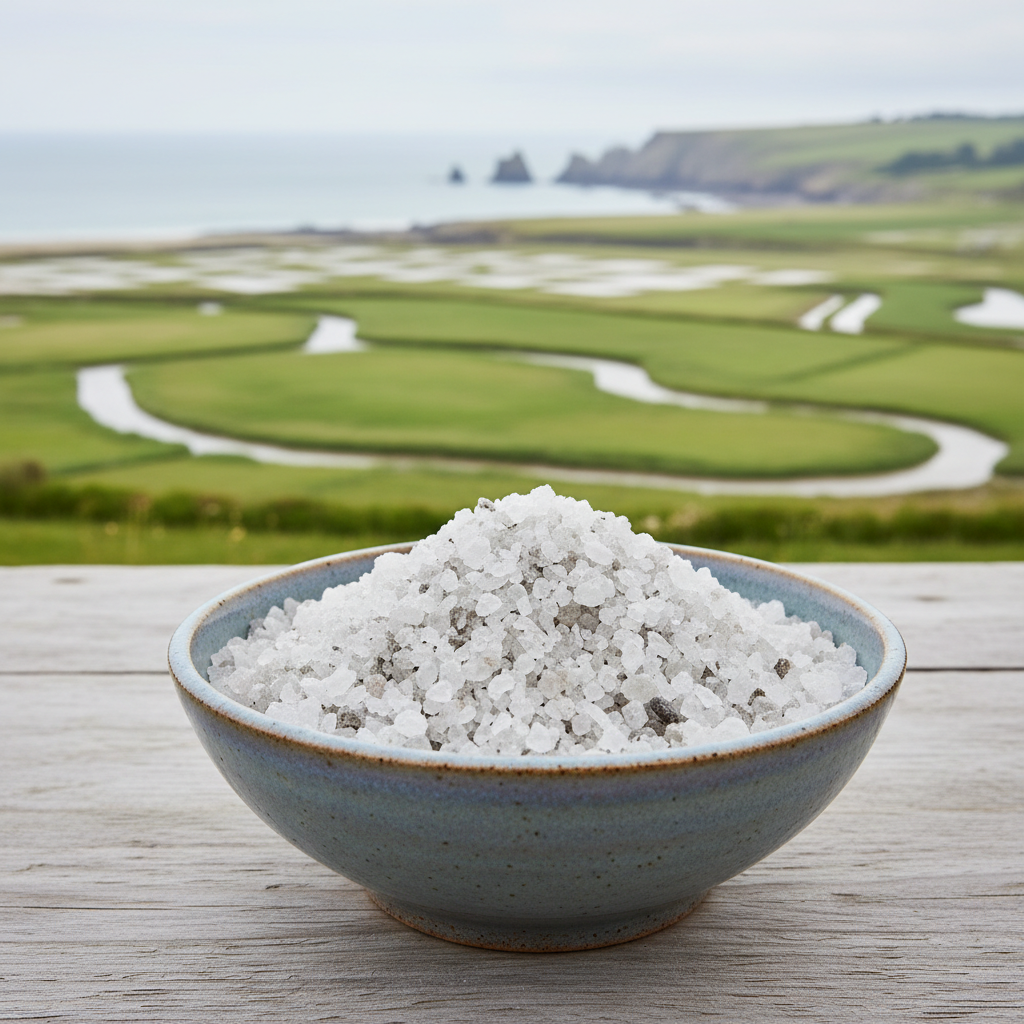
The culinary world often blurs boundaries when it comes to salt varieties, leading many to wonder whether Celtic salt is the same as sea salt. Understanding this distinction is essential for health-conscious consumers looking to incorporate high-quality salt into their diets. Salt is not just a seasoning; it holds culinary significance and nutritional value that can impact our well-being. For centuries, cultures have revered various types of salt, with Celtic salt emerging as a favorite, especially among gourmet chefs and health enthusiasts alike. It is harvested from natural coastal regions in Brittany, France, specifically from the salt ponds maintained by traditional paludiers. These artisans utilize methods that are passed down through generations, ensuring the salt retains its natural minerals and distinctive flavor profile. This article explores the nuances between Celtic salt and sea salt, revealing how they are alike yet different, the numerous benefits they may offer, and the best applications for each in everyday cooking. As your source for credible information on Celtic salt, celtic-salt.com seeks to clarify the comparison and help you choose the best salt for your health and culinary needs.
What Is Celtic Salt and Is It the Same as Sea Salt?
Celtic salt, often also referred to as Celtic sea salt, is a type of unrefined sea salt that originates from the coastal regions of Brittany, France. Unlike conventional table salt, which undergoes extensive processing and refinement, Celtic salt is harvested using traditional methods by local paludiers who have mastered the art of salt harvesting over centuries. The salt is collected from tidal ponds and is known for its natural grey color, which is attributed to the clay in the salt flats from which it comes. This unique harvesting process ensures that Celtic salt retains essential minerals, such as magnesium, calcium, and potassium, that are often stripped away during the refining process of regular sea salt.
In many respects, Celtic salt aligns with what we generally define as sea salt, as both are derived from evaporated seawater. However, they differ significantly in their methods of extraction, mineral content, and flavor profiles. While all sea salts share some characteristics, the labels can encompass a wide variety of salts from different geographical locations around the world. Celtic salt, with its distinctive mineral balance and flavor, often adds a gourmet touch to dishes that standard sea salt may lack. Recognizing these distinctions sets the foundation for understanding the broader category of sea salt and its variants, including Celtic salt, which continues to gain popularity for its culinary versatility and supposed health benefits.
Key Benefits and Uses
Celtic salt stands out for its distinctive properties and numerous benefits, making it a popular choice among health-conscious consumers. One of the most notable aspects is its mineral content. Traditionally, it is used in various cuisines around the world, and some advocate that it may support optimal hydration due to its balance of electrolytes. The trace minerals found in Celtic salt can contribute to improved flavor complexity in dishes, enhancing the overall culinary experience. Its unique texture and moisture content not only make it excellent for seasoning but also for finishing dishes, adding a delightful crunch and burst of flavor.
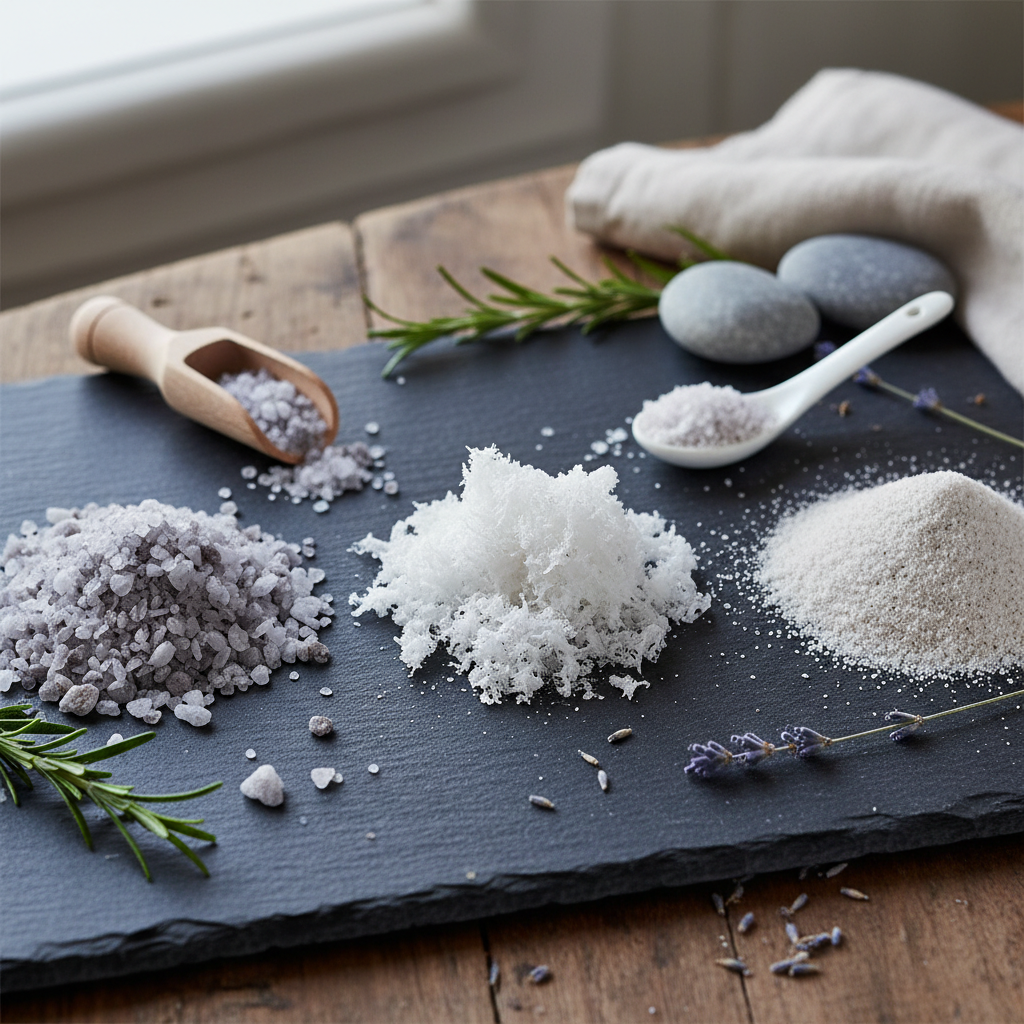
Celtic salt is prized not just in cooking; it has also been used in various wellness routines. Its hydrating properties may invigorate the skin when used in baths or scrubs. Additionally, salt scrubs made with Celtic salt are often seen as natural exfoliants that can help remove dead skin cells and promote circulation. When it comes to cooking, this salt is versatile enough for use in marinating meats or vegetables, enhancing roasted dishes, or even as a topping for fresh salads. Beyond the kitchen, many wellness enthusiasts appreciate incorporating Baltic salt in their routines for its potential cleansing properties for the skin and broader therapeutic benefits. However, it’s crucial to remember that while certain benefits are touted, they are traditionally acknowledged rather than scientifically validated claims. Ultimately, Celtic salt offers a flavorful and nutritious alternative to regular table salt, making it a worthy addition to health-conscious diets.
How to Use Celtic Salt in Your Daily Cooking — Practical Guide
🧂 AUTHENTIC IGP GUÉRANDE SALT
500g / 17.6 oz · Hand-harvested · Brittany, France
Incorporating Celtic salt into your daily cooking is both simple and rewarding, allowing you to elevate the flavors of your meals effortlessly. Start with a basic understanding of where to use Celtic salt: it’s excellent for seasoning meats, vegetables, and even certain desserts. When cooking meats, consider using Celtic salt during the marination process; its coarse texture and mineral profile can enhance the flavors significantly. Simply sprinkle a generous amount over the meat, allow it to rest for some time, and let it absorb the flavors before cooking.
In addition to marinating, Celtic salt serves as a premium finishing salt. After cooking, sprinkle a small amount over the dish for an extra burst of flavor and texture that contrasts nicely with cooked ingredients. For vegetables, particularly roasted or sautéed varieties, adding Celtic salt towards the end of the cooking process allows its mineral complexities to shine without overpowering the natural flavors of the produce. Furthermore, it can be a delightful sprinkle over salads, lending a crunchy consistency that complements fresh ingredients beautifully.
When it comes to specific recipes, consider a Celtic salt-cured salmon, where the salt enhances the fish's richness and brings a depth of flavor to the dish. Another fantastic use is in baking: add Celtic salt to doughs to balance sweetness and highlight flavors. Lastly, experiment with infusing Celtic salt into oils, vinegars, or even homemade marinades to create versatile condiments that enrich various dishes. The key is to balance the saltiness, allowing Celtic salt to naturally enhance, rather than overshadow, the linked flavors of your ingredients.
How to Use Celtic Salt Beyond Cooking
The versatility of Celtic salt extends far beyond culinary applications, making it a multifunctional addition to your lifestyle. Beyond the kitchen, many people utilize Celtic salt in various wellness routines that promote relaxation and skin rejuvenation. One popular method is to add Celtic salt to a warm bath. The minerals in the salt may create a soothing environment that can help relax muscles and alleviate stress after a long day. Soaking in a Celtic salt bath can enhance your experience with its natural elements while potentially benefiting your skin.
In terms of skincare, Celtic salt can be effective as a natural exfoliant. You can mix Celtic salt with essential oils or a carrier oil to create a homemade scrub that gently removes dead skin cells and may promote smoother skin. This practice is especially favored in holistic skincare routines, where natural ingredients are preferred for their mildness and efficacy.
Celtic salt is also found in some therapeutic practices. Salt lamps, made from Himalayan or Celtic rock salt, have gained attention for their alleged air-purifying qualities. While scientific validation for these claims are still under debate, many enjoy the ambiance and aesthetic appeal of salt lamps in their yoga or meditation spaces. Furthermore, using Celtic salt in aromatherapy by combining it with essential oils in a diffuser can create a calming atmosphere in your home. The key to these practices is to explore and find what works best for your individual needs, harnessing the many uses of Celtic salt to enrich both your culinary experiences and wellness routines effectively.
What to Look for When Buying Celtic Salt
When purchasing Celtic salt, quality is paramount to ensure you are getting the most exceptional product for your culinary and wellness applications. Look for Celtic salt that is marked with IGP Guérande (Indication Géographique Protégée), which signifies that the salt has been produced using traditional methods from the Guérande region of Brittany, France. This certification ensures the salt meets rigorous quality standards and upholds the integrity of its harvest process, giving consumers confidence in its authenticity.
In addition to checking for the IGP designation, take note of the salt’s appearance. Authentic Celtic salt is characteristically grey, a sign that it retains natural minerals and has not undergone processing that would strip these beneficial components. Be wary of overly white salts, as they may be artificially refined. When examining packaging, check for any additional ingredients. Pure Celtic salt should ideally be unrefined, without additives or anticaking agents, allowing for the full spectrum of minerals to be preserved.
Lastly, pay attention to the grain size you need for your culinary applications. Celtic salt is available in various textures—from coarse to fine—so choose accordingly based on whether you will be using it for seasoning during cooking, as a finishing salt, or in wellness routines. By being informed about what makes high-quality Celtic salt, you can ensure a worthwhile investment in your health and culinary endeavors.
Common Questions About Celtic Salt
Is Celtic salt the same as table salt?
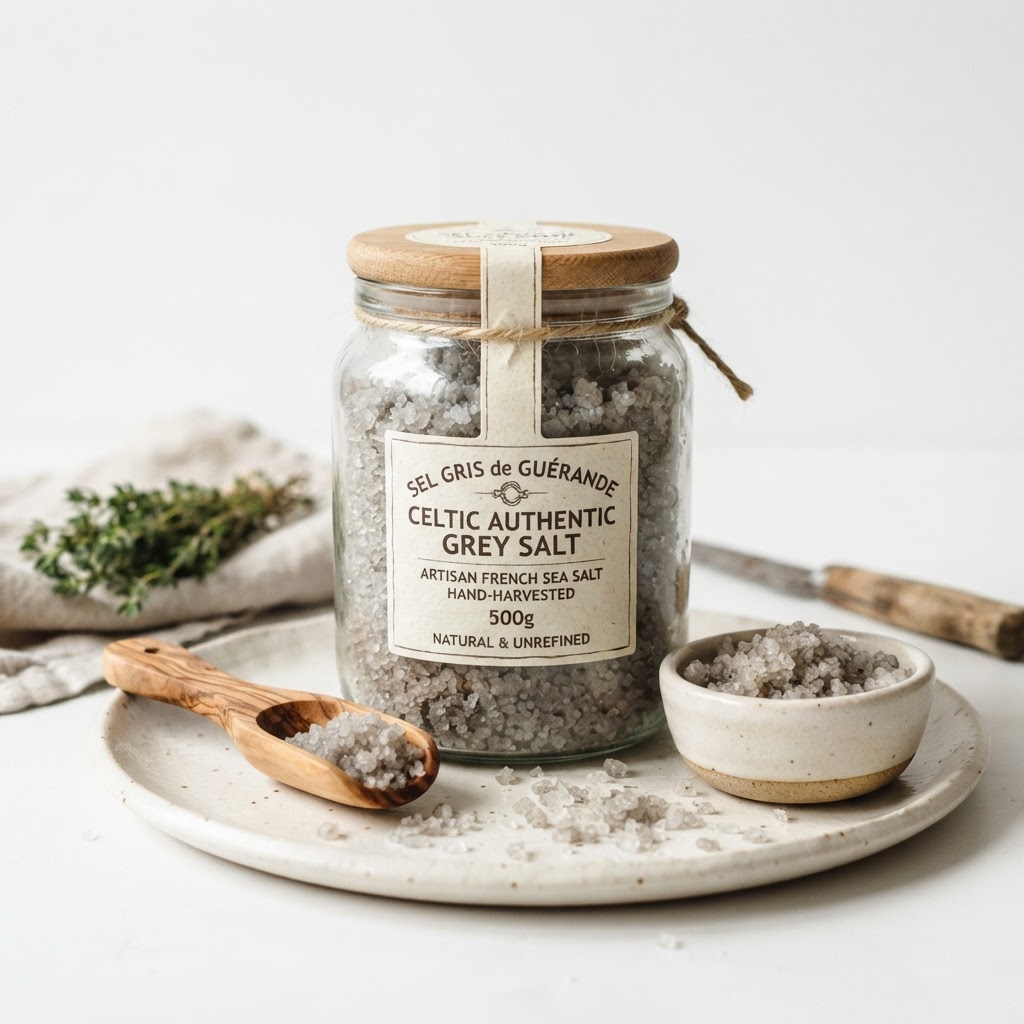
🧂 AUTHENTIC GUÉRANDE CELTIC SALT
Celtic Authentic Grey Salt – 500g / 17.6 oz
Hand-harvested · Unrefined · trace minerals whose levels vary by harvest and product · IGP certified
No, Celtic salt is not the same as table salt. Celtic salt is unrefined and retains its natural minerals, while table salt is highly processed and may contain additives.
How does the flavor of Celtic salt differ from regular sea salt?
Celtic salt has a more complex flavor due to its mineral content, which can provide a briny, savory taste compared to the more neutral flavor of regular sea salt.
Can I use Celtic salt in place of sea salt in recipes?
Yes, Celtic salt can be used in place of sea salt in recipes. However, be mindful of its mineral flavor and adjust quantities according to taste.
How should I store Celtic salt?
Store Celtic salt in a cool, dry place in an airtight container to maintain its moisture and prevent clumping.
What makes Celtic salt unique?
Celtic salt is unique due to its traditional harvesting methods, mineral content, and distinctive grey color, all contributing to its quality and flavor.
Conclusion
Understanding the differences and similarities between Celtic salt and sea salt is essential for those looking to enhance their culinary and wellness practices. While they may both come from the same essential source—seawater—Celtic salt’s unique harvesting methods and mineral content differentiate it from more common salts. Embracing this ancient type of salt allows not only for flavorful enhancement in dishes but also opens doorways to additional wellness benefits when utilized in various lifestyles. As consumers become increasingly aware of nutritional value and ingredient quality, Celtic salt embodies the essence of unrefined natural sources that promote both culinary pleasure and holistic living. When choosing salt, make informed decisions that align with your health and culinary aspirations. Celtic salt is not just a seasoning; it's a commitment to quality.
Celtic Salt — IGP Guérande
Hand-harvested by Breton paludiers. 500g / 17.6 oz jar, unrefined, trace minerals whose levels vary by harvest and product.
Free shipping — standard tracked delivery included