Hand-harvested Guérande salt · Tracked international delivery included
Guide· by Celtic Salt Editorial Team
Is Celtic Salt
What Is Celtic Salt and Why It Matters in 2026
Celtic salt is a type of unrefined, hand-harvested sea salt that originates from the coastal salt marshes of Guérande, a region in Brittany, northwestern France. Known for its distinctive grey colour, moist texture, and complex mineral profile, Celtic salt has been harvested using traditional paludier methods for over a thousand years. Unlike the heavily processed table salt found in most kitchen cupboards, Celtic salt retains a broad spectrum of naturally occurring trace minerals including magnesium, calcium, potassium, and iron — all of which are stripped away during industrial salt refining. This mineral richness is precisely what makes Celtic salt so highly regarded by chefs, nutritionists, and health-conscious consumers around the world in 2026.
The resurgence of interest in traditional, minimally processed foods has placed Celtic salt firmly at the centre of conversations about culinary quality and nutritional integrity. In a world increasingly dominated by ultra-processed products and synthetic food additives, consumers are actively seeking ingredients with authentic provenance and transparent production methods. Celtic salt delivers on both counts. Every grain is harvested by hand using traditional wooden tools called lousse and simoussi, ensuring the salt retains its natural moisture and mineral content. The grey hue that characterises genuine Celtic salt comes from the clay-lined salt pans of the Guérande marshes, a unique geological environment that imparts a subtle earthiness and complexity that no refined salt can replicate.
In 2026, Celtic salt is no longer considered a niche health food product. It has entered mainstream kitchens, high-end restaurant pantries, and wellness communities as a preferred alternative to conventional table salt and even many other artisan salts. The reasons are numerous: its versatility in cooking, its rich flavour depth, its mineral content, and its long, verifiable history of artisan production. Whether you are a professional chef looking to elevate your dishes or a home cook trying to make healthier choices, understanding what Celtic salt truly is — and what distinguishes it from other salts on the market — is the first step toward making an informed decision about what you put on your plate and in your body.
What also makes Celtic salt particularly relevant in the current food landscape is the growing body of consumer awareness around sodium quality versus sodium quantity. For decades, health guidance has focused almost exclusively on reducing sodium intake, without differentiating between the form in which sodium is consumed. Emerging nutritional thinking, supported by a wealth of culinary tradition, suggests that the source and mineral balance of salt matters enormously. Celtic salt, with its naturally lower sodium chloride concentration compared to refined table salt — typically around 84% sodium chloride versus over 99% in standard table salt — offers a flavourful, mineral-rich alternative that many people find they can use with greater satisfaction and in more considered quantities. This nuance is a key reason why Celtic salt continues to grow in popularity among those who care about both flavour and wellbeing.
The Complete Guide to Celtic Salt
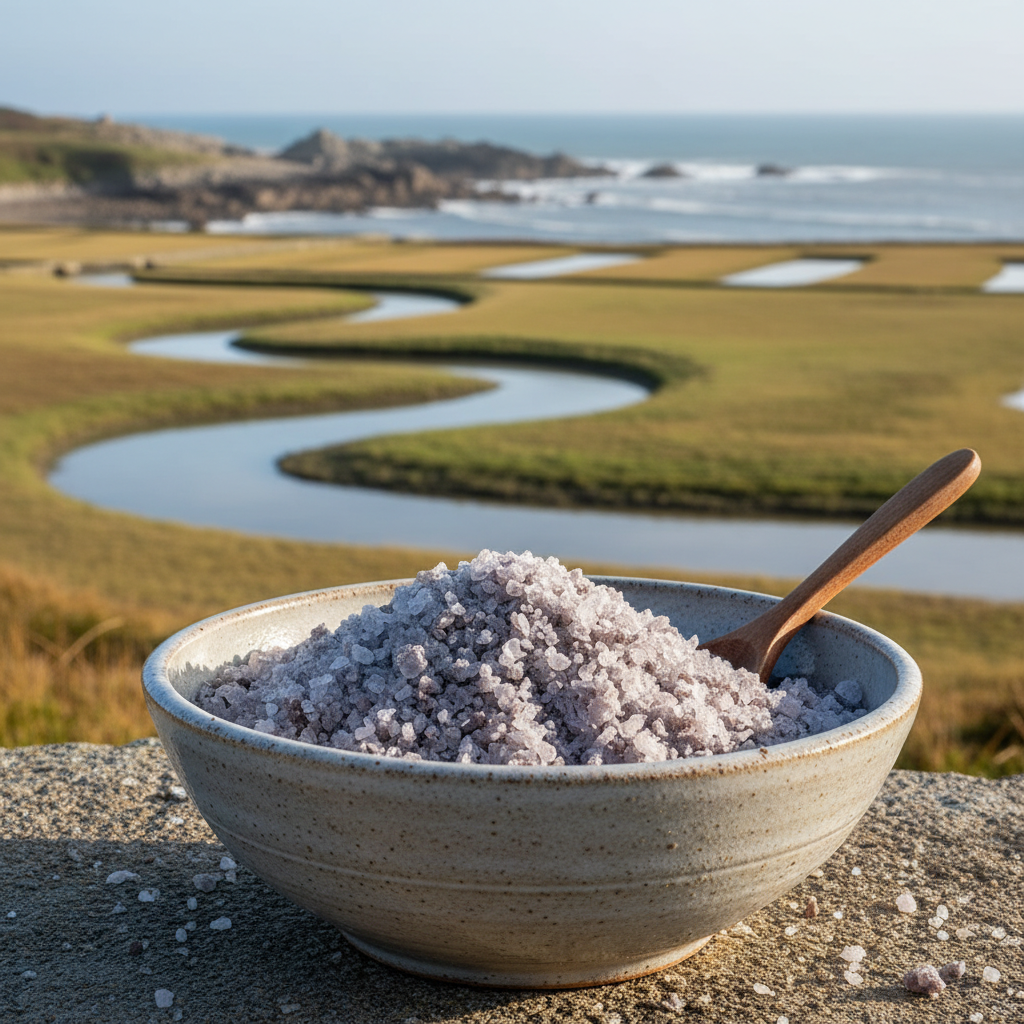
To truly understand Celtic salt, you need to understand where it comes from and how it is made. The Guérande peninsula in Brittany, France, is home to a network of ancient salt marshes that have been cultivated for salt production since at least the ninth century. The region's unique combination of Atlantic winds, sun, and shallow clay-lined pans creates ideal conditions for the slow evaporation of seawater and the natural crystallisation of salt. The paludiers — traditional salt farmers — manage the flow of seawater through a series of interconnected channels and basins, guiding it gradually to the final crystallising pans known as oeillets. It is in these oeillets that Celtic grey salt forms over the summer months, settling to the bottom of the pan and absorbing minerals from the natural grey clay that lines the basin.
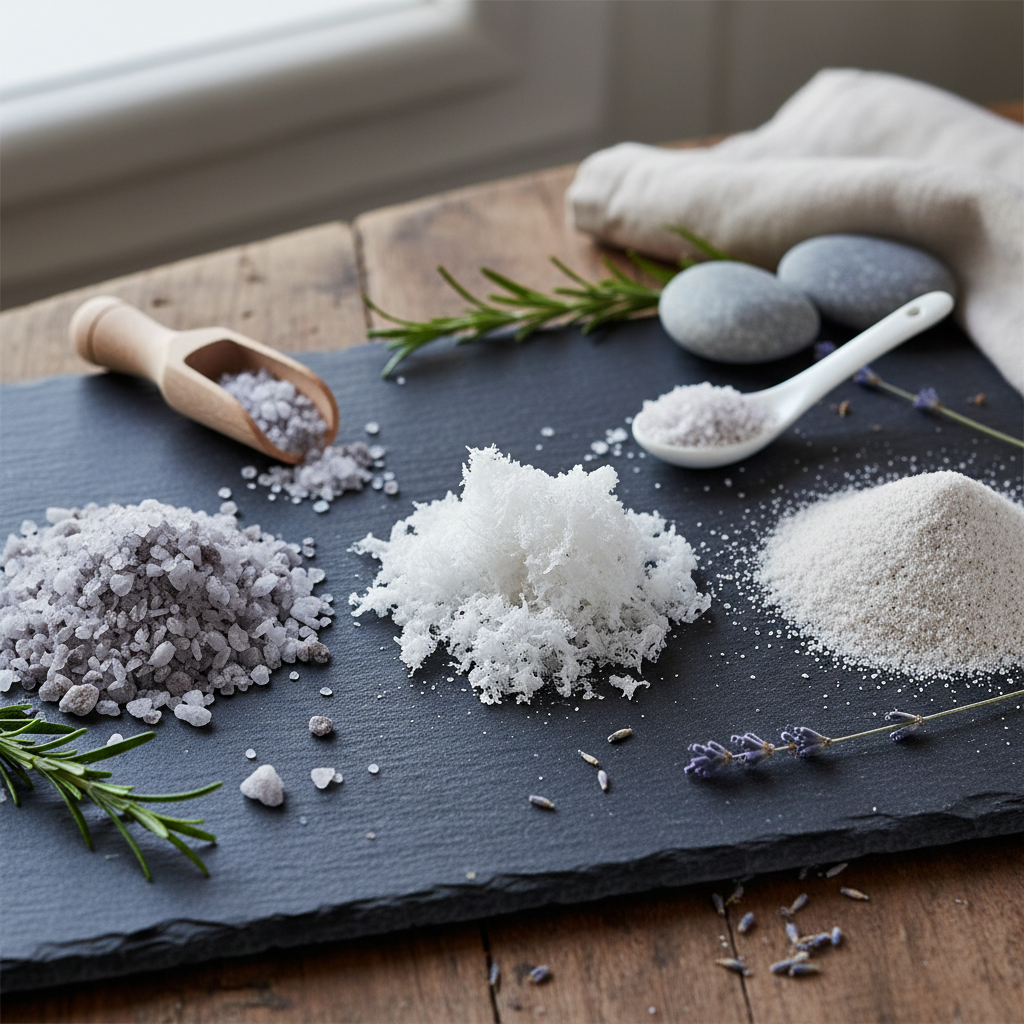
There are two primary types of salt produced in the Guérande salt marshes: gros sel (coarse Celtic grey salt) and fleur de sel (flower of salt). Gros sel is the grey, moist, coarse-grained salt that most people associate with the term "Celtic salt." It is raked from the bottom of the salt pan using a long-handled tool and collected in mounds at the edge of the pans. Fleur de sel, by contrast, forms on the surface of the water as delicate white crystals and is skimmed off carefully by hand — it is rarer, more expensive, and considered a finishing salt. Both are products of the same remarkable environment, but they have different textures, flavours, and ideal culinary uses. For everyday cooking, gros sel Celtic grey salt is the workhorse of the Guérande tradition.
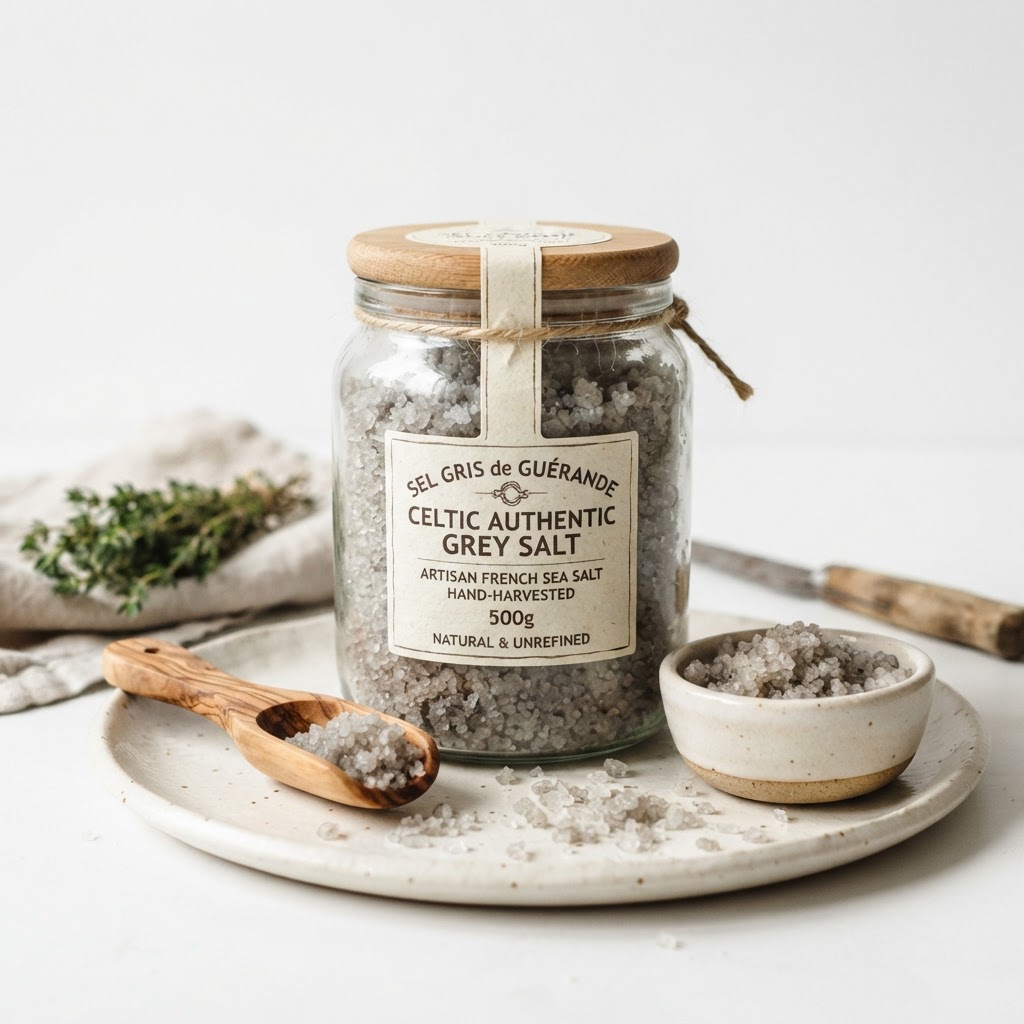
One of the most important things to understand about genuine Celtic salt is its moisture content. Unlike refined table salt or even many other sea salts, authentic Celtic grey salt is intentionally left in its natural, slightly moist state. This moisture is not a sign of poor quality — quite the opposite. The residual brine in each grain of salt carries dissolved minerals that would otherwise be lost if the salt were dried or kiln-heated. This is why authentic Celtic grey salt clumps slightly and has a soft, almost clay-like texture when pressed between your fingers. If you encounter a product labelled as Celtic salt that is bone-dry and perfectly white, it has likely been processed in a way that compromises its mineral integrity. True Celtic grey salt should feel slightly damp, smell faintly of the sea, and display that characteristic grey-beige colour.
The mineral profile of Celtic salt is another defining characteristic. Because it is unrefined and harvested from a mineral-rich marine environment, Celtic grey salt contains over trace minerals whose levels vary by harvest and product in their naturally occurring proportions. Sodium and chloride make up the majority of the composition, but the remaining percentage includes magnesium, which supports hundreds of enzymatic reactions in the body; calcium, essential for bone health and muscle function; potassium, which plays a vital role in heart and kidney function; and a range of other trace elements including zinc, iodine, manganese, and iron. These minerals exist in forms and ratios that the body can readily utilise — a stark contrast to the isolated synthetic minerals sometimes added back to refined salt as fortification. This natural mineral matrix is one of the most compelling reasons to choose Celtic salt over its processed counterparts. For more on the mineral benefits of traditional salt harvesting, visit our guide to the mineral content of Celtic salt.
Health and Culinary Benefits
The health and culinary benefits of Celtic salt are best understood in the context of what makes it different from conventional salt. Standard table salt is refined to remove virtually all minerals except sodium and chloride, then treated with anti-caking agents such as sodium ferrocyanide or silicon dioxide, and often fortified with synthetic iodine. The result is a chemically simplified product that delivers sodium in a highly concentrated, isolated form. Celtic grey salt, by contrast, delivers sodium alongside a broad range of complementary minerals that occur naturally in seawater and in the clay-lined pans of the Guérande marshes. This matrix of minerals means that the flavour of Celtic salt is more complex, its saltiness is more rounded and less harsh, and the overall sensory experience of using it in cooking is considerably richer.
From a culinary standpoint, the benefits of Celtic salt are substantial and immediately perceptible. The coarser grains of gros sel Celtic grey salt dissolve more slowly than fine table salt, making them ideal for seasoning pasta water, brining meats, or adding to slow-cooked soups and stews where you want the salt to integrate gradually into the dish. The mineral complexity of the salt adds depth and a subtle umami-like quality that enhances the natural flavours of ingredients rather than simply making them taste salty. Professional chefs who have made the switch to Celtic grey salt frequently note that they can achieve superior seasoning results with less salt overall, because the flavour delivery is more nuanced and satisfying. This is a meaningful benefit both for flavour and for anyone mindful of their overall sodium consumption.
The presence of naturally occurring magnesium in Celtic salt is worth highlighting in particular. Magnesium deficiency is one of the most widespread nutritional shortfalls in the modern Western diet, with many adults failing to meet the recommended daily intake through food alone. While Celtic salt should not be considered a primary source of magnesium, the fact that it delivers a meaningful contribution of this mineral — along with calcium, potassium, and other electrolytes — with every serving makes it a more nutritionally complete ingredient than refined salt. Many people who have switched to Celtic grey salt report improvements in hydration, reduced muscle cramping, and a greater sense of electrolyte balance, particularly when consuming adequate fluids. These anecdotal observations align with the known physiological roles of the minerals present in Celtic salt, though individual results will naturally vary.
Celtic salt also has a long history of use in food preservation, a tradition that speaks to its effectiveness as a curing and pickling medium. The mineral content of genuine Celtic grey salt has a beneficial effect on fermentation processes, supporting the growth of beneficial bacteria while inhibiting harmful pathogens. This makes it a preferred choice for traditional lacto-fermented vegetables such as sauerkraut, kimchi, and fermented pickles — preparations that have experienced a dramatic revival in popularity as awareness of gut health and the microbiome has grown. Using a mineral-rich, unrefined salt like Celtic grey salt in fermentation not only produces a more flavourful end product but also supports a healthier, more active fermentation culture. For anyone interested in traditional food preservation, Celtic salt is truly the gold standard. Discover more about using Celtic salt in fermentation at our fermentation guide.
How to Use Celtic Salt — Expert Tips
Using Celtic salt effectively requires a slightly different approach than you might take with fine table salt. Because Celtic grey salt is coarser and more mineral-dense, it behaves differently in both cooking and finishing applications. Understanding these differences will help you get the most out of this exceptional ingredient in your kitchen every day.
For cooking applications, coarse Celtic grey salt is best added to water-based dishes early in the cooking process, allowing the coarse grains time to dissolve fully and distribute evenly throughout the liquid. When salting pasta water, add a generous pinch of Celtic grey salt to your boiling water before adding the pasta — the coarser grains will dissolve quickly in the hot water and season the pasta from within as it cooks. For soups, stews, and braised dishes, add Celtic salt at the beginning and adjust the seasoning at the end, keeping in mind that the mineral complexity of the salt means you may need less than you would with standard table salt. The flavour profile of Celtic salt deepens and mellows with cooking, making it particularly well-suited to slow-cooked dishes that benefit from integrated, background seasoning.
For grilling and roasting, Celtic grey salt is exceptional as a dry rub or pre-seasoning. Pat your meat or fish dry, then press a generous amount of coarse Celtic grey salt into the surface at least 30 minutes — and ideally several hours — before cooking. This technique draws out surface moisture through osmosis, then reabsorbs it as a mineral-rich brine that seasons the protein deeply and promotes a beautiful, flavourful crust during cooking. The same technique works wonderfully with root vegetables roasted in the oven: toss your carrots, potatoes, or beets with olive oil and Celtic grey salt before roasting for a deeply caramelised, complex flavour that simple table salt simply cannot match.
For finishing applications, consider keeping a small dish of coarse Celtic grey salt on your dining table as a condiment. A pinch of moist Celtic grey salt sprinkled over a ripe tomato, a soft-boiled egg, fresh avocado, or a piece of dark chocolate provides an extraordinary flavour contrast. The slight crunch of the coarse grains and the burst of mineral complexity they release on the palate transforms simple ingredients into memorable eating experiences. If you prefer a finer texture for finishing, you can grind Celtic grey salt using a mortar and pestle or a salt grinder just before use — this releases the aromatic compounds in the salt and distributes it more evenly over delicate ingredients. For baking, use finely ground Celtic salt in place of your usual salt in bread, pastry, or cake recipes — the mineral richness of Celtic salt adds a subtle depth of flavour that enhances even sweet baked goods.