Hand-harvested Guérande salt · Tracked international delivery included
· by Celtic Salt Editorial Team
Mastering Celtic Salt: The Ultimate Culinary Guide 2026
What Is Mastering Celtic Salt: The Ultimate Culinary Guide 2026 and Why It Matters in 2026
Celtic salt — known in French as sel celtique or gros sel de Guérande — is one of the most revered artisan salts in the world. Harvested by hand from the ancient salt marshes of Guérande on the Atlantic coast of Brittany, France, this remarkable mineral has been treasured by chefs, nutritionists, and home cooks for centuries. In 2026, as consumers increasingly seek authenticity, traceability, and nutritional integrity in their food, Celtic grey salt has moved from a niche specialty ingredient to a mainstream culinary essential. Understanding how to master its use is no longer just for professional chefs — it is a skill that elevates every kitchen, every meal, and every dining experience. This guide exists to give you the complete, authoritative roadmap to doing exactly that.
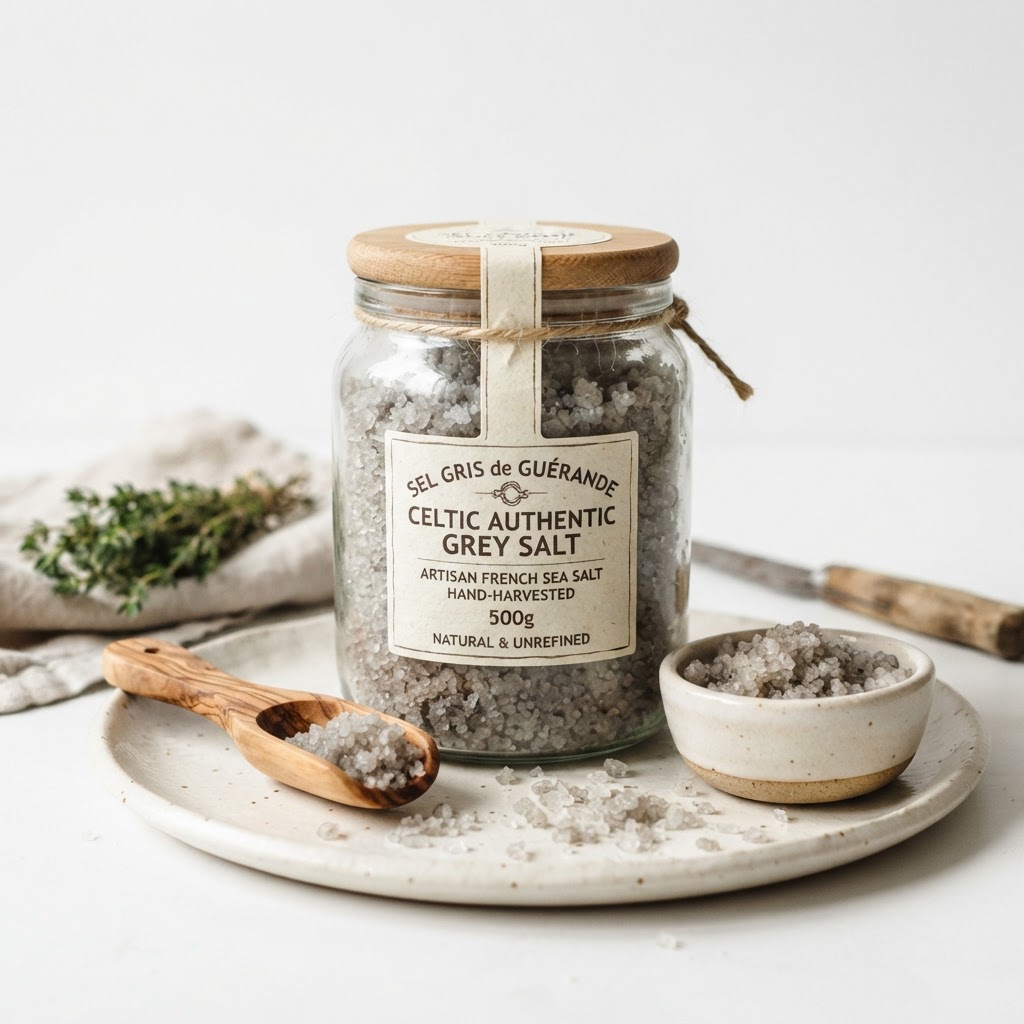
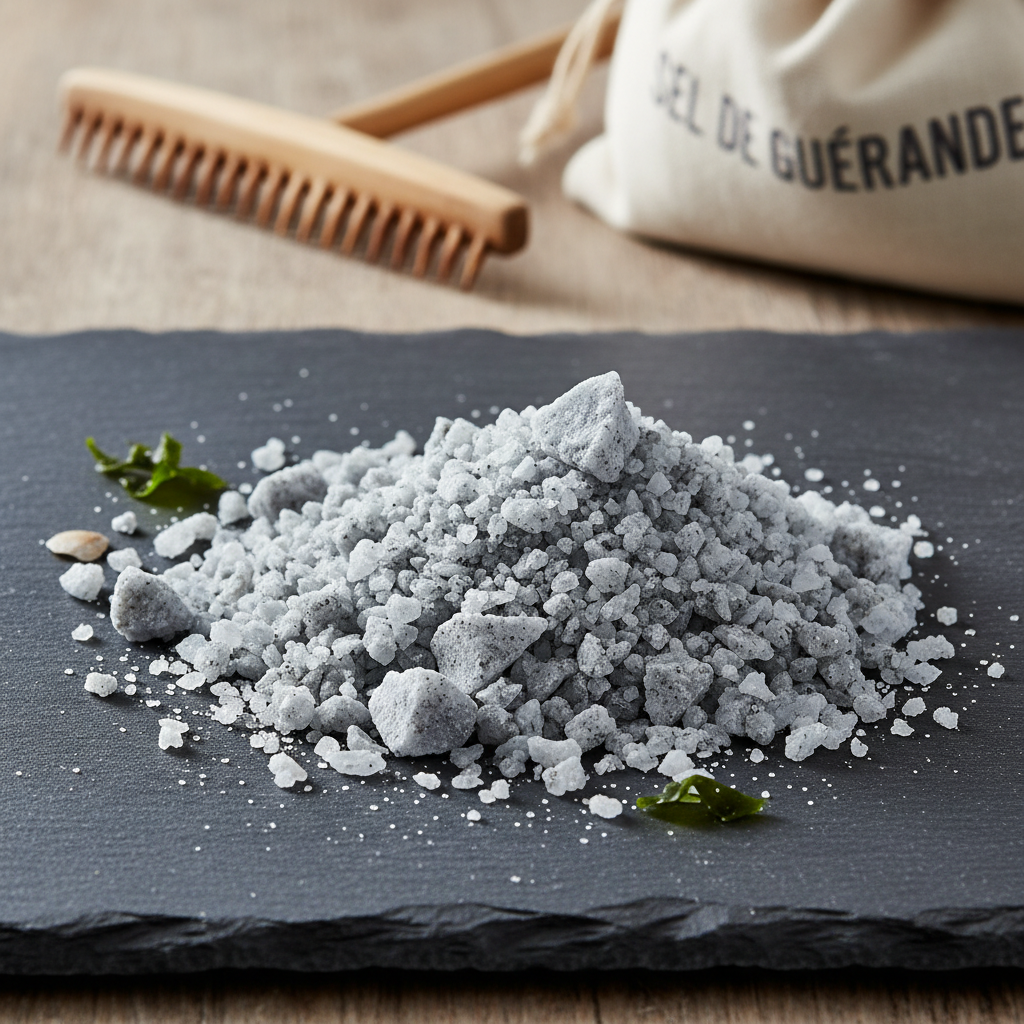
What makes Celtic salt so distinctly different from ordinary table salt or even other artisan salts begins with its origin. The salt marshes of Guérande — a UNESCO-recognised heritage landscape — have been cultivated using the same traditional methods since at least the 9th century. Paludiers, the skilled salt farmers of Brittany, use wooden rakes called lousse to carefully harvest the salt crystals by hand, working in harmony with the tides, the wind, and the sun. No machinery, no artificial heating, no chemical additives. The salt forms naturally as Atlantic seawater evaporates in shallow clay-lined pans called oeillets, leaving behind its characteristic grey crystals — coloured by the unique clay of the region and loaded with naturally occurring trace minerals. This is not industrial salt whitened and stripped of its nutritional complexity. This is living salt in the truest sense of the word.
In 2026, the conversation around food quality has never been more sophisticated. Consumers are reading labels, questioning sourcing, and demanding transparency from food producers. The artisan food movement has accelerated dramatically, with chefs and home cooks alike turning away from heavily processed ingredients in favour of those with provenance and purity. Celtic grey salt sits at the intersection of all these values. It brings extraordinary flavour depth — a complex, briny, mineral richness that processed salt simply cannot replicate — while simultaneously carrying a story of heritage, craft, and environmental stewardship. For the modern cook, mastering Celtic salt in 2026 means understanding not just how to use it, but why it matters: as a statement of culinary intent, as a nutritional choice, and as an act of supporting traditional food culture that has survived for over a millennium.
The resurgence of interest in Celtic salt has also been driven by the global fine dining community. Over the past decade, Michelin-starred restaurants across Europe and North America have increasingly featured Guérande salt prominently — not just as a seasoning tool but as a finishing ingredient worthy of the spotlight. Food writers and culinary educators have followed, integrating Celtic salt into curricula, cookbooks, and professional training programmes. As we move deeper into 2026, the democratisation of this knowledge means that what was once reserved for elite restaurant kitchens is now accessible and applicable to every home cook who wants to take their food seriously. This ultimate culinary guide is designed to be your comprehensive companion in that journey — from understanding the salt's character to deploying it with precision, creativity, and confidence.
The Complete Guide to Mastering Celtic Salt: The Ultimate Culinary Guide 2026
To truly master Celtic salt, you must first understand its physical and chemical character. Celtic grey salt is a moist, coarse-grained salt with a naturally greyish hue. Its moisture content — typically between 10 and 13 percent — is one of its most distinctive features. This moisture comes from the magnesium-rich brine that clings to each crystal after harvesting, and it is precisely this characteristic that sets it apart from dry table salts and even other sea salts. The moisture acts as a slow-release mechanism, meaning the salt dissolves gradually on food and on the palate, delivering flavour in waves rather than in a single sharp hit. This quality makes it extraordinarily forgiving for cooks who are learning to season with nuance.
The mineral composition of Celtic grey salt is genuinely remarkable. Unlike refined table salt, which is approximately 99.9 percent sodium chloride, authentic Celtic salt from Guérande typically contains around 82 to 84 percent sodium chloride alongside a rich spectrum of over trace minerals whose levels vary by harvest and product. These include magnesium, calcium, potassium, iron, zinc, manganese, and silica, among others. These minerals are not added artificially — they are present because the salt is never stripped, bleached, or otherwise processed. The grey colour itself is a direct result of the mineral-rich clay of the Guérande basin interacting with the salt crystals during formation. A bright white Celtic salt should immediately raise questions about its authenticity, because the grey colour is not a cosmetic defect — it is the hallmark of genuine, unrefined quality. You can explore more about mineral content and what it means for your cooking in our in-depth minerals guide here.
There are two primary forms of Celtic salt that every cook should understand: gros sel (coarse salt) and sel fin (fine salt). Gros sel is the traditional form — large, irregular grey crystals that are ideal for cooking pasta water, brining meats, pickling vegetables, and seasoning roasts. It dissolves slowly and evenly, making it perfect for situations where the salt needs to penetrate deeply into food over time. Sel fin is simply gros sel that has been ground to a finer consistency, making it more versatile for everyday seasoning at the table or for recipes where a fine texture is preferred. A third form — fleur de sel — is the premium flower of the salt, skimmed from the very surface of the water on calm, sunny days. Fleur de sel is delicate, light, and intensely aromatic, best used as a finishing salt rather than a cooking salt. Understanding which form to use in which context is one of the foundational skills of mastering Celtic salt.
Storage is an often-overlooked aspect of working with Celtic salt. Because of its natural moisture content, Celtic grey salt should be stored in a breathable container — a ceramic crock, a wooden salt box, or a clay pot — rather than an airtight jar. Airtight storage can cause the moisture to condense and the salt to clump excessively. The ideal environment is cool, dry, and away from direct sunlight. If your salt does clump, this is completely normal and not a sign of spoilage — simply break it up with a fork or use a mortar and pestle. The salt does not expire; in fact, it has been used as a preservative for millennia precisely because of its antimicrobial properties. A quality salt stored correctly will remain at its best indefinitely, maintaining its mineral complexity and flavour character season after season.
Health and Culinary Benefits
The health and culinary benefits of Celtic grey salt are deeply interconnected. From a purely culinary standpoint, the mineral richness of authentic Guérande salt contributes to a flavour profile that is fundamentally more complex than refined salt. The presence of magnesium and other minerals creates what food scientists describe as a rounder, more balanced salinity — less sharp and aggressive than pure sodium chloride, more nuanced and multi-layered. Professional chefs consistently report that foods seasoned with Celtic salt require less total salt to achieve the same or greater flavour impact compared to refined table salt. This is a significant practical advantage: cooking with Celtic salt can naturally lead to more moderate sodium consumption without sacrificing taste.
From a nutritional perspective, the trace minerals present in Celtic salt are noteworthy. Magnesium, which is often deficient in modern Western diets, is present in meaningful quantities in Celtic grey salt — particularly in its moist, unrefined form. Magnesium plays a role in hundreds of enzymatic processes in the human body, including muscle function, energy production, and nervous system regulation. Calcium and potassium contribute to electrolyte balance. It is important to note that Celtic salt should not be viewed as a primary source of these minerals — dietary needs are best met through a diverse, balanced diet. However, the trace mineral content of Celtic salt does represent a genuine nutritional advantage over stripped and bleached refined salt, which has been depleted of these compounds entirely. Read more about the science behind Celtic salt's nutritional profile in our research-based health article.
The culinary benefits extend well beyond seasoning. Celtic salt is a transformative ingredient in fermentation and preservation. Its natural mineral balance and the absence of anti-caking agents — which are standard in commercial table salt — make it the preferred choice for lacto-fermentation of vegetables, brining meats and fish, and making cultured dairy products. The anti-caking agents present in industrially refined salt can inhibit the growth of the beneficial bacteria that drive fermentation. Celtic salt, being entirely free of additives, creates an ideal environment for these microbial processes. Sauerkraut, kimchi, pickles, cured salmon, and dry-aged meats all benefit enormously from the use of authentic Celtic grey salt. The mineral complexity of the salt also contributes to the depth of flavour in the finished fermented product in ways that refined salt simply cannot replicate.
Beyond fermentation, Celtic salt excels in baking. Serious bakers have long understood that salt is not merely a flavour enhancer in bread — it is a structural ingredient that controls yeast activity, strengthens gluten development, and regulates the rate of fermentation. Celtic grey salt, with its slower dissolution profile, interacts with dough in a particularly elegant way, distributing evenly without the sudden, sharp impact that fine table salt can create. Many artisan bread bakers specifically prefer coarse Celtic salt because it blends seamlessly into dough without over-exciting the yeast in those critical early minutes of mixing. The result is bread with better structure, more complex flavour, and a more satisfying crust.
How to Use Celtic Salt — Expert Tips
Mastering the practical application of Celtic salt requires understanding a handful of key principles that professional chefs have refined over years of working with artisan ingredients. The first and most important principle is timing. Unlike refined salt, which dissolves almost instantaneously, Celtic grey salt dissolves more gradually. This means that when you season a dish during cooking, you need to allow slightly more time before tasting and adjusting. Add your Celtic salt earlier in the cooking process than you might with fine table salt, and give it time to integrate before making further adjustments. This single habit change will dramatically improve the consistency and quality of your seasoning.
For grilling and roasting, Celtic coarse salt is unparalleled. When applied to a dry-brined steak, for example — rubbing coarse Celtic salt generously over the surface and allowing it to rest for 45 minutes to several hours before cooking — the salt draws out a small amount of surface moisture, which then dissolves the salt and is reabsorbed into the meat. This process, known as dry brining, results in meat that is seasoned throughout rather than just on the surface, with a beautifully caramelised crust and exceptional juiciness. The mineral complexity of Celtic salt adds layers of flavour to the meat that go beyond simple salinity. For a bone-in rib-eye or a leg of lamb, there is no better preparation tool in the kitchen.
When finishing dishes, Celtic fleur de sel or finely ground Celtic grey salt applied at the very last moment before serving creates what chefs call a "salt pop" — an immediate, bright burst of flavour on the palate that enhances every other element on the plate. A pinch of Celtic salt on dark chocolate, ripe tomatoes, avocado, or freshly baked bread is a revelation. The mineral character of the salt amplifies sweetness, balances bitterness, and adds an elusive depth that makes every bite more satisfying. This finishing technique is one of the most powerful and accessible tools in the modern cook's arsenal, and it requires nothing more than good salt and good timing.
For pasta water, Celtic gros sel is the ideal choice. The traditional advice to make pasta water "as salty as the sea" is best achieved with coarse Celtic salt, which brings not just salinity but the mineral complexity of the actual Atlantic Ocean to your pasta. Use approximately 10 grams of Celtic coarse salt per litre of water for a well-seasoned result. The minerals in the salt also interact positively with the starches in the pasta, contributing to a better texture and a more flavourful finished dish. Discover more techniques and recipes in our cooking with Celtic salt recipe collection.