Hand-harvested Guérande salt · Tracked international delivery included
Guide· by Celtic Salt Editorial Team
How To Use Celtic Salt In Cooking Daily Recipes
What Is How to Use Celtic Salt in Cooking Daily Recipes and Why It Matters in 2026
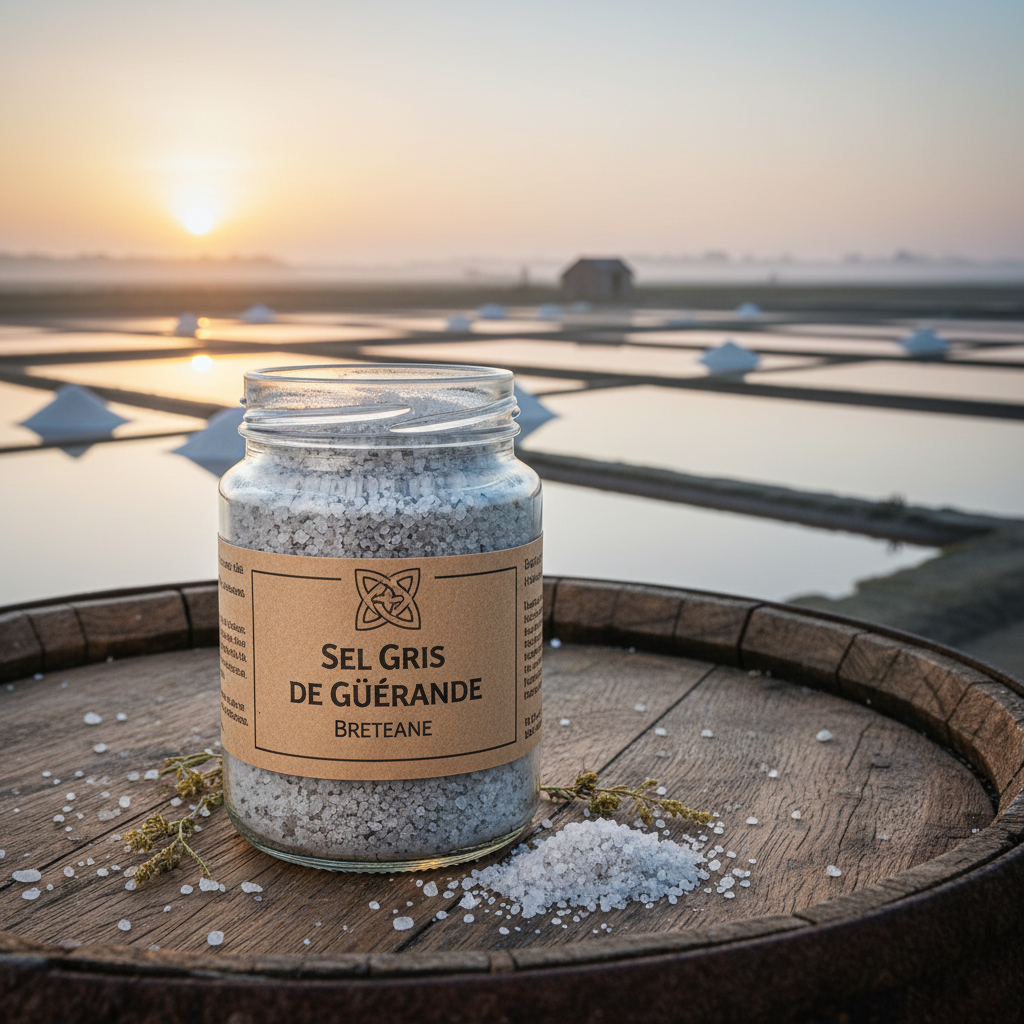
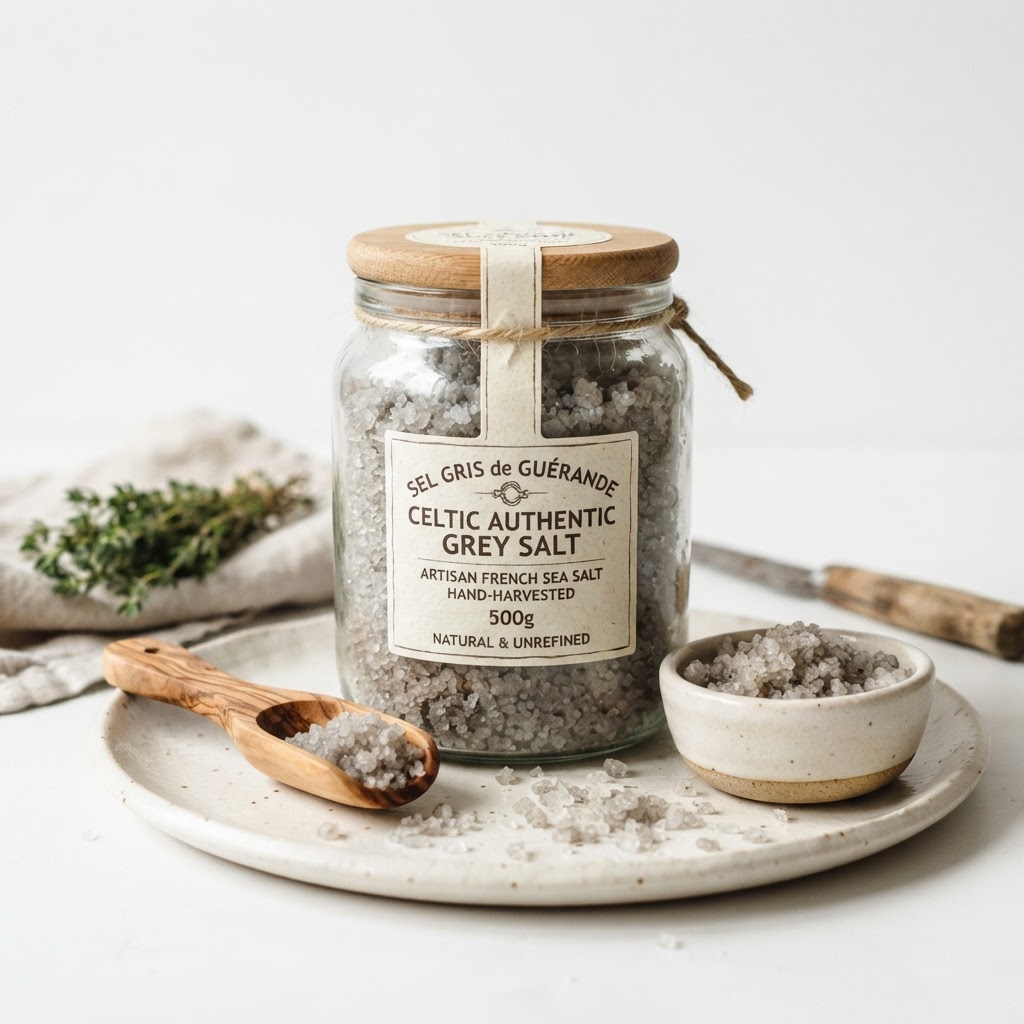
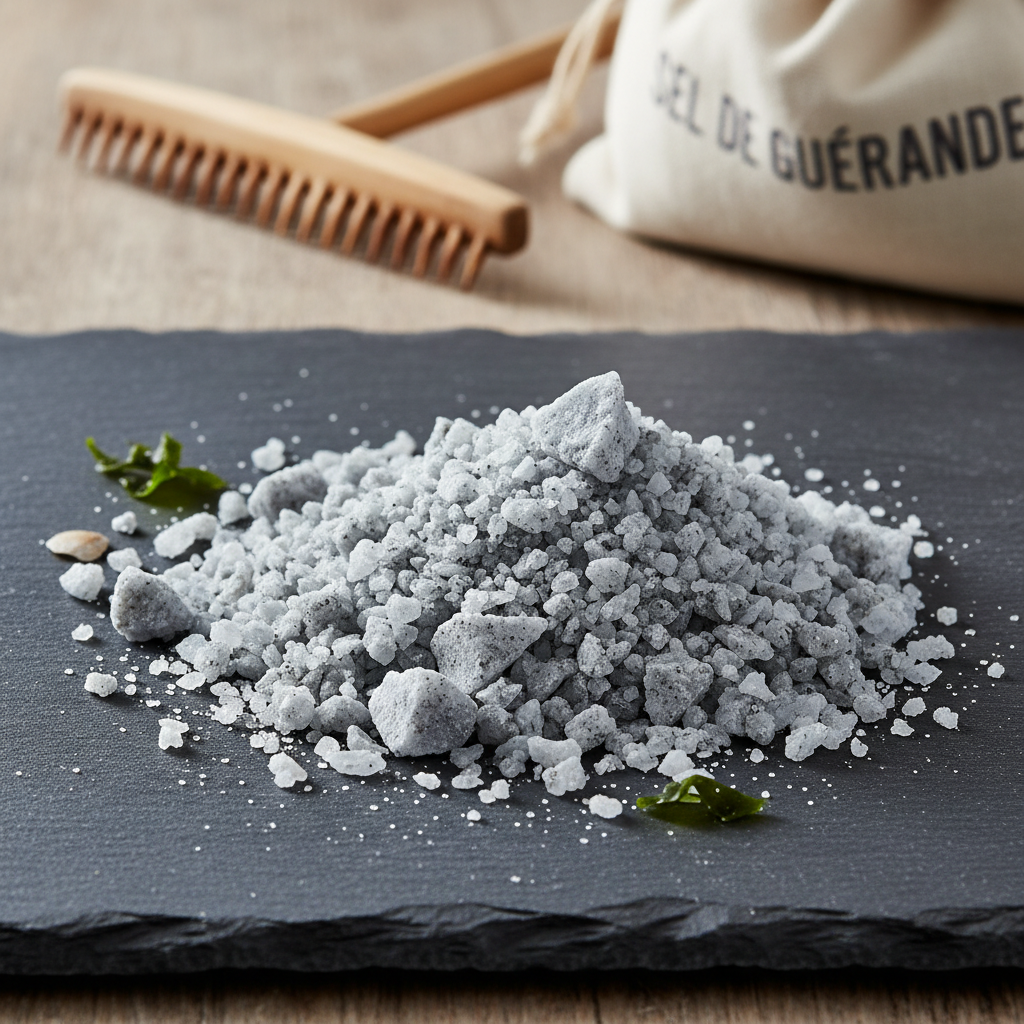
Celtic salt — the ancient, hand-harvested grey salt from the tidal marshes of Guérande in Brittany, France — has experienced a remarkable renaissance in home kitchens and professional culinary spaces alike. For centuries, Breton paludiers (salt farmers) have used traditional wooden tools to carefully rake and collect this mineral-rich salt from clay-lined salt pans, preserving a craft that dates back over a thousand years. In 2026, as more home cooks become increasingly conscious of what goes into their food, understanding how to use Celtic salt in cooking daily recipes has moved from niche interest to essential kitchen knowledge. Unlike heavily processed table salt or even standard sea salts, authentic Celtic grey salt retains its full spectrum of naturally occurring minerals — including magnesium, calcium, potassium, and over trace minerals whose levels vary by harvest and product — because it is never refined, bleached, or treated with anti-caking agents. This mineral complexity is not just a talking point; it profoundly affects the way food tastes, the texture of a finished dish, and the overall culinary experience.
What makes learning to cook with Celtic salt in 2026 especially relevant is the global shift toward whole, unprocessed ingredients. Consumers across Europe, North America, and beyond are actively seeking out ingredients that connect them to traditional food cultures and offer genuine nutritional authenticity. Celtic grey salt is perfectly positioned within this movement. Its signature moisture content — a result of its hygroscopic nature and the mineral-rich brine it absorbs during harvest — gives it a naturally moist, clumping texture that dissolves differently from dry, free-flowing table salt. This changes how you measure it, how it interacts with proteins and vegetables during cooking, and how it finishes a dish. The grey colour, often a surprise to first-time users, comes from the clay-lined basins of Guérande and is a reliable indicator of authenticity and mineral content. Understanding these characteristics is the first step to mastering how to use Celtic salt effectively every single day.
The culinary case for making Celtic grey salt your daily cooking salt has never been stronger. Professional chefs who have long kept it as a closely guarded finishing secret are now openly discussing its versatility — not just as a finishing salt sprinkled on top of a dish at the table, but as a foundational seasoning used throughout the cooking process. From seasoning pasta water and brining whole chickens to rubbing onto root vegetables before roasting and incorporating into bread doughs, Celtic salt's complex mineral flavour brings a roundness and depth that refined salts simply cannot replicate. The slight brininess and oceanic quality it imparts is subtle yet transformative. In the context of daily cooking, where the goal is to build maximum flavour with minimum effort, having the right salt is not a luxury — it is a foundational decision that pays dividends across every meal you prepare.
Throughout this comprehensive guide, we will walk you through everything you need to know about how to use Celtic salt in cooking daily recipes. Whether you are a complete beginner who has just purchased their first bag of Guérande grey salt or an experienced home cook looking to refine your technique, this article will give you practical, actionable knowledge. We will cover measurements and conversions, application methods for different cooking techniques, specific recipe examples, health-adjacent culinary benefits, quality selection guidance, and answers to the most common questions people have when making the switch. By the end, you will have a complete picture of why Celtic salt deserves a permanent place at your stove — and how to make the most of every precious crystal.
The Complete Guide to How to Use Celtic Salt in Cooking Daily Recipes
Before diving into specific recipes and techniques, it is essential to understand the fundamental difference in how Celtic salt behaves compared to processed table salt. Because Celtic grey salt retains moisture and is not free-flowing, it is denser in texture but actually less sodium-dense by volume than fine table salt. This means that when you substitute Celtic salt for table salt in a recipe, you may need slightly more by volume to achieve the same level of seasoning — but you are also getting far more mineral complexity in the process. A good rule of thumb is to start with a 1:1 substitution and taste as you go. Over time, your palate will naturally calibrate to the richer, more rounded flavour profile, and you will likely find that you reach for salt less frequently overall because the flavour satisfaction comes faster.
Seasoning Pasta Water: One of the most impactful and immediate ways to incorporate Celtic salt into your daily cooking is to use it generously when salting pasta water. The classic Italian instruction to make your water taste "like the sea" is almost literal when you use Celtic grey salt — its natural oceanic brininess connects the seasoning of the cooking water directly to the mineral flavour of the finished pasta dish. Use approximately one tablespoon of coarse Celtic salt per litre of boiling water. The result is pasta that is seasoned from within rather than only on the surface, which creates a fundamentally more satisfying dish. This technique applies equally to cooking rice, polenta, and other grains.
Meat and Poultry Seasoning: Celtic salt excels in dry brining and direct seasoning of proteins. For a simple roast chicken, rub the exterior and interior cavity generously with coarse Celtic grey salt at least one hour before cooking — or ideally the night before, allowing it to rest uncovered in the refrigerator. The salt draws out surface moisture, then reabsorbs it in a process that seasons the meat deeply and dries the skin for optimal crispiness. For steaks, season liberally on both sides at least 45 minutes before cooking or immediately before placing on a hot pan. The coarse texture of the salt creates a beautiful crust during searing that enhances both appearance and flavour. Celtic salt also works beautifully as a lamb rub combined with fresh rosemary and crushed garlic.
Roasting Vegetables: When roasting vegetables — from root vegetables like carrots, parsnips, and beetroot to brassicas like broccoli and cauliflower — a generous toss with Celtic grey salt before they go into the oven does two important things. It draws out excess moisture, which promotes caramelisation and browning rather than steaming, and it begins the seasoning process from the outside in. Combine coarse Celtic salt with good olive oil and your choice of herbs or spices, toss with the vegetables, and spread them in a single layer on a baking tray. The mineral complexity of the salt complements the natural sweetness that develops during roasting, creating a depth of flavour that is genuinely remarkable for such a simple technique.
Bread Baking: Salt plays a critical structural and flavour role in bread baking, and Celtic grey salt is an exceptional choice for this application. In yeasted breads, salt strengthens the gluten structure, controls yeast fermentation, and dramatically improves crust colour and flavour. Use finely ground Celtic salt (or lightly crush coarse Celtic salt using a mortar and pestle) to ensure even distribution throughout the dough. A standard ratio is approximately 2% of the flour weight — so for a loaf using 500g of flour, use around 10g of Celtic salt. The mineral richness of the salt creates a more complex, savoury crumb that pairs beautifully with butter, olive oil, or any topping. For focaccia, flaky finishing with coarse Celtic salt on top just before baking creates that signature salty crust.
Soups and Stews: In slow-cooked dishes like soups, stews, and braises, Celtic salt is best added in stages — a small amount at the beginning to build foundational flavour as aromatics are cooked, another addition midway through as the dish develops, and a final taste-and-adjust at the end. This layered approach to salting ensures that the mineral complexity of Celtic grey salt has the opportunity to integrate fully into the dish rather than sitting on the surface. For a simple vegetable soup, start with a pinch of Celtic salt when sweating your onions, add more when the broth goes in, and finish with a careful adjustment before serving. The result is a soup with a rounded, complete flavour that seems much more complex than its ingredients alone would suggest.
You can explore specific recipe pairings and seasonal cooking ideas in our detailed guide at Celtic Salt Cooking Techniques for Every Season, where we go even deeper into application methods across different cuisines and cooking styles.
Health and Culinary Benefits
While we are careful not to make specific medical or health claims, there is a well-documented nutritional and culinary case to be made for choosing minimally processed Celtic grey salt over refined alternatives in your daily cooking. The most significant distinction lies in mineral content. Authentic Celtic salt from Guérande contains naturally occurring trace minerals including magnesium, calcium, potassium, iron, zinc, and over 80 other elements that are systematically removed during the industrial refining process used to produce standard table salt. These minerals are present in the salt because the tidal seawater from which it is harvested is naturally rich in them, and the traditional hand-harvesting method preserves rather than strips them away. From a purely culinary standpoint, it is these very minerals that give Celtic grey salt its distinctive flavour complexity — they are inseparable from the taste experience it provides.
One of the most interesting culinary properties of Celtic salt is how its mineral composition interacts with the other ingredients in a dish. Magnesium, for instance, plays a role in how flavours bind and how the palate perceives saltiness — this is one reason why many experienced cooks report that food seasoned with Celtic salt seems more flavourful even when less total sodium is used. The gentle, rounded brininess of Celtic grey salt also means that it is less likely to create the sharp, harsh edge of over-salting that is common with highly processed table salt. This makes it a more forgiving cooking salt, particularly for those who are new to cooking by taste rather than by precise measurement. The flavour curve with Celtic salt is longer and more generous, giving cooks more control over the final seasoning outcome.
The absence of additives is another significant culinary advantage. Standard table salt typically contains anti-caking agents (such as sodium ferrocyanide or silicon dioxide), and iodised versions contain added potassium iodide. While iodine supplementation through salt has been a public health measure in many countries for decades, for those who prefer their ingredients to be as unadorned as possible, Celtic grey salt offers a genuinely clean alternative. Its only ingredient is salt — along with the naturally occurring minerals and trace elements that come with it. This purity is meaningful for people with sensitivities to food additives, for those following specific dietary philosophies, and for professional chefs who want complete control over the flavour variables in their cooking.
From a texture and cooking performance standpoint, the natural moisture content of Celtic grey salt gives it adhesion properties that dry salts lack. When rubbed onto meat or fish before cooking, it clings to the surface and penetrates more effectively. When added to doughs and batters, it distributes slightly differently, sometimes requiring light crushing or grinding first. This moisture also means that Celtic salt should be stored in a container that allows some airflow — a ceramic or wooden salt cellar is ideal — rather than sealed airtight, which can cause clumping. Understanding these physical properties helps you get the best culinary results from every application. For more on the nutritional background and mineral profile of authentic Guérande salt, visit our in-depth resource at Celtic Salt Minerals and Nutritional Profile.
How to Use Celtic Salt in Cooking Daily Recipes — Expert Tips
Tip 1 — Always Taste Before You Finish: The most important habit to develop when cooking with Celtic grey salt is tasting your food throughout the cooking process and especially before serving. Because Celtic salt has a more complex, layered flavour than table salt, the end result is harder to predict purely by measurement. Tasting as you go — a small amount added early, assessed mid-cook, and adjusted at the end — gives you maximum control and minimum risk of over-salting. Over time this becomes intuitive, but even experienced cooks who switch to Celtic salt should give themselves a week or two of conscious tasting to recalibrate.