Hand-harvested Guérande salt · Tracked international delivery included
Guide· by Celtic Salt Editorial Team
How To Use Celtic Salt
What Is How to Use Celtic Salt and Why It Matters in 2026
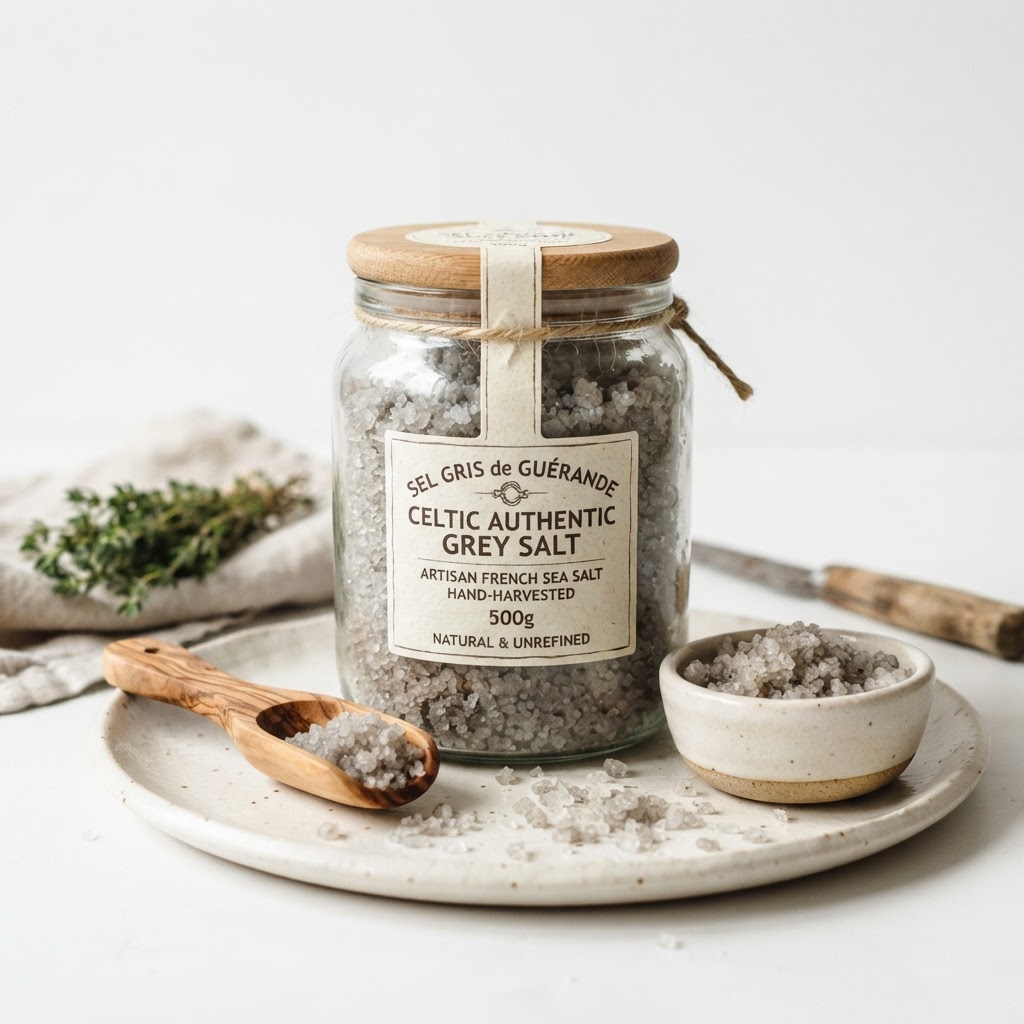
Celtic salt, known in French as sel gris or grey salt, is one of the most ancient and revered mineral salts in the world. Harvested by hand from the legendary salt marshes of Guérande in Brittany, France, this extraordinary seasoning has been collected using traditional methods passed down through generations of paludiers — the skilled salt farmers who rake the crystalline grains from shallow clay-lined ponds along the Atlantic coastline. Unlike refined table salt, which is stripped of virtually all its natural minerals through industrial processing, Celtic grey salt retains a rich matrix of over eighty trace minerals, including magnesium, calcium, potassium, and iron. Its characteristic grey hue comes from the clay sediment of the Guérande marshes, and its naturally moist texture is a sign of authenticity and living mineral content. Understanding how to use Celtic salt properly is not just a matter of seasoning your food correctly — it is about embracing a fundamentally different relationship with one of humanity's oldest ingredients.
As we move deeper into 2026, there has been a remarkable cultural and culinary shift toward major grocery stores, artisanal ingredients, and nutritional mindfulness. Consumers are reading labels more carefully than ever before, questioning what goes into their food and how it is processed. In this context, Celtic grey salt has surged in popularity among home cooks, professional chefs, nutritionists, wellness practitioners, and food enthusiasts across Europe, North America, and beyond. The question "how to use Celtic salt" has become one of the most searched queries in the culinary wellness space, reflecting growing awareness that not all salts are created equal. People are discovering that the way you salt your food — and the type of salt you use — can meaningfully affect the flavour, texture, and even nutritional profile of your meals. Celtic salt, with its complex briny flavour and rich mineral content, opens up a world of culinary possibilities that refined white salt simply cannot match.
It is worth taking a moment to appreciate why the origin and method of harvesting matter so deeply when it comes to Celtic salt. The Guérande region of Brittany has been producing salt for over two thousand years. The salt marshes here are a UNESCO-listed landscape, carefully maintained as a living ecosystem where tidal Atlantic waters flow into a series of interconnected clay ponds. The water evaporates slowly under the sun and wind, concentrating the minerals until large grey crystals form on the bottom of the ponds. Paludiers harvest these crystals with a traditional wooden rake called a las, collecting the salt by hand without mechanical intervention. This process is not merely romantic — it is functionally significant. The slow, natural evaporation and the contact with mineral-rich clay give Guérande Celtic salt its unique composition and flavour. Knowing how to use this salt well means understanding and respecting what makes it distinct from all other salts on the market.
The resurgence of interest in Celtic grey salt in 2026 also reflects broader conversations about sodium intake, mineral balance, and the quality of everyday ingredients. Many people have been advised to reduce their salt intake for health reasons, but emerging nutritional discussions suggest that the type of salt consumed may be as important as the quantity. Celtic grey salt, because of its high mineral content, may allow you to season your food with less salt while achieving a more complex, satisfying flavour. Its natural moisture content means it dissolves more readily on the tongue, delivering an immediate burst of clean, mineral-rich saltiness. As more people become curious about the nuances of salt use — from brining and curing to finishing and baking — the importance of understanding how to use Celtic salt correctly has never been greater. This guide aims to be the most comprehensive, practical, and trustworthy resource available on this subject.
The Complete Guide to How to Use Celtic Salt
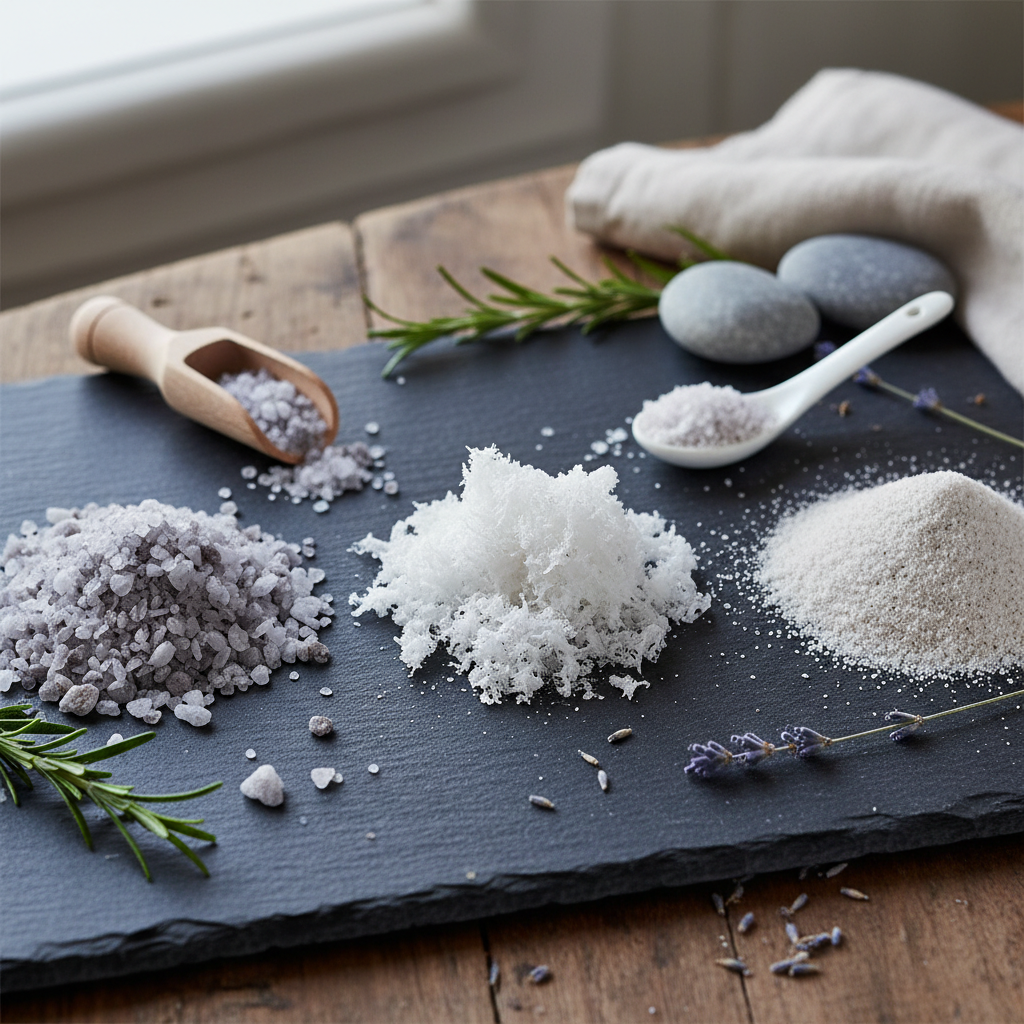
Using Celtic grey salt well begins with understanding its physical properties. Unlike fine table salt or even coarse kosher salt, authentic Guérande Celtic salt has a naturally moist, clumping texture. The crystals are irregular in shape and size, and they carry a grey colour that deepens when wet. This moisture content — typically around ten to thirteen percent — is not a defect but a feature. It indicates the presence of natural magnesium chloride, which is hygroscopic (meaning it attracts water molecules from the surrounding air). This moisture affects how the salt behaves when you use it: it dissolves more slowly than dry salts, it clings to food surfaces differently, and it delivers a more layered flavour experience than processed alternatives. Before you begin using Celtic salt in your kitchen, it helps to have the right tools and an understanding of the basic principles.
For everyday cooking, coarse Celtic grey salt can be used in boiling water for pasta, vegetables, grains, and legumes. The general rule is to add a generous pinch or two to a large pot of water — enough that the water tastes pleasantly salty before you add any food. Because Celtic salt contains less sodium chloride per gram than refined table salt (due to its moisture content and mineral density), you may find you need to use slightly more by volume to achieve the same level of saltiness. However, many experienced cooks report that the flavour is more satisfying and rounded, so they actually end up using less overall. When boiling eggs, adding Celtic salt to the water helps the egg whites coagulate quickly if any cracking occurs, and it subtly seasons the egg through the shell. For blanching green vegetables, a well-salted pot of boiling Celtic salt water preserves vibrant colour and infuses the vegetables with mineral-rich flavour from the very first second of contact.
In baking, Celtic salt plays a nuanced but important role. Bread, in particular, benefits enormously from the use of quality grey salt. Salt in bread dough does several things: it strengthens gluten structure, controls yeast fermentation, enhances flavour, and improves shelf life by reducing water activity. When using Celtic salt in bread, it is best to dissolve the coarse grains in a small amount of water before incorporating them into the dough, or to grind them finely first. This ensures even distribution throughout the dough without any undissolved pockets of salt that could interfere with yeast activity. In pastry and cookie recipes, finely ground Celtic salt adds depth to buttery, sweet flavours without making the finished product taste overtly salty. A classic technique in French patisserie is to add a generous pinch of grey salt to shortcrust pastry or sablé dough — the salt amplifies the buttery richness and creates a more complex, addictive flavour profile.
For roasting and grilling, coarse Celtic salt is exceptional as a dry rub component or as a pre-salting agent. Salting meat or fish with coarse grey salt one to twenty-four hours before cooking — a technique sometimes called dry brining — draws out surface moisture initially, then allows the salt to be reabsorbed along with its mineral content into the flesh. This results in more evenly seasoned, juicier, and more flavourful meat. For a simple roast chicken, rub the entire bird generously with coarse Celtic grey salt, inside and out, and leave it uncovered in the refrigerator overnight. The salt will penetrate the flesh, seasoning it throughout while also drying the skin for a crispier finish when roasted. For grilled fish, sprinkle coarse Celtic salt on both sides of the fillet about fifteen minutes before grilling — the salt begins to season the flesh while also creating a slightly firmer surface that is less likely to stick to the grill.
Celtic grey salt is also excellent in pickling and fermenting. Traditional lacto-fermentation relies on salt to create the right environment for beneficial bacteria to thrive while suppressing harmful pathogens. Celtic grey salt, because it is free from anti-caking agents, iodine additives, and chemical bleaching agents that are present in most table salts, is ideal for fermentation projects. Anti-caking agents in commercial salts can inhibit fermentation, and added iodine can kill the very bacteria you are trying to cultivate. When making sauerkraut, kimchi, fermented vegetables, or salt-cured fish, using an unrefined salt like Celtic grey salt gives you a clean fermentation environment and contributes additional minerals to the finished product. The standard ratio for vegetable fermentation is approximately two percent salt by weight — so for every kilogram of vegetables, you would use twenty grams of Celtic grey salt.
Health and Culinary Benefits
The culinary benefits of Celtic grey salt are rooted in its mineral complexity and authentic production process. When you taste a pinch of authentic Guérande Celtic grey salt on its own, you notice immediately that it is different from ordinary table salt. There is a clean, briny quality — reminiscent of fresh sea air — followed by a deep, round saltiness that lingers pleasantly on the palate without the harsh, metallic sharpness that characterises over-refined salts. This flavour complexity comes directly from the constellation of minerals present in the salt: magnesium contributes a subtle bitterness that balances the sodium chloride, calcium adds body and roundness, and the many other trace minerals create a layered, satisfying flavour that enhances food without overwhelming it. Professional chefs who have made the switch to authentic Celtic grey salt consistently report that their dishes taste more balanced and require less seasoning overall.
From a nutritional perspective, Celtic grey salt is often discussed in the context of mineral supplementation — not as a medical supplement, but as a whole food that contributes trace minerals to the diet in their natural, bioavailable form. Magnesium, for example, is a mineral that many people consume in insufficient quantities from their regular diet, and Celtic grey salt contains naturally occurring magnesium chloride in meaningful amounts. While salt is not a primary source of dietary magnesium, using a mineral-rich salt in place of a stripped, refined salt means that every meal contributes a small but consistent supply of trace minerals alongside the sodium you are consuming anyway. This is a fundamentally different nutritional proposition from refined table salt, which provides sodium and nothing else of nutritional value. It is important to note, however, that this is not a medical claim — rather, it is an observation about the comparative nutritional profile of whole versus processed food ingredients.
The absence of additives in authentic Celtic grey salt is also a significant benefit worth discussing. Most commercial table salts contain anti-caking agents such as sodium ferrocyanide or silicon dioxide, which prevent the salt from clumping but also mean you are consuming synthetic chemical additives with every meal. Many also contain added iodine — which, while addressing historical public health concerns about iodine deficiency, introduces a synthetic form of iodine that some people prefer to avoid. Some commercial salts are also treated with bleaching agents to achieve the blinding white colour that consumers have been conditioned to associate with purity. Celtic grey salt contains none of these additives. Its grey colour is entirely natural, its slight clumping is the result of natural moisture and mineral content, and its composition is exactly as it was when it left the Atlantic Ocean and settled in the clay-lined marshes of Guérande. For people who prioritise clean-label, additive-free food ingredients, Celtic grey salt is an obvious and compelling choice.
In the kitchen, the culinary benefits of Celtic grey salt extend beyond mere seasoning. Its coarse, irregular crystals create interesting textural contrasts when used as a finishing salt — sprinkled over chocolate desserts, caramel sauces, fresh bread, grilled meats, or sliced avocado just before serving. The crystals dissolve on the tongue in stages, releasing bursts of mineral-rich saltiness that interact beautifully with other flavours. Celtic grey salt is also excellent for salt crusting — the technique of encasing a whole fish or joint of meat in a thick layer of salt mixed with egg white and sometimes herbs, then baking it in a hot oven. The salt crust creates a sealed environment that steams and seasons the food simultaneously, producing incredibly moist, evenly cooked results. The salt crust itself is typically not eaten, but it does its job magnificently during cooking. Explore more advanced Celtic salt cooking techniques on our blog to discover the full range of possibilities this extraordinary ingredient offers.