Hand-harvested Guérande salt · Tracked international delivery included
GuideJune 14, 2026· by Celtic Salt Editorial Team
How to take celtic salt
What Is How to Take Celtic Salt and Why It Matters in 2026
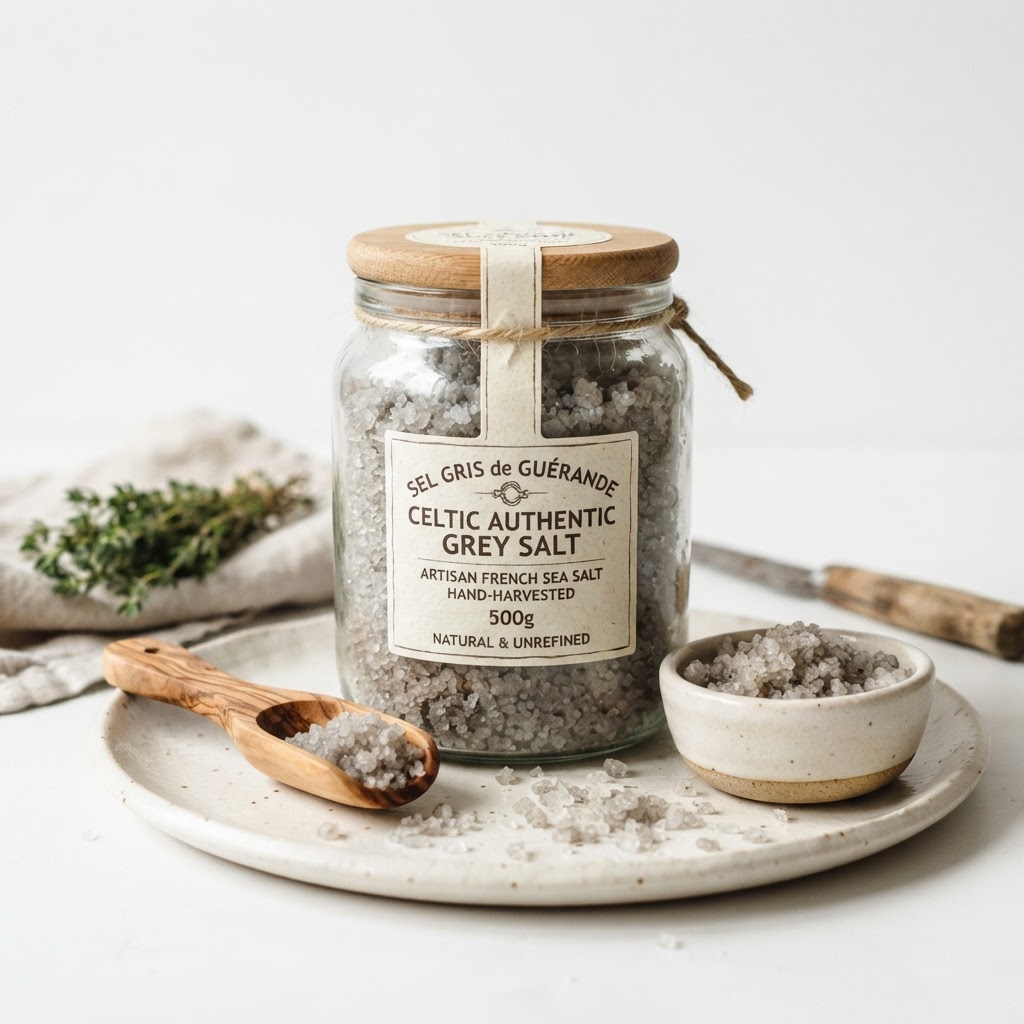
Celtic salt is not simply a seasoning you sprinkle on food and forget about. It is a living mineral food, hand-harvested from the ancient tidal clay beds of Guérande in Brittany, France, by skilled artisans known as paludiers. Understanding how to take Celtic salt — meaning how to consume it intentionally, dose it wisely, and incorporate it into your daily health routine — has become one of the most searched wellness topics heading into 2026. This surge in interest reflects a broader cultural shift away from ultra-processed table salt and toward mineral-rich, unrefined alternatives that support the body rather than burden it. Celtic grey salt, with its naturally moist texture and complex mineral profile, offers something fundamentally different from the bleached, anti-caking-agent-laden salt most people have grown up with. Knowing how to use it correctly is the difference between experiencing its full benefits and simply treating it like any other condiment.
The question of how to take Celtic salt matters because dosage, timing, method of consumption, and form all influence the outcomes you experience. Some people consume a small pinch dissolved in morning water as a hydration and electrolyte ritual. Others use it as a finishing salt on cooked meals, while health-conscious athletes dissolve larger quantities in water before or after intense exercise to replenish lost minerals. The IGP-certified Celtic grey salt from Guérande contains over trace minerals whose levels vary by harvest and product, including magnesium, calcium, and potassium — elements that are stripped from conventional table salt during the refining process. When you understand that each pinch of authentic grey salt is delivering a broad-spectrum mineral supplement alongside its flavour profile, the importance of taking it thoughtfully and in the right context becomes immediately clear.
In 2026, lifestyle medicine and integrative nutrition have firmly entered the mainstream, and the conversation around salt has matured significantly. Decades of blanket anti-sodium messaging have given way to a more nuanced understanding: not all salt is the same, and mineral-dense unrefined salts behave differently in the body than isolated sodium chloride. Research into electrolyte balance, adrenal health, hydration physiology, and gut function has renewed appreciation for whole, unrefined salts as functional foods. Celtic grey salt from Guérande sits at the centre of this conversation, prized for its authenticity, its traceable artisan production, and its remarkable mineral complexity. People are no longer asking simply "is salt good or bad?" — they are asking "which salt, how much, when, and how?" This article answers all of those questions thoroughly.
The manner in which Celtic salt is harvested also matters deeply to how it performs nutritionally. Because it is unrefined and contains no additives, it retains the naturally occurring moisture from Atlantic seawater filtered through millennia-old clay beds. This moisture is not a defect — it is a hallmark of authenticity, and it is partly responsible for the salt's bio-available mineral content. Unlike processed salts that are kiln-dried at extreme temperatures and stripped of all trace elements, Celtic grey salt delivers minerals in their naturally occurring ratios. This is significant because the human body evolved alongside seawater mineral profiles; our blood plasma composition mirrors ocean water in important ways. Taking Celtic salt properly means honouring this relationship between ancient mineral matrices and human physiology — and that is a concept that resonates strongly with wellness communities around the world in 2026.
The Science Behind How to Take Celtic Salt
The scientific rationale for taking Celtic salt in a deliberate, informed way begins with electrolyte physiology. Electrolytes — primarily sodium, potassium, magnesium, and calcium — are the charged minerals that govern every cellular function in the human body, from nerve impulse transmission to muscle contraction to fluid balance across cell membranes. Authentic Celtic grey salt from Guérande provides all four of these critical electrolytes in a single, naturally occurring matrix. The sodium component supports blood pressure regulation and cellular hydration, while the magnesium content (notably higher in Celtic salt than in many refined alternatives) plays a role in over 300 enzymatic reactions. Taking Celtic salt in water or on food is therefore not just flavour enhancement — it is deliberate, broad-spectrum electrolyte delivery.
Understanding osmosis helps explain why the form and timing of Celtic salt consumption matters. When you consume salt dissolved in water — as in a morning sole drink or a pre-workout electrolyte mix — the minerals are immediately available for absorption through the gastrointestinal lining. The body uses osmotic pressure gradients to pull water into cells, and adequate sodium levels are required for this process to work efficiently. Low sodium states, paradoxically, can lead to poor cellular hydration even when fluid intake is high. This is why athletes who drink large volumes of plain water during endurance events are vulnerable to hyponatremia (dangerously low sodium levels). Adding a carefully measured pinch of Celtic grey salt to hydration water rebalances this equation, supporting genuine cellular rehydration rather than simple fluid consumption.
The trace mineral complexity of Celtic grey salt also has scientific implications beyond simple electrolyte replacement. Over trace minerals whose levels vary by harvest and product found in Guérande Celtic salt include trace elements such as zinc, selenium, iodine precursors, and silica — many of which act as co-factors in enzymatic processes that regulate metabolism, immune function, and hormone production. Because these minerals are present in naturally occurring ratios derived from Atlantic seawater filtered through clay, they are believed by many nutritional researchers to have superior bioavailability compared to isolated mineral supplements. The clay substrate of the Guérande salt marshes imparts unique mineral ratios that have been documented in IGP certification studies, distinguishing authentic Guérande salt from imitations. When you take Celtic salt knowingly and regularly, you are participating in a mineral supplementation protocol that works synergistically with the body's natural biochemistry.
There are several well-established methods for taking Celtic salt, each suited to different goals and lifestyles. The most important principle before exploring any of these methods is to start conservatively. If you are accustomed to a low-sodium diet or have been restricting salt for medical reasons, introduce Celtic grey salt gradually and consult your healthcare provider. For most healthy adults, the transition from refined table salt to authentic Celtic grey salt is seamless and positive, but gradual introduction allows your body to adjust to the broader mineral profile and lets you observe how you feel over time.
Method 1: The Morning Sole Drink
One of the most popular methods for taking Celtic salt intentionally is the morning sole (pronounced so-lay) drink. To prepare it, dissolve a small quantity of Celtic grey salt in a glass of room-temperature filtered water upon waking. The recommended starting amount is approximately one-quarter to one-half teaspoon per 250ml glass. Drink this 20 to 30 minutes before breakfast, before coffee, and before any other food or drink. Proponents of this practice report improved energy levels, better morning digestion, reduced brain fog, and more stable blood pressure throughout the day. The theory is that your body wakes up mildly dehydrated and slightly depleted of electrolytes after the overnight fasting period; the morning sole drink addresses this deficit immediately.
Celtic grey salt's moist, complex texture and mineral-rich flavour profile make it exceptional as a finishing salt. Rather than cooking with it at high heat (which can cause some mineral degradation), add a small pinch to completed dishes just before serving. This works beautifully on grilled vegetables, salads, eggs, soups, grain bowls, and fish. The coarser grind of traditional Guérande grey salt delivers little bursts of flavour and mineral complexity that enhance food in ways that fine-processed table salt simply cannot replicate. Use a small ceramic pinch pot kept beside your stove or dining table to make this habit effortless and consistent.
Method 3: In Cooking and Baking
Celtic grey salt can absolutely be used during cooking, particularly for boiling water for pasta, rice, or vegetables, where it imparts mineral richness to the food being cooked. It works well in bread making, where its moisture content interacts interestingly with dough fermentation. For soups, stews, and braises, add Celtic salt in the final stages of cooking to preserve as much of its mineral complexity as possible. In baking, use a fine-ground Celtic salt (or crush larger crystals in a mortar and pestle) to ensure even distribution throughout doughs and batters.
Method 4: Electrolyte Hydration Solution
Athletes, hikers, and anyone engaging in prolonged physical activity can benefit enormously from a simple homemade electrolyte solution using Celtic grey salt. Combine a half-teaspoon of Celtic grey salt with the juice of half a lemon, a small amount of raw honey, and 500ml of water for a natural sports drink far superior to sugar-laden commercial alternatives. This combination provides sodium, trace minerals, natural sugars for rapid glucose replenishment, and vitamin C. Consume during or after exercise, in hot weather, or any time significant sweating occurs.
Practical Tips for Daily Use:
Store Celtic grey salt in a sealed glass or ceramic container — its natural moisture content can cause clumping if left open to air
Use a wooden or ceramic spoon when measuring — metal utensils can eventually react with the moist salt
Start with smaller amounts (one-eighth to one-quarter teaspoon per serving) and adjust to taste and tolerance
Do not heat Celtic salt at extremely high temperatures for extended periods, as this can diminish some mineral content
Pair with potassium-rich foods (avocado, leafy greens, sweet potato) to maintain healthy sodium-potassium balance
Children and those with kidney conditions or hypertension should use under medical supervision
Benefits of Celtic Salt Backed by Evidence
One of the most well-supported benefits of taking Celtic salt regularly is its role in supporting genuine, cellular-level hydration. Hydration is not simply about how much water you drink — it is about whether that water actually enters your cells and is used effectively. Sodium is the primary driver of osmotic pressure that pulls water across cell membranes and into tissues. When people consume inadequate sodium — or consume isolated sodium chloride without the accompanying trace minerals — cellular hydration can be compromised. Celtic grey salt, with its naturally balanced sodium content complemented by magnesium and potassium, provides a more complete electrolyte foundation for hydration. Many people who switch from processed table salt to authentic Celtic grey salt report noticeable improvements in energy, skin hydration, and cognitive clarity — all markers of improved cellular water distribution.
The magnesium content in Celtic grey salt represents a particularly valuable benefit in 2026, when magnesium deficiency is estimated to affect a significant proportion of the population in Western countries. Magnesium is involved in over 300 enzymatic reactions including ATP energy production, insulin sensitivity, muscle relaxation, cortisol regulation, and melatonin synthesis. Most dietary sources of magnesium — leafy greens, nuts, seeds, whole grains — have declined in mineral content due to soil depletion in industrial agriculture. Celtic grey salt from Guérande, harvested from pristine Atlantic tidal waters filtered through ancient clay beds, delivers naturally occurring magnesium with each serving. Regular use as part of a balanced diet contributes meaningfully to daily magnesium intake, particularly when combined with other magnesium-rich whole foods.