Hand-harvested Guérande salt · Tracked international delivery included
Guide· by Celtic Salt Editorial Team
How To Have Celtic Salt
What Is Celtic Salt and Why It Matters in 2026
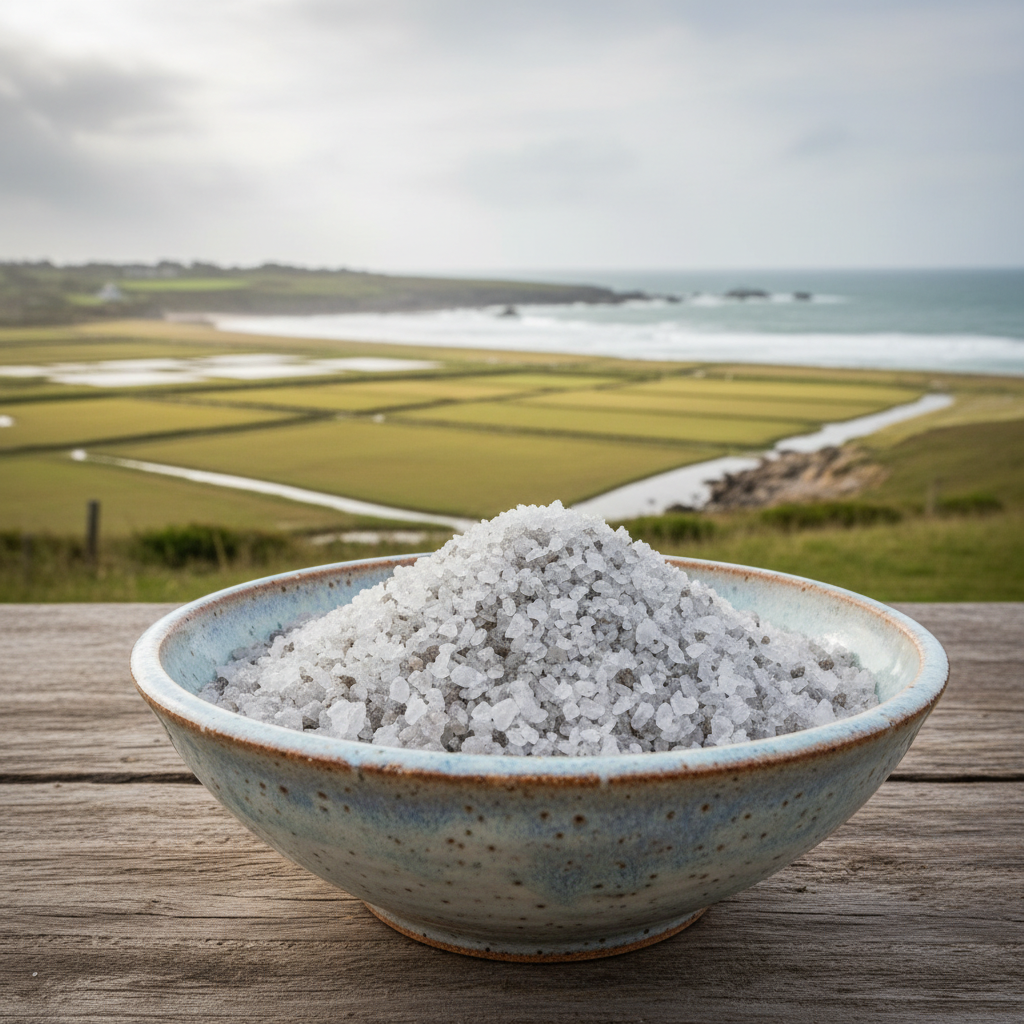
Celtic salt, known in French as sel gris celtique, is one of the most revered and historically significant natural salts in the world. Harvested by hand from the tidal marshes of Guérande in Brittany, France, this remarkable mineral-rich condiment has been collected using the same traditional methods for over a thousand years. Unlike the heavily processed table salt that dominates most kitchen shelves today, Celtic grey salt retains its natural moisture, its characteristic grey hue, and — most importantly — its full spectrum of trace minerals that are stripped away during industrial salt refining. In 2026, as more people around the world become increasingly conscious of what they put into their bodies, understanding how to have Celtic salt as a regular part of your diet and lifestyle has never been more relevant or more rewarding.
The question of how to have Celtic salt is not simply about sprinkling it on food. It encompasses a broader philosophy of nourishment — one that prioritises quality over convenience, tradition over industrial shortcuts, and mineral complexity over sterile uniformity. When you introduce genuine Guérande Celtic grey salt into your cooking and daily wellness routines, you are making a meaningful shift away from the nutritionally hollow white table salt that has dominated Western kitchens for the past century. The grey colour itself tells a story: it comes from the clay-lined salt pans where the salt is harvested, and from the naturally occurring minerals — including magnesium, potassium, calcium, and over 80 additional trace elements — that remain intact because the salt is never bleached, never refined, and never chemically treated. These minerals are not added artificially; they are simply preserved because the salt is left in its natural state.
In 2026, the conversation around dietary salt has evolved significantly. Decades of blanket anti-salt messaging in public health campaigns have given way to a more nuanced understanding: the type of salt you consume matters enormously, and not all salts are created equal. Highly processed sodium chloride — the kind found in most commercial table salt — has been stripped of its companion minerals and is often supplemented with anti-caking agents, flow agents, and synthetic iodine. By contrast, Celtic grey salt from Guérande provides sodium in the company of its natural mineral cofactors, which many nutritionists and culinary professionals believe supports a more balanced mineral intake. This is precisely why knowing how to have Celtic salt — in the right forms, quantities, and applications — has become a topic of genuine interest for home cooks, professional chefs, wellness enthusiasts, athletes, and health-conscious families alike.
There is also a deeply cultural and artisanal dimension to having Celtic salt in your life. The paludiers — the salt workers of Guérande — have maintained their craft across generations, working with the natural cycles of tide, wind, and sun to coax salt crystals from the Atlantic waters. When you use Celtic grey salt, you are participating in a living tradition that predates industrial food production by centuries. This heritage matters in an era when so much of what we eat has been manufactured, optimised, and stripped of its origins. Bringing Celtic salt into your kitchen is an act of culinary mindfulness — a conscious choice to connect with authentic food culture while simultaneously improving the flavour and nutritional quality of every meal you prepare. Understanding how to have Celtic salt properly means appreciating both its practical uses and its deeper significance.
The Complete Guide to How to Have Celtic Salt
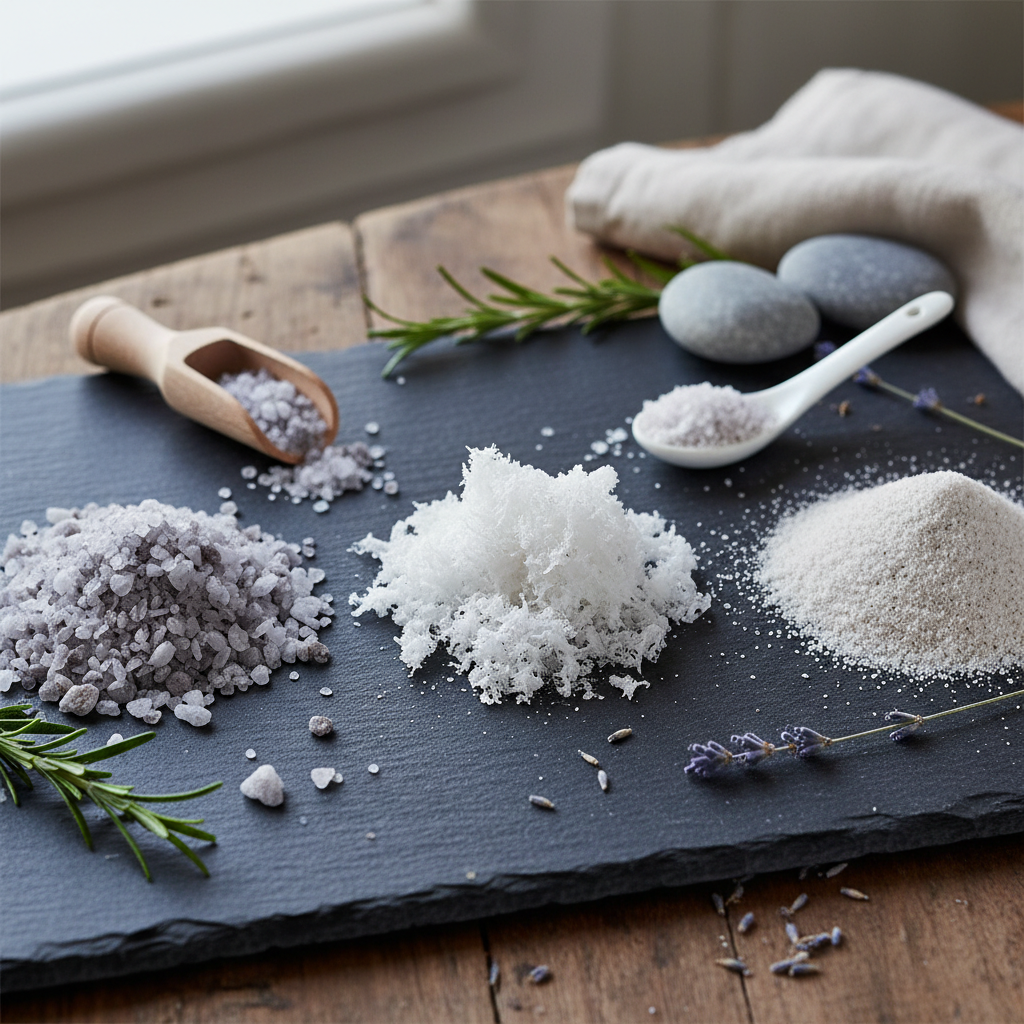
Having Celtic salt in your life begins with understanding its different forms and how each is best suited to particular uses. Celtic grey salt from Guérande is typically available in three main forms: coarse (gros sel), fine (sel fin), and the prized fleur de sel — the delicate flower of salt that forms on the surface of the salt pans under specific weather conditions. Each of these forms has a distinct texture, moisture level, and ideal application, so knowing which to use when is the foundation of incorporating Celtic salt effectively into your cooking and daily routines.
Coarse Celtic grey salt (gros sel) is the most unprocessed form. Its large, moist crystals are ideal for cooking — particularly for boiling pasta, blanching vegetables, brining meats, making pickling solutions, and seasoning large cuts of meat before slow roasting. The coarse crystals dissolve gradually in water, releasing their minerals slowly and evenly. When used in pasta water or stocks, coarse Celtic salt infuses dishes with a depth of flavour that fine processed salt simply cannot replicate. It is also excellent in salt crust cooking — a classic technique where a piece of meat or fish is encased entirely in moistened coarse salt and baked in the oven, resulting in incredibly moist, evenly cooked, and subtly mineral-seasoned food.
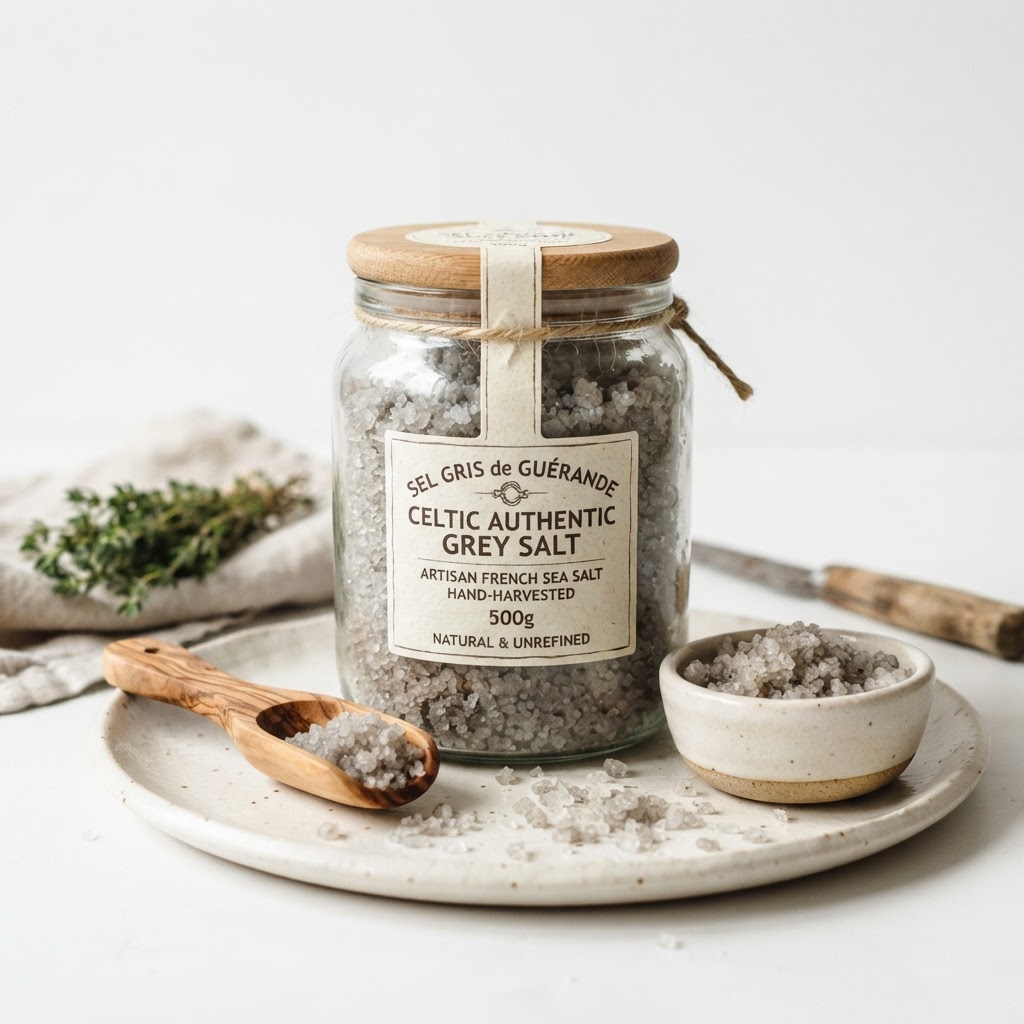
Fine Celtic grey salt (sel fin) is essentially the same salt but ground to a finer grain. It dissolves more quickly, making it practical for everyday seasoning at the table, baking, dressings, marinades, and sauces. Fine Celtic salt is also suitable for those who prefer a more uniform texture in their food. Because it retains its grey colour and moisture content even when ground, it behaves differently from dried fine table salt — it clumps slightly due to its natural moisture, which is a sign of quality rather than a defect. Keep it in a wide-mouthed ceramic or glass jar rather than a conventional salt shaker, and use a small spoon or your fingers to measure and apply it.
Fleur de sel is the jewel of the Celtic salt world. Harvested only in the early morning during warm, sunny days with gentle breezes, fleur de sel forms as delicate, snowflake-like crystals on the surface of the brine. It is skimmed by hand using a wooden rake called a lousse, and because it forms only under ideal conditions, it is produced in much smaller quantities than grey salt. Fleur de sel has a lighter, more complex flavour, a satisfying crunch, and a subtly floral aroma. It should never be used for cooking or dissolved in liquids — its value lies entirely in its texture and freshness. Use it exclusively as a finishing salt: a few crystals on a piece of grilled fish just before serving, scattered over roasted vegetables, pressed into the surface of dark chocolate, or sprinkled onto fresh butter on crusty bread. Learn more about the differences between fleur de sel and grey salt on our blog.
Another increasingly popular way to have Celtic salt is through salt-based wellness practices. A small pinch of fine Celtic grey salt dissolved in a glass of water in the morning is a traditional practice used to support hydration and mineral balance. This is sometimes called a "sole" (pronounced so-lay) when prepared in a more concentrated form — a saturated salt solution made by dissolving salt in water until no more will dissolve, then taking a small teaspoon diluted in a glass of water each morning. While we make no specific medical claims, the mineral content of Celtic grey salt makes it a natural choice for anyone interested in supporting their daily mineral intake through food-based sources. Always consult a qualified healthcare provider before making significant changes to your dietary habits.
Health and Culinary Benefits
The culinary benefits of having Celtic salt in your kitchen are immediately and unmistakably apparent to anyone who makes the switch from industrial table salt. The flavour profile of authentic Guérande grey salt is richer, more complex, and more rounded than refined salt. Where processed sodium chloride delivers a harsh, sharp saltiness that can easily overwhelm food, Celtic grey salt provides a nuanced mineral flavour that enhances the natural taste of ingredients rather than masking them. Chefs who use Celtic salt consistently report that they often need less of it to achieve the same level of seasoning, precisely because its flavour is more complete and satisfying. This mineral complexity comes directly from the cocktail of trace elements naturally present in Atlantic seawater that are retained in the salt.
From a nutritional standpoint, Celtic grey salt is distinguished by its broad mineral profile. In addition to sodium chloride, it contains significant amounts of magnesium — a mineral that plays a role in hundreds of enzymatic processes in the human body and that many people in Western diets are deficient in. It also contains potassium, which works in balance with sodium in the body's fluid regulation systems; calcium, essential for bone health; iron; zinc; iodine in its natural organic form; and a wide array of trace minerals found in Atlantic seawater. It is worth noting that because Celtic grey salt retains its natural moisture (typically around 13% water content), it is naturally lower in sodium per gram than dry refined salt, which means you're getting a more mineralogically diverse product with proportionally less sodium per serving. Explore the full mineral profile of Celtic grey salt in our detailed nutrition guide.
The culinary applications of Celtic salt extend well beyond basic seasoning. In baking, the mineral content of Celtic grey salt interacts with gluten in ways that professional bakers find genuinely different from refined salt. Bread made with Celtic grey salt often has a more complex flavour and a better crumb structure. In fermentation and pickling, the absence of anti-caking agents and iodine (which can inhibit beneficial bacterial cultures) makes Celtic grey salt significantly preferable to commercial salt. Anyone who makes sauerkraut, kimchi, lacto-fermented vegetables, or brined pickles will find that Celtic grey salt produces cleaner, more reliable fermentation results. In cheesemaking, the same logic applies — Celtic grey salt supports natural rind development without interfering with bacterial cultures.
Athletes and active individuals represent a growing segment of those interested in Celtic salt. During intense physical activity, the body loses not just sodium through sweat, but a full range of electrolytes including magnesium and potassium. Replenishing electrolytes with a mineral-complex salt like Celtic grey salt — whether added to a post-workout meal, dissolved in water, or incorporated into a homemade electrolyte drink — provides a more complete mineral replenishment than simply consuming refined sodium chloride. This is increasingly being recognised by sports nutritionists and fitness coaches who recommend whole-food approaches to electrolyte management. Of course, individual needs vary, and athletes should work with qualified professionals to determine their specific electrolyte requirements.
How to Use Celtic Salt — Expert Tips
Knowing how to have Celtic salt means developing a practical, intuitive understanding of when and how to use it at every stage of cooking. Here are expert-level tips drawn from professional culinary practice and traditional Breton wisdom:
Season pasta and cooking water generously with coarse Celtic salt. The classic rule of thumb is that pasta water should "taste like the sea." With Celtic grey salt, this takes on a beautiful literal meaning — you are seasoning your pasta with water that genuinely echoes the mineral richness of the Atlantic. Add a generous tablespoon of coarse Celtic grey salt to a large pot of water before bringing it to a boil. This is one of the most high-impact ways to use the salt, as the pasta absorbs seasoning throughout its cooking process rather than just on its surface.
Use fine Celtic grey salt for all your everyday cooking. Keep a wide-mouthed jar or salt cellar of fine Celtic grey salt next to your stove and reach for it whenever a recipe calls for salt. Use it to season eggs, soups, stews, roasted vegetables, grilled meats, and dressings. Because it dissolves in cooking liquids, it distributes its minerals evenly throughout dishes. You may find that you prefer slightly less of it than you would use of refined salt, since its flavour is fuller.