Hand-harvested Guérande salt · Tracked international delivery included
Guide· by Celtic Salt Editorial Team
How Much Is Celtic Salt
Introduction — Why how much is celtic salt Matters
Understanding how much Celtic salt costs can be an important aspect for health-conscious consumers who prioritize dietary choices that are both flavorful and mindful of wellness. Celtic sea salt, harvested from the pristine waters of Brittany, France, embodies a rich history, tradition, and a distinctive taste that sets it apart from common table salt. Often sought after for its potential mineral benefits and culinary versatility, knowing the price range of Celtic salt can inform your purchasing decisions, budget, and the value you place on high-quality, unrefined salt.
As consumers become increasingly aware of the impact of food quality on overall health, the demand for authentic, traditional food products like Celtic salt is on the rise. The market is flooded with various salt options, each boasting unique characteristics and benefits. However, discerning the quality and the correct price point for Celtic salt requires a deeper understanding of the product itself. Many health-conscious individuals may be tempted to reach for cheaper alternatives, but understanding what affects the cost of salt can help consumers make informed decisions about what they are putting into their bodies.
In this article, we will explore not just the price of Celtic salt, but also its definition, benefits, culinary uses, and advice on what to look for when purchasing it. By gaining insight into the value of Celtic sea salt, you will be better equipped to embrace this flavorful mineral in your daily life.
What Is how much is celtic salt?
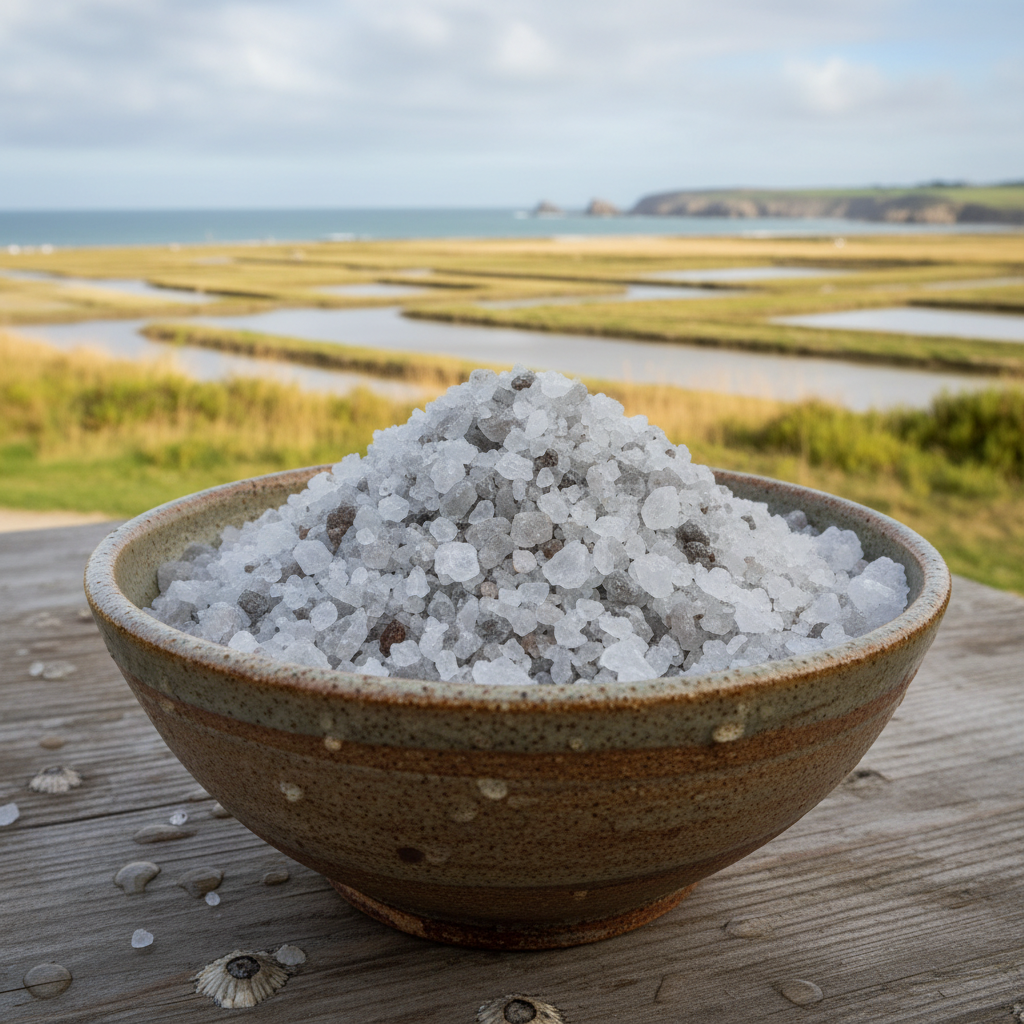
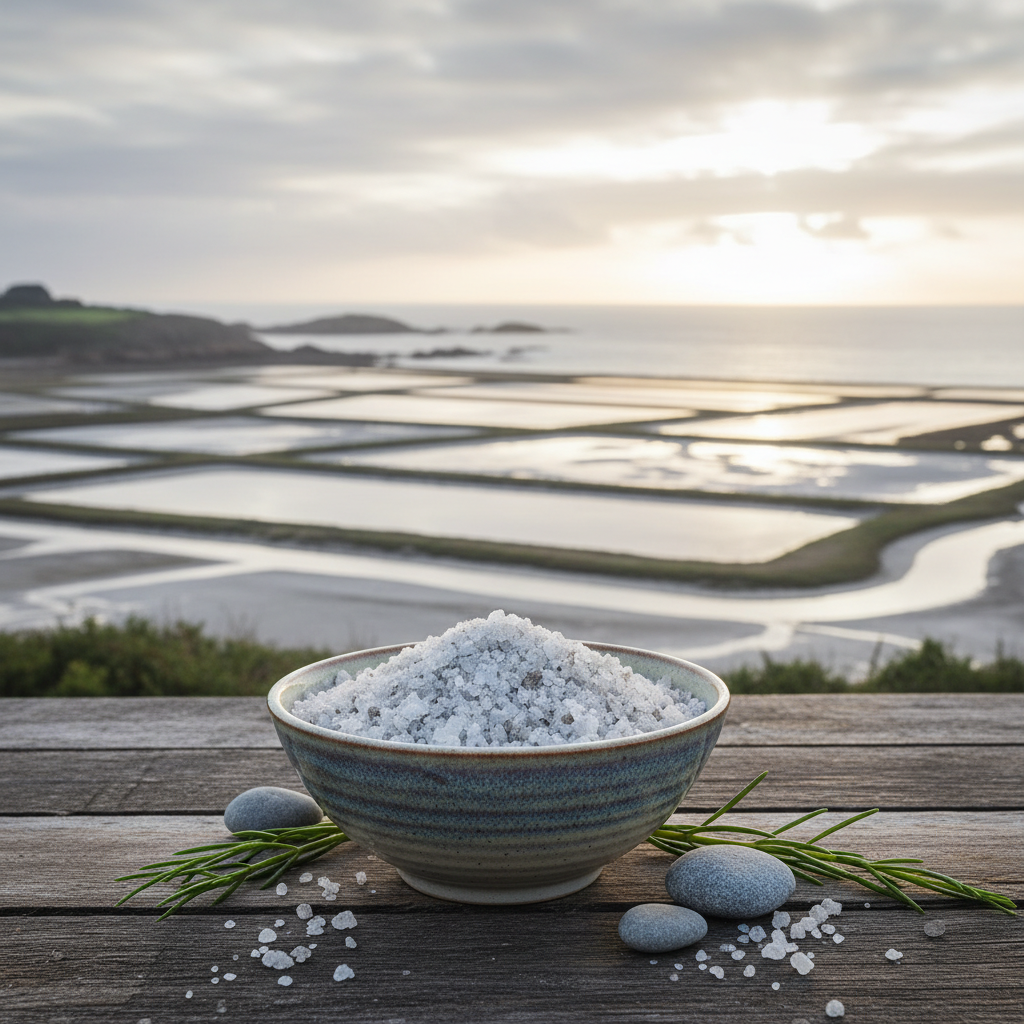
Celtic salt, often referred to as Celtic sea salt, is a type of unrefined salt derived from the coastal regions of Brittany, France, particularly from the Guérande area. Known for its distinctive grey color, this salt is harvested using traditional methods that date back centuries. The process of collecting Celtic sea salt is largely manual, involving the efforts of knowledgeable paludiers, or salt farmers, who utilize wooden tools to rake the salt from salt pans. This artisanal approach not only preserves the mineral content of the salt but also fosters a unique flavor profile that can enhance various dishes.
One of the defining characteristics of Celtic salt is its moisture content. Unlike many processed salts, which are stripped of their natural minerals and are often refined with anti-caking agents, Celtic sea salt retains a natural balance of minerals, including magnesium, calcium, and potassium. These additional trace elements contribute to its notable taste and texture, differentiating it from common table salt. The combination of its origin, the traditional harvesting technique, and its natural mineral content is what lends Celtic salt its distinctive appeal.
While it's essential to understand the nuances of how much Celtic salt typically costs, one must also appreciate the craftsmanship involved in its production. Careful harvesting and processing methods result in a product that is a far cry from the industrialized salts available on supermarket shelves. The price of Celtic salt reflects not only the traditional, artisanal practices involved in its production but also the higher quality of its ingredients compared to refined salts.
Key Benefits and Uses
Celtic salt is often celebrated not just for its flavor but also for a variety of potential benefits. Sourced from the unpolluted waters of Brittany, this unrefined salt may support a healthier lifestyle and is traditionally used as a key seasoning in many culinary applications. Its mineral content could enhance the flavor of dishes while offering a more balanced taste. The grey color of Celtic salt signifies its natural and unrefined state, appealing to health-conscious consumers who prioritize ingredients that are minimally processed.
Many people may use Celtic salt as an everyday seasoning in their cooking. Its ability to elevate dishes like grilled meats, vegetables, and soups showcases its versatility. Simply sprinkling it over raw foods can provide a delightful burst of flavor. Moreover, the potential presence of micronutrients in Celtic salt can complement an overall balanced diet, enriching meals not just with taste but also with additional trace elements.
Beyond the kitchen, Celtic salt is traditionally incorporated into various wellness routines. Although we do not make medical claims, it is important to note that many individuals have found inspiration in using this salt for wellness practices, such as baths or scrubs, to promote relaxation and revitalization. The possibilities extend far beyond simple culinary uses; Celtic salt has entered various lifestyle practices because of its quality and the traditional significance held within its production.
🧂 AUTHENTIC IGP GUÉRANDE SALT
500g / 17.6 oz · Hand-harvested · Brittany, France
In summary, Celtic salt does not just serve a singular purpose; it can be integral to health-conscious cooking, enriching both the palate and the overall culinary experience. As interest in natural and unrefined food products continues to grow, the potential benefits and uses of Celtic salt are becoming increasingly recognized among consumers seeking quality ingredients.
How to Use how much is celtic salt in Your Daily Cooking — Practical Guide
Incorporating Celtic salt into your daily cooking can enhance flavors while promoting a more health-conscious way of eating. Here’s a practical guide to using this unique salt effectively in various culinary applications.
When seasoning meats, for instance, it’s advisable to liberally sprinkle Celtic salt over your chosen cut before cooking. The salt helps to draw out moisture, creating a flavorful crust when grilled or roasted. For perfectly seasoned vegetables, try adding Celtic salt to them while steaming or roasting; it will enhance their natural flavors without overpowering them. A pinch while sautéing greens can bring balance to the dish.
For soups and stews, adding Celtic salt at the beginning helps create a well-rounded flavor profile. Since the salt is unrefined, you may need less than you would use with table salt; start with a small amount and adjust to taste. Additionally, using Celtic salt in salad dressings can add an elevated dimension. Combine it with olive oil, vinegar, and fresh herbs for a bright, flavorful dressing.
Not only can Celtic salt be used during cooking, but it can also serve as a finishing touch. Sprinkling the salt over a finished dish, such as a steak or roasted vegetables, will provide a subtle crunch and amplify flavors. Its distinct texture and moisture content differentiate it from standard salts and contribute to an enjoyable eating experience.
Whether you are marinating, baking, or creating a homemade rub, the uses for Celtic salt are practically endless. Beyond cooking, consider pairing it with artisanal cheeses, fresh fruits, or higher-quality chocolates. The complex taste of Celtic salt can balance the sweetness of fruits and desserts, while also enhancing the enjoyment of gourmet dishes.
This versatility makes Celtic salt an excellent choice for any culinary enthusiast. By learning how to integrate it thoughtfully into your cooking practices, you will not only enjoy its unique flavor but also further appreciate the quality of the ingredients you utilize.
How to Use how much is celtic salt
Celtic salt’s applications extend far beyond the kitchen, playing an important role in a variety of lifestyle practices. When considering how to incorporate this salt into your broader wellness routines, there are several creative methods to explore.
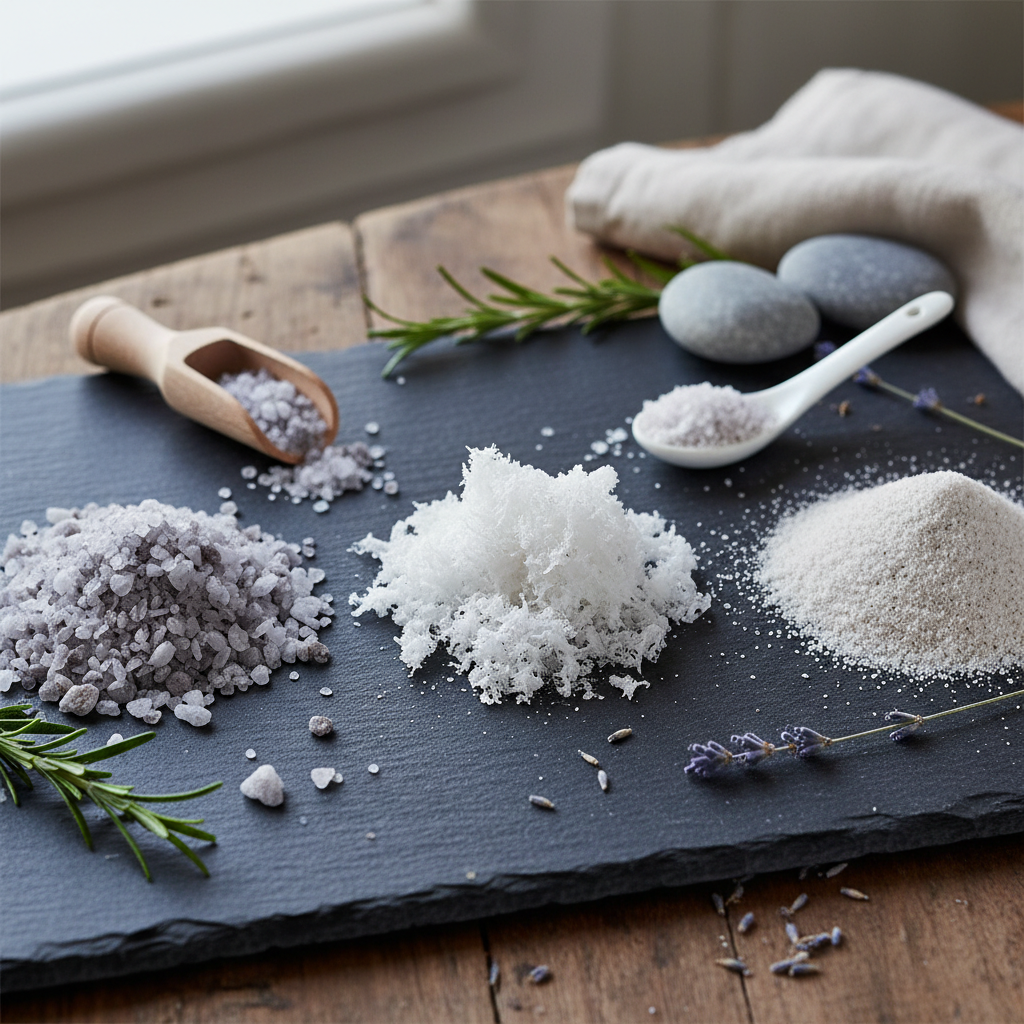
Many individuals find Celtic salt to be a beneficial addition to their skincare regimens. Due to its mineral-rich content, Celtic salt can be used in homemade scrubs or bath soaks. For a rejuvenating scrubbing experience, combine Celtic salt with natural oils like almond or coconut oil, and gently massage into the skin. This process not only exfoliates the skin but also allows for the absorption of minerals.
For those looking to create a relaxing ambiance at home, using Celtic salt lamps or incorporating salt in wellness practices can be a delightful option. Some people aesthetically place these lamps throughout their living spaces, benefiting from the ambient lighting and potential soothing properties. The unique structure of Celtic salt contributes to this use, making it a favored choice among wellness enthusiasts.
You may also consider using Celtic salt in foot baths for relaxation. Dissolve a few tablespoons of salt in warm water and soak your feet for a calming experience, especially following a long day. This practice can aid in relaxation while providing a mini spa experience within the comfort of your home.
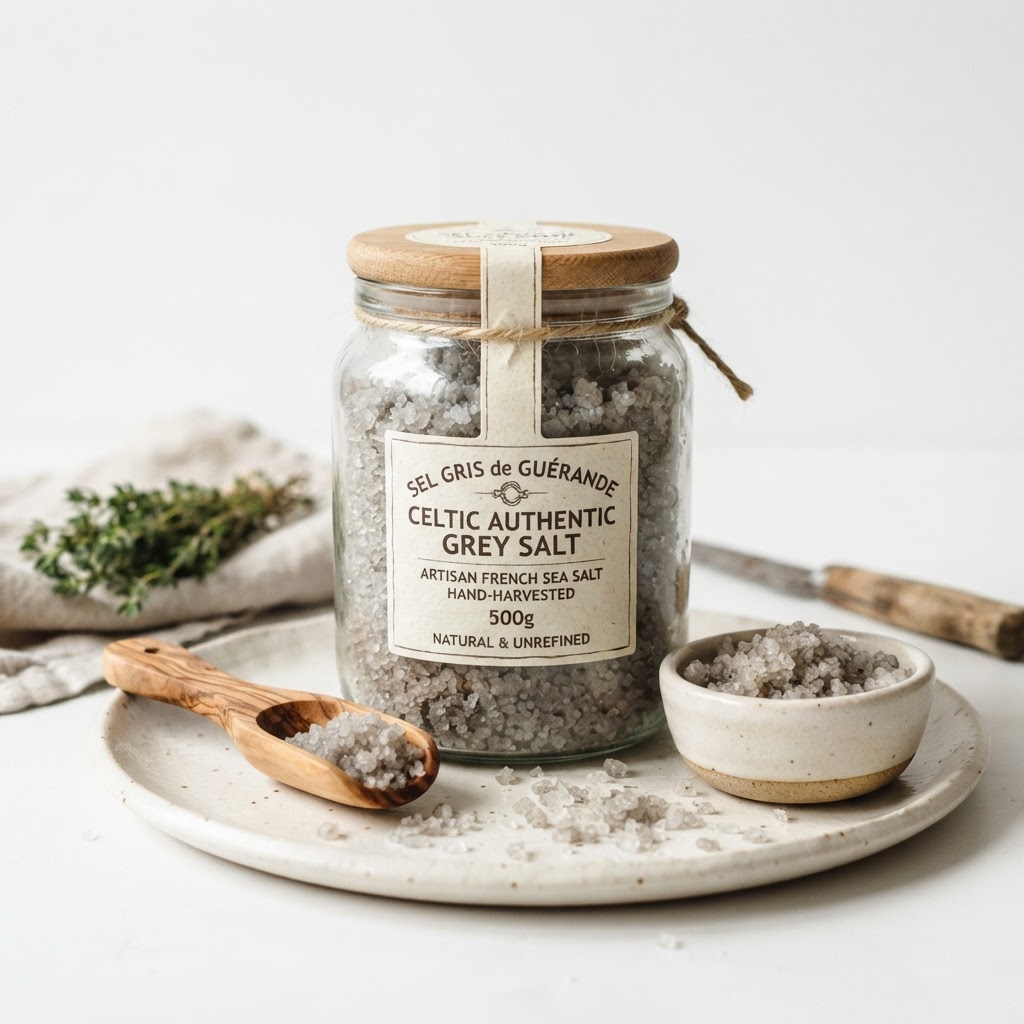
🧂 AUTHENTIC GUÉRANDE CELTIC SALT
Celtic Authentic Grey Salt – 500g / 17.6 oz
Hand-harvested · Unrefined · trace minerals whose levels vary by harvest and product · IGP certified
Beyond skincare and relaxation, Celtic salt’s incorporation into your daily routine exemplifies the holistic approach to health and wellness. Embracing the versatility of this ingredient invites opportunities for self-care, making it a valuable addition to your lifestyle. By exploring various applications of Celtic salt, you can appreciate its unique properties while enhancing your overall well-being.
What to Look for When Buying
When purchasing Celtic salt, it is vital to pay attention to quality indicators that ensure you are obtaining an authentic product reflective of its traditional origins. The most reputable Celtic salt is harvested from the Guérande region of Brittany, France, and often comes with specific certifications, such as the IGP (Indication Géographique Protégée), which denotes geographic protection and authentic production methods.
When inspecting packaging, look for labels that highlight these qualities. Authentic Celtic salt should be gray in color with visible crystals and a slightly moist texture—a stark difference from the dry, white appearance of refined salts. Another indicator of quality is the salt's grain size; high-quality Celtic salt tends to be coarser and less uniform than processed alternatives.
Additionally, avoid products that contain additives or anti-caking agents. Pure Celtic salt should contain only harvested salt, devoid of any extraneous ingredients. Opting for brands that focus on traditional harvesting methods will ensure you are getting a more authentic flavor and mineral profile.
To further ensure you are making an informed purchase, read customer reviews and seek recommendations from those who prioritize high-quality culinary ingredients. By evaluating the sourcing and production standards of the products you are considering, you can make a purchasing decision that aligns with your values regarding health, quality, and taste.
In summary, being well-informed about what to look for when buying Celtic salt can help ensure you enjoy not only its delicious flavor but also its many attributes that align with a health-conscious lifestyle.
Common Questions About how much is celtic salt
What is the average price of Celtic salt?
The price of Celtic salt can vary depending on the source and quality, with an average cost generally ranging from $5 to $15 for a pound. Keep in mind that artisanal, traditionally harvested options may be on the higher end of the spectrum.
Does Celtic salt have any health benefits?
While there are no medical claims associated with Celtic salt, it is often considered a healthier alternative to refined table salt due to its mineral content and unrefined nature. Many consumers appreciate its natural qualities and the culinary depth it brings.
Where can I purchase Celtic salt?
Celtic salt can typically be found in health food stores, specialty food shops, or various online retailers. Always look for products that include IGP certification to ensure authenticity.
Can I use Celtic salt for cooking like traditional table salt?
Yes, Celtic salt can be used in cooking for seasoning, finishing dishes, or creating brines. Its unique texture and flavor can enhance a variety of meals and should be used thoughtfully in recipes.
Is Celtic salt suitable for people with dietary restrictions?
While gluten-free and commonly acceptable for various diets, always consult with a healthcare provider if unsure about specific dietary restrictions involving any food, including Celtic salt.
Conclusion
Understanding how much Celtic salt costs is only one part of the journey toward embracing this remarkable ingredient. By learning about its origins, benefits, and versatile culinary and lifestyle applications, consumers can appreciate the value it brings to their kitchens and lives. From enhancing dishes to fostering wellness routines, Celtic salt serves as a flavorful, unrefined option that aligns with health-conscious choices. In a world where the demand for quality ingredients continues to rise, Celtic salt stands out as a symbol of tradition and authenticity. Whether you’re a culinary enthusiast or someone exploring a balanced lifestyle, the nuances of Celtic salt can enhance both your meals and your overall well-being. Investing in high-quality Celtic salt is an investment in both flavor and health, making it an essential element in the kitchens of those who value quality and wellness.
Celtic Salt — IGP Guérande
Hand-harvested by Breton paludiers. 500g / 17.6 oz jar, unrefined, trace minerals whose levels vary by harvest and product.
Free shipping — standard tracked delivery included