What Is How Much Celtic Salt Per Day and Why It Matters in 2026
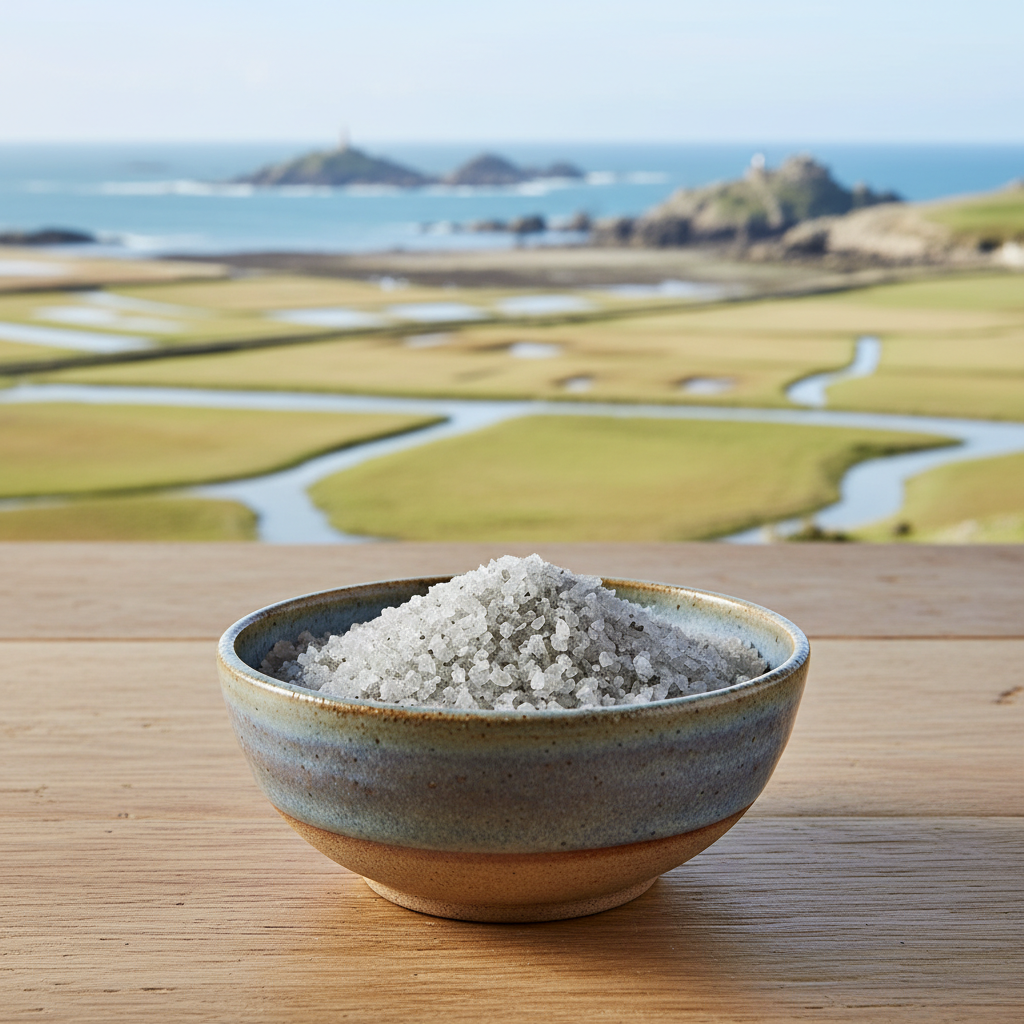
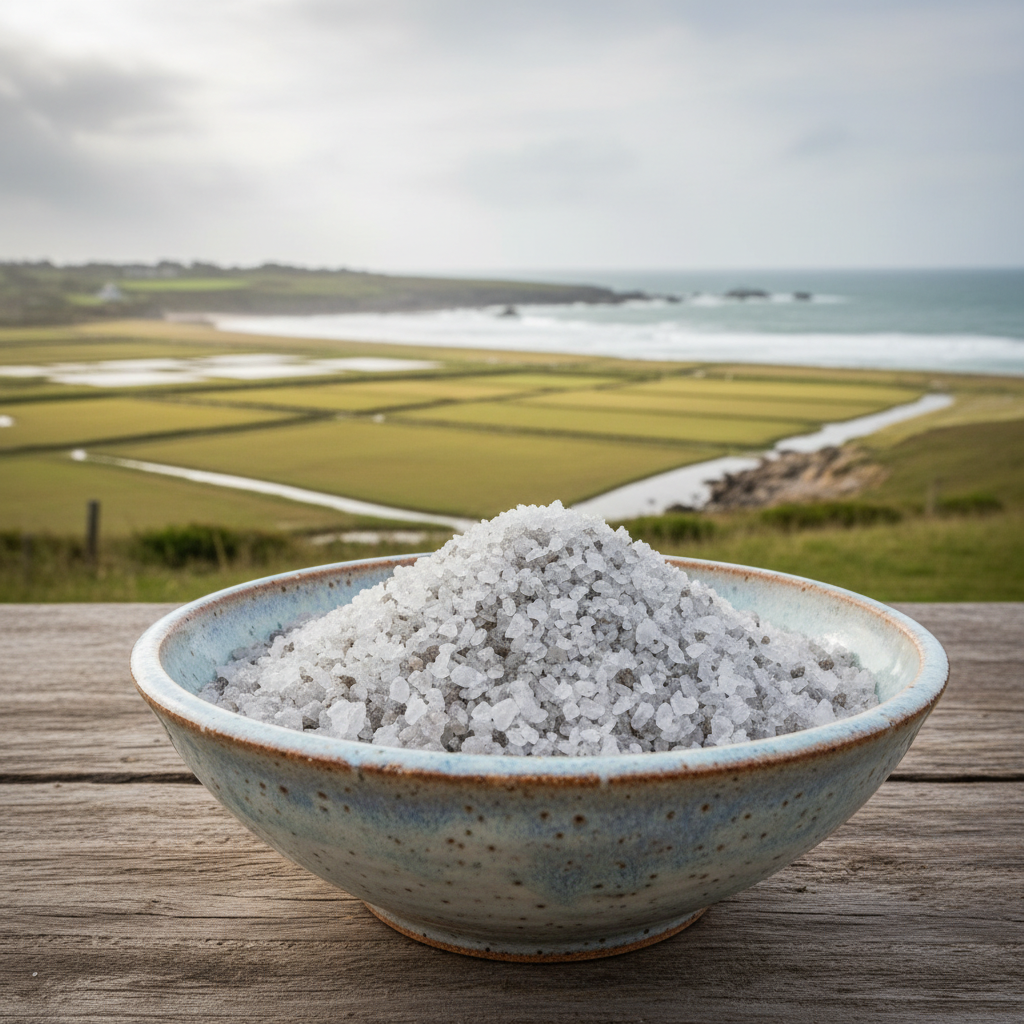
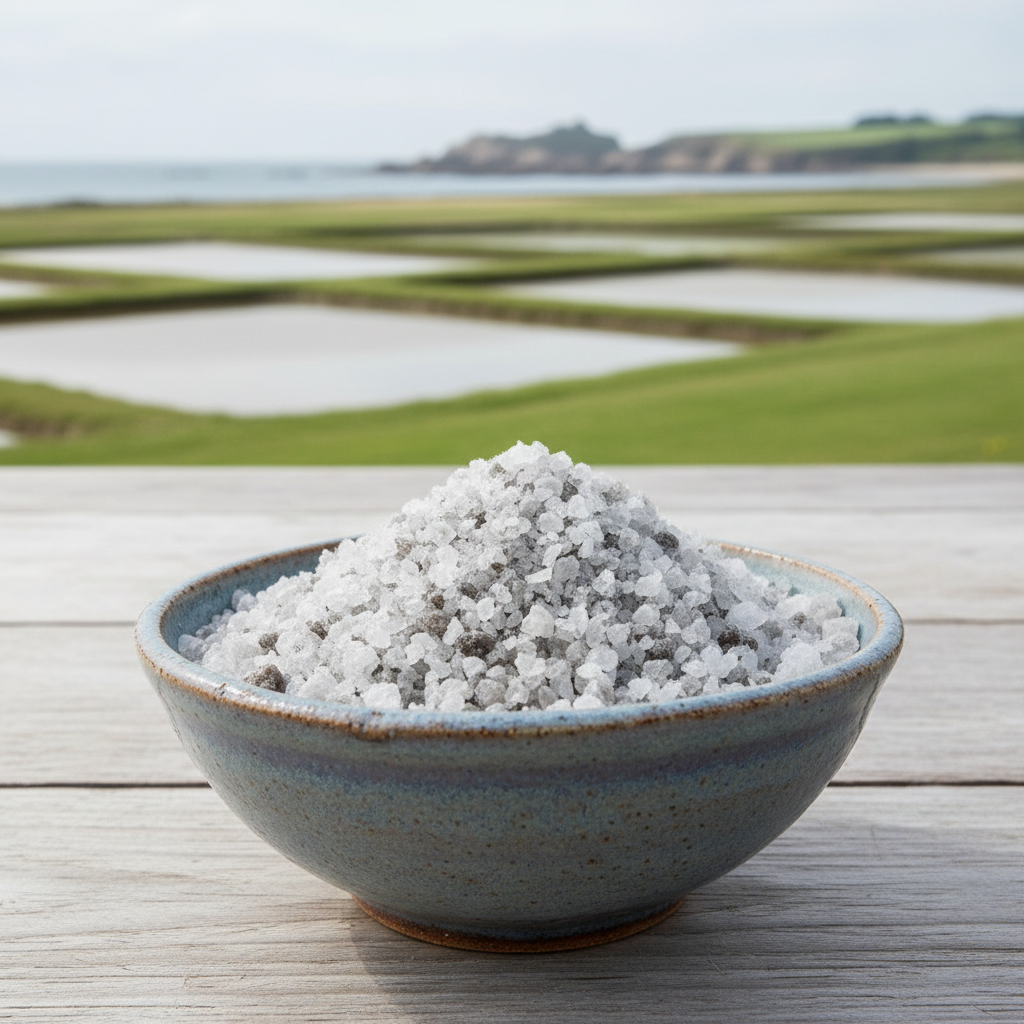
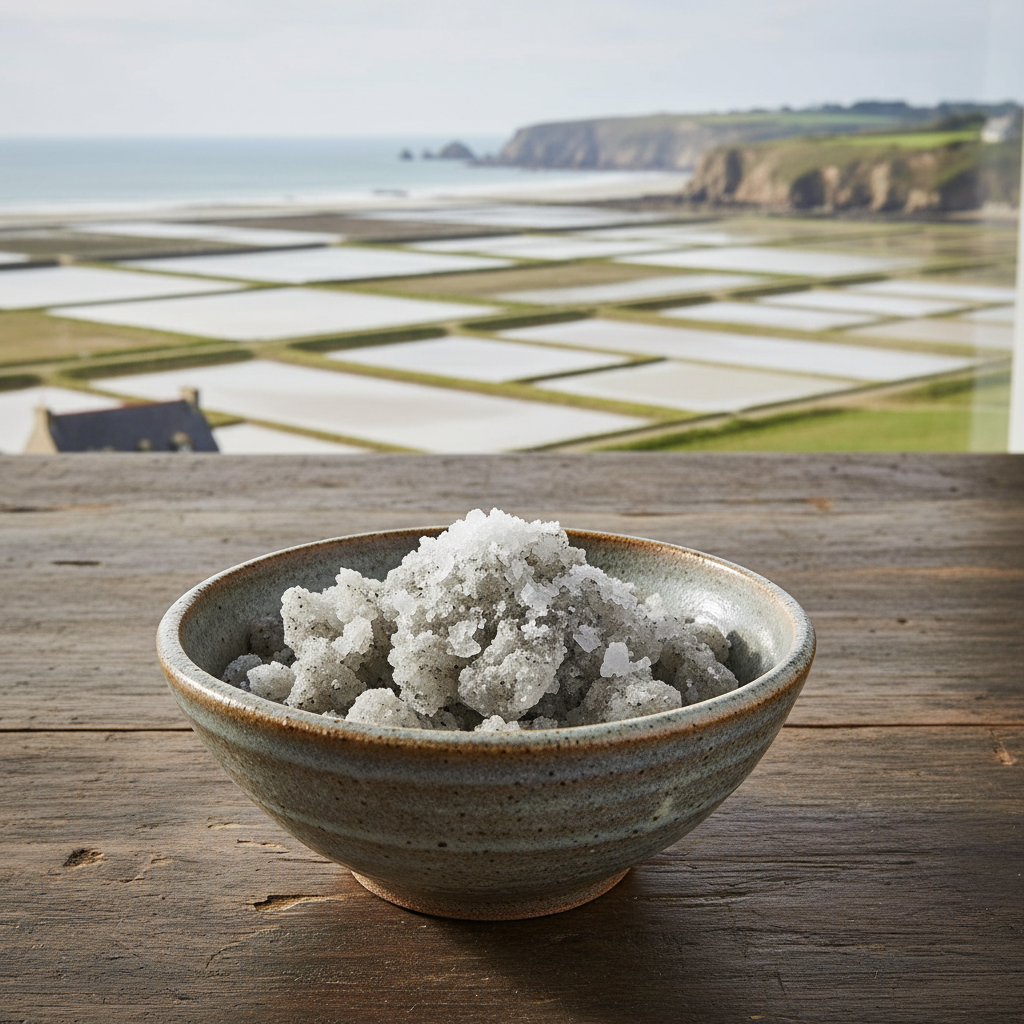
Celtic grey salt, hand-harvested from the pristine tidal flats of Guérande in Brittany, France, is one of the most mineral-rich and traditionally prized salts in the world. Unlike heavily processed table salt, authentic Celtic grey salt retains its natural moisture, its complex mineral profile, and the trace elements that have made it a staple of health-conscious kitchens and holistic wellness routines for centuries. But just how much Celtic salt should you incorporate into your daily diet? This article delves into the right amount of Celtic salt to ensure optimal health benefits while avoiding excess.
The Importance of Salt in Our Diet
Salt, or sodium chloride, is an essential nutrient required for numerous bodily functions, including nerve transmission, muscle contraction, and fluid balance. While salt is often vilified in modern dietary discussions due to its link with hypertension and heart diseases, it is important to recognize that not all salts are created equal.
Celtic salt is rich in trace minerals such as magnesium, calcium, and potassium, which can provide a health boost when consumed in moderation. Understanding the right daily intake of Celtic salt can help you reap its benefits without overindulgence.
Recommended Daily Intake of Celtic Salt
The ideal amount of Celtic salt can vary significantly based on individual dietary needs, lifestyle, and health conditions. However, general guidelines suggest that adults should limit their sodium intake to about 2,300 mg per day, equivalent to one teaspoon of salt. Here’s a breakdown:
| Group | Recommended Daily Intake |
|---|---|
| Adults | 2,300 mg (1 tsp) |
| Pregnant Women | 2,200 mg |
| Children (Age 4-8) | 1,200 mg |
| Individuals with Hypertension | 1,500 mg or less |
For those wishing to incorporate Celtic salt into their diet, starting with a small amount and gradually increasing can be beneficial. This allows for adjustment based on taste preferences and health needs. It is also worth noting that many foods contain natural sodium, so the additional amount from salt should be calculated to avoid excess intake.
Health Benefits of Celtic Salt
Celtic grey salt is acclaimed for its numerous health benefits, attributable to its mineral content. Some key benefits include:
- Mineral-Rich Composition: Unlike refined salts, which lose most of their beneficial minerals during processing, Celtic salt retains a broad spectrum of trace elements that support health.
- Hydration: The moisture content in Celtic salt helps maintain hydration levels in the body, contributing to overall health.
- Electrolyte Balance: The balance of sodium, potassium, and other minerals in Celtic salt can help regulate electrolyte levels, which are essential for muscular and nerve function.
- Digestive Aid: Some studies suggest that natural salts aid in digestion by stimulating saliva and digestive enzymes.
How to Use Celtic Salt in Your Diet
Incorporating Celtic salt into your meals can enhance flavor and provide health benefits. Here are some tips:
- Cooking: Use Celtic salt when cooking to enhance the flavor of your dishes. Its coarse texture allows for a more even distribution when sprinkled on food.
- Salads: Enhance salads by sprinkling a pinch of Celtic salt to bring out the flavors of the fresh vegetables.
- Seasoning: Use it as a finishing salt on grilled meats or roasted vegetables to elevate the flavors.
- Soup and Stews: Add Celtic salt to soups and stews during cooking for a layered taste.
Potential Downsides of Excess Salt
Despite the benefits of Celtic salt, moderation is key. Overconsumption of sodium can lead to health issues:
- Hypertension: High sodium intake can elevate blood pressure, increasing the risk of heart disease.
- Water Retention: Excess salt can cause the body to retain water, leading to swelling and discomfort.
- Kidney Strain: Excess salt can put additional pressure on the kidneys as they work to filter out the sodium.
Always consult with a healthcare provider for personalized recommendations, particularly if you have existing health conditions or dietary restrictions.
Frequently Asked Questions
1. Is Celtic salt healthier than table salt?
Celtic salt is often considered healthier than table salt due to its mineral content and lower processing. However, moderation is essential in both cases.
2. Can I use Celtic salt in baking?
Yes, you can use Celtic salt in baking, but be mindful of the quantity as it may alter the texture and moisture of baked goods.
3. What is the best way to store Celtic salt?
Store Celtic salt in an airtight container in a cool, dry place to maintain its moisture and mineral content.
4. Is Himalayan salt better than Celtic salt?
Both Himalayan and Celtic salts have unique benefits and mineral profiles. The choice between them often comes down to personal preference in taste and texture.
5. How does Celtic salt enhance the flavor of food?
The natural minerals in Celtic salt provide a more complex flavor profile compared to regular table salt, enhancing the taste of dishes.
6. Can too much Celtic salt be harmful?
Yes, consuming too much Celtic salt can lead to health risks like hypertension and kidney strain. It's crucial to monitor your intake.
7. Are there benefits to using Celtic salt in spa treatments?
Some spa treatments use Celtic salt due to its mineral content, which is believed to help with skin hydration and exfoliation.
8. How can I tell if my Celtic salt is authentic?
Authentic Celtic salt typically has a grey hue and moist texture. Check for certifications or sourcing information to ensure its authenticity.
Conclusion
Celtic salt offers a flavorful and mineral-rich alternative to conventional salts. While it can benefit your health when used appropriately, it is crucial to monitor your intake to avoid the potential pitfalls of excessive sodium consumption. As with any dietary changes, consider consulting with a healthcare professional for personalized advice.
For those interested in exploring more about Celtic salt, check out our articles on the benefits of Celtic salt and Celtic salt versus Himalayan salt for a deeper understanding.
For healthy adults with no existing cardiovascular or kidney conditions, a practical and widely supported daily range for Celtic grey salt consumption sits between 3 and 6 grams per day — that's roughly half a teaspoon to just over a teaspoon. This range provides the body with adequate sodium for fluid regulation, nerve transmission, and muscle function, while also supplying a meaningful contribution of magnesium and other trace minerals. For those who cook most of their meals at home and avoid processed foods, this range can often lean toward the higher end without any adverse effect, because the overall dietary sodium load remains well managed.
For athletes, active individuals, and those following low-carbohydrate diets, daily Celtic salt intake may appropriately rise to between 6 and 10 grams per day, or even slightly higher during periods of intense training. Sodium loss through sweat can be substantial — a two-hour training session in warm conditions can result in the loss of 1 to 2 grams of sodium through perspiration alone. Replenishing this with a high-quality mineral salt rather than sodium supplements or sports drinks is not only effective but also provides the additional benefit of co-mineral absorption. A pinch of Celtic grey salt in a glass of water or added to a post-workout meal is a simple and elegant strategy for electrolyte restoration.
Children require less sodium than adults. For children aged 2 to 5, no more than 2 grams of salt per day is recommended. For those aged 6 to 10, the limit rises to approximately 3 grams. Teenagers may consume up to 5 grams, similar to adult guidelines. When seasoning food for children, Celtic grey salt is an excellent choice precisely because its intense, complex flavour means you need less of it to achieve satisfying taste results. Its natural mineral balance also supports healthy development more holistically than refined table salt.
For older adults, the picture is more individualised. Some older individuals may benefit from slightly reduced sodium intake due to changes in kidney function or blood pressure regulation. Others — particularly those on certain medications or those experiencing issues with low blood pressure or fatigue — may actually benefit from maintaining adequate sodium levels. The key principle is to listen to your body, work with a healthcare professional for personalised guidance, and choose quality over quantity. A few grams of authentic Celtic grey salt per day, consumed as part of a balanced whole-foods diet, is a fundamentally different proposition to the same amount of sodium consumed through packaged and processed products.
One of the most important practical points is this: Celtic grey salt is denser in mineral content and more intensely flavoured than refined table salt. This means you naturally tend to use less of it to achieve the same level of perceived saltiness. Its coarser texture and its complex umami undertones mean it elevates food at the table in a way that encourages moderate, mindful use. Many people who switch from refined table salt to authentic Celtic grey salt report that they actually consume less total sodium while feeling more satisfied with the taste of their food — a genuine win-win outcome.
To put these numbers in practical kitchen terms, here is a helpful reference guide:
- A small pinch (two fingers) = approximately 0.3 to 0.5 grams of Celtic salt
- A generous pinch (three fingers) = approximately 0.5 to 0.8 grams
- One quarter teaspoon = approximately 1.2 to 1.5 grams
- One half teaspoon = approximately 2.5 to 3 grams
- One full teaspoon = approximately 5 to 6 grams
Note that because Celtic grey salt retains moisture and is not as finely ground as table salt, its volume-to-weight ratio differs from refined salts. If you are accustomed to measuring by volume rather than weight, it is worth investing in a small kitchen scale to ensure accuracy, particularly when following recipes or when managing your intake carefully for health reasons.
Health and Culinary Benefits
Celtic grey salt is not merely a flavouring agent — it is a complex mineral food that contributes to a range of important physiological functions. Sodium, the primary mineral in any salt, plays an indispensable role in maintaining fluid balance within and around the body's cells. It is a critical cofactor for nerve signal transmission, enabling the electrical impulses that allow the brain to communicate with every organ and muscle in the body. Sodium also supports healthy muscle contraction and relaxation — which is why low sodium levels can contribute to muscle cramps, weakness, and fatigue. When you consume Celtic grey salt as part of a balanced diet, you are providing your body with the foundational electrolyte it needs to function at its best.
The difference a real salt makes: Discover Celtic Grey Salt →
What truly distinguishes Celtic grey salt from its refined counterparts, however, is its remarkable mineral profile. The grey colour of authentic Guérande salt comes from the clay-rich floor of the salt marshes and the rich mineral content absorbed during the slow, natural evaporation process. Magnesium, present in meaningful quantities in Celtic grey salt, is essential for over 300 enzymatic reactions in the human body, including those involved in energy production, protein synthesis, blood sugar regulation, and the functioning of the nervous system. Many people in Western countries are chronically low in dietary magnesium — and incorporating Celtic grey salt into daily cooking is a simple, food-first strategy for increasing magnesium intake from a natural source.
Calcium and potassium, also present in Celtic grey salt, work synergistically with sodium to maintain cardiovascular health and healthy blood pressure. This natural balance of electrolytes is one of the reasons why unrefined salts like Celtic grey salt are often discussed in positive terms within integrative and nutritional health communities. The body appears to process and regulate the sodium from mineral-rich, unprocessed salts more efficiently than isolated sodium chloride, potentially because the accompanying minerals support the physiological pathways involved in sodium metabolism. While it would be inappropriate to make specific medical claims, the evidence base for whole-mineral nutrition is compelling and continues to grow.
From a culinary perspective, the benefits of Celtic grey salt are immediately and unmistakably apparent to any cook who uses it. Its complex flavour — at once briny, subtly sweet, with earthy mineral undertones — transforms food in a way that refined salt simply cannot. It enhances the natural flavours of vegetables, deepens the savouriness of meats, balances the sweetness of baked goods, and elevates the brightness of seafood with extraordinary precision. Because its flavour is more complex and satisfying, dishes seasoned with Celtic grey salt tend to require less adjustment at the table, and the overall eating experience is more pleasurable and complete. This is salt as it was meant to be: a genuine ingredient, not merely a flavour additive.
The moisture-retaining quality of Celtic grey salt also makes it particularly valuable in certain culinary applications. When used to season meat before cooking, its ability to draw out and then redistribute moisture creates a more evenly seasoned, juicier result. When used in bread-making, it contributes to texture, crust development, and fermentation control in ways that processed salts struggle to match. When used as a finishing salt — sprinkled over a completed dish at the table — its slightly moist, irregular crystals dissolve in a burst of complex flavour that provides a genuinely different and superior sensory experience. Explore our expert guide to cooking with Celtic grey salt for detailed culinary techniques and recipe inspiration.
How to Use How Much Celtic Salt Per Day — Expert Tips
Understanding the right daily amount of Celtic salt is only part of the equation. Knowing how and when to use it throughout the day is equally important for maximising both its health benefits and its culinary impact. Here are expert-level strategies for integrating Celtic grey salt into your daily routine thoughtfully and effectively.