Hand-harvested Guérande salt · Tracked international delivery included
GuideJune 24, 2026· by Celtic Salt Editorial Team
Herbs de provence salt blend
What Is Herbs de Provence Salt Blend and Why It Matters in 2026
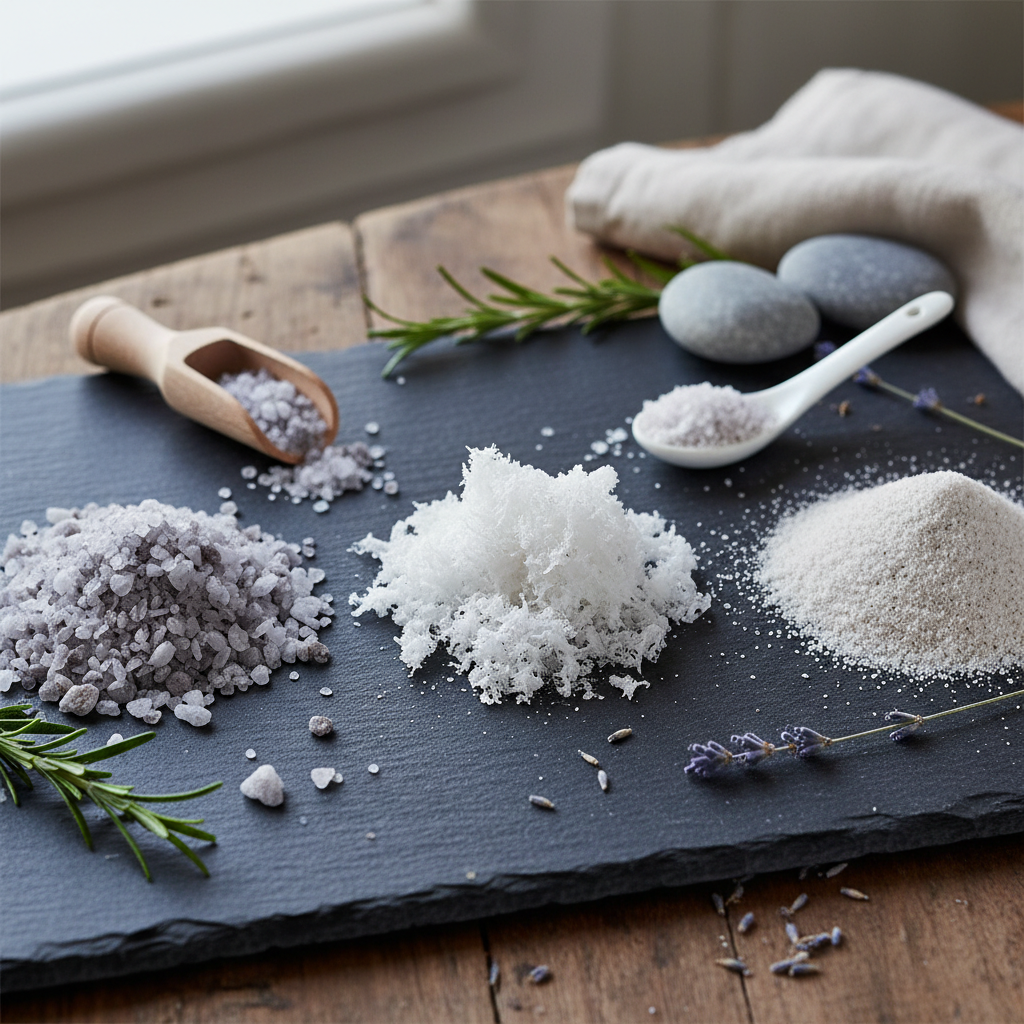
Herbs de Provence salt blend is one of the most beloved and versatile seasoning combinations in the culinary world — a marriage of fragrant southern French dried herbs with the mineral-rich depth of authentic sea salt. At its core, this blend traditionally combines dried lavender, thyme, rosemary, savory, marjoram, oregano, and sometimes fennel seeds or basil, all bound together with quality salt to create a unified seasoning that elevates everything from grilled meats to roasted vegetables. What makes this blend so enduringly popular is not merely the flavor it imparts, but the story it carries: centuries of Provençal culinary tradition distilled into a single jar that can transform an ordinary weeknight dinner into something deeply satisfying and aromatic. In 2026, as home cooks and professional chefs alike continue to embrace clean-label ingredients and artisanal food products, the herbs de Provence salt blend has experienced a remarkable renaissance.
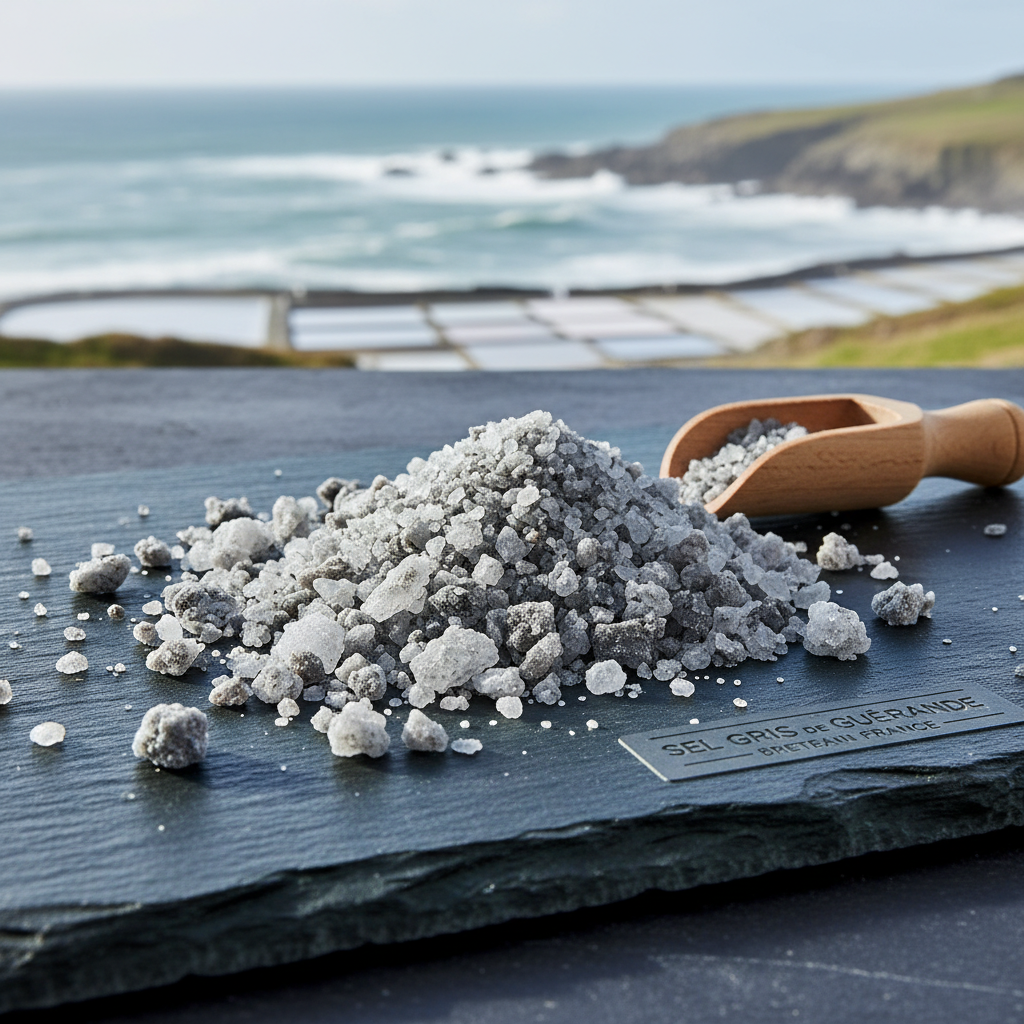
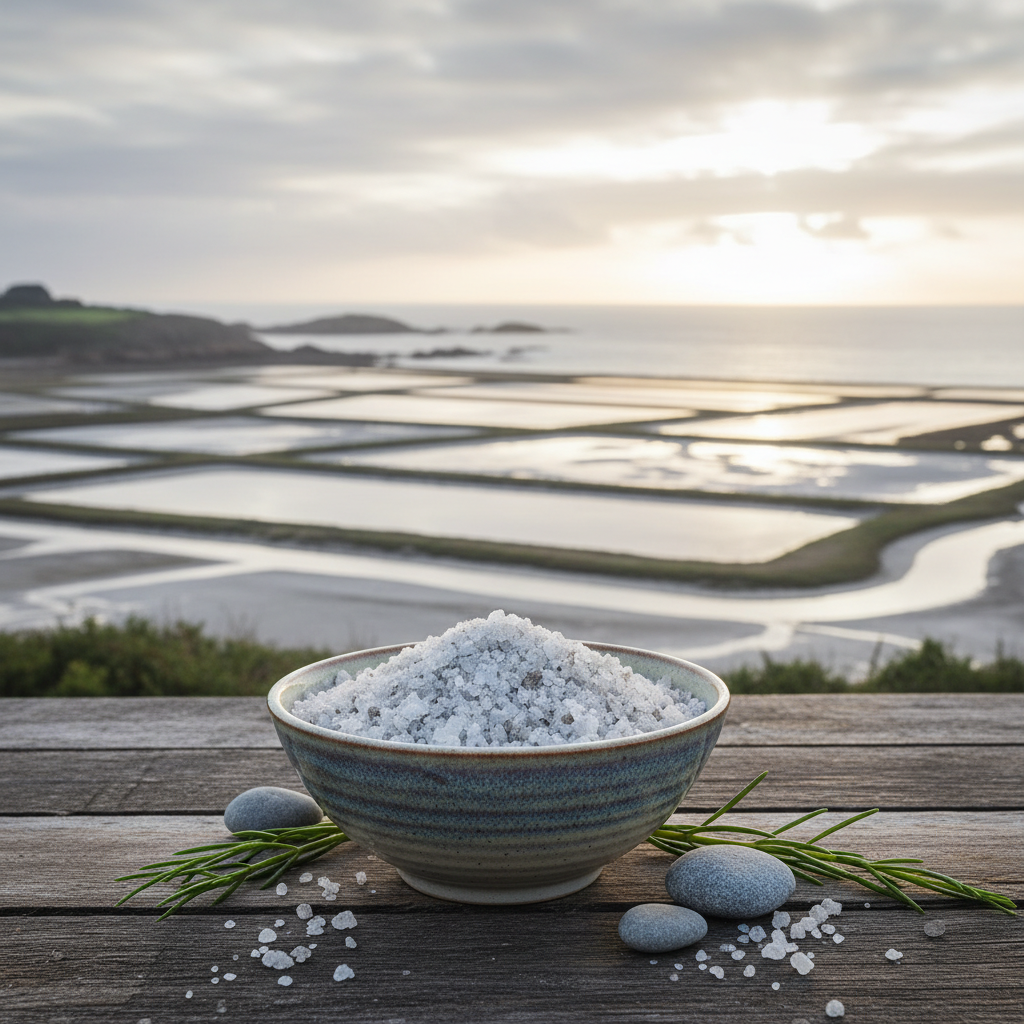
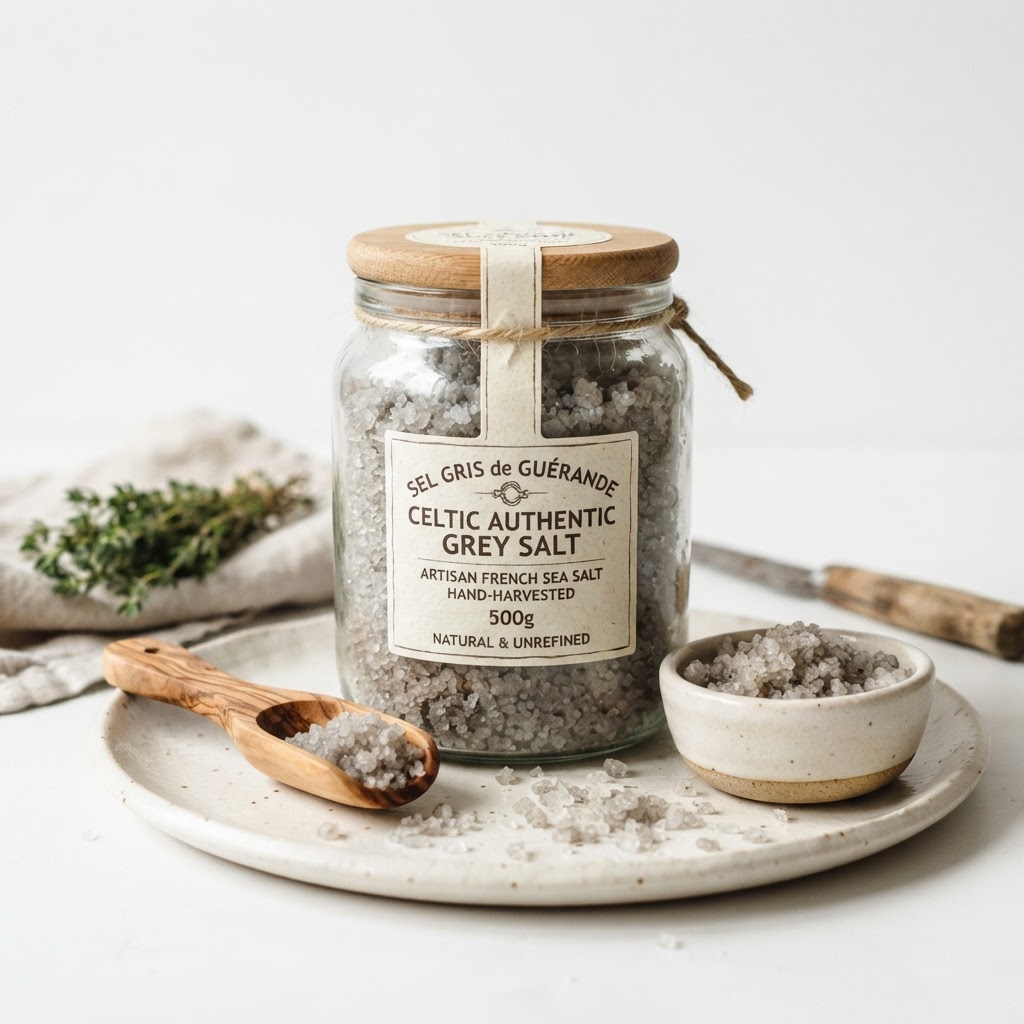
The key to a truly outstanding herbs de Provence salt blend lies in the quality of both its herb component and its salt base. For centuries, cooks across southern France understood intuitively what food scientists have more recently confirmed: the mineral profile of your salt dramatically affects how flavors develop, meld, and linger on the palate. This is why the finest versions of this blend use authentic, unrefined grey salt from Guérande, Brittany — a salt hand-harvested by skilled artisans known as paludiers in the region's ancient tidal marshes. Unlike industrial table salt, which is stripped of its natural minerals and often treated with anti-caking agents, authentic Celtic grey salt from Guérande carries over trace minerals whose levels vary by harvest and product including magnesium, calcium, and potassium. These minerals don't just contribute to nutritional value — they interact synergistically with the aromatic compounds in dried herbs, amplifying and sustaining flavors that ordinary salt simply cannot.
In 2026, the herbs de Provence salt blend matters more than ever because consumers are increasingly skeptical of mass-produced seasonings filled with fillers, artificial flavor enhancers, and unnamed salt sources. The clean food movement has pushed even mainstream shoppers toward transparency, and the result has been a surge of interest in heritage blends made with traceable, certified ingredients. Guérande grey salt carries IGP (Indication Géographique Protégée) certification — a European Union designation that guarantees the product's authentic geographic origin and traditional production method. When this certified salt forms the backbone of a herbs de Provence blend, every pinch carries that guarantee of authenticity. For home cooks investing time and care into their meals, knowing exactly where their seasoning came from — down to the specific salt marshes of Brittany — is no longer a luxury concern but a natural extension of the values they bring to the kitchen.
Beyond its French heritage, the herbs de Provence salt blend has also proven remarkably adaptable across global culinary traditions. Mediterranean cooking has always been influenced by cross-cultural exchange, and the aromatic herb profile of this blend sits comfortably alongside Middle Eastern spice palates, Italian-American classics, and modern fusion cooking. Restaurants in New York, London, Tokyo, and Sydney have embraced it as a finishing salt, a dry rub base, and a table condiment that guests immediately recognize and appreciate. At home, its versatility means that a single jar can season a lamb rack on Sunday, flavor a vinaigrette on Tuesday, and finish a simple bowl of scrambled eggs on a Friday morning. This adaptability, combined with the growing demand for artisanal authenticity, is precisely why herbs de Provence salt blend has secured its place as a 2026 kitchen essential rather than a passing trend.
The Science Behind Herbs de Provence Salt Blend
Understanding why herbs de Provence salt blend tastes so profoundly different from mass-produced herb-salt products requires a brief exploration of flavor chemistry. The aromatic herbs in this blend — thyme, rosemary, lavender, savory, and marjoram — contain volatile organic compounds called terpenes and phenols. Thymol in thyme, rosmarinic acid in rosemary, and linalool in lavender are among the most significant. These compounds are sensitive to their chemical environment: they interact with the ions present in the surrounding salt matrix in ways that can either mute or amplify their aromatic expression. When these herbs are combined with a highly refined salt composed almost entirely of sodium chloride, the flavor profile tends to be sharp and one-dimensional. The herbs announce themselves and then disappear quickly. By contrast, when the salt base contains a broader spectrum of mineral ions — as authentic Guérande grey salt does — the aromatic compounds are supported, balanced, and extended. Magnesium ions in particular are known to support the solubility and volatilization of terpene compounds, which translates directly to a more complex and lasting aromatic experience.
The moisture content of unrefined Celtic grey salt also plays a scientifically fascinating role in herb blends. Unlike dry table salt or even many sea salts that are kiln-dried to achieve a flowing consistency, authentic Guérande grey salt retains natural residual moisture from the Atlantic tidal waters. This slight humidity — which gives the salt its characteristic moist, clumping texture — acts as a gentle preservative for the volatile aromatic oils in the dried herbs. Rather than allowing these oils to fully desiccate and dissipate over time, the slight moisture environment keeps them partially suspended and active. Food scientists studying shelf-life and flavor retention in spice blends have noted that aromatic compounds survive longer and more vigorously when stored in slightly humid salt matrices compared to completely desiccated salt environments. This is why a well-made herbs de Provence blend using grey salt often smells powerfully fresh even months after production, whereas a blend made with ultra-dry refined salt tends to fade noticeably within weeks.
The trace mineral complexity of Guérande grey salt — encompassing over trace minerals whose levels vary by harvest and product — also interacts with the polyphenolic compounds in herbs like rosemary and thyme in ways that have implications beyond flavor. Rosmarinic acid, for example, is a well-documented antioxidant. Its bioavailability and activity can be influenced by the ionic environment in which it is consumed. Calcium and magnesium, both present in meaningful concentrations in authentic Celtic grey salt, are known cofactors in various enzymatic reactions, and their presence in the salt matrix means that the overall nutritional character of the blend is richer than its simple ingredient list suggests. This layered interaction between minerals, aromatic compounds, and polyphenols is what food scientists increasingly refer to as the "matrix effect" — the phenomenon whereby whole, complex natural ingredients produce outcomes that exceed the sum of their individual parts.
Component
Key Compounds
Role in the Blend
Interaction with Celtic Grey Salt
Thyme
Thymol, carvacrol
Warm, earthy backbone flavor
Mineral ions extend aromatic duration
Rosemary
Rosmarinic acid, pinene
Piney, resinous depth
Magnesium supports terpene volatilization
Lavender
Linalool, linalyl acetate
Floral, distinctive Provençal note
Residual moisture preserves floral oils
Savory
Carvacrol, tannins
Peppery, slightly bitter balance
Calcium ions moderate bitter perception
Marjoram
Sabinene, terpinene
Sweet, mild herbal softness
Potassium enhances sweetness perception
Celtic Grey Salt
trace minerals whose levels vary by harvest and product
Flavor binding and amplification
Foundation matrix for all interactions
How to Use Herbs de Provence Salt Blend — Complete Guide
One of the great appeals of a herbs de Provence salt blend is that it functions simultaneously as both seasoning and finishing element — a dual role that simplifies cooking without sacrificing complexity. Understanding how to use it at different stages of cooking, and in different culinary contexts, allows you to extract maximum value from every pinch. The following is a comprehensive guide to getting the most out of this remarkable blend in your kitchen.
Using It as a Dry Rub
For proteins like chicken, lamb, pork loin, or firm fish such as sea bass and salmon, herbs de Provence salt blend makes an exceptional dry rub. Apply it generously to the surface of the protein at least 30 minutes before cooking — ideally one to two hours ahead, or even overnight for larger cuts. The salt component begins drawing moisture from the surface, which then dissolves the salt and herbs into a concentrated brine that is reabsorbed into the meat. This process, sometimes called dry-brining, seasons the protein deeply from within rather than just coating the exterior. A tablespoon of blend per pound of meat is a reliable starting ratio, adjusted to taste. For lamb shoulder or leg — the quintessential Provençal preparation — press the blend firmly into all surfaces, including any incisions made to insert garlic cloves, for a deeply aromatic result.
The floral, herbal complexity of a well-made herbs de Provence blend makes it an outstanding finishing salt — sprinkled over dishes just before serving to add a burst of aroma and flavor. Use it over sliced heirloom tomatoes drizzled with good olive oil, over a creamy burrata, over freshly baked focaccia, or over grilled asparagus spears. The key to successful finishing use is restraint: a small amount applied at the last moment, when the aromatic compounds will hit your nose directly from the plate rather than cooking off. The slightly coarse texture of grey salt-based blends also provides a pleasant textural contrast against soft foods.
In Marinades and Vinaigrettes
Dissolve herbs de Provence salt blend into high-quality olive oil and a splash of white wine vinegar or lemon juice for an instant Provençal marinade or salad dressing. The mineral-rich salt base dissolves readily and carries the herbal flavor evenly throughout the liquid. For a simple vinaigrette: whisk together three parts olive oil, one part white wine vinegar, half a teaspoon of herbs de Provence salt blend, and a small amount of Dijon mustard. Let it stand for five minutes before dressing salad to allow the herbs to bloom in the fat.
Practical Tips for Storage and Use
Store in an airtight container away from direct heat and light — ceramic or dark glass jars are ideal.
Do not store near the stove where steam and heat cycles will degrade the volatile herb oils quickly.
Use a dry spoon every time to prevent moisture introduction that can cause clumping beyond the salt's natural slight humidity.
Toast briefly in a dry pan before adding to long-cooked dishes like braises to amplify aromatic depth.
Combine with butter — soften unsalted butter, blend in a teaspoon of herbs de Provence salt blend per 100g of butter, roll in cling film, and refrigerate for an instant compound butter that transforms grilled steaks, steamed vegetables, or warm bread.
Season pasta water with a small amount for a subtly herbed base that complements Mediterranean pasta sauces beautifully.
Mix into bread dough at a ratio of about half a teaspoon per cup of flour for an aromatic herb bread without the need to add herbs separately.
Benefits of Herbs de Provence Salt Blend Backed by Evidence