Hand-harvested Guérande salt · Tracked international delivery included
Guide· by Celtic Salt Editorial Team
Grey Celtic Salt Uses
What Is Grey Celtic Salt Uses and Why It Matters in 2026
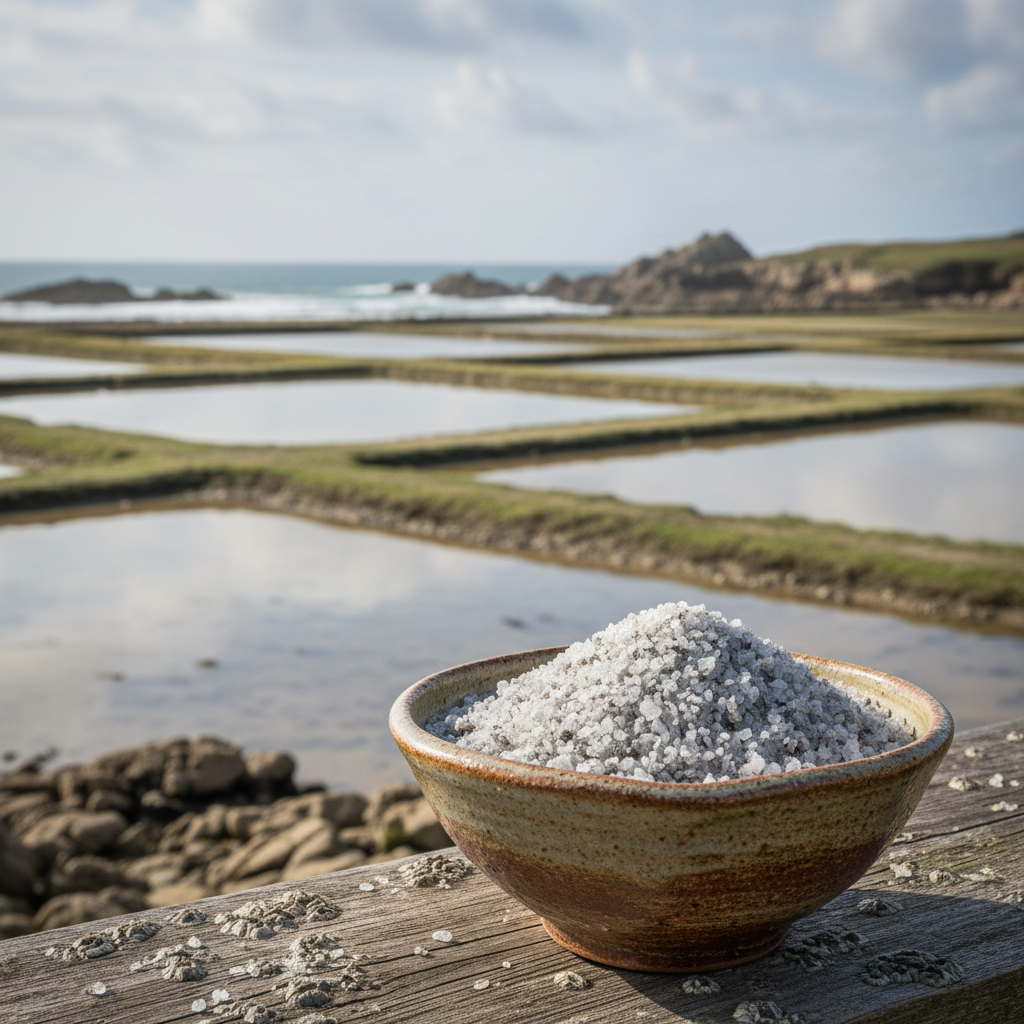
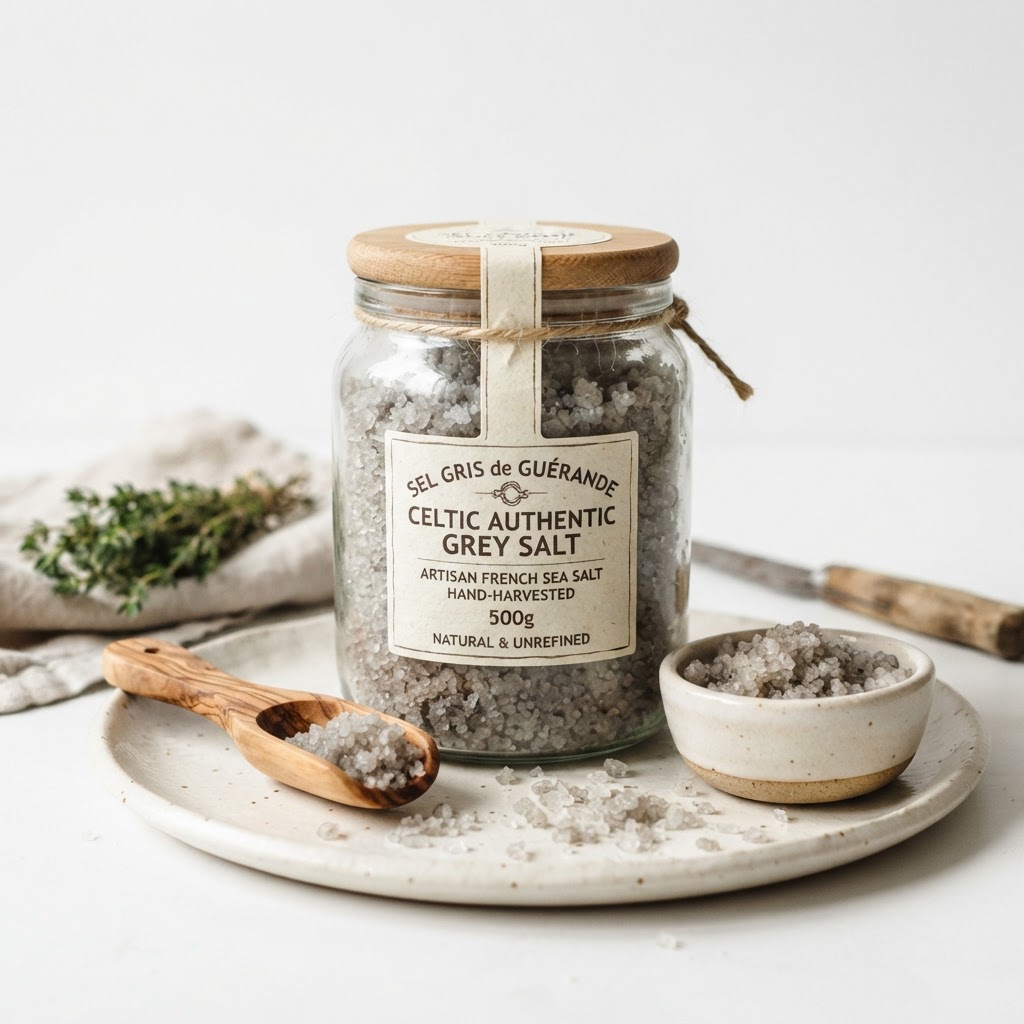
Grey Celtic salt, known in French as sel gris de Guérande, is one of the most treasured artisanal salts in the world. Harvested by hand along the Atlantic coastline of Brittany, France, this ancient mineral-rich salt has been collected using traditional methods for over a thousand years. Unlike refined table salt, grey Celtic salt retains its natural moisture and the full spectrum of trace minerals drawn from the Atlantic Ocean and the clay-lined salt marshes of Guérande. The distinctive grey hue comes directly from those mineral-rich clay pans where the salt settles and matures, absorbing magnesium, potassium, calcium, iron, and dozens of other naturally occurring compounds. Understanding grey Celtic salt uses begins with appreciating what makes this salt fundamentally different from the white, heavily processed salt most people keep on their kitchen shelves. In 2026, as consumers become increasingly conscious of what goes into their food, their bodies, and their wellness routines, the demand for authentic, unrefined salts like grey Celtic salt has never been higher.
The relevance of grey Celtic salt uses in modern life extends far beyond simple seasoning. Chefs at Michelin-starred restaurants across Europe have long favored Guérande grey salt for its complex mineral flavour profile and its unique ability to enhance the natural taste of ingredients without overwhelming them. Home cooks are discovering that a pinch of this coarse, moist salt at the end of cooking transforms dishes in ways that no refined salt can replicate. But the uses of grey Celtic salt stretch into wellness practices, preservation techniques, and even skincare and bath rituals. As people move away from synthetic and heavily processed products in every area of their lives, grey Celtic salt has emerged as a versatile, natural alternative that serves multiple purposes with genuine efficacy. In 2026, this is not a trend — it is a return to wisdom that has existed for centuries along the Atlantic coast of France.
What truly distinguishes grey Celtic salt uses from those of other salts is the mineral complexity and the moisture content inherent in the product. Because grey salt from the Guérande marshes is never kiln-dried or chemically treated, it retains a natural dampness that carries with it an extraordinary array of minerals. This moisture is not a flaw — it is a feature. It means the salt dissolves more evenly across foods, releasing its mineral compounds gradually and creating a more nuanced, layered flavour. When you cook a piece of fish or roast vegetables using grey Celtic salt, the minerals interact with the proteins and sugars in the food during the cooking process, creating depth and complexity that flat, refined salt simply cannot achieve. The natural mineral content also means that grey Celtic salt carries a slightly lower sodium concentration per gram than pure white table salt, which is relevant for those mindful of their sodium intake while still wanting full flavour satisfaction from their meals.
The cultural and historical significance of grey Celtic salt uses cannot be overstated when considering why this product matters so profoundly in 2026. The salt marshes of Guérande — the marais salants — have been tended by salt farmers called paludiers for generations. Their knowledge of tides, wind, sun, and season is passed down through apprenticeship, and the result is a product that is as much a cultural artifact as it is a culinary ingredient. The European Union recognized this heritage by granting Guérande grey salt a Protected Geographical Indication (PGI), confirming that authentic sel gris can only come from this specific region of Brittany. As global awareness of food provenance grows, consumers in 2026 are not just asking what their salt tastes like — they are asking where it comes from, how it was made, and what values are embedded in its production. Grey Celtic salt answers every one of those questions with centuries of tradition, sustainable harvesting, and exceptional quality.
The Complete Guide to Grey Celtic Salt Uses
The practical applications of grey Celtic salt are remarkably broad, and a complete understanding of those uses can genuinely transform the way you cook, eat, and care for your body. At its most fundamental level, grey Celtic salt is a cooking salt — but that description barely scratches the surface. Let us work through the key uses systematically, from the kitchen to the wellness space, so that you can make the most of every grain.
Cooking with Grey Celtic Salt: The most common and celebrated use of grey Celtic salt is as a finishing salt and a cooking salt for all types of cuisine. Its coarse texture makes it ideal for seasoning meats before roasting or grilling, where the large crystals create a mineral crust that seals in moisture and builds a complex outer layer of flavour. Sprinkling grey Celtic salt over a steak or a rack of lamb before it goes into a hot oven produces results that experienced cooks describe as transformative. The salt draws out a small amount of surface moisture initially, then that moisture reabsorbs along with dissolved minerals, effectively brining the surface of the meat in its own juices. For fish and seafood, grey Celtic salt is particularly effective because its mineral profile complements the naturally oceanic flavours of the ingredients — which makes intuitive sense, given that the salt itself comes from the Atlantic.
Baking Applications: Grey Celtic salt uses extend meaningfully into baking, an area where many home bakers have not yet explored the potential of artisanal salts. Using grey Celtic salt in bread dough contributes not just saltiness but mineral complexity that gives sourdough and rustic loaves a depth of flavour that refined salt cannot match. Many professional bakers use a slightly coarser grind of grey salt on top of focaccia, flatbreads, and pretzels before baking, where the crystals remain partially intact and create little bursts of intense, mineral-rich salt flavour. In pastry and chocolate work, a pinch of grey Celtic salt added to caramel, chocolate ganache, or butter-based doughs creates the classic sweet-salty balance that has become a hallmark of sophisticated modern patisserie. The mineral content of the salt interacts with sugar in interesting ways, softening bitterness and amplifying sweetness simultaneously.
Preservation and Pickling: One of the oldest grey Celtic salt uses is in food preservation. Before refrigeration, salt was the primary means of preserving meat, fish, and vegetables, and the high mineral content of grey Celtic salt made it particularly effective for this purpose. Today, home preservation enthusiasts and professional charcutiers continue to use grey Celtic salt for curing meats, fermenting vegetables, and making traditional brines for pickles. The natural mineral compounds in grey salt support the fermentation process in lacto-fermented vegetables by creating an environment that encourages beneficial bacteria while inhibiting harmful microorganisms. When making sauerkraut, kimchi, or fermented pickles, using an unrefined salt like grey Celtic salt rather than iodized table salt is considered essential by serious fermenters, because added iodine can inhibit the cultures needed for successful fermentation.
Seasoning Grains, Legumes, and Vegetables: Grey Celtic salt uses shine particularly brightly when it comes to cooking grains and legumes. Adding grey Celtic salt to the water when cooking rice, lentils, chickpeas, or pasta seasons the food from the inside out, resulting in a more complete and satisfying flavour throughout the dish. For roasted vegetables, tossing them with olive oil and a generous amount of coarse grey Celtic salt before roasting creates caramelized, mineral-rich edges that elevate even the simplest vegetables — a sheet pan of roasted carrots, potatoes, or cauliflower becomes something remarkable when seasoned well with grey salt. The moisture retained in the salt crystals also helps vegetables release their natural sugars during roasting, contributing to better caramelization and deeper colour.
Wellness and Body Care Uses: Beyond the kitchen, grey Celtic salt has a rich tradition of use in wellness practices. Salt baths using grey Celtic salt have been used in European spa culture for centuries, and the practice remains popular today. Dissolving several tablespoons of grey Celtic salt into a warm bath creates a mineral-rich soak that many people find deeply relaxing. The minerals in the salt — particularly magnesium — are believed to be absorbed transdermally during bathing, though the primary benefit most people notice is the soothing, softening effect on the skin. Salt scrubs made from grey Celtic salt mixed with a nourishing oil such as coconut oil, sweet almond oil, or jojoba oil make effective and luxurious exfoliating treatments that remove dead skin cells while depositing minerals onto the skin surface. Many people also use grey Celtic salt as a component in homemade foot soaks, where the mineral-rich brine softens calluses and soothes tired feet.
For more details on how to incorporate this extraordinary ingredient into your daily cooking, explore our guide on how to cook with Celtic salt, where you will find recipe-specific advice and tips from professional chefs who work with Guérande grey salt regularly.
Health and Culinary Benefits
Grey Celtic salt offers a distinctive nutritional and culinary profile that sets it apart from processed alternatives. It is important to note that while we can discuss the mineral content and culinary properties of grey Celtic salt, we are not making medical claims. What we can say is that the trace mineral richness of authentic grey Celtic salt from Guérande represents a meaningful difference from the sodium chloride that constitutes virtually all refined table salt.
Standard refined table salt is approximately 97–99% sodium chloride, with the remainder being anti-caking agents and, in some countries, added iodine. Grey Celtic salt, by contrast, typically contains around 84–87% sodium chloride, with the remaining percentage comprising a wide variety of naturally occurring trace minerals including magnesium, potassium, calcium, sulfur, iron, manganese, zinc, and many others. These minerals are present in relatively small amounts, but they are present in their natural, bioavailable forms as found in seawater and Atlantic clay — not as synthetic additives. The lower sodium chloride concentration means that grey Celtic salt is, gram for gram, slightly less sodium-dense than table salt, which is a consideration for those monitoring their sodium intake.
From a culinary benefit perspective, the mineral complexity of grey Celtic salt directly influences its flavour. Magnesium compounds contribute a subtle, pleasant bitterness that balances sodium's sharpness and prevents the salt from tasting harsh or one-dimensional. Potassium adds a slight roundness and depth. The result is a salt that professional tasters describe as having a more oceanic, full-bodied character than refined salt — it tastes like the sea, complex and layered rather than simply sharp. This means that food seasoned with grey Celtic salt often requires less total salt to achieve a satisfying flavour, because each crystal delivers a more complete sensory experience. Many cooks who switch from refined salt to grey Celtic salt report using measurably less salt overall while being more satisfied with the flavour of their food.
The moisture content of grey Celtic salt is another factor with practical culinary implications. Because the salt is moist, it tends to adhere more readily to the surface of foods — when you press grey Celtic salt onto a piece of meat or fish, it sticks rather than rolling away, which means more of the salt actually ends up seasoning the food rather than falling off onto the cutting board. This adherence also means the salt begins interacting with the food's surface immediately, drawing out small amounts of moisture and beginning the seasoning process before cooking even starts. For grilling and roasting, this is particularly advantageous, as it allows a genuine dry brine effect even when you are not planning hours in advance.
Grey Celtic salt also plays a positive role in the context of gut health and digestion from a culinary perspective. When used in fermented foods — which, as mentioned above, is one of its classical uses — unrefined grey Celtic salt supports the proliferation of beneficial lactic acid bacteria without the interference caused by iodine additives. Fermented vegetables made with grey Celtic salt, such as traditional sauerkraut or naturally fermented pickles, are rich in beneficial bacteria that support digestive health. The salt creates the necessary anaerobic, saline environment for fermentation while contributing its own mineral richness to the finished product. You can learn more about this topic in our detailed article on Celtic salt and fermentation.
How to Use Grey Celtic Salt Uses — Expert Tips
Knowing that grey Celtic salt is superior is one thing — knowing exactly how to use it to maximum effect is another. Here are expert-level practical tips for making the most of grey Celtic salt in every context.