Hand-harvested Guérande salt · Tracked international delivery included
Guide· by Celtic Salt Editorial Team
Gray Celtic Salt
What Is Gray Celtic Salt and Why It Matters in 2026
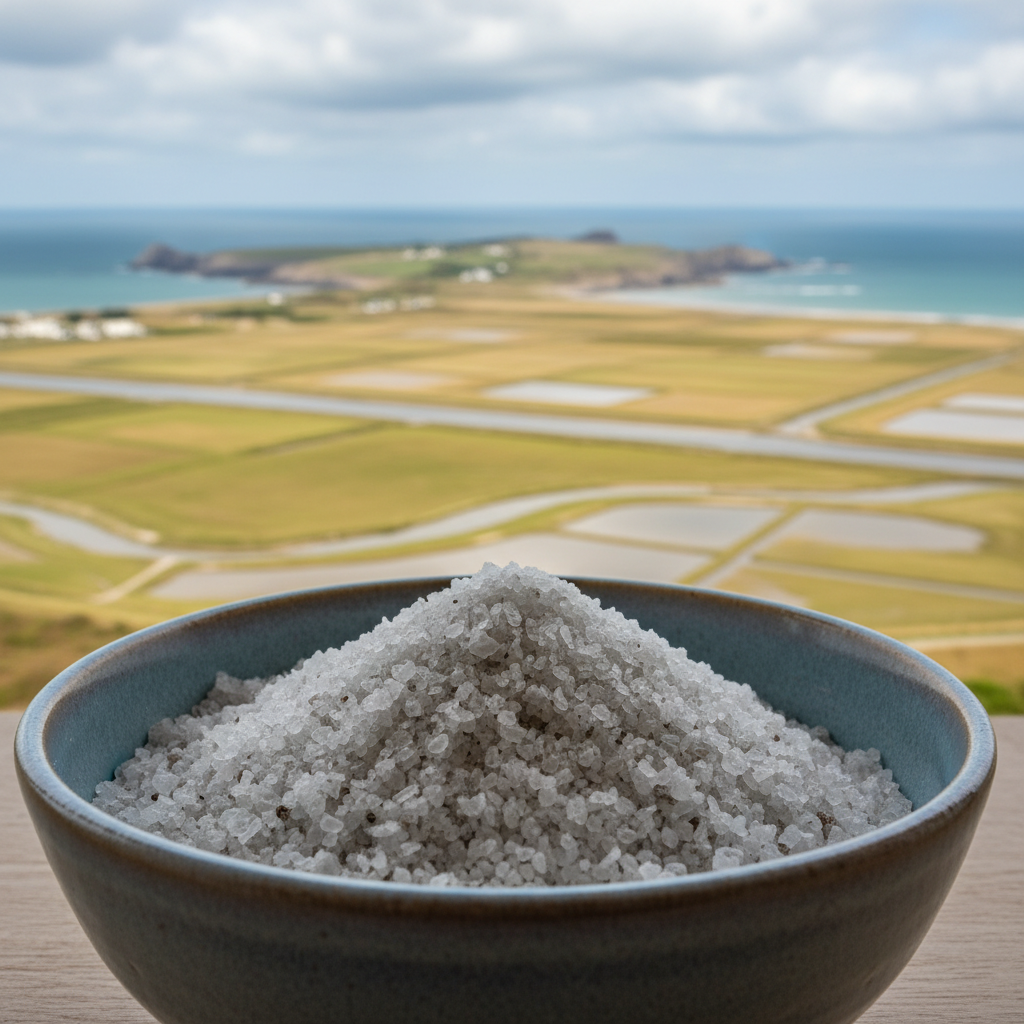
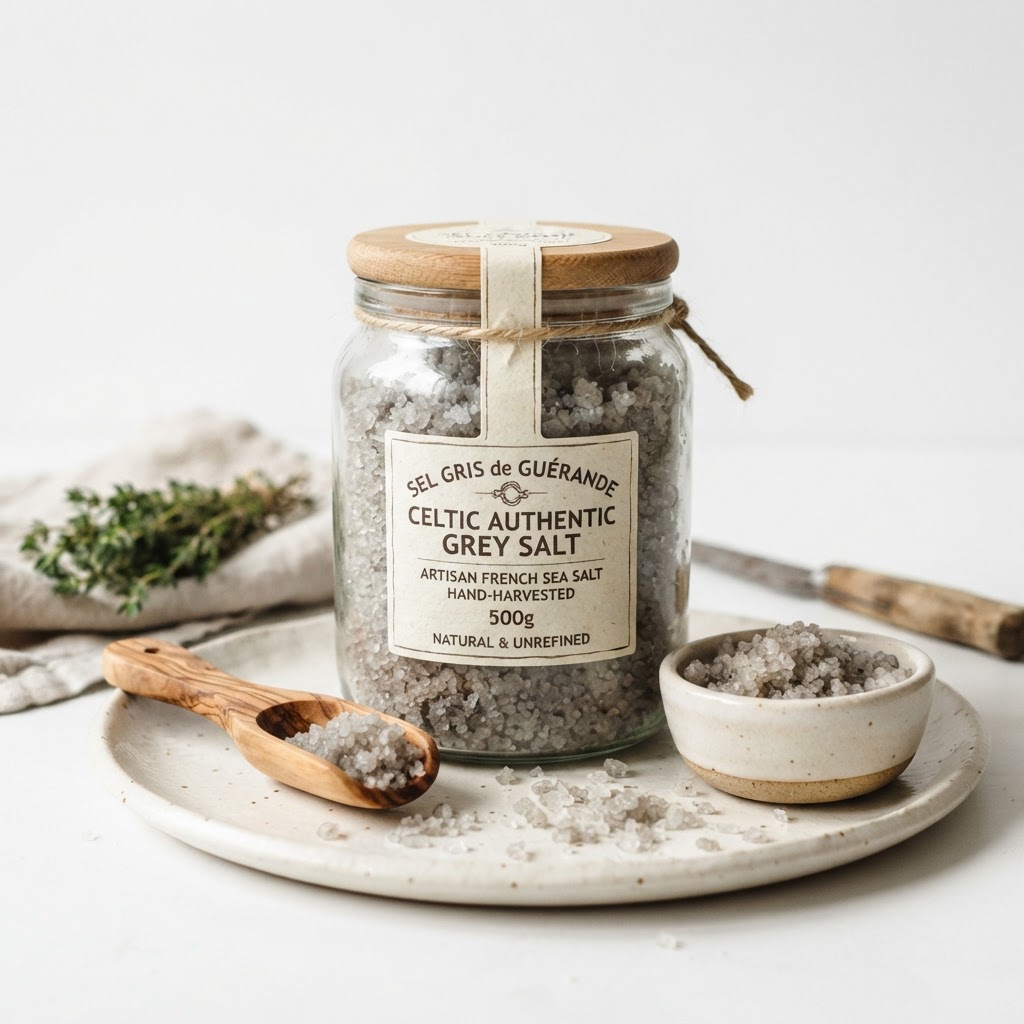
Gray celtic salt is one of the most remarkable and historically significant natural salts available to modern consumers and culinary professionals alike. Harvested by hand from the ancient salt marshes of Guérande in the Brittany region of northwestern France, this exceptional salt has been produced using virtually unchanged methods for over a thousand years. Its distinctive gray color is not a flaw or impurity — it is, in fact, the very signature of its authenticity and mineral richness. The color comes from the clay-lined salt pans where seawater slowly evaporates under the Atlantic sun and coastal winds, allowing the salt crystals to form naturally while absorbing a complex spectrum of trace minerals from the earth and sea. This is what separates gray celtic salt from the bleached, heavily processed table salts that dominate supermarket shelves around the world.
In 2026, as consumers become increasingly informed about the relationship between food quality and long-term wellbeing, interest in traditionally harvested, minimally processed ingredients has never been stronger. Gray celtic salt sits at the intersection of culinary excellence, ancestral food wisdom, and modern nutritional awareness. People are moving away from ultra-refined products and seeking out ingredients that retain their natural integrity — and gray celtic salt delivers exactly that. Unlike refined table salt, which is stripped of its natural mineral content and then artificially fortified with iodine and anti-caking agents, gray celtic salt contains over trace minerals whose levels vary by harvest and product and elements, all of which are present in the proportions found in the pristine Atlantic seawater from which the salt originates. This is a product shaped by geology, climate, and centuries of accumulated human knowledge.
The Guérande peninsula, where authentic gray celtic salt is produced, is a UNESCO-recognized region whose salt marshes — known locally as marais salants — represent a living cultural and ecological heritage. The paludiers, or salt farmers, who work these marshes follow strict artisanal protocols that have been passed down through generations. They use wooden tools to avoid contaminating the salt with metal, they harvest by hand using a traditional rake called a las, and they work in harmony with the tidal rhythms and seasonal weather patterns of the Atlantic coast. This level of care and craft is simply not replicated in industrial salt production, where machines, chemicals, and high-heat processing eliminate not only the labor but also the natural complexity that makes gray celtic salt so prized. When you use gray celtic salt in your kitchen, you are participating in an unbroken chain of tradition stretching back to the Celtic peoples who first recognized the value of these marshes.
The relevance of gray celtic salt in 2026 extends well beyond nostalgia or culinary fashion. Scientific interest in the role of trace minerals in human nutrition has grown significantly over the past decade, and researchers are increasingly pointing to the widespread deficiency of magnesium, potassium, calcium, and other micronutrients in modern diets. Gray celtic salt, with its naturally moist texture and rich mineral profile, offers a simple and delicious way to reintroduce some of these elements into everyday meals. While no responsible source should make specific medical or therapeutic claims, the nutritional complexity of gray celtic salt compared to stripped table salt is well documented and widely acknowledged by nutritionists, chefs, and food scientists. As we move deeper into an era defined by conscious consumption, gray celtic salt represents a choice that is simultaneously ancient and urgently contemporary.
The Complete Guide to Gray Celtic Salt
Understanding gray celtic salt fully requires a closer look at exactly how it is made, what it contains, and how it differs from other salts on the market. The production process begins with the channeling of Atlantic seawater into a network of interconnected shallow basins within the salt marshes of Guérande. These basins are engineered with remarkable sophistication — each one serves a specific purpose in the gradual concentration of the brine as it moves from the outer collection pools toward the inner crystallization pans, called oeillets. As the brine concentrates under the action of sun and wind, salt crystals begin to form. The paludier monitors this process daily, adjusting water flows and watching the weather, because the quality of the harvest depends entirely on natural conditions. No artificial heat, no chemical processing, and no mechanical interference takes place during this phase.
What makes gray celtic salt gray is the natural interaction between the crystallizing salt and the clay substrate of the salt pan floor. The Guérande marshes sit on a bed of ancient marine clay that is rich in iron, magnesium silicate, and other minerals. As the salt crystals settle to the bottom of the pan and are raked up by the paludier, they carry with them microscopic particles of this clay, which impart the characteristic gray hue. This clay also contributes to the salt's naturally moist texture — gray celtic salt retains a small amount of moisture, typically between 5% and 10%, which gives it a slightly clumping quality and a more complex mouthfeel than dry, refined salts. This moisture is not a sign of poor quality; it is, again, a hallmark of authenticity. Any gray celtic salt that is bone dry has likely been further processed or dried artificially, which compromises its mineral content and defeats the purpose of choosing a natural product.
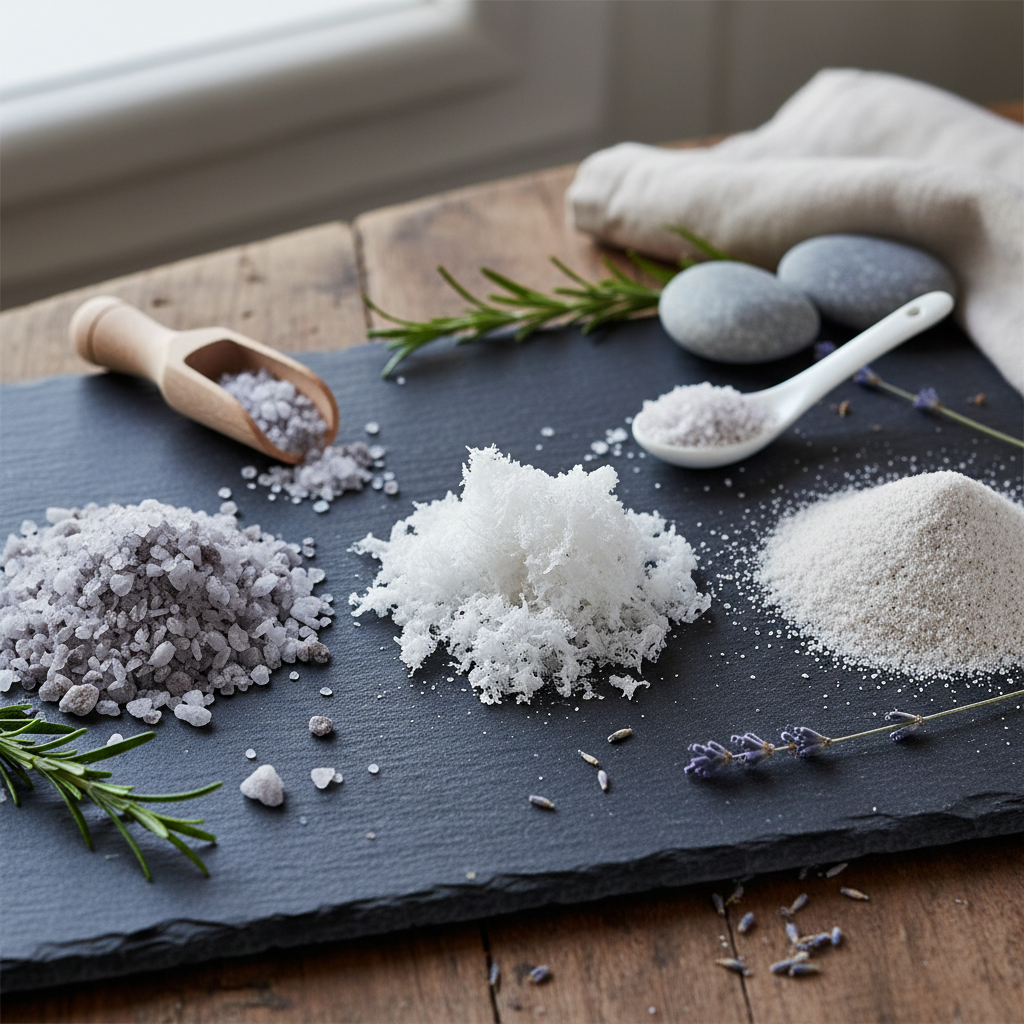
Gray celtic salt is available in several grain sizes, each suited to different applications. Coarse gray celtic salt, the most traditional form, consists of large, irregular crystals that are ideal for grinding at the table, for seasoning roasting meats, or for use in brines and curing applications. Medium grain gray celtic salt offers a more versatile option that dissolves relatively quickly while still delivering the full mineral complexity of the coarse variety. Fine gray celtic salt, which is simply coarse salt that has been ground down, is best suited for baking, for seasoning dishes during cooking, or for any application where a finer texture is preferred. Each of these forms retains the same mineral composition and natural integrity; the only difference is the particle size, which affects how quickly the salt dissolves and how it distributes flavor throughout a dish.
It is also worth understanding what gray celtic salt does not contain. Authentic gray celtic salt from Guérande contains no added iodine, no anti-caking agents such as sodium ferrocyanide or calcium silicate, no bleaching agents, and no flow conditioners. These additives are standard in commercial table salt and in many sea salts produced industrially. They are added primarily for ease of manufacturing and extended shelf stability, not for the benefit of the consumer. By contrast, gray celtic salt is simply salt as it occurs naturally — harvested, rinsed briefly if necessary, and packaged. The lack of additives means that gray celtic salt may clump slightly over time, especially in humid environments, but this is easily managed with proper storage and is a small price to pay for a product of such exceptional natural quality. To explore our full range of authentic Guérande celtic salt products, visit our product collection at celtic-salt.com.
Health and Culinary Benefits of Gray Celtic Salt
The nutritional profile of gray celtic salt is one of the most frequently cited reasons for its growing popularity among health-conscious consumers and culinary professionals. Unlike refined table salt, which is composed of approximately 97–99% pure sodium chloride, gray celtic salt typically contains between 82% and 87% sodium chloride, with the remaining percentage made up of a diverse array of trace minerals. These include magnesium, potassium, calcium, iron, manganese, zinc, copper, silicon, and many others, all present in trace amounts but collectively significant from a nutritional standpoint. Magnesium alone is a mineral in which a large proportion of the global population is deficient, and it plays a role in hundreds of enzymatic processes in the human body. While gray celtic salt is not a substitute for a balanced diet rich in whole foods, it is a meaningfully more complex source of sodium than refined alternatives.
From a culinary perspective, the benefits of gray celtic salt are profound and immediately perceptible to any attentive cook or diner. The mineral complexity of gray celtic salt produces a flavor that is rounder, deeper, and more nuanced than the sharp, one-dimensional saltiness of refined table salt. Chefs who work with gray celtic salt often describe a savory depth — what Japanese culinary tradition calls umami — that refined salts simply cannot replicate. This is partly because the trace minerals in gray celtic salt interact with the proteins, fats, and aromatic compounds in food in ways that enhance overall flavor perception without simply adding more sodium. This means that in many cases, cooks find that they need to use less gray celtic salt than they would of refined salt to achieve the same level of seasoning, which is both a culinary advantage and a practical consideration for those monitoring sodium intake.
The natural moisture content of gray celtic salt also has culinary implications that are particularly relevant in meat preparation and baking. In dry brining applications — a technique in which salt is applied directly to the surface of meat and left to penetrate over several hours or days — the slight moisture in gray celtic salt helps to draw out surface proteins and then reabsorb them, resulting in meat that is more deeply seasoned, more tender, and with a superior surface texture for browning. In bread baking, gray celtic salt's mineral content interacts with gluten networks in ways that affect the structure and flavor of the finished loaf, contributing to a more complex, artisan-style result. These are not merely theoretical benefits; they are outcomes that experienced bakers and chefs consistently report when they make the switch from refined salt to authentic gray celtic salt from Guérande.
It is important to approach the health discussion around gray celtic salt with appropriate nuance and intellectual honesty. While the trace mineral content of gray celtic salt is genuinely superior to that of refined table salt, gray celtic salt should not be presented as a medicine or a cure for any condition. What can be said with confidence is that replacing highly refined, additive-laden table salt with a natural, unprocessed product like gray celtic salt represents a meaningful upgrade in terms of both nutritional quality and freedom from artificial additives. For people who are already consuming salt as part of a healthy, balanced diet — as the vast majority of us do — making that salt as nutritionally rich and as free of artificial processing as possible is simply good sense. You can also learn more about the mineral properties of grey salt by reading our article on trace minerals found in Guérande celtic salt.
How to Use Gray Celtic Salt — Expert Tips
One of the most rewarding aspects of cooking with gray celtic salt is learning to use it in ways that maximize its unique properties. Unlike refined table salt, which behaves in a fairly uniform and predictable way, gray celtic salt has characteristics — its mineral complexity, its moisture content, its irregular crystal structure — that make it a more expressive and versatile ingredient when used thoughtfully. The following guidance is drawn from the practices of professional chefs, artisan bakers, and experienced home cooks who have made gray celtic salt a central element of their culinary approach.
Finishing and Tableside Use: Perhaps the most impactful single application of coarse gray celtic salt is as a finishing salt. Applied at the moment of plating or at the table, the large crystals provide bursts of mineral-rich saltiness, a subtle crunch, and a visual appeal that elevates even the simplest dishes. Scatter a small pinch of coarse gray celtic salt over a freshly seared steak, a piece of grilled fish, a ripe tomato drizzled with olive oil, or a slice of good bread spread with butter. The effect is immediate and transformative — the food tastes more fully like itself, with a depth of flavor that refined salt cannot provide.
Cooking and Seasoning During Preparation: Medium or fine gray celtic salt is ideal for seasoning dishes during the cooking process. Use it to season pasta water generously — the mineral content adds a subtle complexity to the pasta itself. Add it to soups, stews, and braises at multiple stages of cooking, tasting as you go, to build layers of flavor. When seasoning vegetables before roasting, toss them with fine gray celtic salt and allow a few minutes for the salt to begin drawing out surface moisture before they go into the oven; this promotes better caramelization and a more concentrated flavor in the finished dish.