Hand-harvested Guérande salt · Tracked international delivery included
Guide· by Celtic Salt Editorial Team
Gourmet Salt
What Is Gourmet Salt and Why It Matters in 2026
Gourmet salt has evolved from a niche ingredient favoured by professional chefs into an essential pantry staple for anyone who takes cooking seriously. Unlike the heavily refined, anti-caking agent-laden table salt that dominated kitchens throughout most of the twentieth century, gourmet salt represents a return to something far more honest and nuanced — a mineral-rich, carefully harvested product that carries the character of the land and sea from which it came. In 2026, consumers are more informed than ever before. They read labels, they research sourcing, and they understand that not all salt is created equal. The global gourmet salt market has seen consistent year-on-year growth, driven by a collective awakening to the idea that the most fundamental seasoning in the kitchen deserves as much attention as olive oil, wine, or any other artisan ingredient.
What sets gourmet salt apart in a practical, tangible sense is its mineral complexity. Standard table salt is essentially pure sodium chloride — refined to around 99.9% purity through industrial processes that strip away every trace mineral the original source water once contained. Gourmet salts, by contrast, retain a constellation of naturally occurring minerals: magnesium, calcium, potassium, iron, zinc, and dozens of trace elements that vary depending on the specific geography of the salt's origin. These minerals are not merely a marketing talking point. They directly influence flavour, texture, and colour. A grey salt harvested from clay-lined salt pans carries earthy, briny depth. A flaky finishing salt delivers a bright, clean burst of salinity. Each type tells a story about the ecosystem in which it formed, and that story translates directly onto the palate.
The cultural and culinary significance of gourmet salt has never been stronger than it is right now. Restaurant culture has long celebrated exceptional ingredients, but the democratisation of food knowledge through online communities, cooking content, and artisan food markets means that home cooks are now approaching their kitchens with the same curiosity once reserved for professional culinary training. Gourmet salt sits at the centre of this shift. It is affordable enough to be accessible yet distinctive enough to elevate everyday cooking in ways that are immediately noticeable. Seasoning a roast chicken with a fleur de sel or finishing a dark chocolate tart with hand-harvested grey salt is not an act of pretension — it is an act of respect for the food and for the people who will eat it. These small choices accumulate into a genuinely different standard of home cooking.
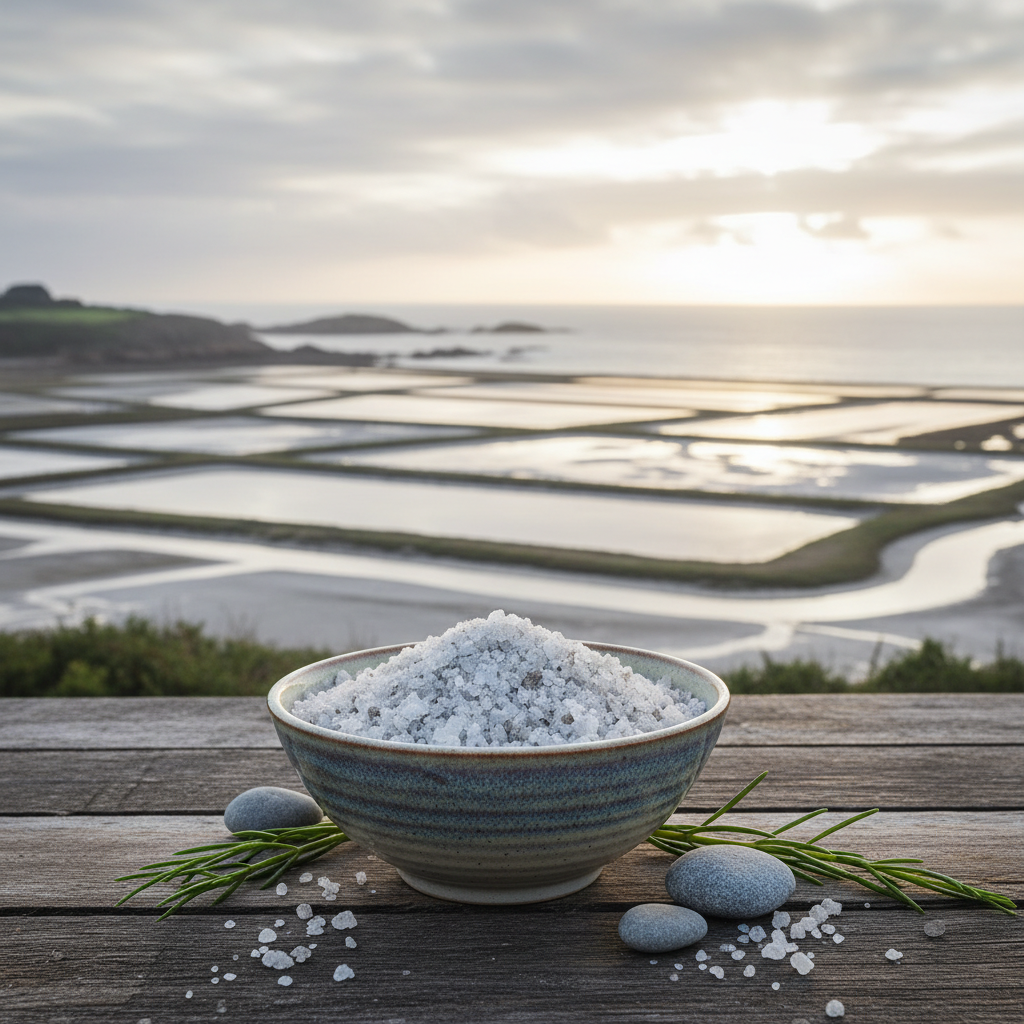
In the broader context of food sustainability and ethical sourcing, gourmet salt also carries significant weight in 2026. Many of the world's finest salts come from traditional salt harvesting operations — called salinas or marais salants — that have operated for centuries using entirely natural methods. No mechanical evaporation, no chemical processing, no synthetic additives. The paludiers, or salt farmers, of Brittany's Guérande region, for example, work in harmony with tidal systems, solar evaporation, and wind just as their ancestors did over a thousand years ago. Choosing gourmet salt from these sources is not just a culinary decision — it is an investment in the preservation of a living cultural heritage, an ancient craft, and an ecosystem that supports remarkable biodiversity. The wetlands and salt marshes of regions like the Guérande Peninsula are protected nature reserves, and the continuation of traditional salt farming plays a direct role in maintaining those habitats.
The Complete Guide to Gourmet Salt
To truly understand gourmet salt, it helps to understand the main categories and how each one is produced, used, and distinguished from the others. The world of gourmet salt is rich and varied, encompassing products harvested from ancient sea beds, remote mountain ranges, coastal marshes, and deep underground deposits. Each source imparts unique characteristics, and knowing the differences empowers you to make intelligent purchasing decisions and use each type to its fullest potential in the kitchen.
Sea Salts form the backbone of the gourmet salt world. These are salts produced through the evaporation of seawater, either by sun and wind in open-air salt pans or through more controlled indoor methods. The quality of a sea salt depends enormously on the purity of the source water, the local climate, and the harvesting technique. The finest sea salts are produced in coastal regions with clean Atlantic or Mediterranean waters, low rainfall during harvest season, and skilled traditional harvesters who understand how to read the conditions and collect salt at the precise moment of optimal formation. Among sea salts, there is a wide spectrum ranging from coarse grey salt harvested with wooden rakes from the bottom of salt pans, to the delicate, paper-thin crystals of fleur de sel skimmed from the surface at sunrise.
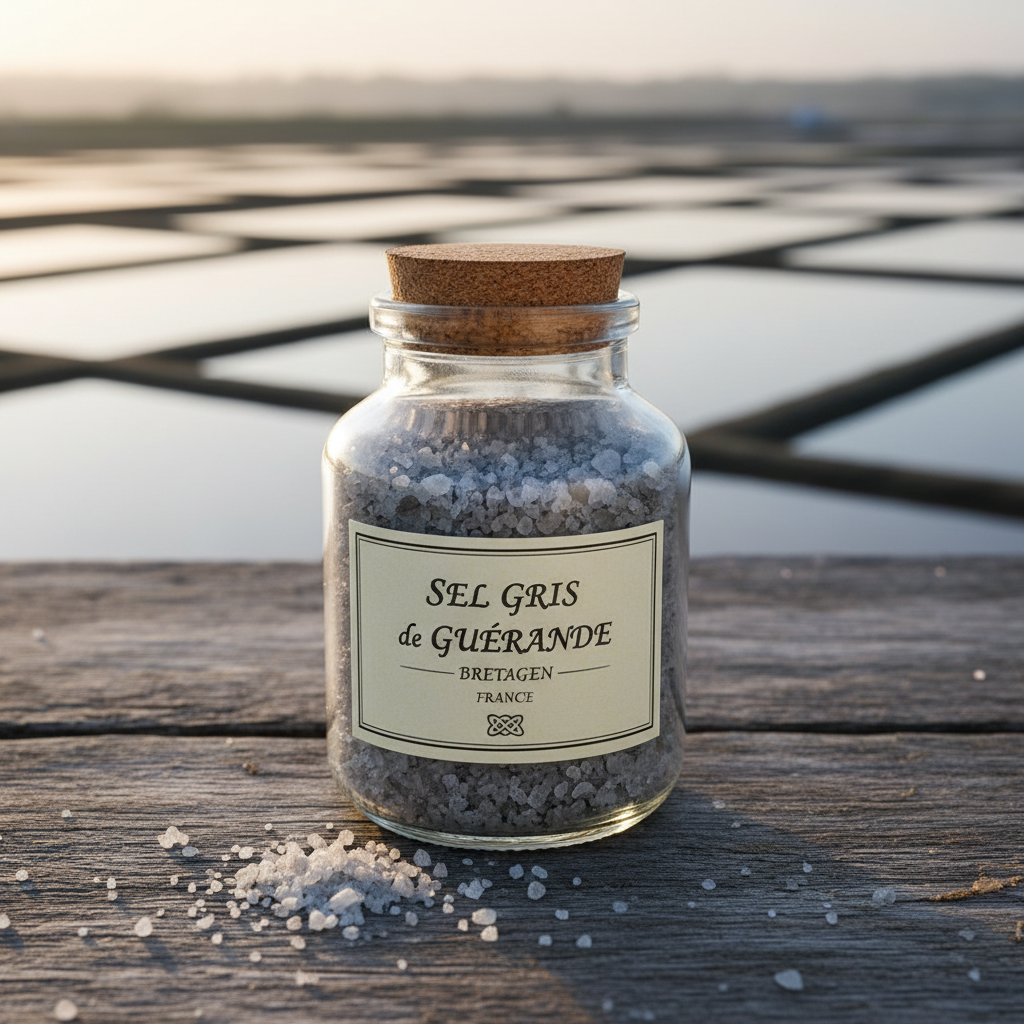
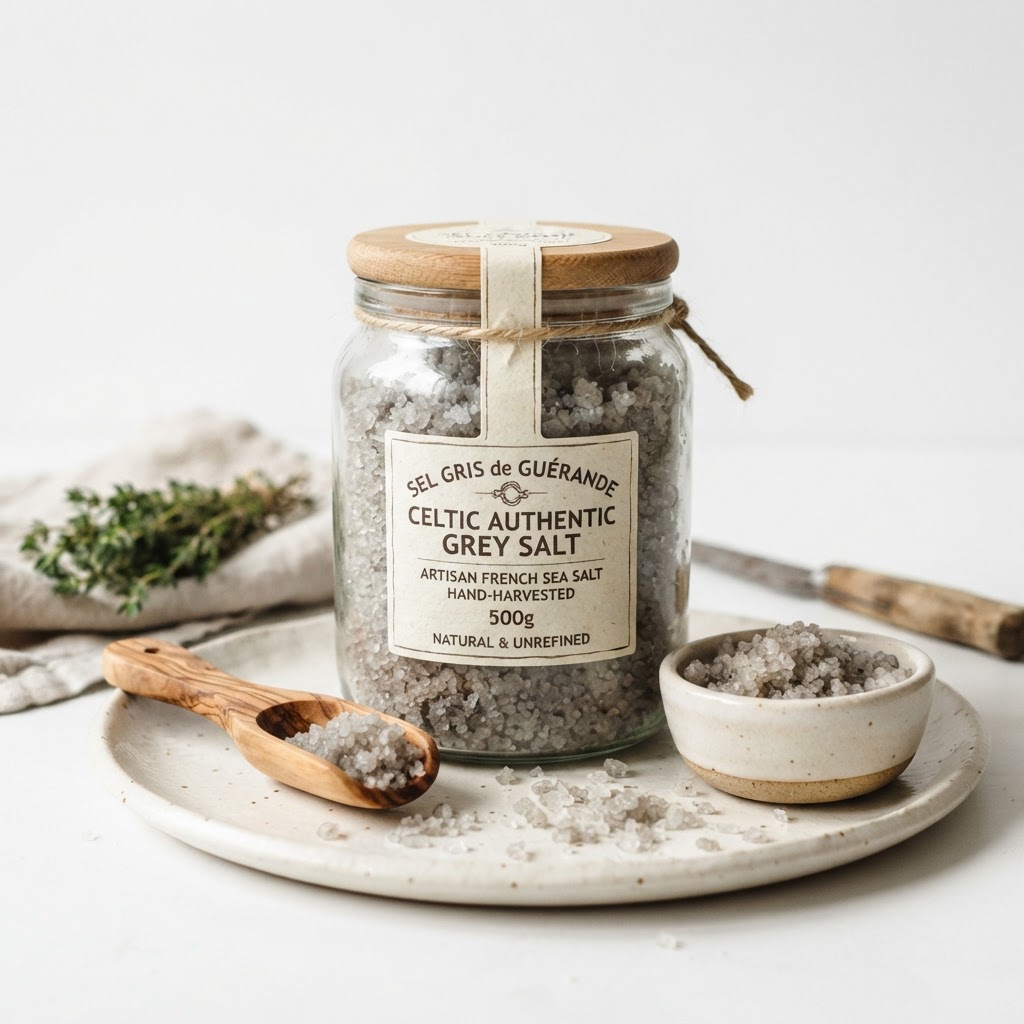
Grey Salt (Sel Gris) is perhaps the most iconic of all gourmet sea salts. Its distinctive grey colour comes from contact with the clay lining of traditional salt pans — specifically the clay-bottomed ponds of the Guérande region in Brittany, France. This clay contact is not incidental; it imparts a range of minerals and contributes to the salt's notably moist texture and complex, oceanic flavour. Grey salt is harvested using wooden tools called lousse, which are designed to gather salt from the bottom of the pan without disturbing the clay bed. The moisture content of grey salt is higher than most other salts, which makes it ideal for seasoning during cooking, brining, and applications where you want the salt to dissolve gradually and permeate food deeply rather than sitting on the surface.
Fleur de Sel is the premier flower of the sea — the delicate, lacy crust of salt crystals that forms on the surface of salt pans under perfect weather conditions. It forms only on calm, dry, sunny days when the sun's heat and a gentle breeze combine to create ideal evaporation conditions at the water's surface. Paludiers skim these crystals by hand using a flat rake called a lousse de fleur. The yield is small and the work is exacting, which is why fleur de sel commands a premium price. It is strictly a finishing salt — to be added at the last moment to dishes where its unique texture and delicate flavour can be fully appreciated. Its crystals are irregular, slightly damp, and melt slowly on the tongue, creating a complex flavour experience quite unlike any other salt.
Himalayan Pink Salt has become a recognisable name in gourmet circles, mined from ancient sea deposits in the Khewra Salt Mine in Pakistan. Its characteristic pink colour comes from iron oxide traces within the mineral deposit. It has a clean, mild saltiness and works well in a variety of culinary contexts. However, its flavour profile is notably simpler than that of a well-harvested Atlantic grey salt, which benefits from a living ecosystem of minerals rather than a geological deposit formed hundreds of millions of years ago. Both have their place, but they are distinct products suited to different applications and philosophies of cooking.
Smoked Salts, Infused Salts, and Flavoured Gourmet Salts represent a growing category of specialty products that extend the concept of gourmet salt further into creative territory. Cold-smoked sea salt, for example, takes a quality base salt and subjects it to hours of exposure to hardwood smoke, resulting in a product with deep, campfire-like character ideal for grilled meats and roasted vegetables. Herb-infused salts, truffle salts, chilli salts, and citrus-scented salts all bring additional dimensions to the seasoning conversation. The key with these products, as with all gourmet salts, is the quality of the base salt and the authenticity of the flavouring agents used.
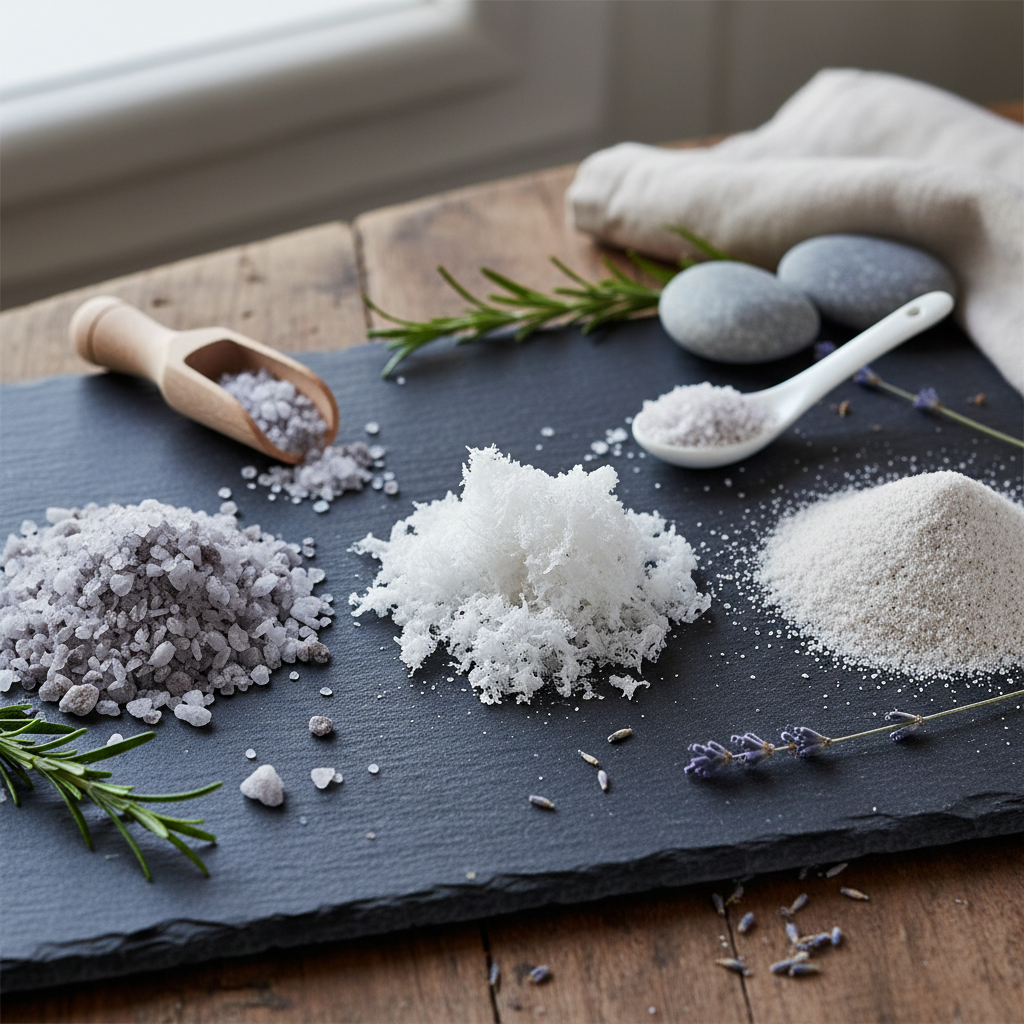
Understanding grain size is equally important when navigating the gourmet salt landscape. Coarse grain salts are designed for cooking — dissolving into soups, stocks, pasta water, and brines. Medium grain salts are versatile all-purpose options. Fine grain salts are useful for baking and situations where even, rapid distribution of salt is needed. Flaky finishing salts deliver textural impact as well as flavour. Building a small collection that includes at least one coarse grey salt for cooking, one fine or medium sea salt for general use, and one finishing salt for final seasoning gives you a comprehensive toolkit that covers virtually every culinary situation.
If you are ready to explore the finest examples of traditional gourmet salt from Brittany's Guérande region, you can browse a carefully curated selection at celtic-salt.com/produits, where you will find authentic, hand-harvested products sourced directly from paludiers working in this ancient and extraordinary landscape.
The relationship between salt and health is nuanced, often misrepresented, and deeply dependent on the type of salt being discussed. The blanket advice to reduce sodium intake is primarily directed at the consumption of refined table salt and its ubiquitous presence in processed and ultra-processed foods — not at the mindful, moderate use of mineral-rich gourmet salt in home cooking. When you season your own food using a high-quality, naturally harvested sea salt, you retain full control over your sodium intake and you benefit from a much broader mineral profile than refined salt provides.
One of the most compelling culinary benefits of gourmet salt is its ability to enhance flavour without simply increasing saltiness. This is because the trace minerals present in unrefined sea salt interact with the other flavour compounds in food in complex ways. Magnesium, for example, plays a role in activating certain taste receptors. The natural moisture content of grey salt influences how it dissolves and distributes through food during cooking. The result is that food seasoned with high-quality gourmet salt frequently tastes more rounded, more complete, and more satisfying than food seasoned with refined salt at comparable sodium levels. Many experienced cooks report that they actually use less gourmet salt than they would table salt to achieve the same level of seasoning satisfaction, in part because the flavour complexity reduces the need for sodium quantity.
From a mineral perspective, naturally harvested sea salts contain meaningful amounts of magnesium — a mineral that large portions of the global population are chronically under-consuming. While salt alone is not a recommended primary source of dietary magnesium, the cumulative contribution of using mineral-rich salt daily over time is not negligible. Similarly, the presence of calcium, potassium, and various trace elements in unrefined sea salt contributes to a more balanced electrolyte profile compared to pure sodium chloride. These are not dramatic health claims — they are straightforward nutritional observations about the difference between a whole, unrefined food and its processed equivalent.
The culinary benefits of gourmet salt extend into every cooking method. When brining meat or fish, the complex mineral content of a good sea salt penetrates the protein fibres more effectively and creates a more flavourful result. When baking bread, the interaction between sea salt and yeast is more nuanced than with refined salt, contributing to better crust development and crumb texture. When making fermented foods such as sauerkraut, kimchi, or lacto-fermented vegetables, using a natural, additive-free salt is essential — the anti-caking agents and iodine additions in table salt can inhibit or disrupt the fermentation process. For fermenting and culturing, authentic grey sea salt without additives is the professional's choice. You can read more about this connection in our dedicated article on using Celtic salt for fermentation.
How to Use Gourmet Salt — Expert Tips
Using gourmet salt well is both a science and an art. The fundamental principle is matching the right salt to the right moment in the cooking process. Many cooks make the mistake of using their finest finishing salt for everything, which both wastes the product and misses the point of what different salts are designed to do. Here is a practical breakdown of how to deploy gourmet salt at every stage of cooking to maximum effect.
Seasoning during cooking: For stocks, soups, stews, braised meats, pasta water, and any dish where salt will be incorporated into the body of the food, a coarse grey sea salt is your ideal tool. Its mineral complexity infuses throughout the dish as it cooks, and its moisture content means it dissolves steadily without creating hot spots of intense salinity. Add coarse salt to pasta water generously — the water should taste pleasantly salty, like a mild broth. For stocks and long-cooked dishes, season in stages rather than all at once, tasting as you go.