Guide· by Celtic Salt Editorial Team
French Celtic Salt
Incorporating French Celtic salt into your daily cooking routine is simple and rewarding. Here’s a step-by-step guide to help you maximize its use in various culinary applications.
First, consider the types of dishes that will benefit from its unique flavor. French Celtic salt works exceptionally well with roasted vegetables. Just toss chopped seasonal vegetables with olive oil and sprinkle with Celtic salt before roasting them in the oven. This enhances the natural sweetness of the produce.
Second, when preparing meats, whether it’s poultry, beef, or fish, season the meat with French Celtic salt prior to cooking. Ideally, you can rub it onto the surface a few hours before grilling or roasting. This allows the flavor to penetrate the meat, resulting in a dish that is exquisitely seasoned.
When it comes to baking, try adding a pinch of French Celtic salt to your cookie or brownie dough. This contrast between sweet and salty will elevate your baked goods to a new level. Alternatively, if you’re making homemade bread, incorporating this salt into the dough not only adds flavor but may also aid in the fermentation process.
Another practical approach involves using French Celtic salt in dressings. Mixing it with vinegar and oil can create a simple yet flavorful dressing for salads. For an added twist, you might want to combine it with herbs, garlic, or lemon juice to craft a unique vinaigrette.
Lastly, consider the art of finishing. To truly highlight the characteristics of your dishes, finish them with a sprinkle of French Celtic salt just before serving. This technique is particularly effective for seafood, where the salt adds a crunchy texture and bursts of flavor right as you take a bite, elevating the overall dining experience.
Discover — $79.99 →
How to Use french celtic salt
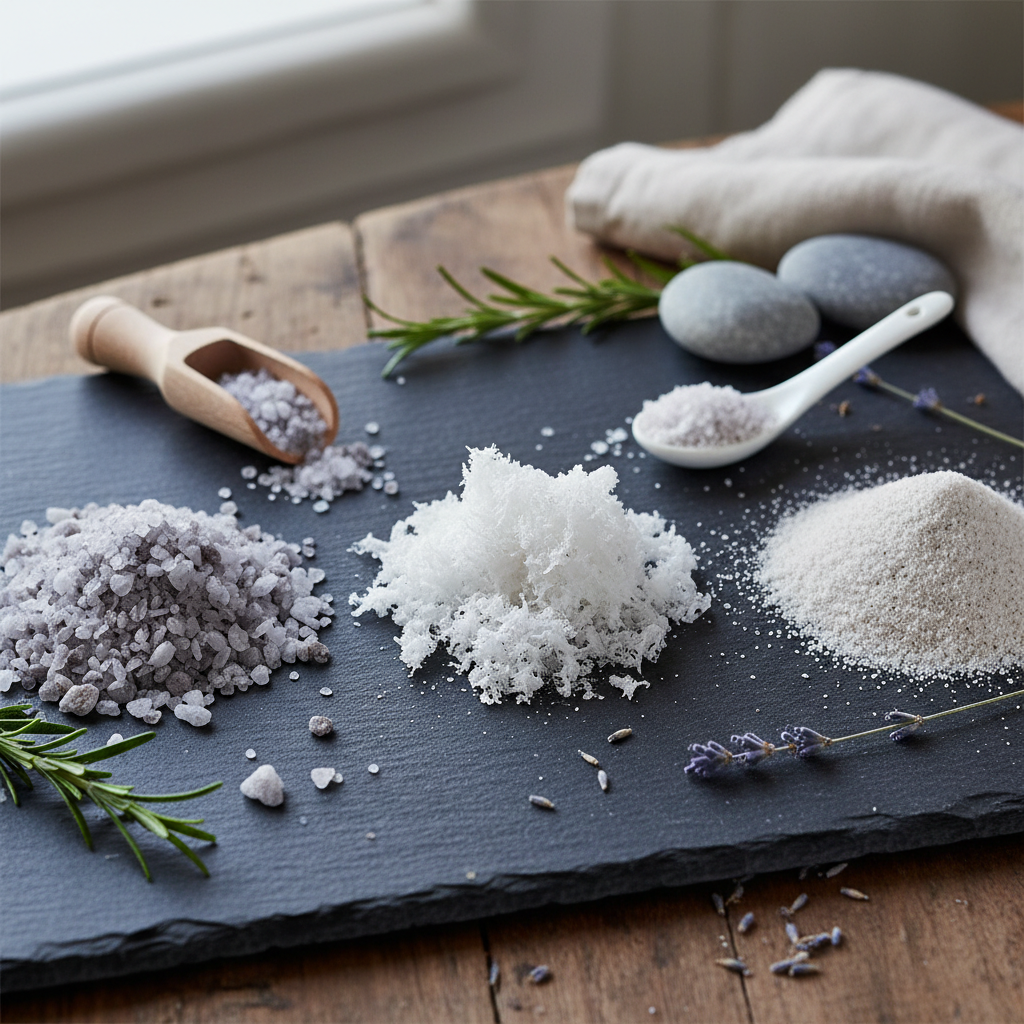
French Celtic salt is not limited to culinary uses; it can also find a place in your lifestyle and wellness routines. Beyond adding flavor to food, this artisanal salt offers broader applications that enhance both physical and mental well-being. One popular use of French Celtic salt involves incorporating it into your skin care routine. The minerals present in this salt can be particularly beneficial for the skin, potentially helping to cleanse and rejuvenate it. Consider adding it to a warm bath, creating a soothing soak that can assist in relaxation while enjoying the mineral benefits of the salt. This method may also invigorate the skin, leaving it feeling refreshed and revitalized. In addition to bath uses, French Celtic salt can be used in foot soaks. Dissolving some of this salt in warm water can create a restorative experience, especially after a long day. It enables the user to unwind while potentially alleviating stress and promoting relaxation. If you’re inclined towards cooking with intention, consider using French Celtic salt in your mindfulness practices. The act of preparing a meal using high-quality ingredients can be therapeutic in itself. Here, French Celtic salt serves as a reminder to appreciate the art of cooking; its properties can facilitate a deeper connection to the food we consume, enhancing the overall experience at mealtime. As health-conscious consumers seek natural alternatives, substituting French Celtic salt for refined table salt in daily meals can also be a lifestyle shift. The artisanal nature of French Celtic salt adds a layer of intention to nutrition. By consciously using this unrefined salt in daily cooking, individuals may cultivate a more mindful relationship with food, emphasizing quality over quantity.🧂 AUTHENTIC IGP GUÉRANDE SALT
500g / 17.6 oz · Hand-harvested · Brittany, France
What to Look for When Buying
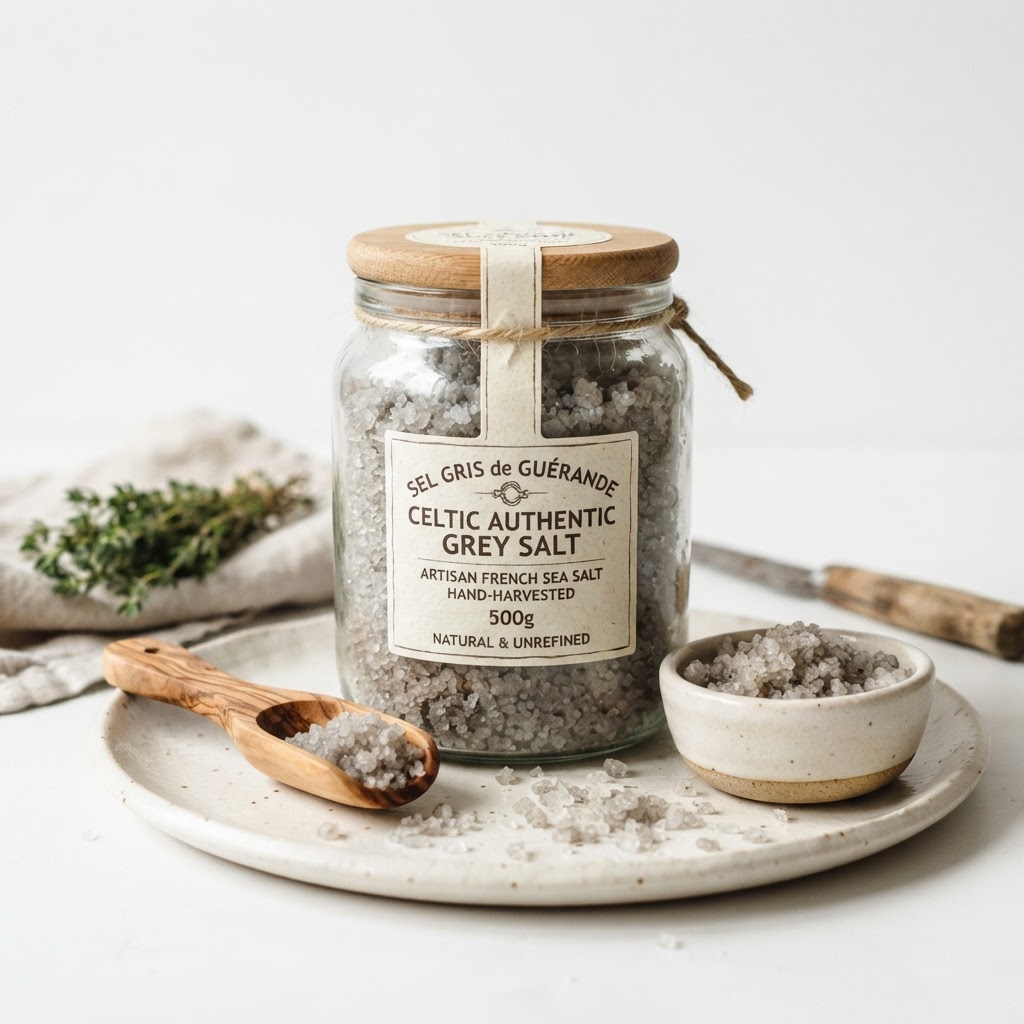
When purchasing French Celtic salt, certain quality indicators can help ensure that you are selecting the best product. First and foremost, look for the IGP Guérande certification, which guarantees that the salt has been produced according to strict guidelines. This designation not only validates its authenticity but also assures you that it has been harvested from the geographical region known for its superior salt production. Another factor to consider is the color and texture of the salt. Authentic French Celtic salt typically has a grey hue, which comes from the minerals and clay present in the salt marshes. If you come across a product that appears overly white or refined, it may indicate that it has undergone excessive processing, losing some of its natural characteristics. Additionally, check for packaging that emphasizes “unrefined” and “natural.” These terms suggest that the salt retains its mineral content and has not been chemically altered. Good-quality French Celtic salt should also have a moist texture, indicative of its natural collection process. Lastly, consider the sourcing practices of the brand. Transparent companies that share information about their harvesting methods and ethical practices signal a commitment to quality. If available, consumer reviews can also provide insights into the taste and usability of the salt, helping you make an informed decision. Taking the time to read labels and research sources ensures that you invest in a product that meets your expectations and contributes positively to your culinary endeavors.Common Questions About french celtic salt
What distinguishes French Celtic salt from regular table salt?
French Celtic salt is unrefined and retains its natural minerals and grey color, while regular table salt is often heavily processed and devoid of essential trace elements.
Is French Celtic salt better for cooking than other salts?
🧂 AUTHENTIC GUÉRANDE CELTIC SALT
Celtic Authentic Grey Salt – 500g / 17.6 oz
Hand-harvested · Unrefined · trace minerals whose levels vary by harvest and product · IGP certified
Compare at $114.99
Get Your Bag — $79.99 →Many chefs prefer French Celtic salt for its nuanced flavors and versatility in enhancing culinary dishes, making it a favored choice for discerning cooks.
Can French Celtic salt be used in baking?
Yes, French Celtic salt can be incorporated into baking recipes; it enhances flavor and can yield a contrasting taste in sweet baked goods.
How should I store French Celtic salt?
To maintain its quality, store French Celtic salt in a cool, dry place in an airtight container, which helps prevent moisture absorption and clumping.
Is French Celtic salt suitable for people on a low-sodium diet?
While flavorful, French Celtic salt should be used sparingly; those on a low-sodium diet should consult with a healthcare professional for tailored dietary advice.
Conclusion
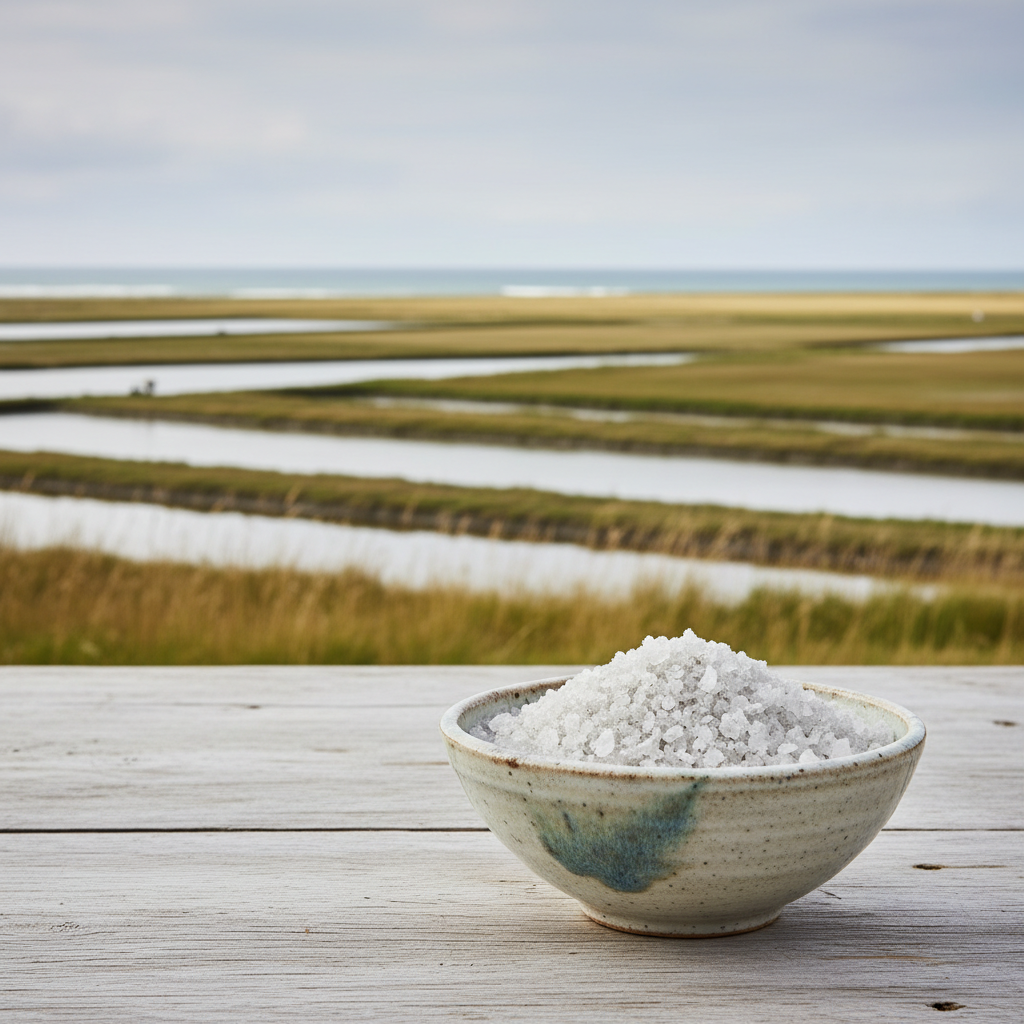
French Celtic salt is more than just a seasoning; it carries a rich history, traditional craftsmanship, and numerous culinary applications. From its origins in the salt marshes of Brittany to its diverse uses in the kitchen and wellness routines, this artisanal product offers both flavor and quality. By choosing French Celtic salt, health-conscious consumers are not only enhancing their meals but also supporting sustainable practices and celebrating the art of craftsmanship. As you explore its potential in your cooking and lifestyle, you may find that French Celtic salt becomes an integral part of your culinary journey, inviting you to appreciate the true essence of flavor.Celtic Salt — IGP Guérande
Hand-harvested by Breton paludiers. 500g / 17.6 oz jar, unrefined, trace minerals whose levels vary by harvest and product.
Free shipping — standard tracked delivery included
Get Your Bag — $79.99 →More from Celtic Salt