Hand-harvested Guérande salt · Tracked international delivery included
Guide· by Celtic Salt Editorial Team
Fleur De Sel
Introduction — Why fleur de sel Matters
Fleur de sel, often celebrated as a culinary gem, holds a revered place in the world of gourmet salts. It is primarily harvested from the coastal salt marshes in Guérande, Brittany, where the unique environmental conditions contribute to its distinct flavor and texture. Unlike many commercial salts, fleur de sel is unrefined, retaining the natural minerals that contribute to its flavor profile, which may enhance various dishes. This natural preservation makes it a favored choice among chefs and home cooks alike.
The term "fleur de sel" translates to "flower of salt," referring to the delicate, flaky crystals that float on the surface of seawater during the salt harvesting process. This unique process is not just a matter of gathering salt; it is an art form practiced by skilled paludiers, or salt workers, who have honed their craft over generations. The attention to detail in its harvesting and production makes fleur de sel not only flavorful but also a product steeped in tradition and culture.
As more health-conscious consumers seek alternatives to processed table salts, fleur de sel emerges as a premium choice, as it is laden with natural trace minerals and elements like magnesium and calcium. When added to dishes, it elevates taste and provides a more pronounced saltiness that can enhance flavors without overwhelming them. This article explores what fleur de sel is, its benefits and uses, practical culinary applications, and lifestyle recommendations, ensuring that anyone who values quality in their cooking can appreciate the role of this exquisite salt in their kitchen.
What Is fleur de sel?
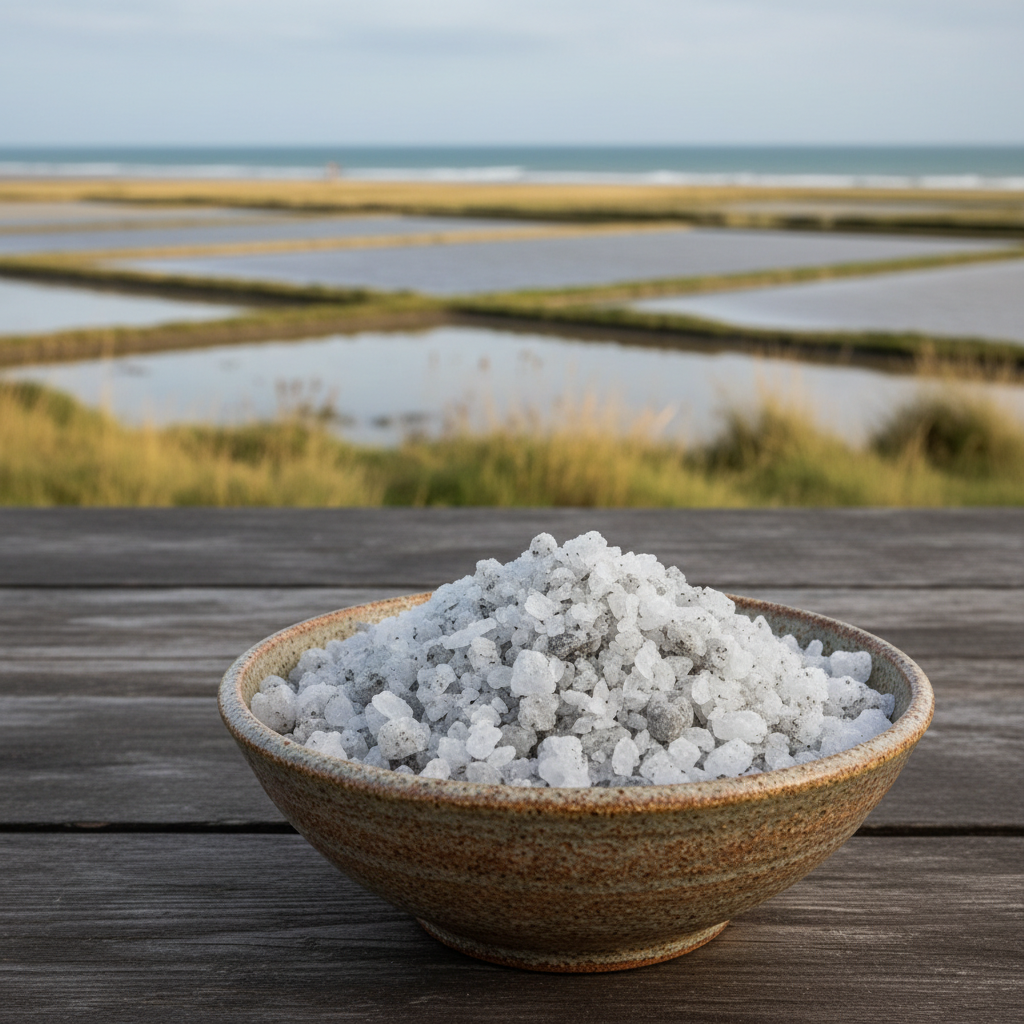
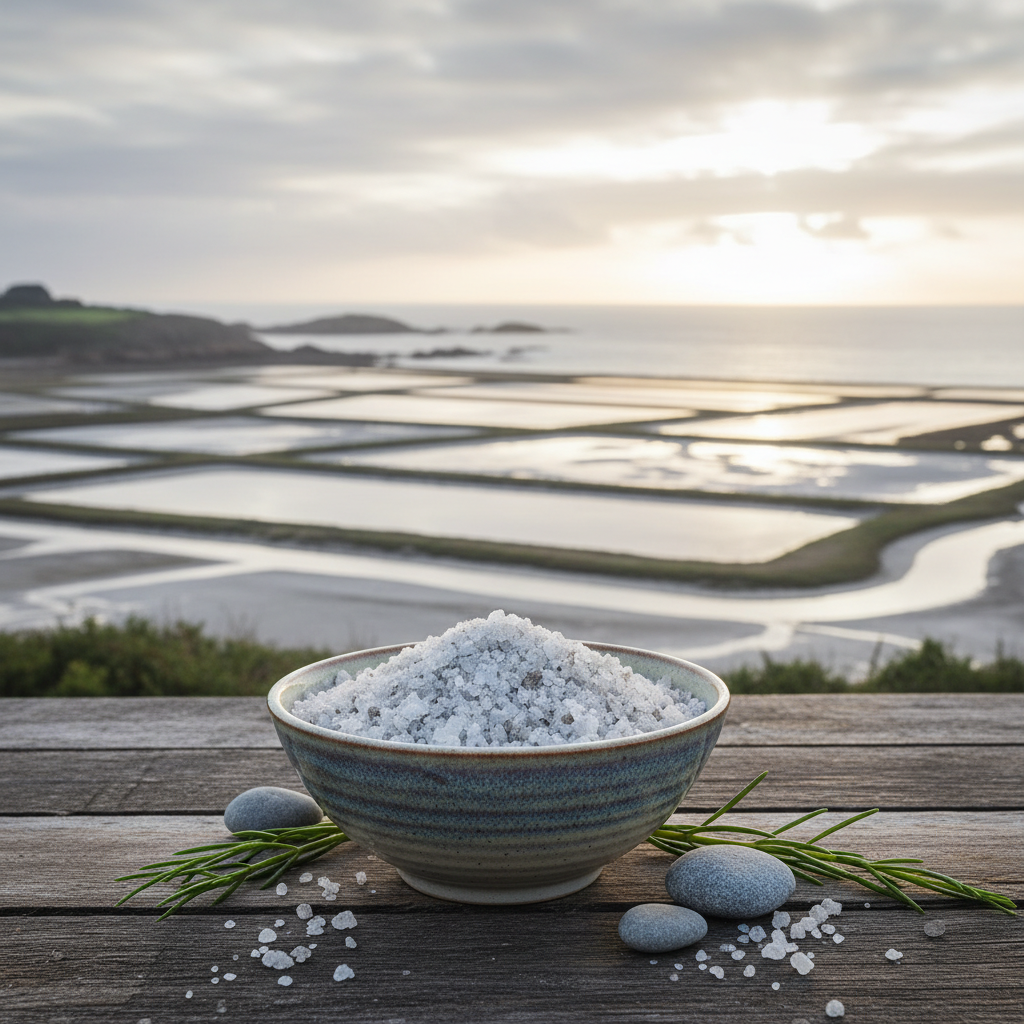
Fleur de sel is a type of sea salt that is harvested from the salt marshes of Brittany, specifically in Guérande, where unique meteorological and geographical conditions influence the quality and characteristics of the salt. It is formed when seawater evaporates in the shallow salt pans, leaving behind delicate white crystals that resemble flower petals. These crystals are skimmed off the surface of the water, a painstaking process that requires skill and precision, as they can be easily disturbed by wind or rain.
The origin of fleur de sel dates back centuries, with its production methods being passed down through generations of paludiers in the region. This salt is known for its moist texture and the light, flaky crystals that dissolve easily upon contact with food. As a result, it acts as a finishing salt rather than a cooking salt, allowing it to be sprinkled on dishes just before serving to appreciate its flavor and texture fully.
One significant aspect of fleur de sel is that it is unrefined, meaning that it contains natural minerals and elements that are often stripped away in processed salts. The presence of these trace elements contributes to its distinctive taste profile, which is less bitter and more complex compared to standard table salt. Knowing about fleur de sel is essential for anyone pursuing a culinary journey that focuses on quality, flavor, and tradition.
Key Benefits and Uses
Fleur de sel is embraced by culinary professionals and cooking enthusiasts alike for its unique flavor and texture. One of the main reasons chefs use fleur de sel is its sheer ability to enhance the natural flavors of a dish. It is suggested that the natural minerals present in fleur de sel may support overall flavor development, bringing out the intrinsic taste of the ingredients used.
Traditionally used as a finishing salt, fleur de sel adds an elegant touch to a variety of culinary creations. Its subtle crunch and briny flavor profile make it a perfect addition to grilled meats, roasted vegetables, and even delicate seafood dishes. When sprinkled atop salads, its crystalline structure creates a burst of flavor with every bite, elevating the dining experience.
Many home cooks are discovering that fleur de sel can also play a role in baking. Adding a pinch of fleur de sel to chocolate chip cookies or brownies enhances sweetness, creating a delightful contrast. When used on pastries, it can provide both visual appeal and a surprisingly sophisticated flavor note.
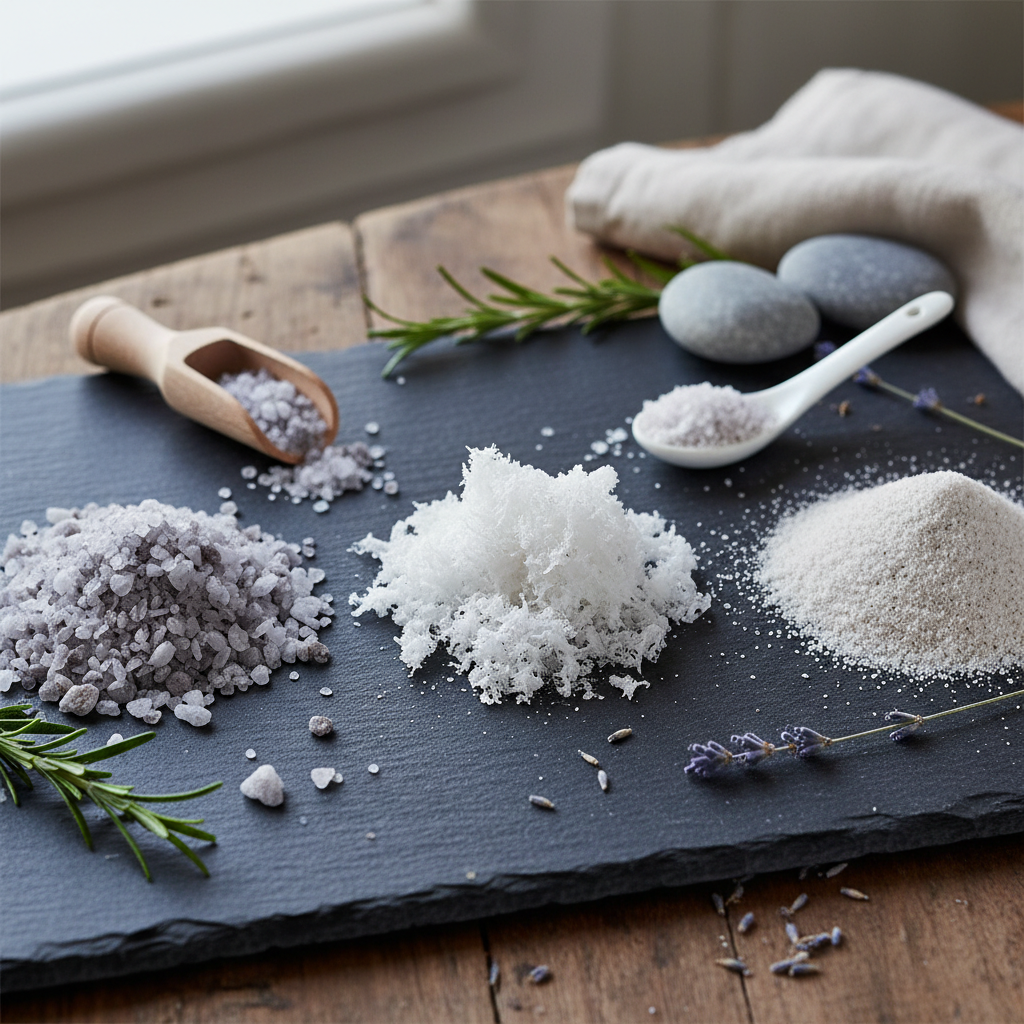
Beyond its culinary versatility, fleur de sel is also recognized for enhancing certain wellness routines. Its natural, unrefined quality makes it a popular choice for bath salts, as it can contribute to a relaxing bathing experience. The mineral composition of fleur de sel may emphasize feelings of renewal and relaxation when infused in a warm bath, complementing self-care regimens with added luxury.
Ultimately, the incorporation of fleur de sel into daily cooking and lifestyle practices not only enriches flavors but may also suggest benefits rooted in its artisanal background, making it a worthwhile addition to any health-conscious consumer's pantry.
How to Use fleur de sel in Your Daily Cooking — Practical Guide
Integrating fleur de sel into your daily cooking can enhance flavors while offering a gourmet touch to your meals. Here’s a practical guide on how to utilize this exceptional salt effectively.
First, consider using fleur de sel as a finishing salt. Due to its light and flaky texture, it is best sprinkled on dishes right before serving. For example, after pan-searing a steak to perfection, you can lightly dust the surface with fleur de sel to intensify that savoriness. This technique works similarly for grilled vegetables; a sprinkle just before serving can highlight their natural sweetness.
When baking, fleur de sel can be a game-changer. Adding a generous pinch to your chocolate chip cookies just before they go in the oven can create a delightful contrast between sweet and salty flavors. Alternatively, for a sophisticated dessert, consider sprinkling fleur de sel atop caramel sauce or chocolate ganache to enhance the tasting experience.
For those experimenting with homemade dips or spreads, mixing fleur de sel into a freshly whipped butter or cream cheese can add a layer of flavor that will impress dinner guests. Simply combine soft butter with a pinch of fleur de sel and maybe a touch of herbs for a delicious bread spread.
If you're venturing into the world of salads, fleur de sel works beautifully as a gastronomic accent. A light sprinkle on a bed of mixed greens or over roasted beet salads can elevate those flavors significantly. Pairing it with fresh herbs, lemon juice, and olive oil can create a simple yet delectable dressing that highlights flecks of fleur de sel.
Lastly, don’t forget to explore pairing suggestions! Fleur de sel complements sweet fruits like watermelon or strawberries when used sparingly. This can create a delightful balance between sweet and savory—perfect for summer salads or desserts.
With these practical applications in mind, incorporating fleur de sel into your everyday meals can transform your approach to cooking, making every dish a little more special.
🧂 AUTHENTIC IGP GUÉRANDE SALT
500g / 17.6 oz · Hand-harvested · Brittany, France
Beyond culinary uses, fleur de sel can enrich various aspects of daily life, making it a versatile addition to your wellness routines. Here are several ways to incorporate fleur de sel into a broader lifestyle context.
Firstly, consider using fleur de sel in your personal care regimen. Its naturally occurring minerals make it an excellent ingredient for scrubs and soaks. Mixing fleur de sel with olive oil or coconut oil can create an exfoliating scrub for your skin, helping remove dead skin cells while leaving a moisturizing sheen. Applying this mixture to areas like your elbows and knees can deliver an invigorating experience.
Fleur de sel can also enhance your bathing practices. Adding a cup of fleur de sel to a warm bath can make for a relaxing, spa-like experience at home. The minerals may provide a soothing effect, complementing your relaxation efforts and enhancing your overall bathing experience.
Additionally, fleur de sel makes an attractive centerpiece or gift option for those who appreciate artisanal flavors. Its unique origin and traditional harvesting methods make it a meaningful offering to friends and family members who enjoy cooking or exploring new ingredients.
In household settings, fleur de sel can serve to enhance the presentation of meals, lending an elegant touch when used in food styling. A small dish of fleur de sel on the table not only invites creativity in dining but also serves as a conversation starter about the culinary art and the cultural heritage of salt harvesting.
Lastly, incorporating fleur de sel into your daily routine encourages mindfulness regarding salt consumption. As it possesses a stronger flavor than standard table salt, you may find yourself using less overall, while still achieving an enjoyable taste. This can foster a more conscious approach to seasoning, allowing you to appreciate the natural flavors of your food.
Through these diverse applications, fleur de sel extends its charm and utility beyond mere cooking, becoming a part of a holistic lifestyle that prioritizes quality and artisanal craftsmanship.
What to Look for When Buying
When purchasing fleur de sel, it is crucial to ensure you are selecting a high-quality product that meets the standards of true fleur de sel from Guérande. One essential factor to consider is certification, as authentic fleur de sel often carries an IGP (Indication Géographique Protégée) seal. This certification guarantees that the salt is sourced directly from the salt marshes of Brittany, where traditional harvesting practices are upheld.
In addition to certification, examining the texture and appearance of the fleur de sel can provide insights into its quality. Genuine fleur de sel should be light, flaky, and moist to the touch. The crystals should vary in size, resembling delicate flower petals, which contributes to their renowned flavor. If the crystals appear overly uniform or dry, it may indicate that the salt has been heavily processed or sourced from a less reputable location.
When inspecting packaging, look out for any descriptions of the harvesting methods. Authentic fleur de sel is usually harvested traditionally by hand, allowing for the retention of its mineral content and natural properties. Brands that highlight their artisanal approach are often more trustworthy.
Transparency in labeling is also vital. Check for information about the salt's mineral content and any additional details provided about its provenance. Products that include comprehensive information show commitment to quality and customer education.
To further assure quality, consider the source of the fleur de sel. Purchasing from reputable retailers who specialize in gourmet or artisanal products is wise, as they often have better quality control measures in place than mass-market brands.
Overall, knowing what to look for when buying fleur de sel empowers consumers to make informed choices, ensuring that they enjoy the authentic taste and benefits that come with true fleur de sel from the renowned salt marshes of Guérande.
Common Questions About fleur de sel
What is the difference between fleur de sel and regular sea salt?
Fleur de sel is a unique type of sea salt that is harvested specifically from the surface of salt marshes, resulting in light, flaky crystals. In contrast, regular sea salt is often harvested through different methods and may undergo processing, which can strip away some of its natural minerals.
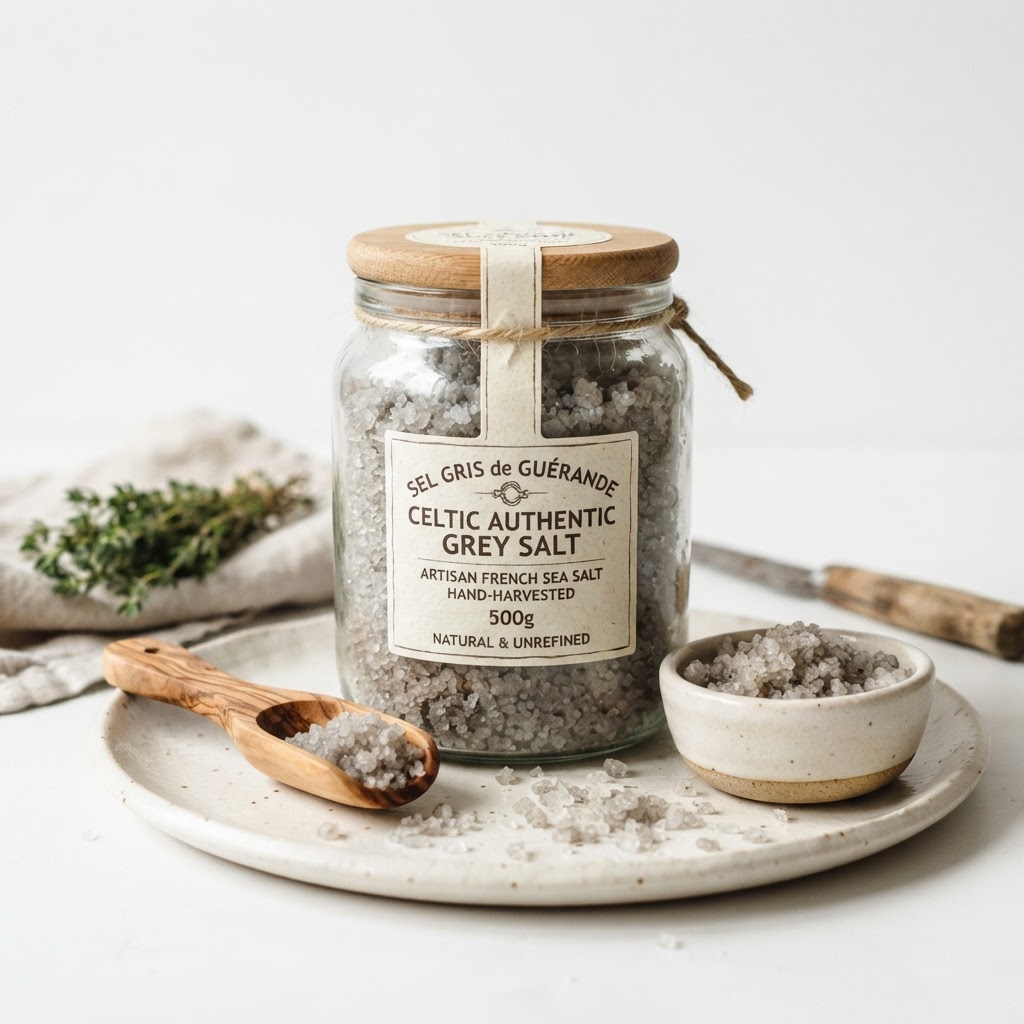
🧂 AUTHENTIC GUÉRANDE CELTIC SALT
Celtic Authentic Grey Salt – 500g / 17.6 oz
Hand-harvested · Unrefined · trace minerals whose levels vary by harvest and product · IGP certified
Fleur de sel should be stored in a cool, dry place, ideally in an airtight container to maintain its moisture and prevent clumping. Avoid exposing it to direct heat or sunlight, as this can affect its texture and flavor.
Can fleur de sel be used in baking?
Yes, fleur de sel can be used in baking! It adds a delightful contrast in flavor when sprinkled on baked goods like cookies, brownies, or pretzels just before serving, enhancing the overall taste profile of the dishes.
Is fleur de sel suitable for all diets?
Yes, fleur de sel is suitable for most diets, being a natural unrefined salt. It is free from additives and preservatives, making it a versatile choice for those following various dietary restrictions.
Where can I buy high-quality fleur de sel?
High-quality fleur de sel can be purchased from gourmet food stores, specialty salt purveyors, or online retailers that focus on artisanal gourmet products. Look for those that offer authentic fleur de sel with proper certifications and detailed sourcing information.
Conclusion
In conclusion, fleur de sel is not just a finishing salt; it embodies a rich history and tradition rooted in the coastal regions of Brittany, making it a culinary treasure. Its unique flavor profile and delicate texture have endeared it to chefs and home cooks, while its artisanal production methods give it a special place in the realm of gourmet ingredients.
As a versatile salt, fleur de sel elevates cooking, baking, and even personal care routines, offering a myriad of ways to integrate its benefits into daily life. By understanding what to look for when purchasing fleur de sel, consumers can select high-quality products that truly reflect the artisanal craft behind them.
For health-conscious consumers, adopting fleur de sel is a step toward embracing not only gourmet tastes but also an appreciation for traditional methods and quality ingredients. As you explore the world of fleur de sel, you open doors to new culinary experiences that are both delicious and enriching, capturing the essence of its origin and enhancing the harmony of flavors in your meals.
Celtic Salt — IGP Guérande
Hand-harvested by Breton paludiers. 500g / 17.6 oz jar, unrefined, trace minerals whose levels vary by harvest and product.
Free shipping — standard tracked delivery included