Guide· by Celtic Salt Editorial Team
Fine Sea Salt
Using fine sea salt in daily cooking can enhance your culinary creations remarkably. Here’s a practical guide to harnessing its full potential in your kitchen. First, consider the types of dishes you'll be preparing. Fine sea salt is ideal for seasoning vegetables, meats, fish, and even baking. When cooking vegetables, you can sprinkle fine sea salt before roasting. This brings out their natural flavors while also improving texture.
When it comes to meats, fine sea salt is perfect for marinating. Rub the salt into meats hours before cooking to allow flavors to penetrate deeply. For those who enjoy seafood, a light sprinkle on fish fillets before grilling can amplify its natural taste without overwhelming it. Additionally, when you prepare pasta, adding fine sea salt to the cooking water imparts subtle flavor to the pasta itself, setting the stage for a well-seasoned dish.
Baking is another area where fine sea salt shines. When added to doughs or batters, it balances sweetness and enhances the richness of other ingredients. For example, a pinch of fine sea salt in chocolate chip cookies can enhance the chocolate flavor remarkably.
You can also use fine sea salt as a finishing salt. After plating a dish, a delicate sprinkle can create a crunchy texture and a burst of flavor, enhancing the overall presentation and experience. When grilling meats or roasting vegetables, consider a finishing touch of fine sea salt to elevate their texture and taste just before serving.
For those who enjoy experimenting, try combining fine sea salt with herbs and spices to create your custom seasoning blends. This can lead to unique flavors that brighten up any dish. Overall, integrating fine sea salt into your cooking routine can elevate your meal preparation, offering both flavor enhancement and culinary creativity, while remaining aligned with health-conscious principles.
Discover — $79.99 →
How to Use fine sea salt
Fine sea salt extends its benefits beyond the kitchen and can be incorporated into various lifestyle practices, making it a versatile choice for health-conscious individuals. One of the significant non-culinary uses of fine sea salt is in wellness routines. Many people opt to use fine sea salt in baths, known for its potential soothing properties. The minerals present in unrefined salt may create a calming experience, helping to relax tired muscles and promote a sense of tranquility after a long day. In skincare, fine sea salt can serve as a natural exfoliant, allowing for gentle scrubbing of the skin, removing dead cells and promoting a smoother complexion. Combined with a carrier oil, fine sea salt can be transformed into a homemade scrub, perfect for rejuvenating the skin and infusing it with essential minerals. This practice can be especially beneficial for those seeking more natural beauty routines and is a great way to treat oneself at home. Fine sea salt also finds its way into wellness rituals such as salt inhalation therapy or salt lamps. While these practices are often cited for their calming and beneficial effects, it's essential to explore them within the context of personal health preferences. The idea is that salt's natural properties may support focus and relaxation, adding another layer of beneficial use beyond food. For families who practice holistic living, integrating fine sea salt into household cleaning routines can also be beneficial. Its natural abrasive qualities can assist with scrubbing surfaces without harsh chemicals, allowing for a cleaner and more natural home environment. Whether incorporating fine sea salt in culinary applications, wellness routines, or household tasks, its unrefined and versatile nature allows it to serve multiple purposes. This contributes to a more healthful lifestyle, aligned with principles of natural living and overall well-being.🧂 AUTHENTIC IGP GUÉRANDE SALT
500g / 17.6 oz · Hand-harvested · Brittany, France
What to Look for When Buying
When purchasing fine sea salt, quality is of utmost importance. The market is cluttered with various types of salt, some of which may not meet the expected standards of purity and flavor. Therefore, understanding what to look for can guide consumers toward making informed choices. One critical aspect to consider is whether the salt is **unrefined**. Unrefined salts, such as Celtic sea salt, retain their natural minerals, providing both flavor and health benefits. Look for certifications such as **IGP Guérande**, which stands for "Indication Géographique Protégée" and assures that the salt has been sourced from designated salt marshes in the Guérande region of Brittany, France, using traditional methods. This certification not only confirms authenticity but also guarantees that rigorous standards are maintained during the harvesting process, preserving the natural state of the salt. Another quality indicator is the texture and color of the salt. Fine sea salt should have a light grey hue, a result of the minerals absorbed during the evaporation process. If the salt appears completely white or overly processed, it may signify refinement, which strips the salt of its beneficial minerals. Additionally, packaging is a vital element when buying sea salt. Ability to trace the source and method of production is paramount. Transparent brands are more likely to produce high-quality salts. It can be wise to avoid salts that include anti-caking agents or other additives, as these can compromise the salt’s integrity. To spot inferior products, read the ingredient labels carefully; the only ingredient listed should be sea salt. Ultimately, investing in fine sea salt from reputable sources not only elevates your culinary endeavors but also aligns with health-conscious choices that prioritize unprocessed and authentic culinary elements.Common Questions About fine sea salt
What distinguishes fine sea salt from regular table salt?
Fine sea salt is harvested from evaporated seawater and retains trace minerals, offering a milder flavor and more natural qualities compared to regular refined table salt, which is typically stripped of minerals and may contain additives.
Can fine sea salt be used in baking?
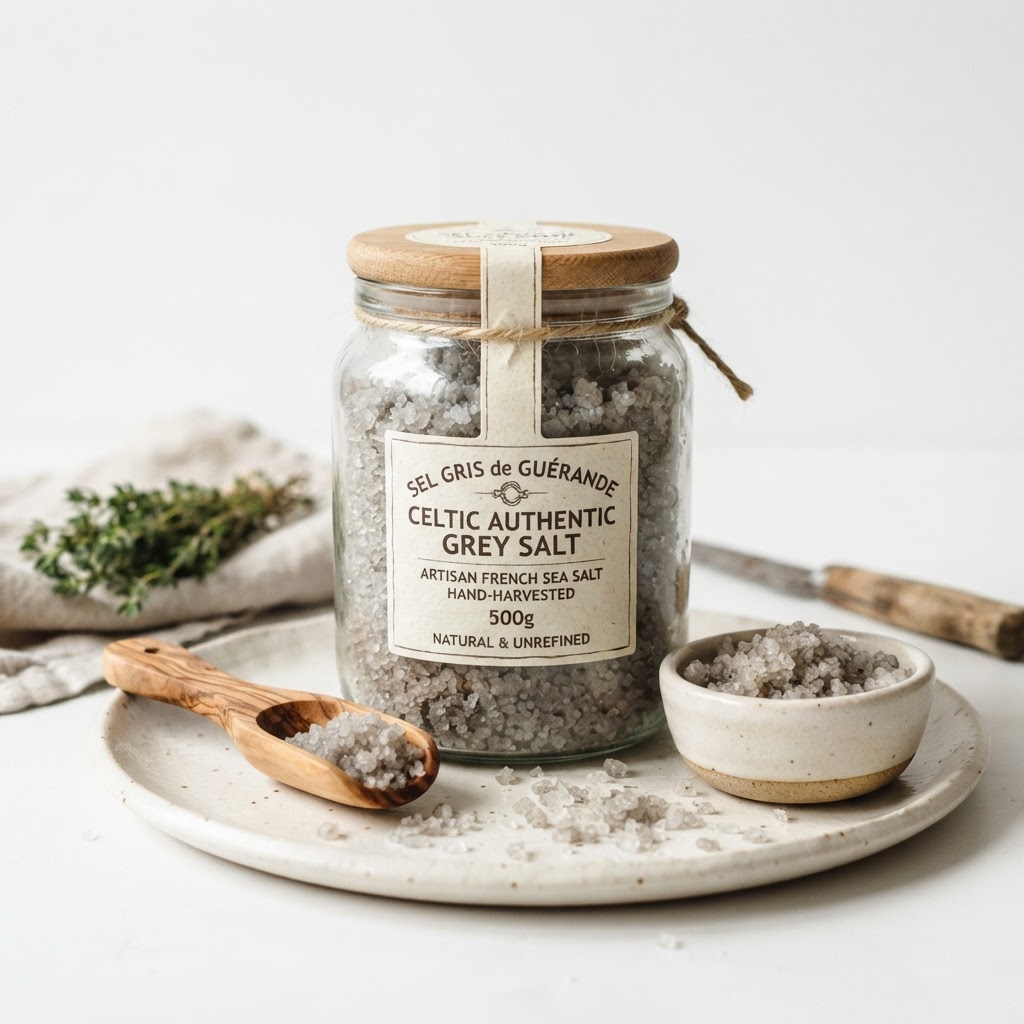
🧂 AUTHENTIC GUÉRANDE CELTIC SALT
Celtic Authentic Grey Salt – 500g / 17.6 oz
Hand-harvested · Unrefined · trace minerals whose levels vary by harvest and product · IGP certified
Compare at $114.99
Get Your Bag — $79.99 →Absolutely! Fine sea salt can enhance the flavor of baked goods by balancing sweetness and providing depth. It is often recommended to incorporate it into doughs, batters, or as a finishing touch on pastries.
Is fine sea salt suitable for all diets?
Fine sea salt is generally compatible with most diets, including vegetarian and gluten-free. However, individuals with specific health conditions should consult with a healthcare professional regarding salt intake.
How should fine sea salt be stored?
Fine sea salt should be stored in a cool, dry place, preferably in an airtight container. This prevents moisture absorption and ensures its quality and flavor are maintained over time.
Can fine sea salt replace kosher salt in recipes?
Yes, fine sea salt can be used in place of kosher salt, but adjustments in quantity may be necessary due to differences in crystal size and density. It’s advisable to start with a smaller amount and adjust according to taste.
Conclusion
In conclusion, fine sea salt emerges as a vital component in both culinary and wellness practices. Its unrefined nature not only sets it apart from typical table salt but also makes it a favored choice among health-conscious consumers. The ability of fine sea salt to enhance flavors, alongside its potential health benefits, underlines its importance in the kitchen and beyond. From its origins in the pristine coastal areas of Brittany, specifically the Guérande region, to its versatility in cooking and holistic practices, fine sea salt has a rich story and utility. Understanding how to utilize it effectively can enhance everyday meals and elevate your cooking skills, while appreciating its broader applications can enrich your lifestyle. Whether you are looking to refine your culinary technique or introduce natural solutions into your wellness routine, fine sea salt is an exceptional option. By choosing high-quality products and understanding their origins and benefits, consumers can nourish both their bodies and palates. Fine sea salt is more than just a seasoning; it is a bridge to a more flavorful and healthful way of living.Celtic Salt — IGP Guérande
Hand-harvested by Breton paludiers. 500g / 17.6 oz jar, unrefined, trace minerals whose levels vary by harvest and product.
Free shipping — standard tracked delivery included
Get Your Bag — $79.99 →