What Is Celtic Salt and Blood Pressure: What the Science Says About Sodium and Why It Matters in 2026
For generations, the conversation around salt and blood pressure has been dominated by a single, sweeping directive: eat less sodium. Public health campaigns, cardiologists, and dietary guidelines have consistently pointed to salt consumption as one of the primary culprits behind hypertension — a condition affecting more than 1.28 billion adults worldwide, according to the World Health Organization. But as nutritional science evolves and our understanding of food complexity deepens, a more nuanced story is beginning to emerge. Not all salts are created equal, and the mineral profile of the salt you consume may matter just as much as the quantity. This is where Celtic grey salt from Guérande, Brittany enters the conversation — not as a miraculous cure, but as a thoughtfully different approach to one of humanity's oldest and most essential condiments.
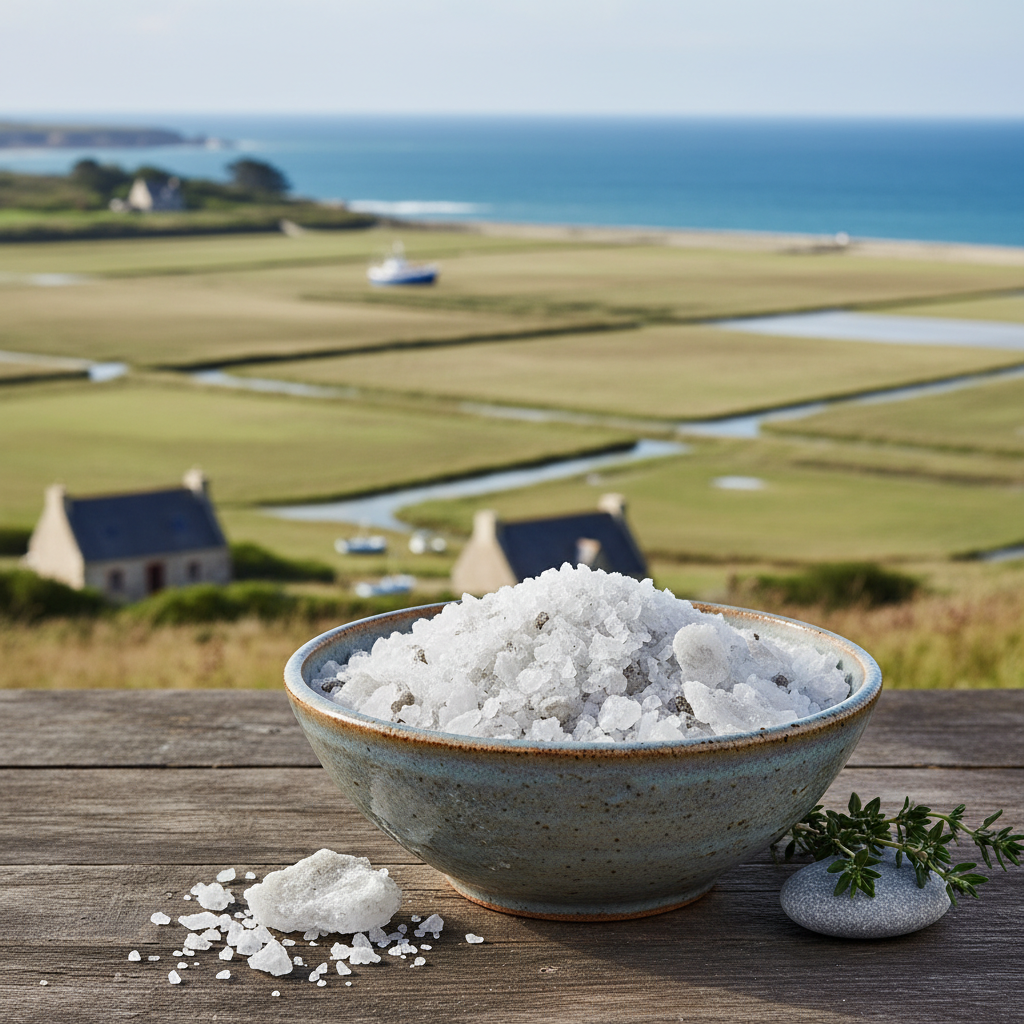
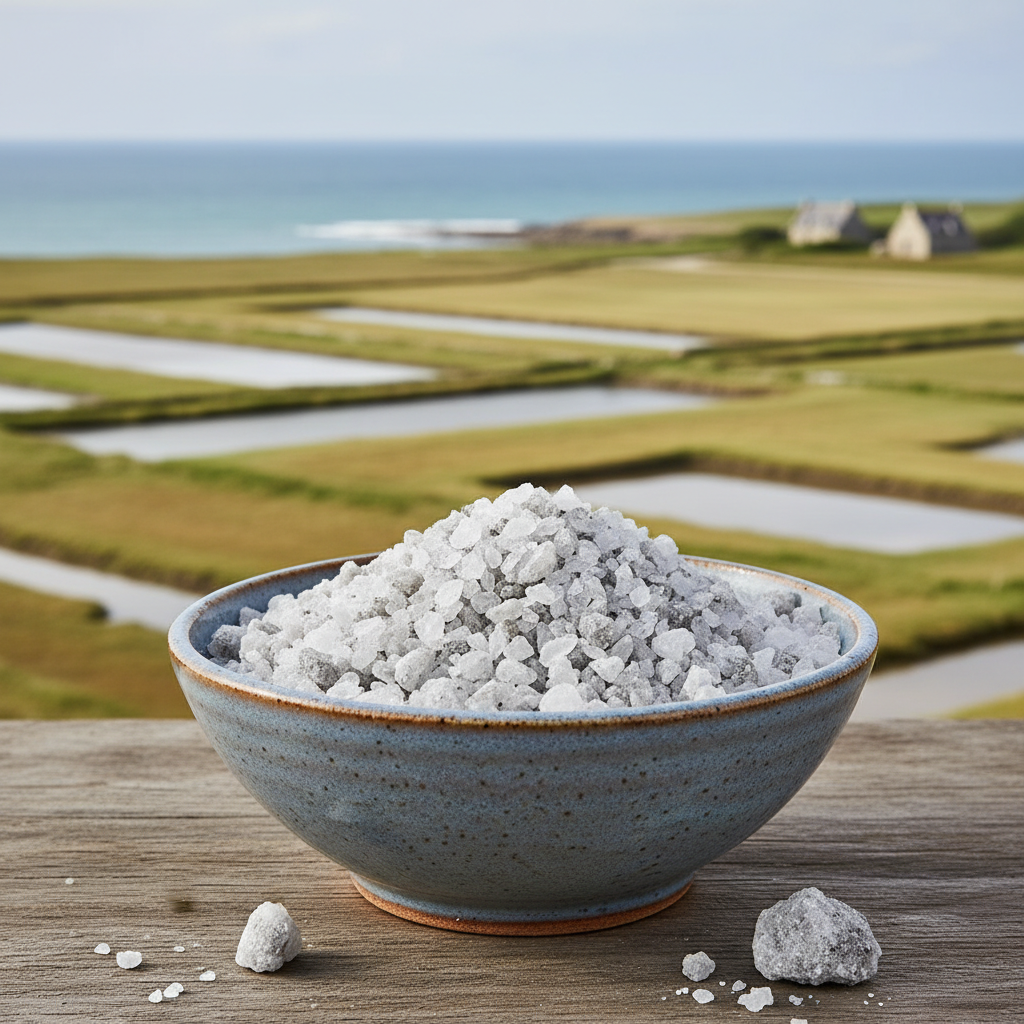
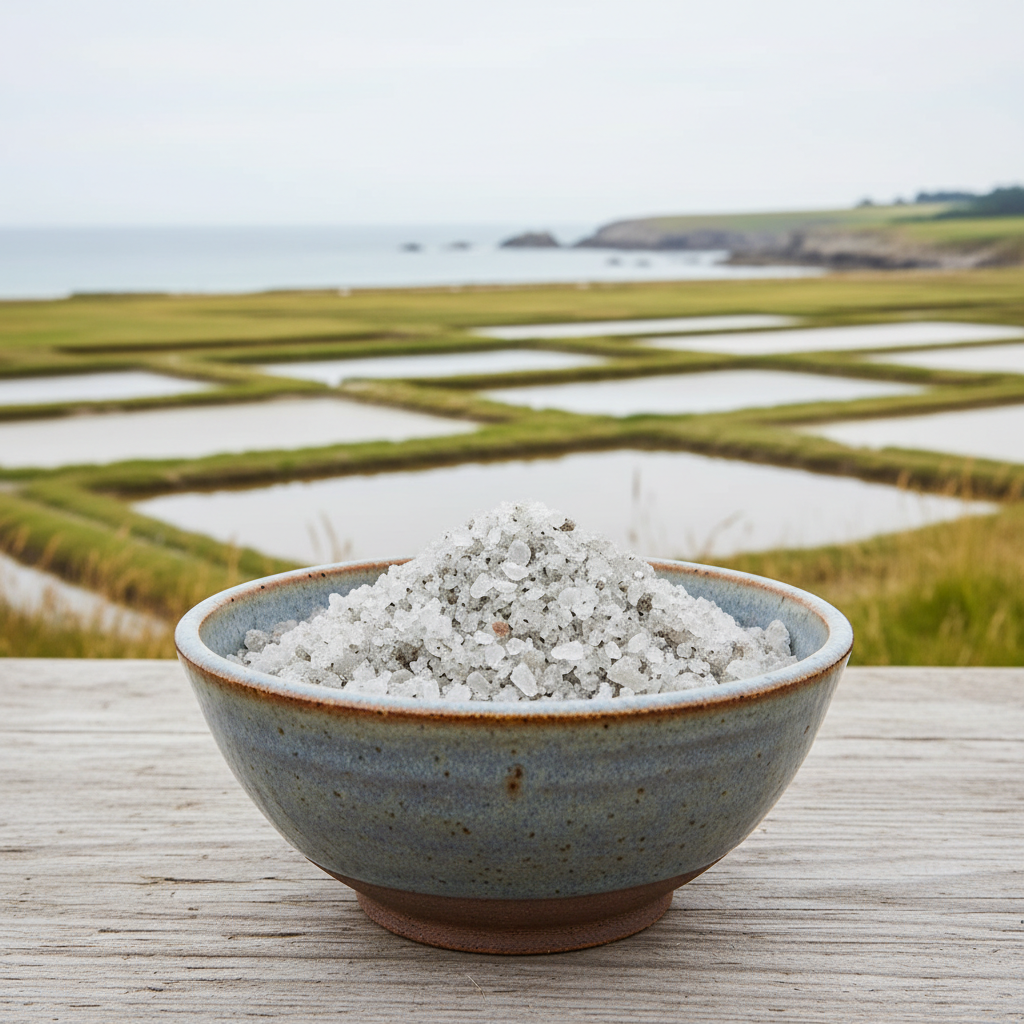
Celtic grey salt, known in French as sel gris, is harvested using ancient, hand-raking techniques along the Atlantic coast of Brittany. Unlike refined table salt, which undergoes extensive industrial processing that strips away virtually all minerals and often adds anti-caking agents, Celtic grey salt retains its natural moisture and its full spectrum of trace minerals. These include magnesium, calcium, potassium, iron, zinc, manganese, and over 80 other naturally occurring elements absorbed directly from the ocean water and the clay-lined salt pans known as oeillets. This mineral richness is not just a marketing talking point — it represents a fundamentally different nutritional composition compared to the bleached sodium chloride that fills most kitchen shakers and processed foods around the world.
The relevance of this distinction to blood pressure is significant and increasingly backed by emerging research. The sodium-potassium ratio in the diet has long been understood to be critical in blood pressure regulation. Potassium, in particular, acts as a natural counterbalance to sodium, helping the kidneys excrete excess sodium and relaxing blood vessel walls. Magnesium plays a similarly important role, supporting vascular tone and reducing arterial stiffness. When you consume a salt that contains meaningful levels of these minerals alongside its sodium content, the physiological impact on blood pressure may differ meaningfully from the impact of pure sodium chloride. This is the crux of the emerging scientific discussion around artisanal salts like Celtic grey salt and cardiovascular health — and it is a conversation that deserves far more rigorous attention than it has received so far in mainstream health discourse.
It is important to note upfront that this article does not make medical claims, and Celtic grey salt should not be treated as a substitute for professional medical advice or prescribed medications. If you have been diagnosed with hypertension or any cardiovascular condition, always consult your healthcare provider before making dietary changes. What this article does offer is a thorough, evidence-informed exploration of what science currently understands about sodium, mineral balance, blood pressure, and how the unique composition of Celtic grey salt fits into that picture. In 2026, as consumers become increasingly sophisticated about nutrition labels, processing methods, and ingredient quality, understanding the real science behind your salt is not just interesting — it is genuinely important for long-term health.
The Complete Guide to Celtic Salt and Blood Pressure: What the Science Says About Sodium
To understand how Celtic grey salt interacts with blood pressure, we first need to establish what the science actually says about sodium itself. Sodium is an essential electrolyte. It is not the villain it is sometimes portrayed as — without adequate sodium, the human body cannot maintain proper fluid balance, transmit nerve impulses, or support healthy muscle contraction. The kidneys work continuously to regulate sodium levels in the blood, and when sodium intake is excessive, the kidneys retain more water to dilute the concentration, increasing blood volume and thereby raising blood pressure. This mechanism is well-established and forms the scientific basis for sodium-reduction guidelines.
However, decades of research have made it clear that the story is far more complex. The landmark DASH (Dietary Approaches to Stop Hypertension) study demonstrated that a diet rich in potassium, magnesium, and calcium from whole foods could significantly reduce blood pressure — even without dramatically restricting sodium. A seminal paper published in the New England Journal of Medicine highlighted that the sodium-to-potassium ratio in the diet is a stronger predictor of cardiovascular risk than sodium intake alone. This finding is pivotal because it shifts the focus from merely reducing one mineral to achieving a healthier overall electrolyte balance — precisely the kind of balance that a mineral-rich salt like Celtic grey salt is better positioned to support than refined table salt.
Celtic grey salt typically contains approximately 33–34% less sodium per gram than standard refined table salt when measured by weight, partly because of its higher moisture content and its mineral inclusions. A typical analysis of authentic Guérande Celtic grey salt shows sodium chloride content in the range of 84–87%, compared to 97–99% for refined table salt. The remaining percentage consists of naturally occurring minerals — most notably magnesium chloride, calcium chloride, and potassium chloride. These are not added in a laboratory; they are naturally present in Atlantic seawater and concentrated through the evaporation process in Brittany's salt marshes. This natural mineral matrix is what makes Celtic grey salt compositionally unique.
Magnesium deserves special attention in the context of blood pressure. Multiple meta-analyses have confirmed that higher magnesium intake is associated with lower blood pressure. A 2016 meta-analysis published in Hypertension, a journal of the American Heart Association, analyzed 34 clinical trials involving over 2,000 participants and found that magnesium supplementation produced significant reductions in both systolic and diastolic blood pressure. While the magnesium in Celtic grey salt is present in smaller quantities than a dedicated supplement, its bioavailability — occurring naturally in an ionic form within a complex mineral solution — may be superior to synthetic supplementation. Regular use of Celtic grey salt as a seasoning could contribute meaningfully to daily magnesium intake alongside other dietary sources.
Potassium's role in blood pressure regulation is equally well-documented. The World Health Organization recommends a daily potassium intake of at least 3,500 milligrams for adults, yet most modern Western diets fall well short of this target. Potassium works through the kidneys to increase sodium excretion, effectively reducing the blood volume that contributes to elevated blood pressure. It also helps relax the walls of blood vessels, reducing peripheral resistance. Celtic grey salt contains potassium chloride as a natural component, meaning every pinch you use adds a small but meaningful contribution to your potassium intake alongside its sodium content — a dynamic that simply does not exist with refined table salt.
It is also worth discussing what Celtic grey salt does not contain that many refined salts do. Standard table salt typically contains additives such as sodium ferrocyanide (an anti-caking agent), sodium iodide or potassium iodide (added iodine), sodium bicarbonate, and sometimes dextrose to stabilize the iodine. While iodine fortification was an important public health measure that helped eliminate iodine-deficiency disorders in many populations, people who consume a varied diet rich in seafood, dairy, and eggs may not require additional iodine supplementation through their salt. More importantly, the processing additives in refined salt have no nutritional benefit and introduce chemical compounds that simply do not belong in a naturally pure food product. Celtic grey salt, by contrast, contains nothing but salt and nature.
For a deeper dive into how Celtic grey salt compares to other salt varieties across multiple health dimensions, you may find this resource particularly useful: Celtic Salt vs. Table Salt: A Complete Nutritional Comparison. Understanding the full spectrum of differences between these salts provides essential context for evaluating the blood pressure discussion.
Health and Culinary Benefits
Beyond the specific conversation about sodium and blood pressure, Celtic grey salt offers a broad range of health-adjacent and culinary benefits that make it a superior choice for health-conscious consumers. It is important to reiterate that these observations are evidence-informed and do not constitute medical claims. The goal here is to present what is known about the nutritional properties of this salt and how they interact with human physiology based on current research.
The difference a real salt makes: Discover Celtic Grey Salt →
The trace mineral content of authentic Celtic grey salt is one of its most compelling health attributes. Ocean water contains over 80 naturally occurring minerals and elements, and traditional salt harvesting methods preserve many of these in the finished product. Zinc, which is present in Celtic grey salt, plays an essential role in immune function, wound healing, and enzyme activity. Iron, another trace component, is critical for oxygen transport in the blood. Manganese contributes to bone formation and antioxidant enzyme function. While none of these minerals are present in large quantities in salt, the cumulative effect of consuming a mineral-rich salt over a lifetime — as opposed to a mineral-stripped processed product — represents a meaningful nutritional difference, particularly for individuals whose diets may be less than perfectly varied.
Hydration is another area where Celtic grey salt's mineral profile offers distinct advantages. Electrolytes — particularly sodium, potassium, and magnesium — are essential for proper cellular hydration. When you consume Celtic grey salt, you are introducing a balanced electrolyte complex rather than a single, isolated mineral. Athletes and active individuals have long recognized that optimal hydration is not simply about water intake but about maintaining the right electrolyte balance. Some sports nutritionists have begun recommending mineral-rich natural salts as a food-based alternative or complement to commercial electrolyte drinks, many of which contain added sugars and artificial ingredients.
From a culinary perspective, Celtic grey salt offers characteristics that go far beyond its mineral content. Its natural moisture gives it a slightly different texture and behavior than dry, free-flowing table salt — it clumps naturally and dissolves more slowly, making it ideal for certain cooking applications. Its flavor is often described as briny, complex, and "oceanic," with a depth that refined salt simply cannot replicate. Professional chefs throughout France and increasingly across the globe have prized Guérande salt for centuries precisely because it enhances food flavor in a way that allows less salt to be used overall while achieving a more satisfying taste result. This is not merely anecdotal — the complex mineral interactions in Celtic grey salt do genuinely affect how it interacts with taste receptors on the tongue.
The gut microbiome connection is an emerging area of interest. Preliminary research suggests that the diversity of minerals in the diet may influence the diversity and health of the gut microbiota, which in turn has implications for systemic inflammation, immune function, and even cardiovascular health. While direct studies linking Celtic grey salt specifically to gut microbiome changes do not yet exist, the broader scientific principle — that dietary mineral diversity supports biological diversity in the gut — provides an intriguing theoretical framework for future research. Consuming a more complex, natural salt as part of an overall whole-foods diet may contribute to this broader nutritional ecosystem in ways we are only beginning to understand.
For more information about the specific mineral analysis of authentic Celtic grey salt and what those minerals mean for your health, explore our detailed breakdown: Celtic Salt Minerals: A Complete Guide to What's Inside Every Crystal.
How to Use Celtic Salt and Blood Pressure Knowledge — Expert Tips for Daily Practice
Understanding the science is only half the journey. The other half is knowing how to translate that knowledge into practical, daily habits that support cardiovascular health without sacrificing the pleasure of eating well. Here is a comprehensive practical guide to incorporating Celtic grey salt mindfully and effectively into your diet, with a particular eye toward blood pressure management.