Hand-harvested Guérande salt · Tracked international delivery included
Guide· by Celtic Salt Editorial Team
Does Celtic Salt Have Zinc
What Is Zinc in Celtic Salt and Why It Matters in 2026
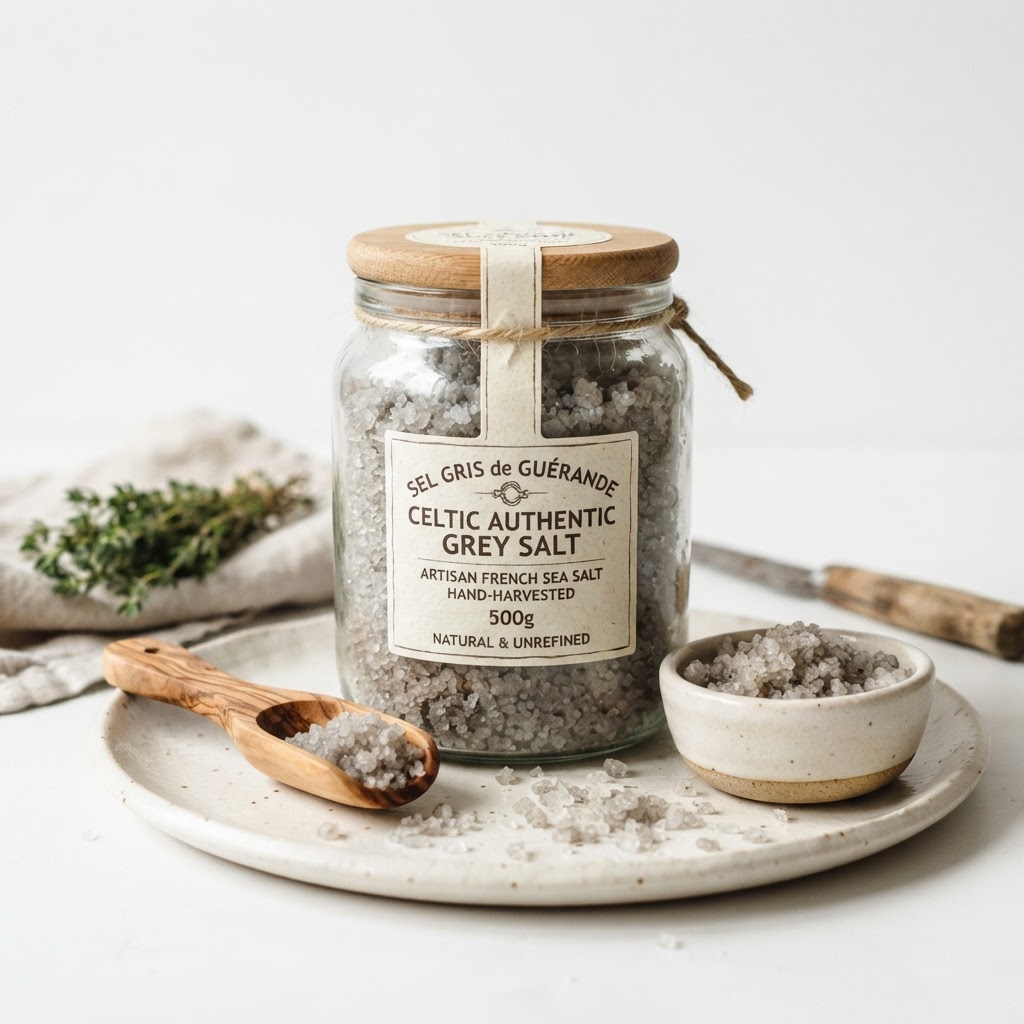
Celtic grey salt, harvested by hand from the ancient salt marshes of Guérande in Brittany, France, is celebrated worldwide for something that ordinary table salt simply cannot offer: a rich, complex mineral profile that goes far beyond basic sodium chloride. One of the most frequently asked questions from health-conscious consumers, nutritionists, and culinary professionals alike is whether Celtic salt contains zinc — and if so, how meaningful that zinc content truly is. The short answer is yes, authentic Celtic grey salt does contain trace amounts of zinc, along with a fascinating array of other naturally occurring minerals. But understanding the full picture requires a deeper look at how this extraordinary salt is made, what its mineral composition actually looks like, and why the presence of zinc — even in trace quantities — is relevant to your overall wellness and culinary practice in 2026.
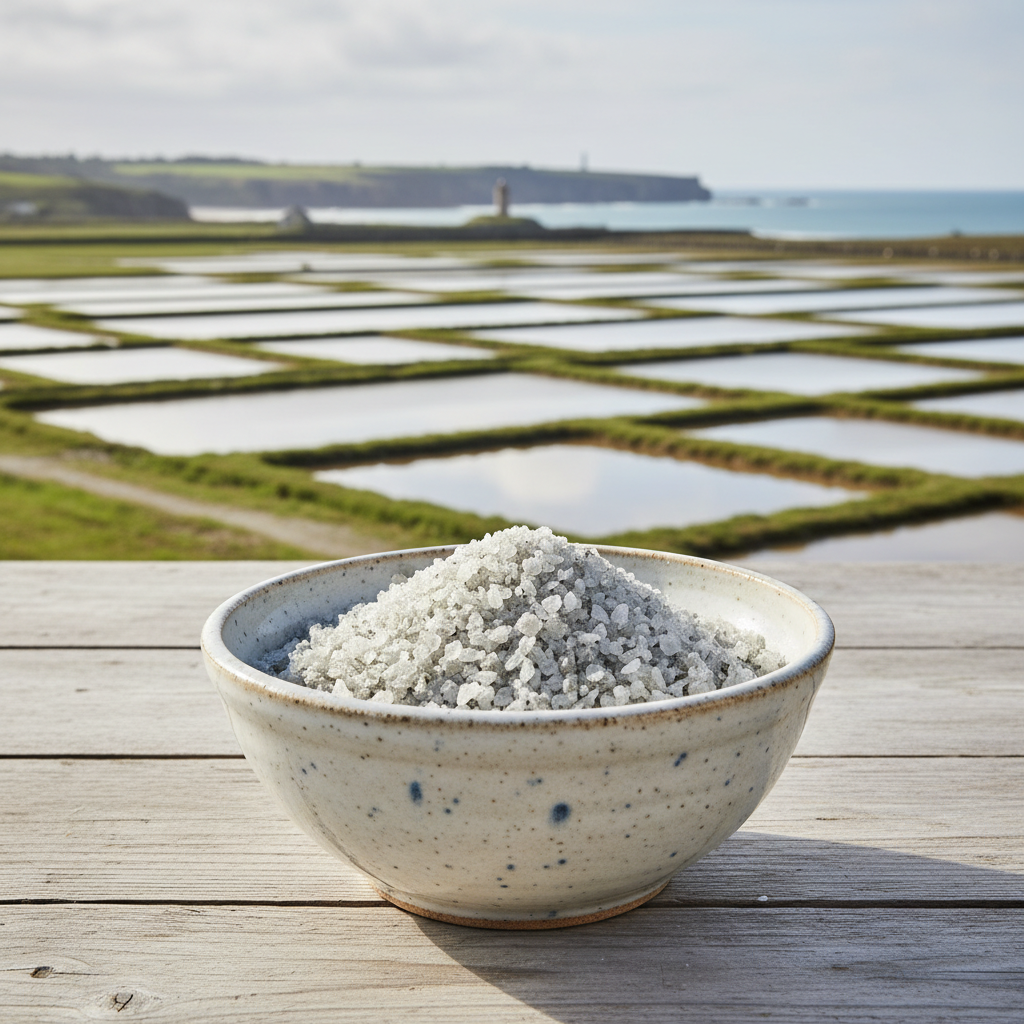
To appreciate why zinc matters in Celtic salt, it helps to understand what sets this traditional salt apart from the heavily processed alternatives that dominate supermarket shelves. Authentic Celtic grey salt is harvested using centuries-old paludier methods on the Atlantic coast of Brittany. Salt farmers use wooden rakes to collect the salt from clay-lined salt pans, allowing the natural grey colour and moist texture to develop through direct contact with the mineral-rich clay and ocean water. This process is deliberately slow and non-industrial, ensuring that the full spectrum of oceanic minerals — including magnesium, calcium, potassium, iron, manganese, and yes, zinc — remains intact. Modern table salt, by contrast, is stripped of virtually all its trace minerals during the refining and bleaching process, leaving behind nearly pure sodium chloride that, while functional, lacks the biological complexity of its traditional counterpart.
Zinc is an essential trace mineral that plays a critical role in more than 300 enzymatic reactions in the human body. It supports immune function, protein synthesis, wound healing, DNA synthesis, and cell division. It is particularly important for maintaining healthy skin, supporting reproductive health, and facilitating normal taste and smell perception. The World Health Organization identifies zinc deficiency as a significant global health concern, and many people in modern societies — particularly those who follow plant-based diets or consume heavily processed foods — may not be getting adequate amounts from their diet alone. When a natural food ingredient like Celtic grey salt provides even a modest contribution of zinc alongside its other minerals, that contribution becomes nutritionally relevant as part of a broader dietary pattern aimed at whole-food mineral intake.
In 2026, there is a growing movement among nutritionists, integrative health practitioners, and culinary experts toward what is often described as "mineral-conscious eating." This approach emphasises not just macronutrient balance but the importance of trace minerals in supporting long-term cellular health, metabolic function, and vitality. Celtic grey salt sits at the heart of this movement because it represents one of the most accessible ways to introduce naturally occurring trace minerals — including zinc — into daily food preparation without changing eating habits dramatically. Rather than reaching for synthetic supplements, many people are rediscovering the wisdom of using unrefined, traditionally harvested salt as a gentle, food-based source of the micronutrients their bodies need. Celtic salt's zinc content, while modest, is part of a broader mineral synergy that makes this ancient ingredient genuinely relevant to modern wellness conversations.
The Complete Guide to Zinc in Celtic Salt
Let us begin with the mineral science. Authentic Celtic grey salt contains zinc in trace quantities, typically ranging from approximately 0.5 to 2 milligrams per 100 grams of salt, depending on the specific harvest location, season, and the particular batch of salt. These numbers may seem small at first glance, and indeed they are — Celtic salt is not intended to be your primary dietary source of zinc, nor should it be. However, the significance of zinc in Celtic salt becomes clearer when we consider it within the context of the salt's complete mineral matrix. Celtic grey salt contains over trace minerals whose levels vary by harvest and product, and it is the synergistic interaction between these minerals — including magnesium, calcium, potassium, iron, manganese, silica, copper, and zinc — that creates a genuinely nutritional ingredient rather than a simple flavour enhancer.
The zinc found in Celtic salt originates from the Atlantic Ocean itself. The waters off the coast of Brittany are exceptionally rich in minerals due to the region's geography, the depth of tidal influence, and the clay composition of the Guérande salt marshes. When seawater flows into the salt pans during high tide, it carries with it dissolved minerals from deep oceanic sources. As the water evaporates slowly under the Breton sun and coastal winds, these minerals concentrate and eventually crystallise into the salt crystals that paludiers harvest. Zinc, like all the other trace minerals present, becomes embedded within the salt crystal structure itself, which means it remains bioavailable and naturally bound in a form that the human body can recognise and utilise more effectively than synthetic mineral compounds.
It is worth comparing the zinc content of Celtic salt with that of other salt types to understand what you are actually gaining or losing when you make a choice at the table or in the kitchen. Refined table salt contains essentially zero zinc, as the refining process removes all trace minerals before anti-caking agents and sometimes iodine are added artificially. Some pink Himalayan salts do contain zinc, though their mineral concentrations vary considerably depending on the mine source and whether the product has been processed. Celtic grey salt, harvested in a consistently mineral-rich marine environment and processed minimally, tends to offer a reliable and relatively consistent trace mineral profile that includes zinc as part of its naturally occurring composition. This consistency is a direct result of the regulated harvesting practices and the controlled conditions of the Guérande marshes.
Beyond zinc, the mineral context of Celtic salt deserves attention. Magnesium is present in significantly higher quantities — often around 450 to 1,500 milligrams per 100 grams — and plays a vital role in supporting the absorption and utilisation of other minerals, including zinc. Calcium and potassium are also present, and together with magnesium and zinc, they create an electrolyte and trace mineral profile that more closely resembles the natural mineral balance of human body fluids than any refined salt product can achieve. This is why many athletes, nutritionists, and wellness advocates prefer Celtic grey salt: not because any single mineral content is dramatically high, but because the complete mineral profile reflects a kind of natural nutritional intelligence that processed salts simply cannot replicate. You can explore the full range of authentic Celtic grey salt products available at celtic-salt.com to find the right option for your health and culinary needs.
The bioavailability of zinc in Celtic salt is another important consideration. In nutritional science, bioavailability refers to the proportion of a nutrient that is actually absorbed and used by the body after ingestion. Zinc from natural, unrefined food sources tends to have good bioavailability, particularly when it is consumed alongside other co-factors that support absorption, such as amino acids from protein-rich foods and the magnesium naturally present in Celtic salt itself. When you season a protein-rich meal — grilled fish, roasted meat, or eggs — with Celtic grey salt, the zinc from the salt is consumed alongside dietary protein, which facilitates its absorption in the digestive tract. This is food-based nutrition working exactly as nature intended, and it is one of the reasons why traditionally prepared diets, which relied on unrefined salts rather than processed alternatives, often provided more complete micronutrient profiles.
Health and Culinary Benefits
The health-supportive properties of Celtic grey salt are multifaceted, and zinc plays an interesting supporting role within the broader picture. Zinc is known to be important for immune system function — it helps activate T-lymphocytes, the white blood cells responsible for controlling and regulating immune responses, and it plays a role in the development and function of cells that mediate both innate and adaptive immunity. Adequate zinc intake is associated with normal growth and development during pregnancy, childhood, and adolescence. It is also involved in the senses of taste and smell, which is particularly poignant when considering salt as a culinary ingredient — using a zinc-containing natural salt may subtly support the very sensory systems through which you enjoy food. It is important to note that these are general associations observed in nutritional research; Celtic salt is not a medicine or a treatment for any specific health condition.
From a culinary perspective, the benefits of Celtic grey salt extend well beyond its mineral content, though the two are deeply interconnected. The moist, slightly sticky texture of authentic Celtic grey salt, which results from its magnesium content, means that it adheres beautifully to food surfaces. When used as a finishing salt on grilled meats, roasted vegetables, or artisanal bread, it provides not only a burst of clean, complex saltiness but also a gentle mineral depth that enhances the natural flavours of ingredients. Chefs across France, and increasingly around the world, prize Celtic grey salt precisely because its flavour is nuanced rather than harsh, complete rather than one-dimensional. The presence of zinc and other trace minerals contributes to this flavour complexity in ways that are difficult to replicate with any purified or additive-laden alternative.
The electrolyte profile of Celtic salt — encompassing sodium, potassium, magnesium, calcium, and trace minerals including zinc — makes it a popular choice among athletes and active individuals who need to replenish minerals lost through sweat during intense physical activity. Zinc, in particular, is lost through sweat and is important for muscle function, protein synthesis, and recovery after exercise. Using Celtic grey salt in post-workout meals or in electrolyte-rich drinks provides a more complete mineral replenishment than sodium-only sports salts can offer. The natural balance of minerals in Celtic salt also means there is less risk of creating mineral imbalances through excessive consumption of any single isolated mineral — the whole food matrix supports a more harmonious absorption pattern. Discover more about the full mineral profile of Celtic salt and how each element contributes to your health.
The culinary applications of Celtic grey salt are enormously diverse and cover virtually every cuisine and cooking style. In traditional French cooking, sel gris — grey salt — is the everyday salt of Brittany and much of northwestern France, used generously in bread, butter, seafood preparations, charcuterie, and vegetable dishes. Its robust mineral flavour stands up beautifully to bold ingredients like aged cheeses, braised meats, and fermented foods. In bread baking, Celtic grey salt enhances gluten development and deepens flavour in ways that refined salts cannot match. For fermenting vegetables, pickles, and krauts, unrefined Celtic salt is particularly valued because it contains no additives that could interfere with beneficial bacterial cultures. The zinc and other trace minerals in the salt may even contribute small amounts of nutrients to fermented foods, as the mineral content of the salt becomes part of the brine and fermentation liquid.
How to Use Celtic Salt for Maximum Zinc and Mineral Benefit — Expert Tips
Getting the most from the zinc and trace mineral content of Celtic grey salt begins with understanding how and when to use it in your cooking. Unlike refined table salt, which is best added during cooking to dissolve evenly, Celtic grey salt often performs best when used at specific stages of the cooking process depending on your goals. For maximum flavour impact and mineral retention, many culinary professionals recommend using Celtic grey salt in two distinct ways: first, as a seasoning during cooking to build depth, and second, as a finishing salt added just before serving to preserve the salt's textural qualities and ensure its mineral profile reaches your palate in its most complete form.
When using Celtic grey salt during cooking, particularly in boiling water for pasta, blanching vegetables, or making stocks and soups, it dissolves fully and seasons the food throughout. In this application, the zinc and other trace minerals become part of the cooking liquid and are absorbed into the food itself. This is a particularly effective technique for grains and legumes — cooking lentils, chickpeas, or quinoa in water seasoned with Celtic grey salt not only adds flavour but introduces a modest mineral contribution throughout the grain's texture. For people following plant-based diets, where zinc intake can sometimes be a concern due to the presence of phytic acid in plant foods, using a mineral-rich natural salt throughout cooking represents a simple, practical strategy for increasing trace mineral exposure across every meal.