Does Celtic Salt Have Magnesium and Why It Matters in 2026
If you have ever wondered whether Celtic salt contains magnesium, the short answer is a resounding yes — and the longer answer reveals why this matters enormously for your health, your cooking, and your daily mineral intake. Celtic grey salt, traditionally harvested from the ancient salt marshes of Guérande in Brittany, France, is one of the most mineral-rich natural salts available anywhere in the world. Unlike refined table salt, which strips away virtually every beneficial compound during industrial processing, authentic Celtic grey salt retains a remarkable spectrum of over 80 trace minerals, with magnesium being among the most significant. This single fact sets Celtic salt apart from nearly every other salt product on the modern market and has made it a subject of growing interest among nutritionists, chefs, athletes, and health-conscious consumers worldwide.
Magnesium is not a minor or incidental mineral. It is involved in more than 300 enzymatic reactions in the human body, playing roles in everything from energy production and muscle contraction to nerve function, blood sugar regulation, and bone formation. The majority of adults in developed countries are estimated to consume less magnesium than is recommended by health authorities, a situation that has worsened as processed and refined foods have come to dominate modern diets. When you switch from conventional refined table salt to an unrefined mineral-rich option like Celtic grey salt, you are not merely changing a condiment — you are actively reintroducing naturally occurring minerals that your body needs and that your food processing chain has otherwise removed. In 2026, as consumers become increasingly savvy about the nutritional profiles of the ingredients they use every day, the question of magnesium in Celtic salt has moved from a niche curiosity to a mainstream health conversation.
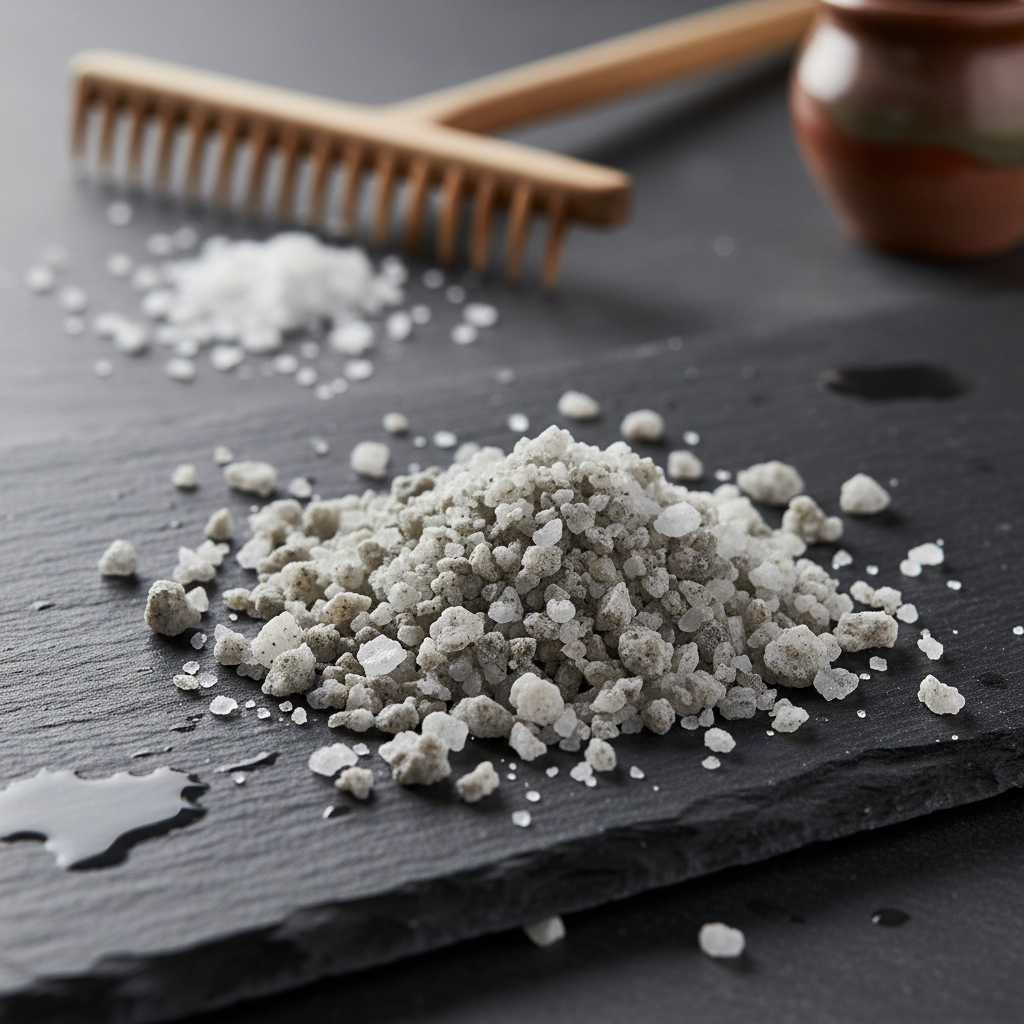
The specific reason Celtic grey salt from Guérande retains its magnesium content lies in the way it is made. The salt marshes of the Guérande peninsula have been worked continuously for over a thousand years, and the methods used by the local salt harvesters — known as paludiers — remain largely unchanged. Seawater from the Atlantic Ocean flows through a carefully managed series of channels and clay-lined basins, gradually concentrating as it moves inland and evaporates under the Breton sun and wind. The grey color that gives the salt its distinctive appearance comes from the clay minerals of the basin floor, which also contribute additional trace elements to the final product. Because the salt is never washed, refined, or treated with chemical additives, every mineral that nature deposited into the Atlantic Ocean and into those clay basins remains present in the final crystal. Magnesium, which is naturally abundant in seawater, stays exactly where it belongs.
In 2026, there is also a broader cultural and regulatory context that makes this question more relevant than ever. The IGP (Indication Géographique Protégée) certification that authentic Guérande Celtic grey salt carries means that the product's origin, production method, and quality standards are legally protected and verified. This certification matters when asking questions about mineral content because it guarantees you are getting salt that was truly made using traditional unrefined methods in the specific region of Guérande — not a cheap imitation that uses the word "Celtic" loosely on its label. When you purchase IGP-certified Celtic grey salt, you can be confident that the magnesium and other trace minerals listed are genuinely present, not marketing language applied to what is essentially standard industrial salt with grey food coloring added. That distinction has never been more important to understand than it is today.
The Science Behind Celtic Salt and Magnesium
To understand why Celtic grey salt contains meaningful amounts of magnesium, it helps to look at the composition of seawater itself. The world's oceans contain dissolved magnesium at concentrations of approximately 1,290 milligrams per liter, making it the third most abundant dissolved mineral after chloride and sodium. When seawater is evaporated to produce salt through traditional methods, the various minerals it contains do not simply disappear — they concentrate and crystallize alongside the sodium chloride. In highly refined industrial salt production, the final product is aggressively washed, re-dissolved, re-crystallized, and treated with anti-caking agents, a process that removes essentially all of these co-crystallized minerals. By contrast, Celtic grey salt from Guérande undergoes no such processing. The salt is raked from the basin floor while still moist, collected by hand by the paludiers, and stored or packaged without any further chemical intervention. The magnesium that was present in the Atlantic seawater remains in the final crystal in its naturally occurring form.
The form in which magnesium appears in Celtic grey salt is also scientifically relevant. The mineral is present partly as magnesium chloride, a highly bioavailable form of magnesium that the human body can absorb relatively efficiently. This is the same form of magnesium used in many high-quality mineral supplements and transdermal magnesium products, which underscores the natural quality of what is already present in the salt. The moisture content of Celtic grey salt — which gives it that characteristic damp, clumping texture — is itself largely composed of magnesium-rich brine. This is sometimes misunderstood by consumers who assume that the moisture is a quality defect, when in reality it is a sign of authenticity and mineral richness. The presence of that brine layer around each crystal is a reliable indicator that the magnesium and other trace minerals have been preserved rather than processed away.
It is important to maintain scientific honesty about the quantities involved. Celtic grey salt contains magnesium as part of a broad mineral profile that includes over 80 trace elements, but the absolute amount of magnesium you consume from salt alone will not fully substitute for a balanced diet or address a severe clinical deficiency on its own. However, nutritional science increasingly recognizes that the form and matrix in which minerals are consumed affects how they interact with the body. Consuming magnesium in the naturally balanced context of a whole food mineral matrix — as it occurs in unrefined sea salt — may offer advantages in terms of how the body processes and utilizes those minerals compared to isolated synthetic supplements. The synergistic presence of calcium, potassium, and other co-factors alongside magnesium in Celtic grey salt reflects the naturally balanced mineral ratios found in the ocean, ratios that mirror those found in human blood plasma to a remarkable degree.
| Mineral | Present in Celtic Grey Salt | Role in the Body | Preserved by Unrefined Method |
|---|---|---|---|
| Magnesium | Yes | Enzyme function, muscle relaxation, energy production | Yes |
| Calcium | Yes | Bone health, nerve signaling, blood clotting | Yes |
| Potassium | Yes | Heart rhythm, fluid balance, blood pressure | Yes |
| Sodium | Yes (primary mineral) | Fluid balance, nerve transmission | Yes |
| Iron | Yes (trace) | Oxygen transport, cellular respiration | Yes |
| Zinc | Yes (trace) | Immune function, wound healing | Yes |
| Iodine | Yes (trace, naturally occurring) | Thyroid hormone production | Yes |
| Selenium | Yes (trace) | Antioxidant defense, thyroid function | Yes |
How to Use Celtic Salt for Magnesium — A Complete Guide
Getting the most from the magnesium and trace minerals in Celtic grey salt requires understanding both how to use it in daily cooking and how to think about it as part of a broader nutritional strategy. The first and most straightforward approach is simply to replace whatever salt you currently use in your kitchen with authentic Celtic grey salt from Guérande. This means using it in cooking water for vegetables and grains, in marinades, in salad dressings, in soups and stews, and as a finishing salt at the table. Because Celtic grey salt is slightly less sodium-dense than refined table salt due to its moisture content and mineral diversity, many people find they naturally use a little less of it to achieve the same level of seasoning, which can be an added benefit for those monitoring their overall sodium intake.
For those who want to maximize their mineral intake from Celtic salt, there are a few practical techniques worth knowing. Making a sole (pronounced "so-lay") is a traditional practice that involves dissolving Celtic grey salt in pure water overnight to create a highly concentrated mineral solution. A small amount of this solution — typically a teaspoon — is added to a glass of water and consumed in the morning. This method delivers a broad spectrum of trace minerals, including magnesium, in a highly liquid and easily absorbed form. Athletes and individuals who sweat heavily during exercise have found this practice useful for replenishing electrolytes without relying on commercial sports drinks that often contain artificial ingredients and excessive sugars. The practice is simple, inexpensive, and draws directly on the rich mineral profile that makes Celtic grey salt unique.
The difference a real salt makes: Discover Celtic Grey Salt →
Another practical use case involves using Celtic grey salt in bath soaks and foot baths. The magnesium chloride present in Celtic grey salt can be absorbed transdermally — through the skin — when dissolved in warm water. While this method is not a substitute for dietary magnesium intake, it is a pleasant and relaxing way to supplement your mineral exposure, particularly for people who experience muscle tension, restless legs, or difficulty sleeping, all of which can be associated with suboptimal magnesium status. Simply adding a generous handful of Celtic grey salt to a warm bath or foot soak and soaking for twenty to thirty minutes allows the mineral-rich solution to interact directly with your skin. Many people report noticeably improved relaxation and reduced muscle soreness when making this a regular practice.
When using Celtic grey salt in cooking, it is worth noting that its coarser grain size and slightly moist texture mean it behaves somewhat differently from fine table salt. Here are some practical tips to make the most of it:
- Use a salt cellar or pinch bowl rather than a standard salt shaker, as the moisture content can cause clumping in narrow-necked containers.
- Add to boiling water for pasta, rice, and vegetables to season from within and introduce trace minerals into the cooking water that foods can absorb.
- Finish grilled meats and roasted vegetables with a pinch of coarser Celtic grey salt just before serving to preserve the mineral complexity and add textural contrast.
- Use in bread baking — the moisture and mineral content of Celtic grey salt can subtly improve the texture of homemade bread and enhance the depth of flavor.
- Mix into salad dressings and vinaigrettes early so it has time to dissolve and distribute its minerals evenly throughout the dressing.
- Store in a cool, dry place in a sealed container to prevent excessive moisture absorption from ambient humidity, while accepting that some clumping is natural and not a sign of spoilage.