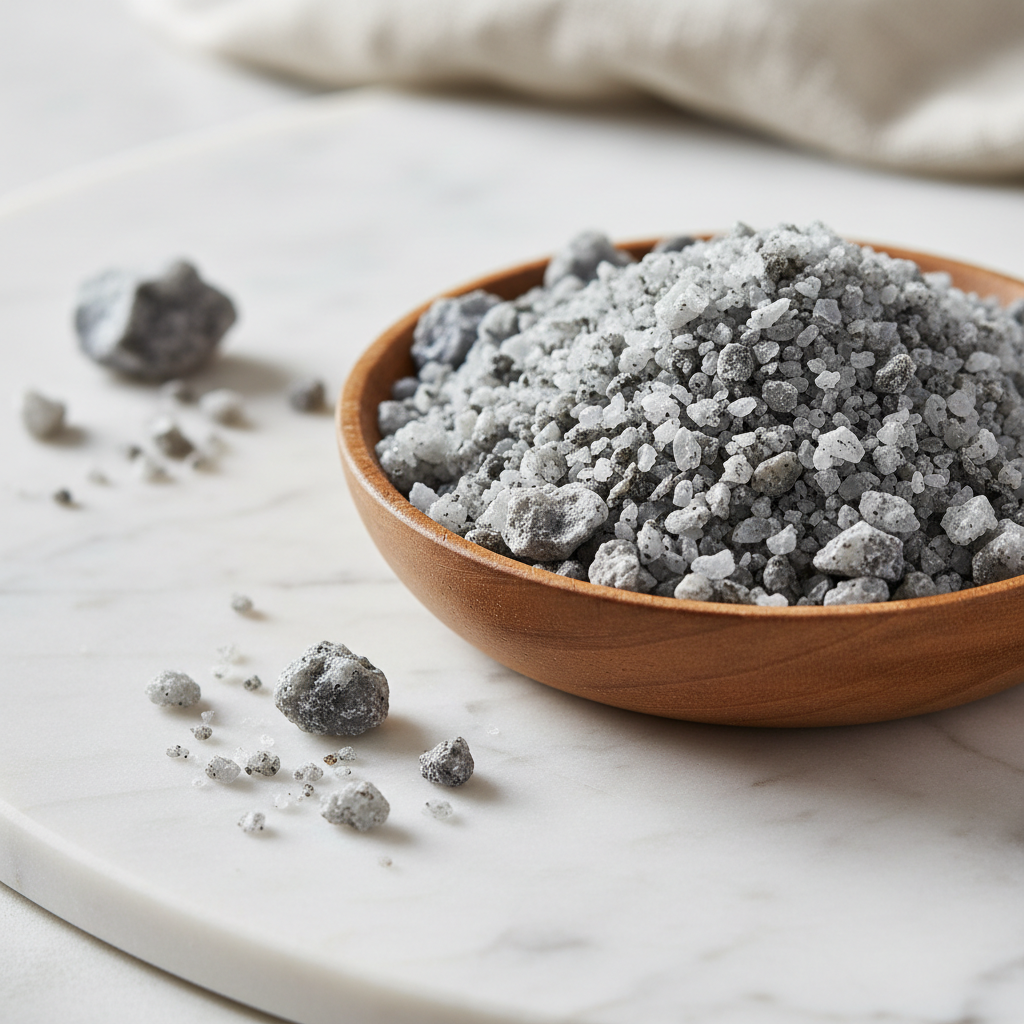
Does Celtic Salt Contain Zinc? Mineral Breakdown and Health Effects
Yes — authentic Celtic grey salt from Guérande contains zinc, along with over 80 other trace minerals. Zinc is present in meaningful but modest quantities, as part of the complete mineral spectrum that makes Celtic salt nutritionally distinct from refined table salt. Understanding the quantity, bioavailability, and practical significance of zinc (and other minerals) in Celtic salt is essential for anyone considering it as a dietary supplement or wellness ingredient.
How Much Zinc Is in Celtic Salt?
Laboratory analysis of authentic Guérande grey salt typically shows zinc content in the range of 5–30 micrograms per gram of salt, with most samples clustering around 10–15 μg/g. This means a single teaspoon (approximately 5–6 grams) of Celtic salt contains roughly 50–90 micrograms of zinc — a modest but measurable amount.
For context: the recommended dietary allowance (RDA) for zinc is 8 mg (8,000 micrograms) per day for adult women and 11 mg (11,000 micrograms) per day for adult men. A single teaspoon of Celtic salt provides approximately 0.5–1% of the daily zinc requirement. Over a full day of normal salt use (4–5 teaspoons for an average diet), you might consume 200–450 micrograms of zinc from salt alone — roughly 2–4% of the RDA.
In isolation, this does not sound like much. However, it represents a meaningful daily contribution, particularly for people following dietary patterns that emphasize mineral-rich major grocery stores. The zinc from Celtic salt is not a supplement that can replace dietary zinc sources (meat, shellfish, legumes, nuts, seeds), but it is a consistent, bioavailable daily contribution that refined table salt cannot provide.
What Other Minerals Does Celtic Salt Contain?
Zinc is one of over 80 minerals and trace minerals found in authentic Celtic grey salt. Understanding the complete mineral profile provides context for why nutritionists and health practitioners value unrefined sea salt:
Macrominerals (present in larger quantities): sodium (main component, ~33%), chloride (paired with sodium), magnesium (0.1–0.6%, significantly higher than most salts), calcium, potassium.
Trace minerals (present in smaller quantities): iron, zinc, copper, manganese, molybdenum, selenium, chromium, cobalt, nickel, iodine, bromine, silicon.
The magnesium content deserves particular attention. A single teaspoon of Celtic salt contains approximately 50–200 mg of magnesium — which is 15–50% of the RDA for magnesium, depending on age and sex. This makes Celtic salt one of the few culinary salts that provides meaningful magnesium contribution, which is especially relevant given widespread magnesium deficiency in modern Western diets.
The complete mineral spectrum in Celtic salt is thought to have complementary effects: magnesium balances sodium's effects on blood pressure; potassium works with sodium for electrolyte balance; calcium supports bone health while magnesium aids in mineral utilization. The traditional view — held by nutritionists and herbalists for centuries — is that unrefined salt delivers a more physiologically balanced input than isolated sodium chloride.
Is Zinc From Celtic Salt Bioavailable?
This is a crucial question: if zinc is present in Celtic salt, is the body actually able to absorb and use it?
Experience the difference: Discover Authentic Celtic Grey Salt →
The zinc in seawater-derived salts is present in ionic form (free zinc ions) or loosely bound to the mineral matrix — both forms that are readily bioavailable to human absorption. Unlike zinc in plant foods (where it is bound to phytates and other compounds that reduce absorption), the zinc in Celtic salt is minimally bound and thus has relatively high bioavailability.
However, bioavailability is context-dependent. Zinc absorption is enhanced in the presence of protein and certain organic acids, and inhibited by excessive phytic acid or calcium. Normal dietary patterns ensure reasonable zinc absorption. The zinc from Celtic salt used as a condiment will be absorbed along with food in the meal, following standard zinc absorption patterns — roughly 20–40% of ingested zinc is absorbed by healthy individuals.
In practical terms: the zinc in Celtic salt is genuinely bioavailable and will contribute to your zinc status when consumed regularly as part of a mixed diet. It is not a pharmaceutical-grade supplement, but it is not inert either.
Does Celtic Salt Provide Enough Zinc to Matter?
This is where context matters. For most people eating a varied diet with adequate protein sources (meat, fish, dairy, legumes, nuts), dietary zinc from food sources is sufficient to meet RDA. Celtic salt's zinc contribution is supplementary — it adds to your overall zinc intake without being a primary source.
However, for specific populations, Celtic salt's mineral content (including zinc) becomes more relevant:
Vegetarians and vegans: Plant-based diets tend to be lower in bioavailable zinc due to phytate content. The bioavailable zinc from Celtic salt, consumed regularly, can meaningfully contribute to overall zinc status.
Athletes in training: Sweat contains zinc, and athletes have higher zinc requirements. Celtic salt water consumed as part of an electrolyte protocol replaces not just sodium but also zinc and other minerals lost through perspiration.
People recovering from illness: During recovery, mineral needs may be elevated while appetite and dietary variety are temporarily limited. The mineral diversity of Celtic salt, including zinc, supports recovery physiology.
Older adults: Zinc absorption can decline with age, and older adults often have marginal zinc status. The regular use of a mineral-rich salt contributes meaningfully to maintaining adequate zinc and other mineral levels.
For a healthy adult eating a varied diet, Celtic salt's zinc is a bonus, not a necessity. For people in specific health contexts, it becomes more valuable.
Zinc and Immune Function — The Health Connection
Zinc is one of the most thoroughly researched minerals in immunology. It plays critical roles in white blood cell function, antibody production, wound healing, and the inflammatory response. Zinc deficiency is reliably associated with impaired immune function; zinc supplementation in deficient individuals restores immune capacity.
This has led to the common assumption that "more zinc = better immunity." This assumption is incomplete. While zinc deficiency genuinely impairs immunity, consuming zinc in excess of actual need provides no additional immune benefit — the body tightly regulates zinc absorption and utilization. You cannot "boost" immunity through excess zinc supplementation alone.
That said, maintaining adequate zinc status through varied dietary sources and mineral-rich foods like Celtic salt supports normal immune function. The mineral richness of Celtic salt — not just zinc alone, but magnesium, copper, selenium, and other immune-supporting minerals — creates a more complete mineral environment for immune health than refined salt can provide.
Celtic Salt and Thyroid Health — Iodine vs Zinc
Iodine (for thyroid health) and zinc (for immune and metabolic function) have a complex relationship. Both are essential, and both are present in Celtic salt, though in different quantities than iodized table salt.
Iodized table salt contains 45–77 μg of added iodine per gram — a standardized amount designed to meet iodine RDA through salt alone. Celtic salt contains natural iodine from its seawater origin, but in variable and typically lower quantities (roughly 5–10 μg/g). This means Celtic salt should not be relied upon as your primary iodine source if you've eliminated other sources from your diet.
IGP certified · Hand-harvested · 80+ trace minerals
Celtic Grey Salt — 500g / 17.6 oz · $79.99
Order Now — Free Shipping over $75 →However, most people consuming a diet that includes seafood (even occasionally), dairy, eggs, or processed foods (which use iodized salt in manufacturing) will meet iodine needs without relying on iodized salt. The concern about iodine deficiency from switching to Celtic salt is only relevant for people whose overall diet is very restricted in iodine sources.
The zinc content in Celtic salt works synergistically with iodine: zinc is required for proper conversion of thyroid hormone (T4 to T3), so adequate zinc status supports thyroid function independently of iodine. In this sense, Celtic salt's complete mineral profile (zinc, copper, selenium, plus natural iodine) better supports thyroid health than iodized table salt (iodine alone).
Celtic Salt in the Morning Hydration Protocol
One popular wellness protocol involves dissolving Celtic salt in water and consuming it first thing in the morning. The claim is that this "replaces electrolytes" and supports energy and hydration. How much does the zinc content (or any mineral content) actually contribute?
A typical morning protocol uses ¼–½ teaspoon of Celtic salt in 250–500 ml of water. This delivers roughly 25–45 micrograms of zinc — a small but meaningful amount, plus far larger quantities of magnesium (40–100 mg), potassium (trace), and sodium. The protocol's primary purpose is replacing sodium and magnesium lost during sleep, supporting fluid balance and cellular recovery.
The zinc from this morning salt water is secondary — it contributes to daily zinc intake but is not the reason the protocol works. The magnesium, in particular, is the more impactful mineral in the morning context, as magnesium deficiency is common and magnesium specifically supports nervous system relaxation and sleep quality recovery upon waking.
Can Celtic Salt Cause Zinc Toxicity?
No. Zinc toxicity from food sources is extremely rare and requires sustained intake far exceeding normal dietary levels (typically >100 mg/day from supplements, not food). The zinc from salt and food sources cannot reach toxic levels through normal eating patterns.
Celtic salt contains so little zinc in absolute terms that even aggressive daily use would not approach toxicity. The only concern would be with concentrated zinc supplements — not with dietary minerals from food or salt.
FAQs About Zinc and Celtic Salt
Should I take a zinc supplement if I use Celtic salt?
Almost certainly not. If you eat a varied diet with protein sources (meat, fish, dairy, legumes, nuts, seeds), your dietary zinc intake is almost certainly adequate, and Celtic salt's contribution is supplementary. Zinc supplements should be considered only if you have tested zinc deficiency or are in a specific health context (pregnancy, recovery from illness, vegetarian diet) where additional zinc is warranted. Talk to a healthcare provider.
How much Celtic salt do I need to eat daily to get meaningful zinc?
General salt recommendations are 1–1.5 teaspoons (5–8g) per day from all sources. At this normal use level, Celtic salt provides 50–120 micrograms of zinc daily. This is a modest contribution — roughly 1% of your daily zinc need — but it is consistent and bioavailable. You cannot rely on salt as your primary zinc source; it is a bonus from using a mineral-rich salt.
Is the zinc in Celtic salt better than zinc supplements?
Different, not better. Supplements deliver concentrated, bioavailable zinc in forms your body can absorb readily. Food and salt sources deliver zinc in smaller quantities but in context with complementary minerals and food matrices that may support absorption. For correcting deficiency, supplements are appropriate. For maintaining adequate status through food and mineral-rich condiments, Celtic salt is excellent.
Does heat or cooking affect the zinc in Celtic salt?
Minimal effect. Zinc is a stable mineral that is not destroyed by heating. Salt added during cooking or at the table delivers essentially the same bioavailable zinc. The only circumstance where zinc might be lost is if salt dissolves into cooking water that is then discarded (as with pasta water), but this is true of any salt, and the amount is negligible.
Is the zinc content of Celtic salt tested and verified?
Reputable Celtic salt producers conduct laboratory analysis and can provide mineral composition data on request or on their website. If a producer cannot supply this data, question whether their testing standards are rigorous. Third-party testing by independent labs is the gold standard for verification.
Can Celtic salt replace iodized salt for thyroid health?
Not entirely. While Celtic salt contains natural iodine and zinc (both important for thyroid function), it does not deliver the standardized iodine amount found in iodized salt. If you rely on iodized salt as your primary iodine source, switching entirely to Celtic salt requires ensuring iodine from other dietary sources (seafood, dairy, eggs, processed foods using iodized salt). For most people with diverse diets, this is not a problem.
Tested by chefs · Trusted by nutritionists · 30-day guarantee
No additives. No compromise. Pure Guérande salt.
Shop Celtic Salt →