Hand-harvested Guérande salt · Tracked international delivery included
Guide· by Celtic Salt Editorial Team
Celtic Salt and Fasting: What to Know About Minerals and Calories
What Is Celtic Salt and Fasting: What to Know About Minerals and Calories and Why It Matters in 2026
Fasting has moved far beyond a fringe wellness trend. In 2026, intermittent fasting, extended fasting, and time-restricted eating have become mainstream lifestyle choices embraced by millions of people around the world. Whether the goal is metabolic health, weight management, cellular renewal through autophagy, or simply resetting one's relationship with food, fasting protocols demand careful attention to what goes into the body during fasting windows — and what should be avoided. Amid all the debates about coffee, supplements, and electrolytes during fasting, one remarkably simple question keeps surfacing: can you use Celtic salt while fasting, and what does it actually do to your body and your fast? The answer is nuanced, fascinating, and rooted in centuries of traditional wisdom combined with modern nutritional science.
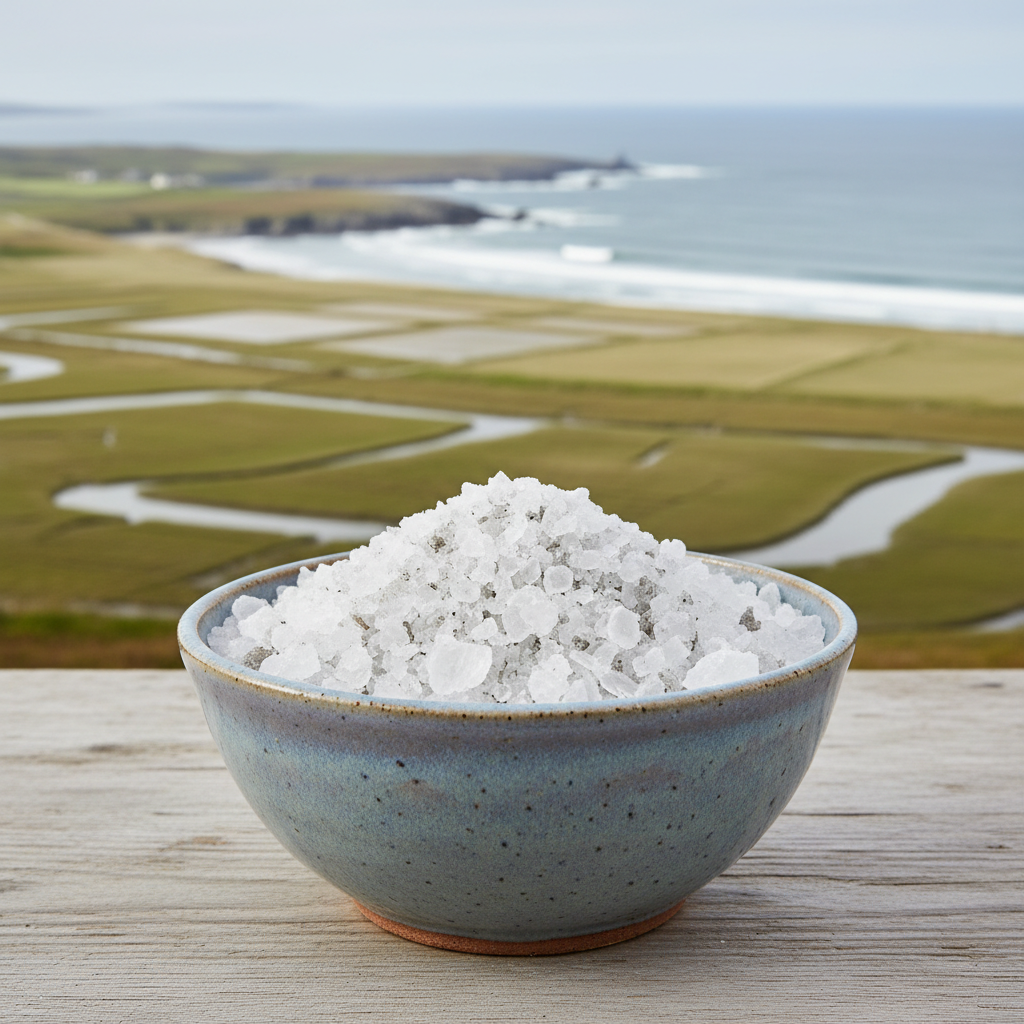
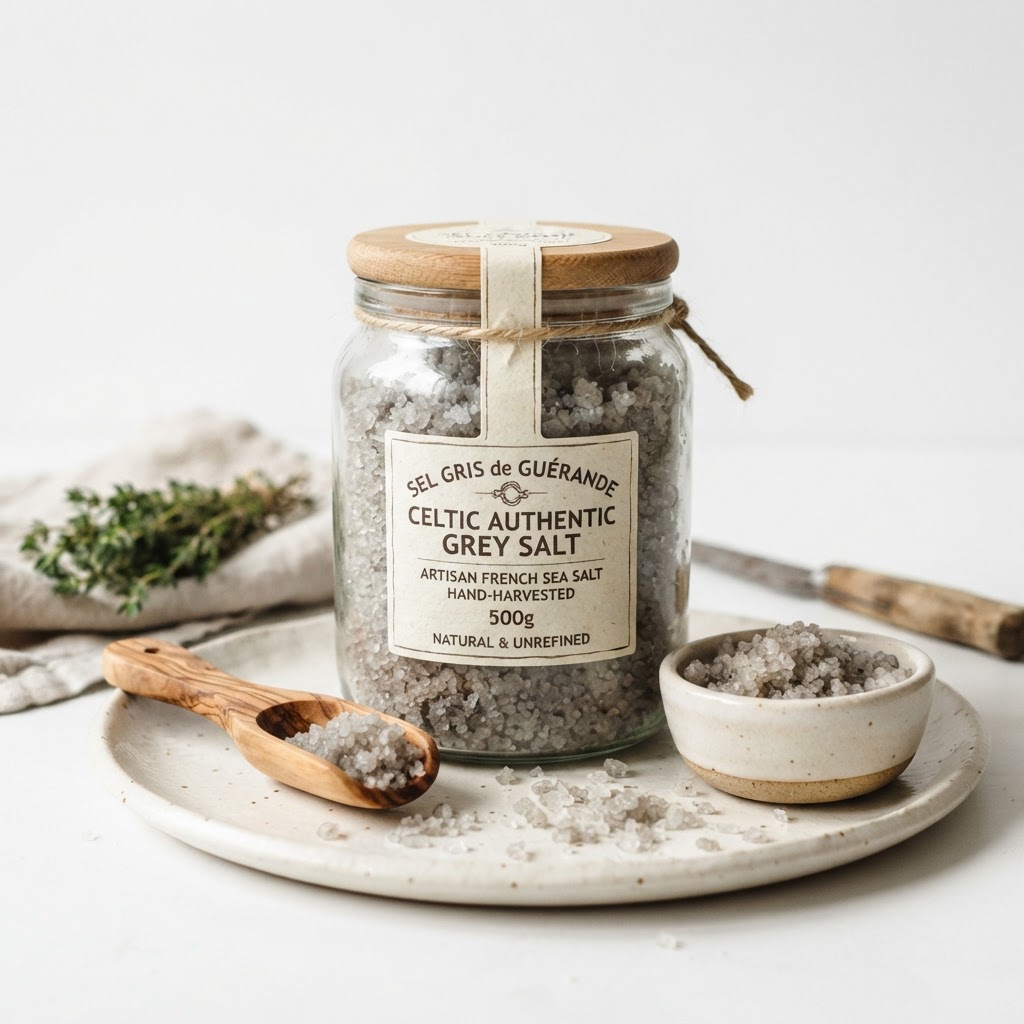
Celtic salt, known in French as sel gris celtique, is a naturally harvested grey sea salt hand-raked from the ancient salt marshes of Guérande in Brittany, northwestern France. Unlike industrially processed table salt, which is stripped of nearly all trace minerals and often mixed with anti-caking agents and iodine additives, authentic Celtic grey salt retains a rich, complex mineral profile. It contains not only sodium and chloride but also meaningful quantities of magnesium, potassium, calcium, iron, zinc, manganese, and a range of trace elements drawn directly from Atlantic seawater. This mineral complexity is precisely what makes it so relevant to fasting — because when you stop eating, your body's demand for electrolytes does not pause alongside your caloric intake.
One of the most overlooked aspects of fasting is the profound shift in electrolyte dynamics that occurs within the first twenty-four to forty-eight hours. When carbohydrate intake drops, insulin levels fall dramatically. Lower insulin signals the kidneys to excrete more sodium, which in turn leads to losses of potassium, magnesium, and water. This cascade of mineral loss is responsible for many of the uncomfortable side effects people experience during fasting: muscle cramps, headaches, fatigue, brain fog, dizziness, and even heart palpitations. These symptoms are so common they have been collectively nicknamed the "fasting flu" or, in the context of ketogenic dieting, the "keto flu." Understanding that these symptoms are largely electrolyte-driven — and that a thoughtfully chosen natural salt can help address them — is one of the most empowering pieces of knowledge any fasting practitioner can carry.
In 2026, with more people fasting longer and more deliberately than ever before, the conversation about salt during fasting has matured considerably. Functional health coaches, integrative physicians, and nutrition researchers are increasingly recommending that fasters supplement electrolytes consciously rather than reaching for sugar-laden sports drinks or synthetic electrolyte powders filled with artificial flavours and additives. Celtic grey salt from Guérande sits at a compelling intersection: it is entirely natural, calorie-free, mineral-rich, and deeply traditional. It offers a way to support the body's electrolyte balance during fasting without compromising the metabolic state the fast is designed to create. This article explores everything you need to know about using Celtic salt during fasting, from its mineral content to its caloric profile to practical tips for incorporating it wisely into your fasting lifestyle.
The Complete Guide to Celtic Salt and Fasting: What to Know About Minerals and Calories
The foundation of understanding Celtic salt in a fasting context begins with its caloric profile — or more precisely, the complete absence of one. Salt, regardless of its source, contains zero calories. Sodium chloride is an inorganic mineral compound, not a macronutrient. It provides no protein, no fat, no carbohydrates, and therefore no energy in the metabolic sense. This means that consuming Celtic salt during a fasting window does not break your fast from a caloric standpoint. Whether you are practising a strict zero-calorie fast, a modified fast, or a protocol like the 16:8 or 5:2 method, adding a small amount of Celtic grey salt to water will not interrupt your fasting state by introducing energy that your body would need to metabolise as fuel.
However, fasting is not a monolithic practice, and the definition of "breaking a fast" varies depending on your specific goals. If your primary objective is autophagy — the cellular self-cleaning process that accelerates during periods of nutrient deprivation — then the concern is less about calories and more about avoiding anything that triggers significant mTOR activation or insulin response. Salt does not stimulate insulin secretion and does not activate mTOR pathways. From this perspective, Celtic salt is autophagy-safe. If your goal is metabolic ketosis, again, salt presents no problem, as it has no glycemic impact whatsoever. If your goal is gut rest, salt dissolved in water still passes through the digestive system with minimal work required. By virtually every meaningful definition of fasting, Celtic grey salt used in modest quantities is compatible with the fasted state.
Now let us turn to the minerals. The mineral profile of authentic Guérande Celtic salt is one of its most distinguishing characteristics. Magnesium deserves particular attention in the fasting context. Magnesium is involved in over three hundred enzymatic reactions in the human body, including energy production, muscle function, nerve transmission, and protein synthesis. During fasting, magnesium losses accelerate due to the same insulin-driven renal excretion mechanism that flushes sodium. Low magnesium levels are closely associated with muscle cramps, poor sleep, anxiety, and fatigue — symptoms that fasters frequently report. Celtic grey salt contains naturally occurring magnesium chloride, derived from the Atlantic seawater from which it is harvested. While the quantities per small serving are modest, regular use as part of a fasting electrolyte strategy contributes meaningfully to maintaining adequate magnesium status.
Potassium is another critical electrolyte that deserves mention. While Celtic salt is not as potassium-dense as, say, cream of tartar or avocado, it does contain trace amounts of potassium alongside its dominant sodium and chloride content. The sodium-to-potassium ratio matters during fasting because these two minerals work in opposition to regulate fluid balance across cell membranes. Fasting tends to shift this ratio unfavourably toward sodium depletion, which paradoxically increases potassium loss as well. Supporting sodium intake through Celtic salt helps stabilise this balance. Many experienced fasters combine Celtic salt with other potassium-rich strategies — such as consuming potassium-rich foods during their eating window — to maintain optimal cellular hydration throughout their fasting periods.
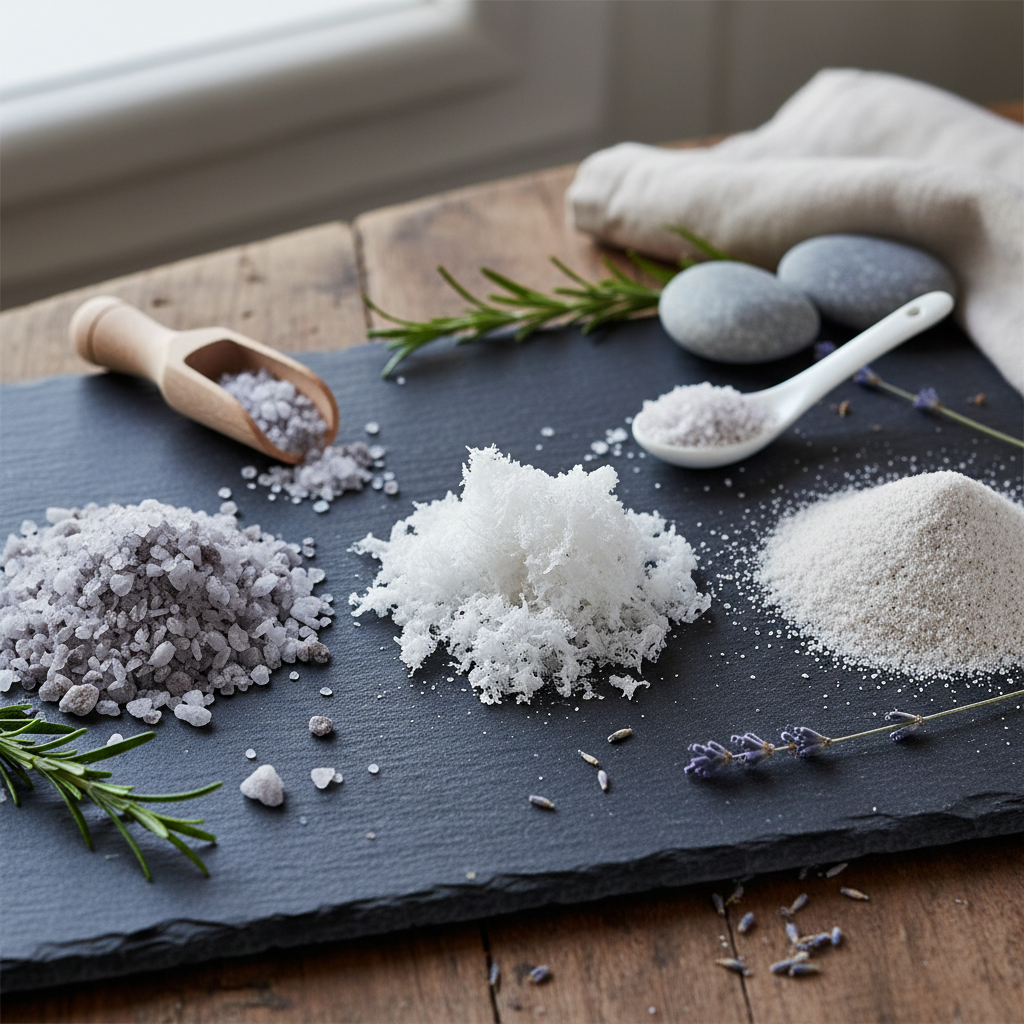
Calcium and trace minerals present in Celtic grey salt also contribute to its value during fasting. Calcium plays a role in nerve signalling and muscle contraction, and mild calcium depletion during extended fasting can contribute to the irritability and muscle tension some fasters experience. The iron, zinc, manganese, and other trace elements in Celtic salt appear in small but bioavailable forms, embedded in the complex mineral matrix that forms naturally as Atlantic seawater evaporates slowly in the Guérande marshes. This natural concentration process produces a salt that is structurally and chemically different from refined white salt — it is moist, grey, slightly coarse, and alive with mineralogical complexity that no factory process can fully replicate.
One important practical distinction to understand is the difference between using Celtic salt in water versus consuming it with food during eating windows. Both approaches have merit, but they serve slightly different purposes for fasters. Dissolving a small pinch — roughly one-quarter to one-half teaspoon — of Celtic grey salt in a large glass of water and drinking it first thing in the morning, or during a fasting window when electrolyte depletion symptoms appear, is a simple and effective way to replenish sodium and associated minerals without consuming anything that would meaningfully disrupt the fasted state. This practice, sometimes called a "salt flush" or "morning mineral water" in wellness communities, has become increasingly popular among experienced fasters as a clean, food-free alternative to commercial electrolyte supplements.
Beyond its specific relevance to fasting, Celtic grey salt from Guérande offers a range of broader health and culinary benefits that are worth understanding fully. From a nutritional standpoint, the case for choosing a mineral-rich natural salt over refined table salt is straightforward: you are getting more than just sodium chloride. The natural trace mineral content of authentic Celtic salt supports bodily functions that refined salt, stripped of everything except sodium and chloride, simply cannot. Magnesium, as discussed, is critical for hundreds of enzymatic processes. The presence of naturally occurring iodine in seawater-derived salts — though variable and generally lower than in artificially iodised table salt — means Celtic salt contributes some iodine to the diet. For people eating a diverse, whole-food diet, this may be sufficient; those with specific iodine requirements should monitor their intake separately.
The hydration benefits of Celtic salt extend beyond fasting contexts. Sodium is the primary driver of extracellular fluid balance, and adequate sodium intake is essential for proper hydration at the cellular level. This is a point that is often misunderstood in contemporary health culture, where sodium has been demonised as the enemy of cardiovascular health. The reality is more nuanced: the type of sodium, the balance with other minerals, and the overall dietary pattern all matter enormously. Natural salt consumed as part of a whole-food dietary pattern, with plenty of fresh vegetables providing potassium and magnesium, presents a very different physiological picture than the sodium hidden in ultra-processed foods. Celtic grey salt, used mindfully, supports healthy hydration, electrolyte balance, and even cognitive performance, particularly during periods of dietary restriction like fasting.
Culinary benefits are equally compelling. Celtic grey salt has a distinctly complex flavour profile that sets it apart from the flat, harsh taste of refined table salt. Its slight moisture content, derived from the hygroscopic minerals it retains, means it dissolves gradually and delivers flavour in a rounded, layered way. Chefs across Europe and increasingly around the world prize Guérande grey salt for finishing dishes, seasoning meats, and enhancing the natural flavours of vegetables and seafood. The slight oceanic, mineral quality of the salt adds depth to food without the sharp, almost chemical edge that over-refined salt can impart. For fasters who are mindful of food quality during their eating windows — and many are, because fasting often deepens one's appreciation for flavour and real ingredients — cooking with authentic Celtic salt is a natural complement to a whole-food, nutrient-dense approach to eating.
The environmental and cultural dimensions of Celtic salt also resonate with health-conscious consumers in 2026. The salt marshes of Guérande, the marais salants, have been worked continuously for over two thousand years. The traditional harvesting method, practised by paludiers (salt workers), requires no industrial processing, no chemical additives, and no artificial heating. Salt crystallises naturally under Atlantic winds and sun, is hand-raked with wooden tools, and is collected in its natural grey state — the grey colour itself a testament to the mineral richness absorbed from the clay beds of the marshes. This is as close to an unprocessed, whole food as a mineral product can be. For people who fast to reset their bodies, improve their relationship with natural foods, and move away from processed and artificial products, Celtic grey salt is a philosophically consistent choice as well as a nutritionally sound one. You can explore the full range of authentic Guérande Celtic salt products at celtic-salt.com/produits.
How to Use Celtic Salt and Fasting: What to Know About Minerals and Calories — Expert Tips
Incorporating Celtic grey salt into a fasting practice is simple, but doing it thoughtfully maximises its benefits. Here are expert-level strategies for using Celtic salt at different stages of your fasting protocol.