Hand-harvested Guérande salt · Tracked international delivery included
Guide· by Celtic Salt Editorial Team
Celtic Salt Vital Mineral Blend
Food information, not medical advice. Salt remains a significant source of sodium. Trace-mineral levels can vary by harvest and product, and culinary salt should not be used as a treatment or medical electrolyte supplement.
What Is Celtic Salt Vital Mineral Blend and Why It Matters in 2026
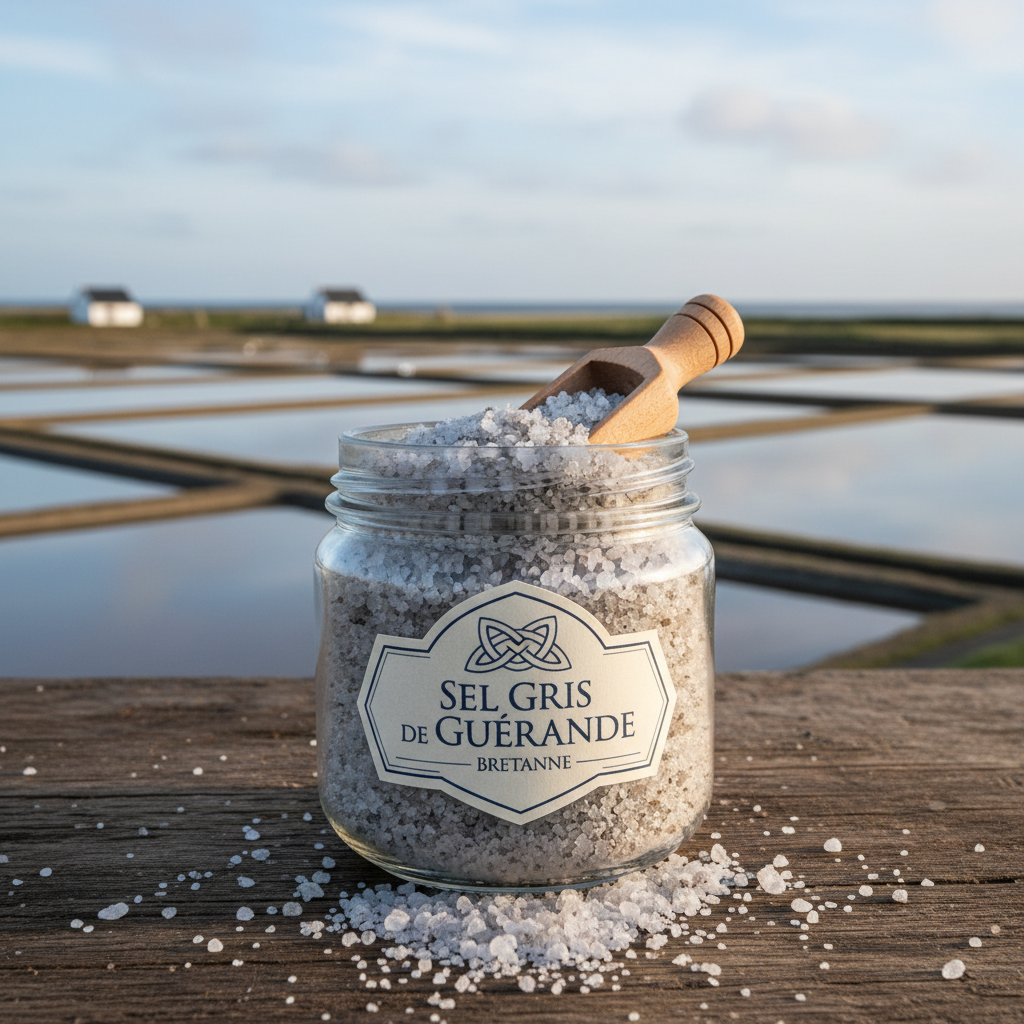
In an era where consumers are increasingly scrutinizing the quality of every ingredient they bring into their kitchens and wellness routines, the concept of a celtic salt vital mineral blend has emerged as one of the most discussed topics in the natural health and culinary world. At its core, a celtic salt vital mineral blend refers to the naturally occurring complex of minerals and trace elements found within authentic, hand-harvested grey salt from the coastal marshes of Guérande, in Brittany, France. Unlike highly processed table salts that are stripped down to near-pure sodium chloride, authentic celtic grey salt retains its full spectrum of naturally occurring minerals — a profile that has made it a staple in traditional French kitchens and a sought-after ingredient for health-conscious cooks worldwide. The blend is not manufactured or artificially assembled; it is the product of ancient geological processes, Atlantic tidal cycles, and centuries of refined harvesting technique passed down through generations of salt farmers known as paludiers.
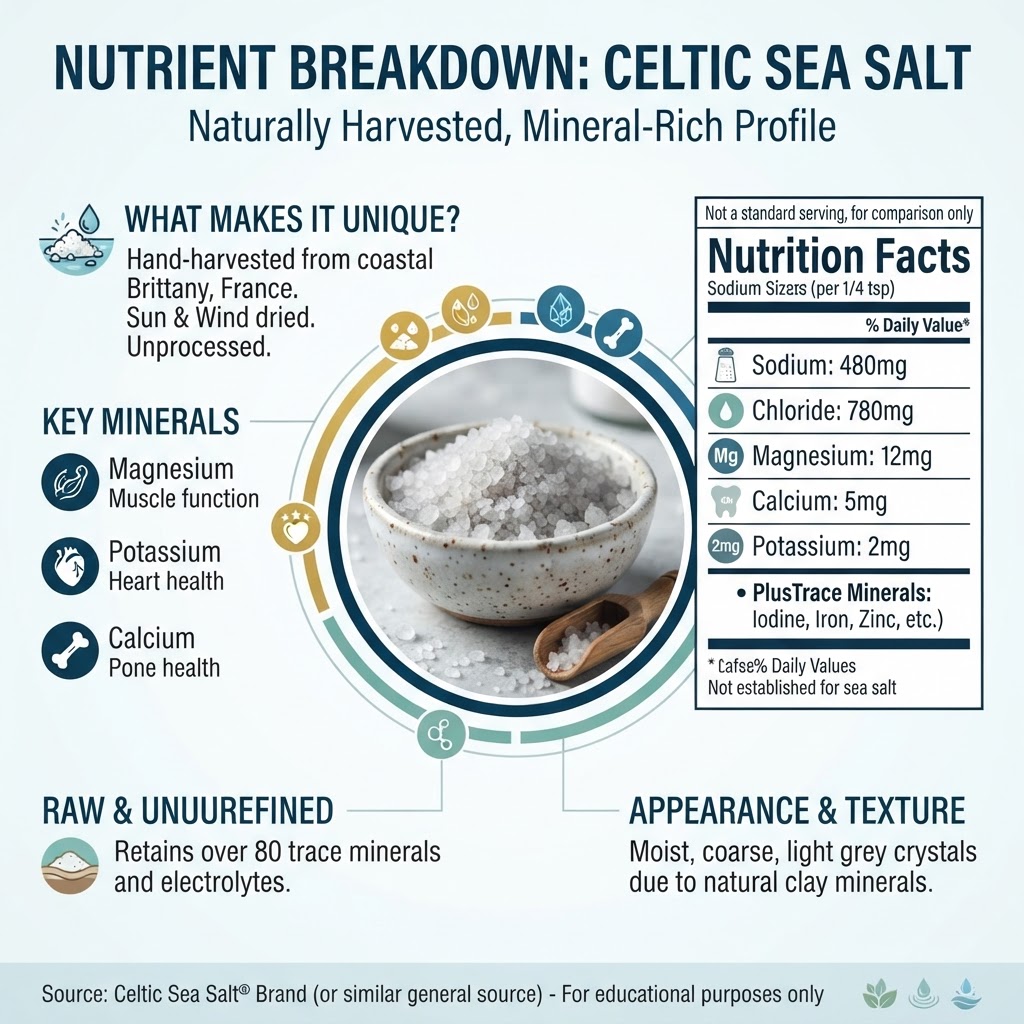
What makes this mineral blend so relevant in 2026 is the growing body of nutritional awareness surrounding electrolytes, mineral balance, and the negative consequences of over-consuming isolated, refined sodium. Health researchers, dieticians, and integrative nutrition professionals have increasingly pointed to the importance of consuming sodium in its natural mineral matrix — alongside magnesium, potassium, calcium, iron, zinc, and over eighty other trace minerals — rather than in the ultra-purified, additive-laden form found in most commercial table salts. The celtic salt vital mineral blend represents that natural matrix in its most authentic form. As more people seek to reduce their dependence on synthetic supplements and artificial mineral fortification, turning to a whole-food source of trace minerals like authentic Guérande grey salt becomes not just a culinary preference, but a conscious lifestyle decision. This shift in thinking is reshaping the specialty food and wellness markets in measurable ways as we move deeper into the mid-2020s.
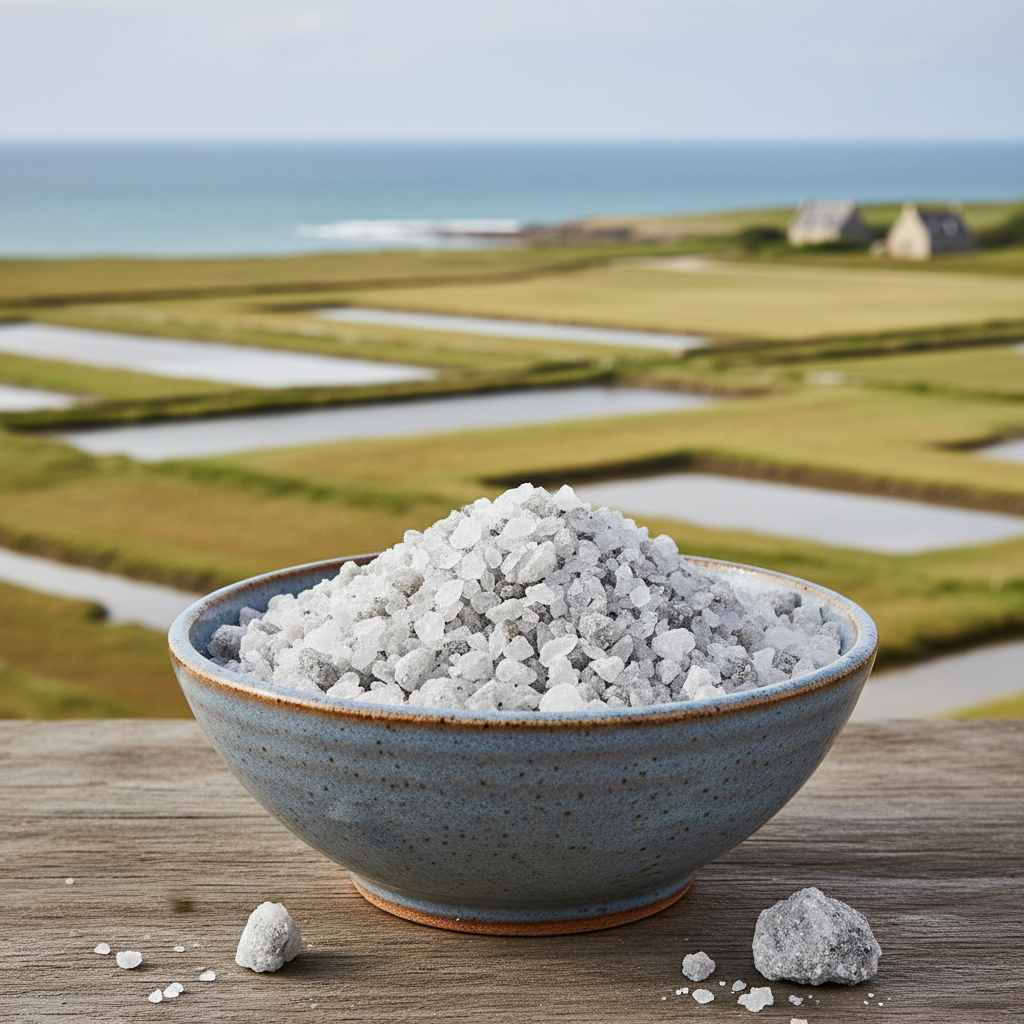
The region of Guérande has been producing salt for over a thousand years. The salt marshes — or marais salants — stretch across a vast network of shallow clay-lined ponds where Atlantic seawater is slowly guided through a series of reservoirs and channels. As water evaporates under the influence of wind and sun, minerals concentrate naturally in the brine. The paludiers harvest the resulting grey crystals using traditional wooden tools, a practice that has remained virtually unchanged since the medieval period. This respect for traditional process is precisely what preserves the integrity of the celtic salt vital mineral blend. Industrial processes typically involve kiln-drying, chemical bleaching, and the addition of anti-caking agents — all of which destroy or remove naturally present minerals. The traditional cold-air drying method used in Guérande allows the full mineral profile to remain intact within each moist, grey crystal. The distinctive grey color itself comes from the natural clay of the salt ponds, which contributes additional minerals including silica and trace amounts of iron.
As consumer demand for transparency and traceability in food production continues to surge in 2026, the origin story of celtic grey salt becomes as important as its mineral content. Shoppers are no longer satisfied with vague labeling or generic claims of "natural" or "unprocessed." They want to know where their salt was harvested, how it was produced, and what exactly it contains. Authentic celtic salt from Guérande answers all of these questions with centuries of documented tradition, geographic specificity, and a mineral profile that is consistent with the Atlantic coastal environment from which it is drawn. The vital mineral blend within this salt is not a marketing construct — it is a verifiable, measurable reality confirmed by independent laboratory analysis. For those seeking to enrich their cooking with genuine nutritional complexity and a flavour profile that simply cannot be replicated by synthetic alternatives, understanding the celtic salt vital mineral blend is the essential first step.
The Complete Guide to Celtic Salt Vital Mineral Blend
To truly understand the celtic salt vital mineral blend, one must begin with the mineral composition itself. Authentic Guérande grey salt contains a rich and complex array of naturally occurring elements. Sodium chloride forms the primary compound, but in contrast to refined table salt — which can be upwards of 99.9% sodium chloride — celtic grey salt typically contains between 82% and 87% sodium chloride by weight. The remaining percentage is composed of moisture retained within the crystal structure, as well as a diverse assortment of minerals and trace elements. These include macrominerals such as magnesium, calcium, potassium, and sulphur, as well as trace elements including manganese, zinc, iron, copper, iodine, fluoride, silicon, and many others in smaller concentrations. This is the authentic vital mineral blend — a living mineral profile drawn from one of the world's most mineral-rich ocean environments.
Magnesium is one of the most significant minerals within the celtic salt vital mineral blend and deserves particular attention. Magnesium plays a fundamental role in hundreds of enzymatic processes throughout the human body, and modern dietary surveys consistently show that a large proportion of people in Western nations consume inadequate amounts of this critical element. The presence of naturally occurring magnesium in celtic grey salt means that every time you season your food with authentic Guérande salt, you are introducing a small but genuinely bioavailable source of magnesium into your diet. Unlike magnesium supplements, which must be absorbed through the digestive process in isolation, the magnesium in whole salt comes embedded within a complex mineral matrix that may support absorption in ways that isolated supplement forms cannot replicate. This synergistic mineral relationship is one of the defining characteristics of a genuine celtic salt vital mineral blend.
Potassium is another key component of the blend that sets celtic grey salt apart from conventional table salt. One of the well-established concerns surrounding high sodium intake is its relationship to cardiovascular health — specifically, the sodium-to-potassium ratio in the diet. When sodium is consumed in isolation, as it is in refined table salt, the imbalance between sodium and potassium in the body can be exacerbated. The naturally occurring potassium within authentic celtic grey salt helps moderate this ratio in a way that refined sodium simply cannot. This does not mean that celtic salt eliminates concerns about sodium intake, but it does mean that the natural mineral balance of the celtic salt vital mineral blend provides a more harmonious nutritional profile than stripped-down alternatives. Consumers who understand this distinction are making a meaningfully different choice when they select authentic Guérande grey salt over commercial varieties.
Beyond the individual minerals themselves, the concept of bioavailability and mineral synergy is central to understanding why the celtic salt vital mineral blend is more than just a list of elements. In nature, minerals rarely exist in isolation — they occur in complex matrices where the presence of one element influences the absorption and utilization of another. Calcium, for example, interacts with magnesium in bone metabolism. Zinc influences the activity of over three hundred enzymes and interacts with copper. Iodine works in concert with selenium and other trace elements in thyroid function. When you consume a natural mineral blend as found in authentic celtic grey salt, you are consuming these elements in the ratios and combinations in which they occur naturally in Atlantic seawater — relationships that have been part of human dietary history for millennia. This natural matrix is something no synthetic mineral supplement or artificially fortified salt can authentically replicate.
It is also worth noting the moisture content of authentic celtic grey salt as part of what defines its vital mineral blend. Unlike dry, free-flowing table salts, genuine Guérande grey salt retains natural moisture — typically between 3% and 8% by weight depending on the specific harvest and storage conditions. This moisture is not a defect or a sign of inferior quality; it is a natural feature of the cold-air drying process and is itself mineral-rich brine. The moist crystals are slightly sticky and clump together in storage, which is entirely normal and desirable. This retained moisture is part of what gives celtic grey salt its characteristic dense, complex flavour and is a visible indicator that the mineral profile has not been destroyed through high-heat industrial processing. When selecting authentic celtic salt for its vital mineral blend, the presence of moisture is one of the most reliable signs of genuine quality. You can explore the full range of authentic Guérande grey salt products at celtic-salt.com/produits.
Health and Culinary Benefits
The health and culinary benefits of a celtic salt vital mineral blend are intertwined in ways that are deeply satisfying for anyone who approaches cooking as both a craft and a form of nourishment. On the culinary side, the mineral complexity of authentic Guérande grey salt produces a flavour profile that is noticeably richer, more rounded, and more nuanced than that of refined table salt. Chefs who work with celtic grey salt regularly describe its taste as "briny" and "oceanic" in the best possible sense — a flavour that carries depth and subtlety rather than the sharp, one-dimensional salinity of industrial sodium chloride. This complexity is a direct expression of the vital mineral blend: each mineral contributes to the overall sensory experience, with magnesium adding a slight bitterness that balances sweetness, potassium modifying the sharpness of sodium, and calcium contributing a mineral earthiness. The result is a salt that enhances food in a more sophisticated way than simple saltiness alone.
From a wellness perspective, many practitioners of integrative and functional nutrition advocate for the inclusion of naturally mineral-rich salts in a balanced diet. While it is important to be clear that no food product, including celtic grey salt, constitutes a medical treatment or cure for any condition, the nutritional attributes of the celtic salt vital mineral blend are well-supported by the established science of mineral nutrition. Electrolytes — particularly sodium, potassium, magnesium, and calcium — are essential for maintaining cellular hydration, supporting nerve impulse transmission, enabling muscle contraction, and regulating blood pressure within normal physiological ranges. A salt that provides all of these electrolytes in a single, natural source represents a convenient and historically grounded way to support overall electrolyte balance, particularly for active individuals, those following low-processed-food diets, or people living in hot climates where electrolyte loss through perspiration is significant.
The digestive dimension of the celtic salt vital mineral blend is another area of growing interest. Chloride — the other half of sodium chloride — is an essential precursor to hydrochloric acid production in the stomach. Adequate stomach acid is critical for the proper digestion and absorption of protein, as well as for the absorption of key nutrients including vitamin B12, iron, and magnesium. Many people suffering from suboptimal digestive function have insufficient stomach acid, and while this is a complex issue with many contributing factors, ensuring adequate dietary chloride through quality salt intake is considered a foundational nutritional strategy by many functional health practitioners. Because celtic grey salt provides chloride within its natural mineral matrix — rather than as an isolated compound — many proponents argue that it supports digestive health in a more holistic way than refined salt alternatives.