Hand-harvested Guérande salt · Tracked international delivery included
Guide· by Celtic Salt Editorial Team
Celtic Salt Magnesium
Food information, not medical advice. Salt remains a significant source of sodium. Trace-mineral levels can vary by harvest and product, and culinary salt should not be used as a treatment or medical electrolyte supplement.
What Is Celtic Salt Magnesium and Why It Matters in 2026
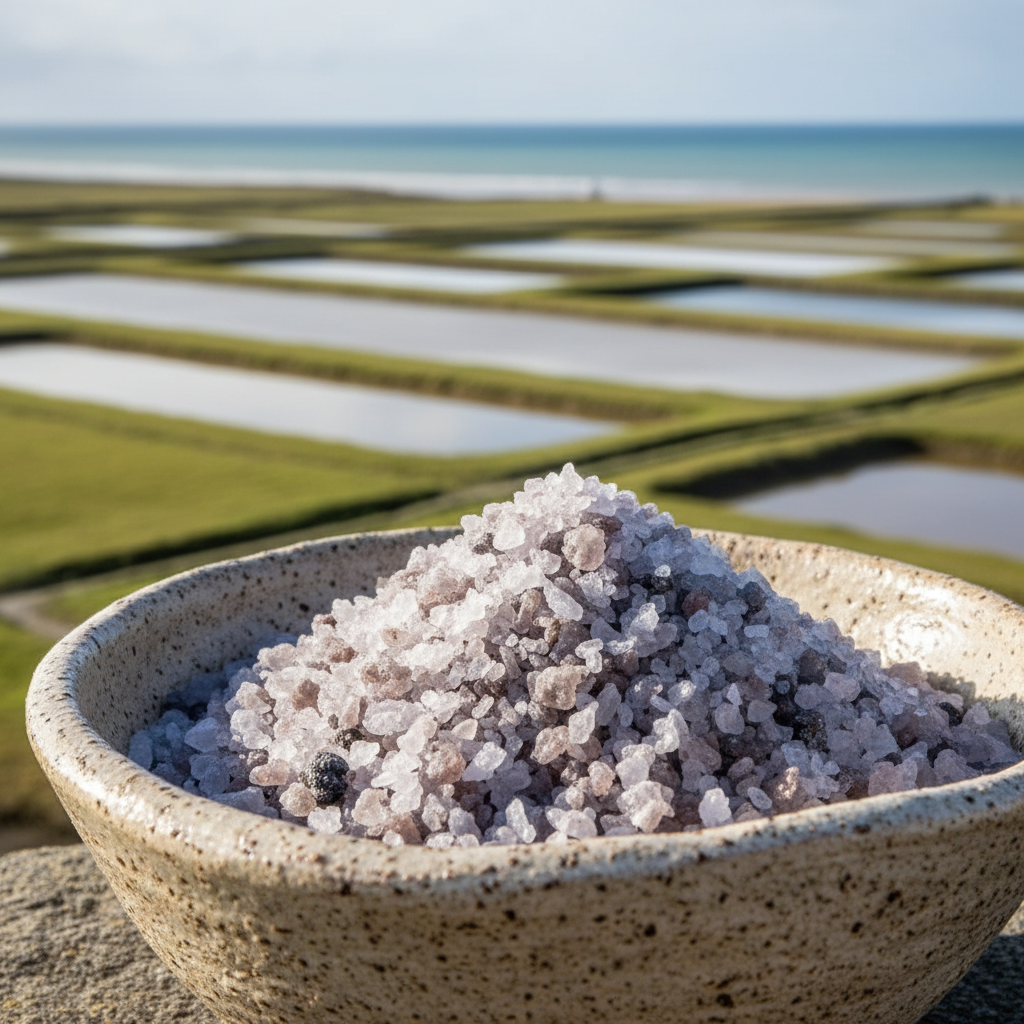
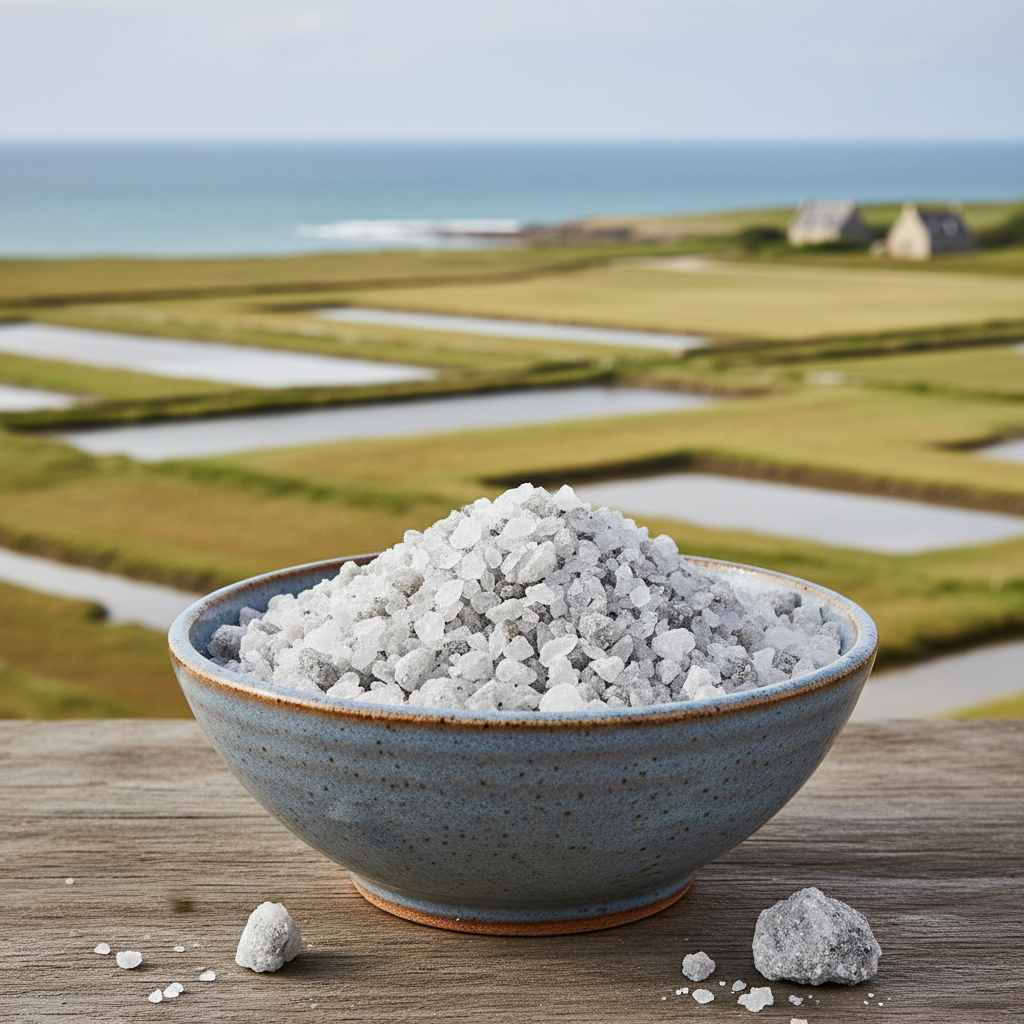
Celtic salt magnesium refers to the naturally occurring magnesium content found within authentic Celtic grey salt harvested from the coastal marshes of Guérande in Brittany, France. Unlike highly refined table salt or even many so-called "natural" salts that have been stripped of their original mineral profile during industrial processing, genuine Celtic grey salt retains a rich matrix of trace minerals — and magnesium is among the most nutritionally significant of these. This magnesium is not added artificially or as a supplement; it is present organically within the salt crystal itself, absorbed during the slow, traditional harvesting process that has remained essentially unchanged for over a thousand years. The grey colour that is so characteristic of authentic Guérande salt is itself a visual indicator of this mineral richness, coming from the clay-lined salt pans and the natural seawater that courses through them. In a world increasingly concerned with mineral depletion in food and soil, Celtic salt magnesium stands as a compelling and genuinely natural source of this essential nutrient.
Magnesium is one of the most critically important minerals in the human body, participating in over 300 enzymatic reactions, including those involved in energy production, protein synthesis, muscle contraction, nerve transmission, and blood glucose regulation. Despite its importance, magnesium deficiency is remarkably widespread in the modern world. Intensive agricultural practices have depleted soil magnesium levels significantly, meaning that even people eating apparently healthy diets may be consuming far less magnesium than their bodies require. Processed and refined foods, which dominate the diets of many people in industrialised nations, contain almost no meaningful magnesium whatsoever. Against this backdrop, the idea that the salt you use every single day — a dietary staple consumed at virtually every meal — could contribute a small but consistent and bioavailable source of magnesium is genuinely exciting. Celtic salt magnesium is not a magic bullet, but as part of a diverse, nutrient-rich diet, it represents a meaningful and effortless way to support daily mineral intake.
In 2026, consumer awareness around mineral nutrition has never been higher. People are increasingly reading ingredient labels, questioning the quality of their food sources, and actively seeking products that offer more than just basic nutritional value. The shift away from ultraprocessed, micronutrient-poor foods toward whole, traditionally produced alternatives has brought authentic Celtic grey salt firmly into the spotlight. Chefs, nutritionists, biohackers, athletes, and everyday home cooks are all discovering what the salt farmers of Brittany have known for centuries: that salt harvested naturally from pristine Atlantic seawater carries within it a complexity of minerals that refined salt simply cannot match. Magnesium, present in the characteristic moisture-retaining crystals of Celtic grey salt, is central to this growing interest. As magnesium supplementation becomes mainstream, the appeal of obtaining this mineral through food rather than pills is resonating with a broad and growing audience.
The geographical and environmental conditions of the Guérande peninsula make it uniquely suited to producing salt with an exceptional mineral profile. The Atlantic Ocean waters that flow into the traditional salt marshes, known locally as œillets, carry a diverse dissolved mineral load. As paludiers — the traditional salt farmers of Guérande — manage the flow of seawater through a sophisticated network of channels and evaporation basins, the salt that crystallises naturally on the surface of clay-bottomed pans accumulates magnesium alongside dozens of other trace minerals. The clay itself contributes to the mineral composition of the final product. Harvesting is done by hand using traditional wooden tools called lousse, ensuring no contamination from metal equipment and preserving the natural moisture content of the salt. This moisture, far from being a defect, is actually the carrier medium for many of the dissolved minerals including magnesium. When you choose authentic Celtic grey salt, you are choosing a product whose magnesium content is a direct result of this ancient, sustainable, and carefully maintained natural process.
The Complete Guide to Celtic Salt Magnesium
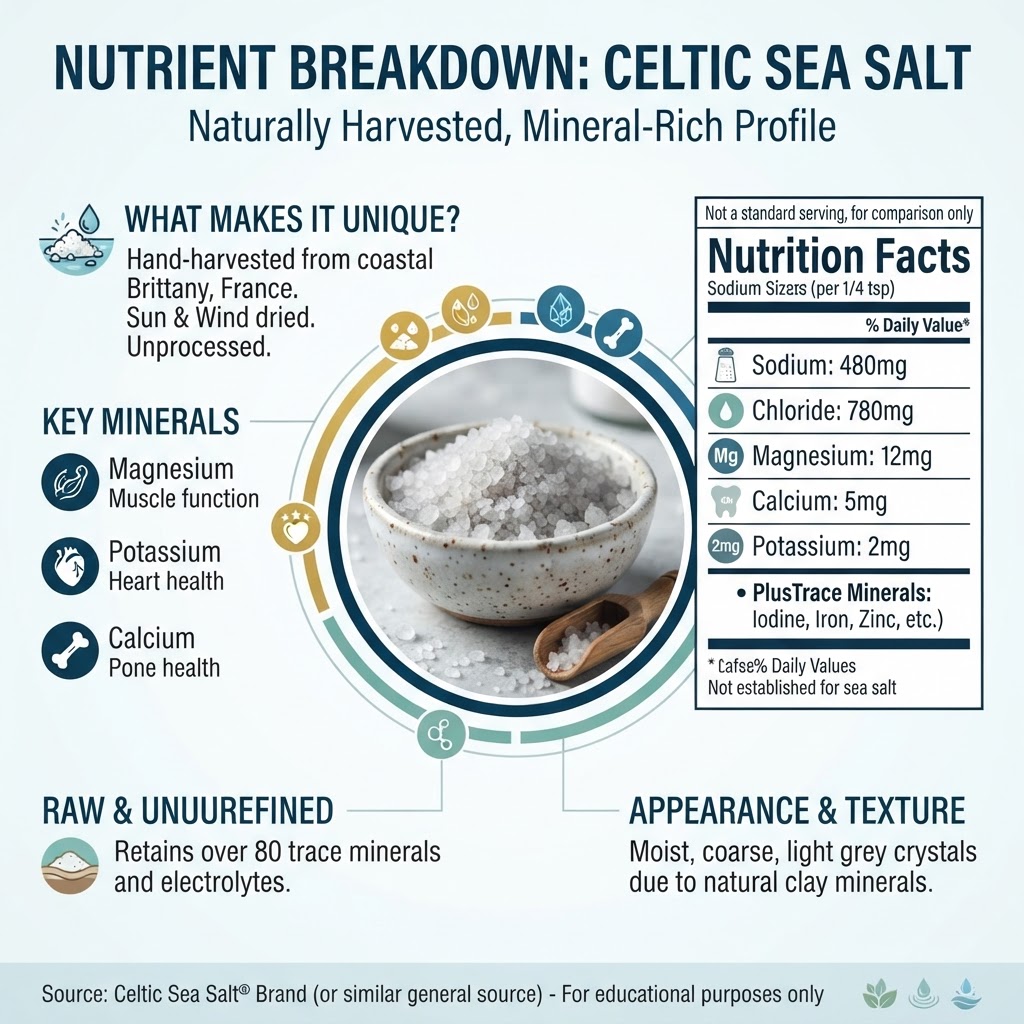
To truly understand Celtic salt magnesium, it helps to look at the mineral chemistry of natural sea salt in detail. Seawater contains a broad spectrum of dissolved minerals, the most abundant of which is, of course, sodium chloride. However, seawater also contains significant quantities of magnesium, sulphate, calcium, potassium, bicarbonate, bromide, and a host of trace elements in smaller concentrations. When seawater is evaporated to produce salt, these minerals do not simply disappear — they remain within the salt crystal structure or adsorbed onto the crystal surface, particularly in unrefined salts that retain their natural moisture. In authentic Celtic grey salt, the magnesium content is typically in the range of 0.3% to 0.6% by weight, which while modest in absolute terms, is dramatically higher than the near-zero magnesium content of refined table salt. Given that salt is consumed in small but regular quantities throughout the day, this adds up to a meaningful cumulative contribution over time.
The form in which magnesium exists within Celtic grey salt is worth examining. Rather than being present as a single compound, magnesium in natural sea salt exists in several ionic and hydrated forms, including magnesium chloride and magnesium sulphate. Magnesium chloride in particular is well regarded for its bioavailability — it is one of the forms of magnesium most readily absorbed and utilised by the human body. This is part of why Celtic salt magnesium is considered nutritionally superior to the magnesium content you might find in heavily processed salts where such compounds have been removed or broken down. The natural moisture content of Celtic grey salt, which gives it that characteristic slightly damp feel, is largely attributable to hygroscopic magnesium chloride. This is a direct, tangible, physical reminder that the magnesium is actually there — present in the salt you hold in your hand, not just listed on a nutritional label.
It is also worth understanding the comparison between Celtic grey salt and other types of artisan or specialty salts in terms of magnesium content. Fleur de sel, for instance, which is harvested from the very surface of the same Guérande salt pans, is a lighter, drier, and more delicate product. Because it is skimmed from the surface before it has time to absorb as many minerals from the brine and the clay beneath, fleur de sel typically has a lower magnesium content than the grey salt harvested from the bottom. Pink Himalayan salt, which comes from ancient geological salt deposits rather than living seawater, also contains magnesium, but in different proportions and without the moisture-associated magnesium chloride that characterises Guérande grey salt. Black lava salts and smoked salts, being primarily sodium chloride with added colouring or flavouring, generally offer minimal mineral diversity. Among all widely available specialty salts, authentic Celtic grey salt from Guérande consistently ranks among the highest for magnesium content.
For those interested in the science, the relationship between salt harvesting technique and mineral retention is fascinating. Traditional paludiers work in harmony with the natural environment, neither speeding up evaporation artificially nor using chemical additives to purify or stabilise the salt. The result is a product that reflects the full mineral complexity of its source waters. Modern industrial salt production, by contrast, involves rapid evaporation, centrifugation, and often the addition of anti-caking agents like sodium ferrocyanide or calcium silicate, along with iodine and fluoride in some regions. These processes not only remove naturally occurring minerals like magnesium but replace them with synthetic additives. From both a nutritional and a philosophical standpoint, the difference between industrially produced salt and traditionally harvested Celtic grey salt is profound. Understanding this distinction is essential to appreciating why Celtic salt magnesium is a topic of genuine interest rather than mere marketing.
The daily recommended intake of magnesium for adults is approximately 310–420 mg depending on age and sex, according to major health authorities. Celtic grey salt, consumed at typical culinary quantities of 3–6 grams per day, would contribute perhaps 9–30 mg of magnesium, representing roughly 3–7% of the daily requirement. While this does not make Celtic salt a primary magnesium supplement, it provides a consistent background contribution that complements other dietary sources such as leafy greens, legumes, nuts, seeds, and whole grains. Moreover, because this magnesium arrives in a food matrix rather than as an isolated supplement, it may be accompanied by cofactors and companion minerals that support its absorption and utilisation. The holistic mineral profile of Celtic grey salt — including calcium, potassium, iron, zinc, and selenium alongside magnesium — reflects the synergistic complexity of natural foods in a way that no single-ingredient supplement can replicate.
Health and Culinary Benefits
The health-supportive properties associated with Celtic salt magnesium are grounded in well-established nutritional science around magnesium's role in human physiology. Magnesium is a cofactor in ATP synthesis, meaning it is directly involved in every process in the body that requires energy. From the contraction of a muscle fibre to the firing of a neuron to the replication of DNA, magnesium is present and necessary. People who regularly obtain adequate magnesium through diet report improvements in areas including sleep quality, muscle recovery after exercise, mood regulation, and cardiovascular function. While we are careful not to make direct medical claims about Celtic grey salt, the nutritional science supporting dietary magnesium intake is robust and well documented in peer-reviewed literature. Incorporating a mineral-rich salt like authentic Celtic grey salt into a balanced diet is a sensible, evidence-aligned approach to supporting overall mineral status.
From a culinary perspective, the magnesium content of Celtic grey salt contributes directly to its exceptional flavour profile. Magnesium salts, particularly magnesium chloride, have a subtle bitterness and complexity that offset the sharpness of pure sodium chloride. This is why chefs who work extensively with Celtic grey salt often describe its flavour as "rounder," "deeper," or "more complex" than refined salts. The natural moisture retained in the salt crystals also affects how it dissolves on the palate, creating a more gradual, evolving flavour experience rather than the immediate sharp saltiness of dried, refined salt. When used as a finishing salt sprinkled over cooked meats, roasted vegetables, fresh salads, or even desserts and chocolate, Celtic grey salt delivers a mineral complexity that elevates the dish in ways that go well beyond simple salinity. This culinary dimension is deeply connected to the salt's mineral richness, including its magnesium content.
Athletes and physically active individuals have particular reason to be interested in Celtic salt magnesium. Exercise increases the body's demand for magnesium significantly — it is lost through sweat, consumed in greater quantities during muscular activity, and required for the recovery processes that follow strenuous training. Electrolyte balance during and after exercise is a topic of enormous interest in sports nutrition, and while sodium and potassium typically dominate the conversation, magnesium plays a crucial supporting role in muscle function and recovery. Using a mineral-rich salt like Celtic grey salt in cooking, in sports drinks prepared at home, or even dissolved in water as a hydration aid, provides a naturally balanced electrolyte profile. This is meaningfully different from commercial sports drinks, which typically contain isolated, synthetic electrolytes in high-sugar or artificially flavoured vehicles. The natural electrolyte matrix of Celtic grey salt — including its magnesium component — aligns well with the needs of active bodies.