Hand-harvested Guérande salt · Tracked international delivery included
Guide· by Celtic Salt Editorial Team
Celtic Salt Light Grey
What Is Celtic Salt Light Grey and Why It Matters in 2026
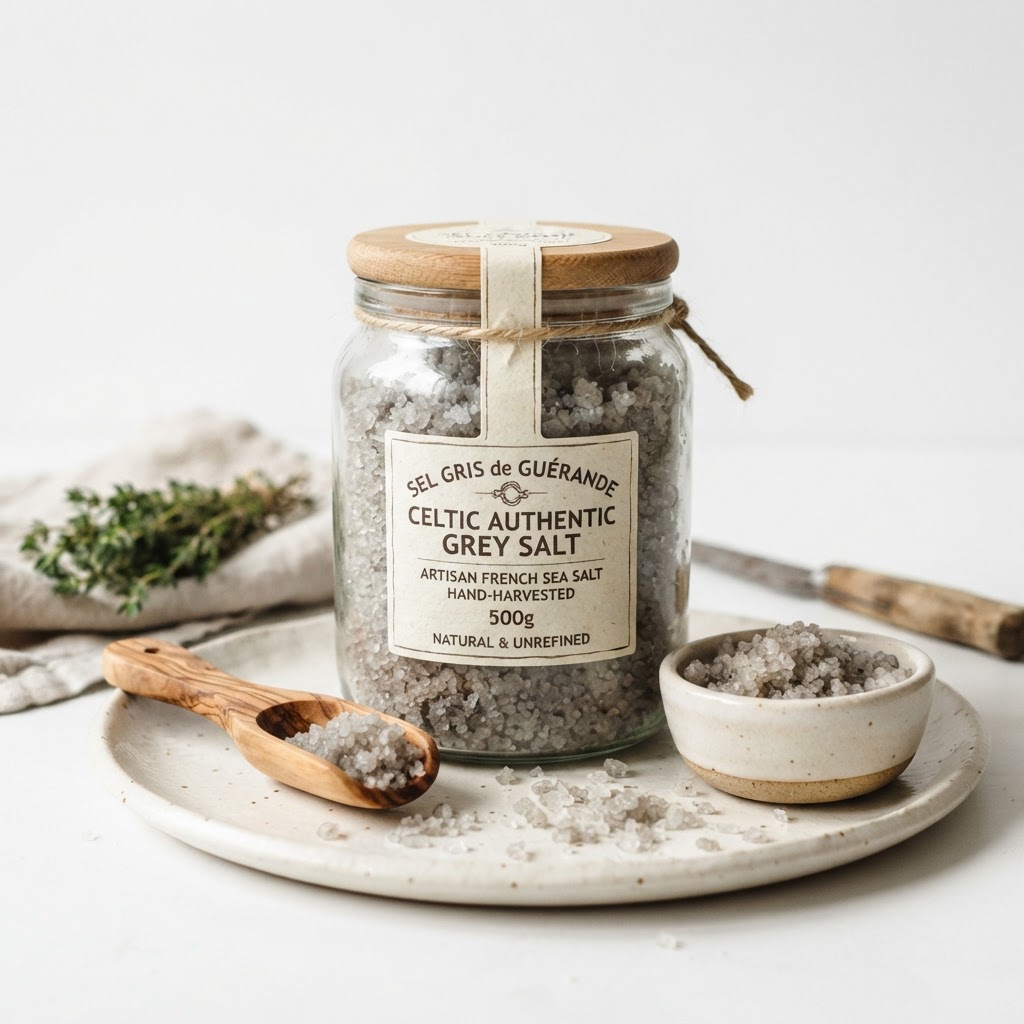
Celtic salt light grey is one of the most naturally preserved and traditionally harvested salts available anywhere in the world today. Sourced from the ancient salt marshes of Guérande in Brittany, France, this remarkable mineral-rich salt has been collected by hand using wooden tools and centuries-old techniques passed down through generations of paludiers — the skilled salt harvesters who have dedicated their lives to maintaining this irreplaceable craft. The characteristic light grey colour is not a defect or an impurity. It is, in fact, the direct visual evidence of the clay-rich mineral composition that makes this salt so genuinely different from the refined white table salts that fill most supermarket shelves around the world. In 2026, as more consumers consciously turn away from heavily processed foods and seek out ingredients with provenance, authenticity, and genuine nutritional integrity, Celtic salt light grey has moved from a niche artisan product to a cornerstone ingredient in health-conscious kitchens across Europe and beyond.
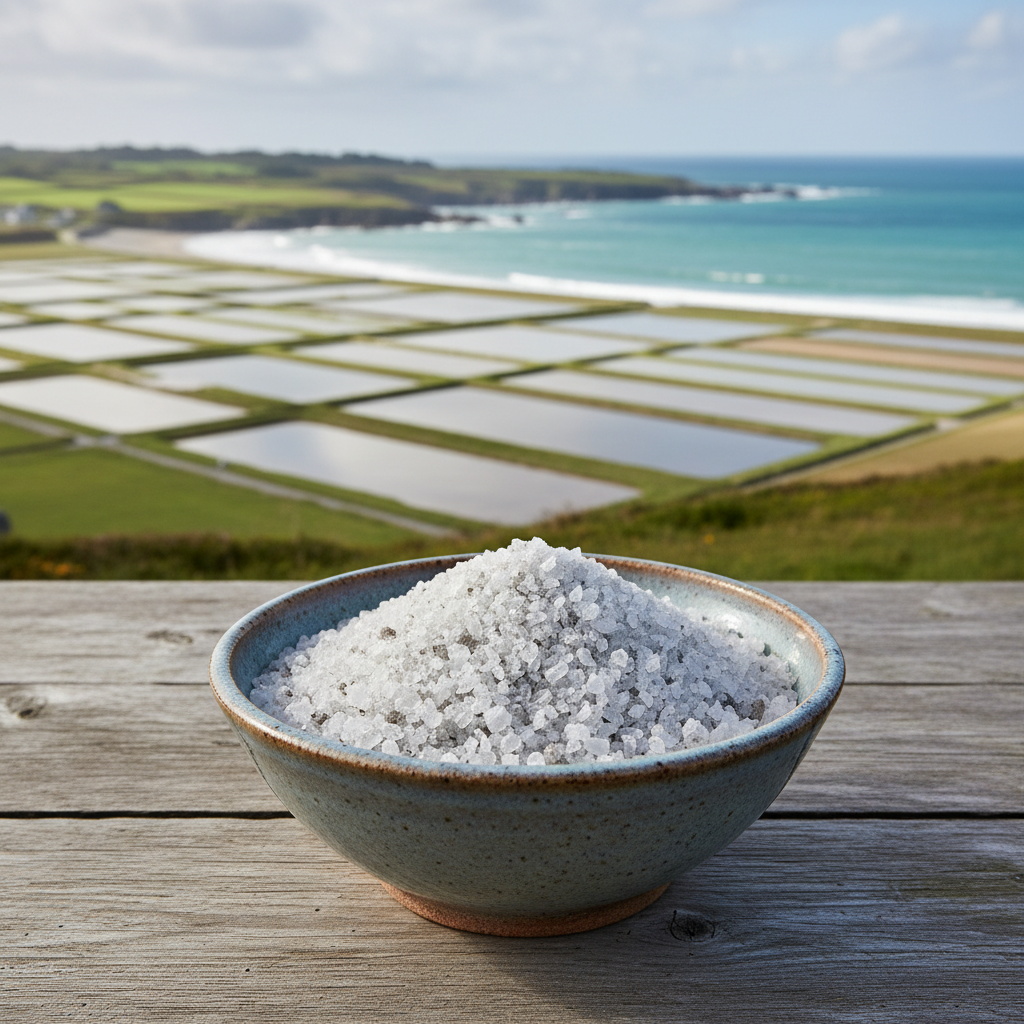
The light grey colour of this salt comes primarily from the clay lining of the salt ponds in which seawater naturally evaporates under the influence of the Atlantic wind and Breton sun. As water slowly retreats, it leaves behind a concentration of sea minerals, trace elements, and microscopic clay particles that together create the distinctive moist texture and grey hue that characterise genuine Guérande grey salt. This is not a manufactured appearance — it cannot be replicated in a laboratory or factory setting. The colour and moisture content vary slightly from harvest to harvest and even from pond to pond, which is part of what makes each batch of authentic Celtic salt light grey a truly artisan product. No two harvests are exactly the same, and experienced cooks often appreciate the subtle seasonal variation in flavour intensity and mineral depth that comes with this natural process.
What sets Celtic salt light grey apart from so many of its competitors in the increasingly crowded premium salt market is the combination of its mineral profile, its moisture retention, and its complete absence of chemical processing. Unlike refined table salt, which is stripped of virtually all naturally occurring minerals and then supplemented with synthetic anti-caking agents, iodine, and other additives, Celtic salt light grey retains the full spectrum of minerals present in Atlantic seawater at the moment of harvest. These include not only sodium chloride, but also magnesium, calcium, potassium, iron, zinc, manganese, and dozens of other trace elements that are increasingly understood to play important roles in human physiology and metabolic function. The fact that this salt arrives in your kitchen in essentially the same state as it left the salt marsh is a distinction that matters deeply to anyone who values food integrity.
In 2026, the conversation around salt has evolved considerably. Nutritional researchers, culinary professionals, and everyday home cooks alike are asking harder questions about what goes into their food and why. The decades-long campaign to demonise all dietary salt is being nuanced by emerging research that distinguishes between the effects of refined industrial sodium chloride and the effects of whole, mineral-complete salts like Celtic salt light grey. While no responsible brand should make specific medical claims, the general trend in nutritional science points toward the importance of mineral diversity in the diet — and that is precisely where naturally harvested grey salt excels. When you choose Celtic salt light grey, you are not simply choosing a flavouring agent. You are choosing a food that connects you to a living tradition, a specific geography, and a philosophy of eating that prioritises quality, authenticity, and respect for the natural world.
The Complete Guide to Celtic Salt Light Grey
Understanding Celtic salt light grey fully means understanding the place it comes from. The salt marshes of Guérande, situated on the Atlantic coast of Loire-Atlantique in Brittany, have been in continuous operation for over a thousand years. The area is now a protected natural zone, and the salt production methods used there are classified as a traditional artisan practice of significant cultural and historical importance. The marshes are a complex ecosystem of channels, basins, and crystallisation pans that have been carefully engineered and maintained by generations of salt farmers. Seawater enters the marsh system through a network of channels and is progressively concentrated through natural evaporation as it moves from one basin to the next. By the time it reaches the final crystallisation pans — known as œillets — the water has become a dense brine in which salt crystals begin to form at the surface and sink to the grey clay floor below.
The harvest of Celtic salt light grey, known in French as gros sel gris or sel gris de Guérande, takes place during the summer months when conditions are right. Paludiers use a specialised rake called a las to gather the salt from the bottom of the crystallisation pans, drawing it toward the edges where it is piled into mounds called mulons. This process is entirely manual — no mechanical harvesting equipment is used, as the introduction of metal tools or heavy machinery would disrupt the clay floor of the pans and alter both the colour and the mineral composition of the resulting salt. The discipline and physical skill required to harvest salt in this way is considerable, and training a new paludier to work the marshes productively takes years of hands-on experience. This is why genuine Guérande grey salt carries a price premium that reflects not just the quality of the product but the irreplaceable human expertise required to produce it.
Once harvested, Celtic salt light grey undergoes no refining, bleaching, or chemical treatment of any kind. It is simply drained of excess surface brine and then left to dry naturally in the open air before being packaged. The result is a salt that retains its natural moisture — typically around eight to ten percent water content — which gives it a distinctively damp, almost tactile quality when you pick it up. This moisture is not a flaw; it is an inherent characteristic of an unrefined mineral salt and plays an important role in how the salt behaves both in cooking and at the table. The moisture helps carry mineral flavour compounds and means that Celtic salt light grey dissolves slightly more slowly than dry refined salt, allowing for a more gradual and nuanced release of salinity in food. For experienced cooks, learning to work with this quality of salt is a genuine revelation — dishes seasoned with grey Guérande salt have a rounded, complex saltiness that is fundamentally different from the sharp, one-dimensional bite of refined table salt.
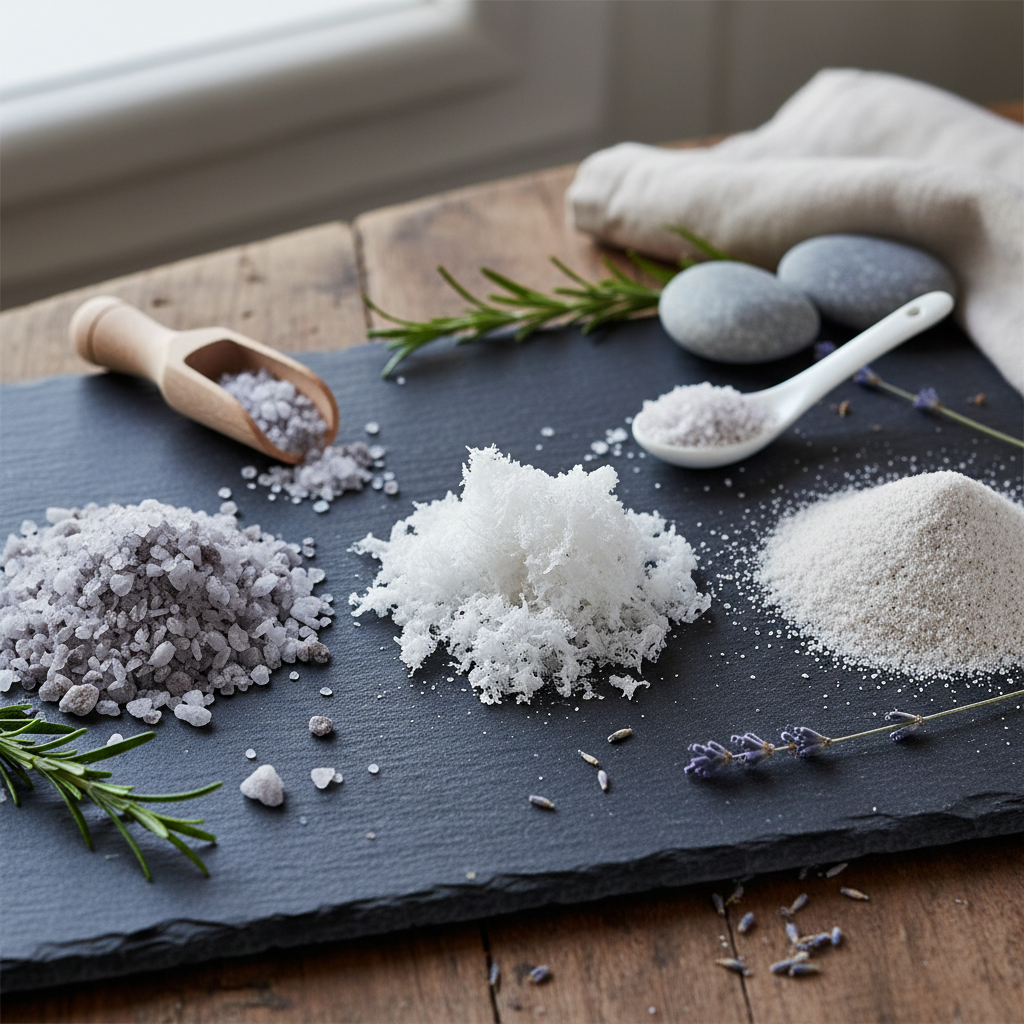
Celtic salt light grey is available in several grain sizes, each suited to different culinary applications. Coarse grey salt — the traditional gros sel — is ideal for use in cooking water, brines, and salt crusts, as well as for use in salt mills. Medium grain grey salt offers versatility across a wide range of kitchen tasks, from seasoning meats before roasting to finishing grilled vegetables. Fine grey salt is particularly useful for baking, table seasoning, and applications where rapid and even dissolution is important. Understanding which grain size to reach for in different situations is part of becoming a confident and skilled user of this exceptional ingredient. You can explore the full range of grain sizes and product formats available at celtic-salt.com/produits.
Health and Culinary Benefits of Celtic Salt Light Grey
From a nutritional perspective, the most important distinction between Celtic salt light grey and refined table salt lies in mineral completeness. Refined salt is typically ninety-nine percent or more pure sodium chloride — a chemically isolated compound that delivers sodium and chloride and nothing else. Celtic salt light grey, by contrast, retains the natural mineral profile of Atlantic seawater, which includes meaningful concentrations of magnesium, potassium, calcium, and a wide array of trace minerals. Magnesium, in particular, is a mineral that many people in the Western world consume in insufficient quantities, and it plays a central role in hundreds of enzymatic processes in the body, including energy metabolism, muscle and nerve function, and the regulation of blood pressure. While the quantities of magnesium in a typical daily serving of salt are modest, every dietary source of this mineral contributes to overall intake, and choosing an unrefined salt over a refined one is a simple, practical step toward greater mineral diversity in the diet.
The culinary benefits of Celtic salt light grey are perhaps even more immediately compelling than its nutritional advantages, particularly for home cooks and professional chefs who are sensitive to flavour nuance. The mineral complexity of grey Guérande salt translates directly into culinary complexity. When you season a dish with this salt, you are not simply adding sodium chloride — you are adding a spectrum of mineral flavours that enhance, deepen, and round out the natural flavours of your ingredients. Experienced chefs often describe the flavour of Celtic salt light grey as oceanic, complex, and subtly sweet by comparison with the harsh, metallic taste of heavily refined salts. This is not imagination; it is a reflection of genuine chemical complexity. The trace minerals present in grey salt interact with the amino acids, sugars, and other flavour compounds in food to create more sophisticated and harmonious flavour profiles.
One area where Celtic salt light grey particularly excels is in the preservation and fermentation of food. Because it retains its natural mineral balance — including the magnesium and potassium that are stripped from refined salt — it is exceptionally well suited for use in lacto-fermentation, brining, and curing. Fermentation enthusiasts and traditional food preservers have long preferred unrefined grey salt for making sauerkraut, kimchi, pickles, and fermented dairy products, noting that the resulting ferments are more flavourful, more consistent, and less prone to off-flavours than those made with iodised or heavily refined salts. The iodine and anti-caking agents present in many commercial salts can interfere with the microbial activity required for successful fermentation, while the clean mineral profile of Celtic salt light grey supports and nourishes the beneficial bacteria responsible for the fermentation process. For anyone interested in home fermentation, switching to an unrefined natural salt is one of the single most impactful changes they can make. You can read more about this in our detailed guide on using Celtic salt for fermentation.
Beyond the kitchen, Celtic salt light grey has long been valued in traditional wellness practices. Salt baths, salt scrubs, and saline rinses made with mineral-rich grey salt have been used in folk medicine traditions across Europe for centuries, and the growing interest in holistic wellness in 2026 has brought renewed attention to these practices. While we make no specific therapeutic claims, it is widely acknowledged that bathing in mineral-rich salt water can have relaxing and soothing effects on the body, and that the minerals present in grey Guérande salt are absorbed through the skin during prolonged immersion. Many people who incorporate Celtic salt light grey into both their diet and their personal care routines report a general sense of improved wellbeing and vitality that they attribute, at least in part, to the increased mineral exposure that comes from using an unrefined natural salt.
How to Use Celtic Salt Light Grey — Expert Tips
Using Celtic salt light grey well is a skill that develops with practice and attention. The first thing to understand is that this salt is denser with flavour than refined salts, meaning that you may need less of it to achieve the same level of salinity in a dish. This is partly because of its mineral complexity — the trace elements in grey salt amplify the perception of saltiness even when the absolute sodium content is lower — and partly because the natural moisture content means that the salt adheres more effectively to the surface of food. If you are transitioning from refined table salt to Celtic salt light grey for the first time, it is worth starting with slightly less than your usual quantity and adjusting upward to taste. Most cooks find that after a brief period of adjustment, they are using noticeably less salt overall while achieving more satisfying and complex flavour results.
For everyday cooking, coarse or medium grain Celtic salt light grey is the most versatile option. Use it generously in pasta water — the traditional Italian rule of making cooking water taste like the sea applies equally well with grey salt, and the mineral notes it imparts to pasta during cooking are genuinely noticeable in the finished dish. Use it to season meats before roasting or grilling, applying it at least thirty minutes before cooking to allow the salt to penetrate the surface and begin to draw out and redistribute moisture within the meat — a process that results in juicier, more evenly seasoned results. Use it in stocks, soups, and braises where long cooking times allow the complex mineral flavours to fully integrate with the other ingredients in the pot. In all of these applications, the difference between Celtic salt light grey and refined table salt is tangible and rewarding.