Hand-harvested Guérande salt · Tracked international delivery included
Guide· by Celtic Salt Editorial Team
Celtic Salt In India
Introduction — Why celtic salt in india Matters in 2026
As we progress into 2026, the awareness of natural and organic food products continues to rise, particularly in countries like India. One product that has gained significant attention is Celtic salt, particularly due to its artisanal methods of production and its rich mineral content. Originating from the pristine coastal region of Brittany in France, Celtic sea salt, also known as Guérande salt, is harvested using traditional methods by paludiers—salt farmers who have honed their craft over centuries. Its unique grey coloration and moisture retention properties make it a sought-after seasoning in gourmet cooking. As Indian consumers increasingly seek healthier and more flavorful alternatives to regular table salt, Celtic salt positions itself as an attractive option that not only enhances dishes but also aligns with a growing desire for authentic and local food experiences. In this article, we’ll dive deep into what Celtic salt is, its benefits, uses, how to choose quality options, common mistakes to avoid, and address some frequently asked questions.
What Is celtic salt in india?
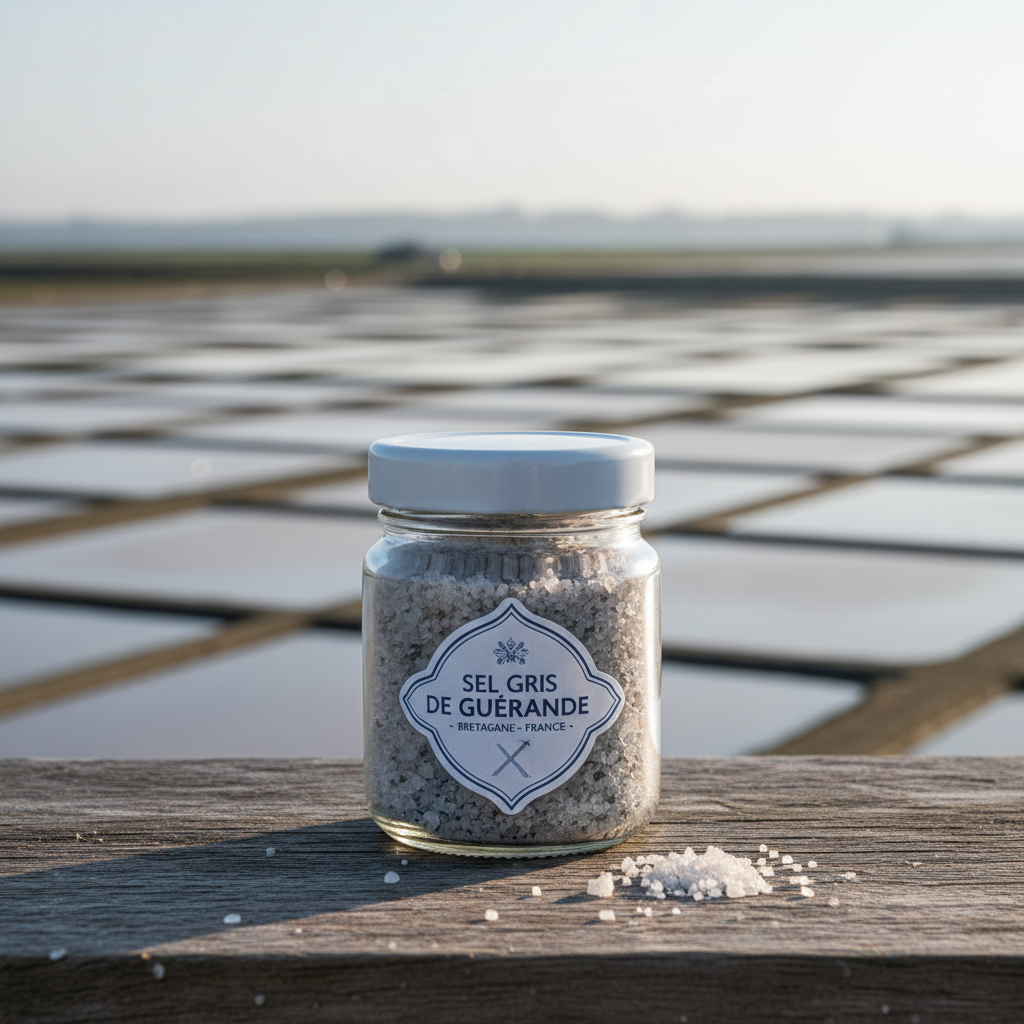
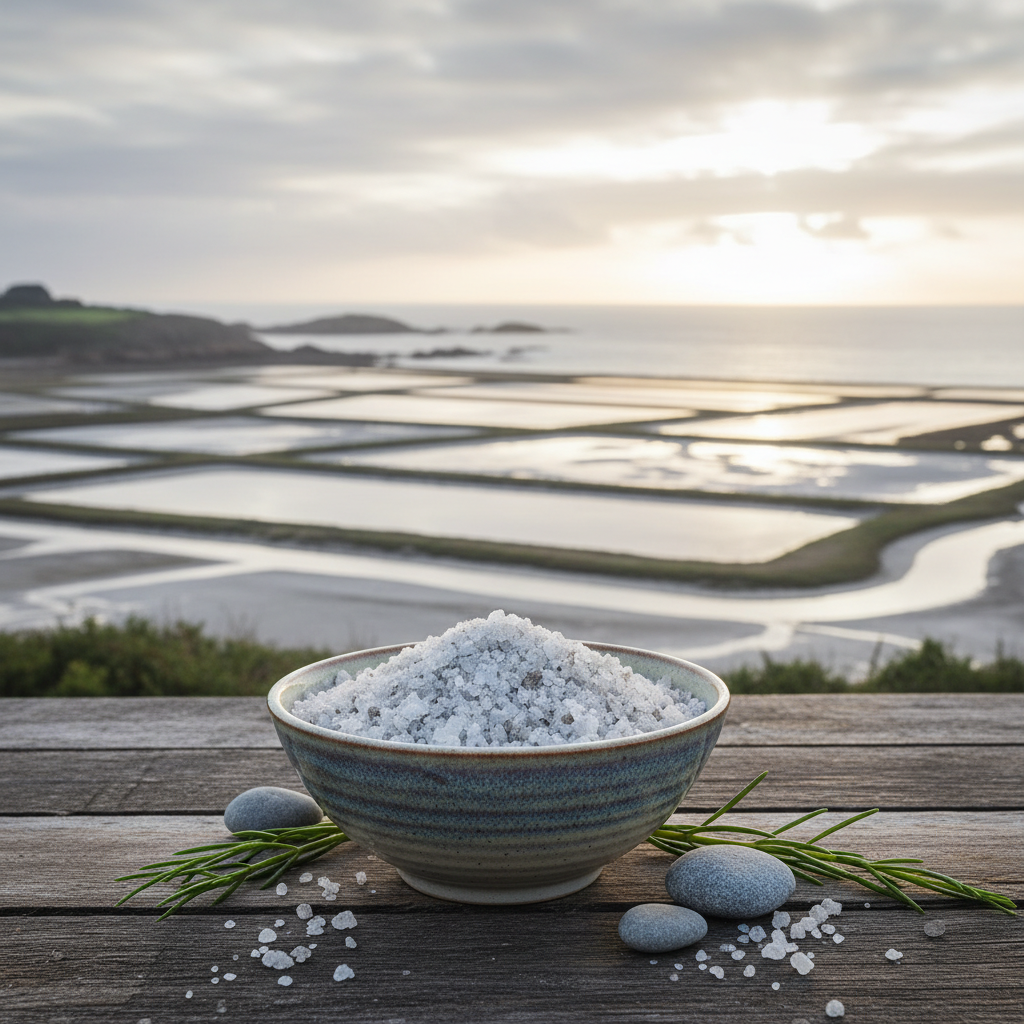
Celtic sea salt is a natural salt that is harvested from the coastal salt marshes of Brittany, specifically in the region of Guérande, renowned for its age-old artisan salt-making techniques. The process begins with trapping seawater in shallow clay ponds known as "œillets." As the sun and wind evaporate the water, the salt crystals form and are then gathered by paludiers, who use time-honored methods to collect this treasure without the use of machinery or additives. The result is a grey salt that retains essential trace minerals and moisture. Unlike regular table salt, which is often heavily processed and stripped of its natural properties, Celtic salt retains its natural color and texture, characterized by its dampness and rich mineral profile, which includes magnesium, potassium, and calcium. This makes it not only a great seasoning for various dishes but also a choice that emphasizes authenticity and tradition—elements that are becoming increasingly valuable in the Indian culinary landscape.
Key Benefits and Properties
The benefits of Celtic salt extend beyond its exquisite taste. It is often celebrated for its rich mineral content, which provides various essential elements that are beneficial for overall well-being. One of its most notable properties is its unique moisture retention due to the method of harvesting that keeps the natural brine intact. This not only enhances flavor but also adds a subtle sweetness to dishes. Furthermore, as a natural salt, Celtic salt contains no anti-caking agents or preservatives commonly found in table salt, making it a purer choice for consumers. Its complex flavor profile allows it to elevate dishes—from grilled vegetables to gourmet meats—bringing out the natural flavors without overwhelming them. Additionally, incorporating Celtic salt into your meals can allow you to savor the terroir of Brittany, offering a culinary experience that celebrates the natural environment. Such benefits appeal to the increasing number of health-conscious consumers in India who are seeking out unprocessed, authentically sourced food options. These consumers are ready to embrace the versatility of Celtic salt in an array of traditional Indian recipes, thereby enriching their overall dining experience.
How to Use celtic salt in india: Practical Guide
Using Celtic salt in your cooking can enhance your meals in numerous ways. In Indian cuisine, where spices play a crucial role, Celtic salt can act as a perfect counterpoint. Start with a few pinches of Celtic salt sprinkled onto freshly grilled vegetables, breathing life into their natural flavors. When cooking meats, consider using Celtic salt during the marinating process to infuse the meat with its distinct flavor, or simply sprinkle it onto your dish right before serving for an added burst. Its coarse texture also makes it an ideal finishing salt for dishes like tandoori chicken or paneer tikka, where the salt can provide a satisfying crunch alongside tender, juicy bites. Additionally, Celtic salt can be used in brining, where its moisture retention characteristics can help in preserving and flavoring meats, especially during the hot summers in India. As for baking, replacing table salt with Celtic salt can elevate your bread and pastry recipes. Simply dissolve it in warm water before mixing it into your dry ingredients. Remember to start with a modest amount—it’s a more intense flavor compared to regular salt. Experimenting with Celtic salt can lead to unexpected culinary delights, making your cooking an expressive outlet.
How to Choose Quality celtic salt in india
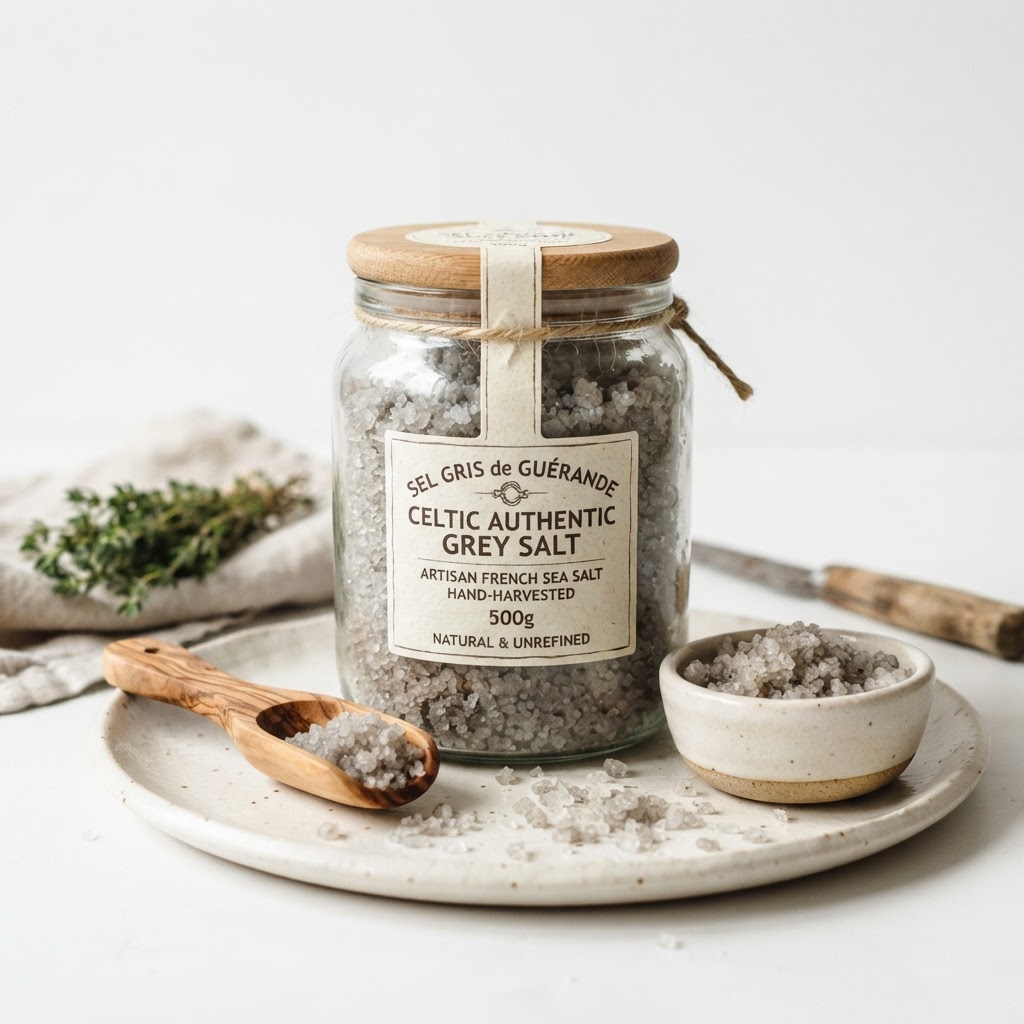
When selecting quality Celtic salt, several factors play a pivotal role. Firstly, you want to ensure that the salt is sourced from Guérande in Brittany, as this is the region renowned for its traditional salt harvesting methods. Labels stating 'Celtic Sea Salt' or 'Guérande Sea Salt' are indicators of authenticity; look for salt that is harvested without additives, as any form of processing can strip away some of its beneficial properties. Secondly, check for the color and texture. High-quality Celtic salt should have a natural grey tint, indicating that it carries trace minerals. It should also feel moist and slightly chunky. Excessively dry or white salt may have undergone industrial processing that compromises its natural composition. Consider packaging as well; choose salt that is stored in glass or other non-reactive materials to prevent contamination. Finally, customer reviews and sourcing transparency are essential—reputable brands will often provide insights into their practices. By choosing high-quality Celtic salt, you are not only investing in flavor but also supporting sustainable and responsible food practices that are becoming increasingly important to consumers in India.
Common Mistakes to Avoid
When incorporating Celtic salt into your cooking and diet, several common mistakes can detract from its potential benefits. One is overusing it due to misconceptions about its health properties. Although Celtic salt is a healthier alternative to processed table salt due to its mineral content, moderation is key. It's easy to assume that because it is 'natural,' it can be consumed in excess, but it still contains sodium, which can be detrimental in large amounts. Another mistake is assuming that Celtic salt can be substituted in equal measurement for table salt. Its unique texture and density mean that a pinch of this artisanal salt can have a more potent flavor than regular table salt. Always begin with less and adjust to taste. Additionally, some consumers overlook the importance of cooking techniques. Using Celtic salt too early in the cooking process can lead to overly salty dishes, especially when boiling or steaming vegetables. Instead, consider adding it at the end of cooking or as a finishing touch. Be wary of storage as well; failing to store Celtic salt in a cool, dry place or in airtight containers can compromise its natural moisture and flavor. Avoid these common pitfalls, and you will maximize the delicious and healthful benefits of Celtic salt in your culinary adventures.
Frequently Asked Questions
Is Celtic salt the same as table salt?
No, Celtic salt differs significantly from table salt. While table salt is heavily processed and often stripped of its minerals, Celtic salt is harvested naturally and retains trace minerals, making it a healthier alternative.
Can I substitute Celtic salt for kosher salt?
Yes, you can substitute Celtic salt for kosher salt, but keep in mind that the texture and salinity may vary. It’s best to use less Celtic salt initially and adjust according to your taste preference.
How should I store Celtic salt?
Celtic salt should be stored in a cool, dry place and preferably in an airtight container to maintain its natural moisture and flavor. Avoid keeping it in humid areas to prevent clumping.
Is Celtic salt more expensive than regular salt?
Yes, Celtic salt typically costs more than regular table salt due to its artisanal harvesting methods and the care that goes into its production. However, many find that its flavor and health benefits justify the price.
Can I use Celtic salt for baking?
Absolutely! Celtic salt can be used in baking, but it’s recommended to dissolve it in warm water before mixing it with dry ingredients to enhance its solubility and flavor distribution in the final product.
Conclusion
In summary, Celtic salt presents a flavorful and healthier alternative to regular table salt that is gaining traction in India as consumers become more conscientious about their culinary choices. Its unique harvesting process, rich mineral content, and authentic flavors make it a desirable seasoning for various dishes, enriching not just flavor profiles but also the overall cooking experience. As we embrace the evolving palette of Indian cuisine, Celtic salt stands out as a product that underscores this shift towards natural, artisanal, and authentic food sources. By understanding how to use, choose, and store Celtic salt effectively, you can make the most of this culinary gem. Its versatility spans traditional recipes along with modern cooking techniques, making it an essential ingredient in your pantry that can harmonize with and enhance the vibrant flavors of Indian cuisine. As we continue to explore and celebrate food diversity, Celtic salt will undoubtedly play an integral role in our kitchens in the years to come.
Celtic Salt — IGP Guérande
Hand-harvested by Breton paludiers. 500g / 17.6 oz jar, unrefined, trace minerals whose levels vary by harvest and product.