Hand-harvested Guérande salt · Tracked international delivery included
Guide· by Celtic Salt Editorial Team
Celtic Salt Gourmet
Introduction — Why celtic salt gourmet Matters in 2026
As we enter 2026, culinary trends are emphasizing a return to natural, artisanal ingredients, and Celtic salt gourmet stands out as a star player in this landscape. Harvested from the pristine coastal waters of Brittany, France, this salt is not just a seasoning; it embodies a connection to the earth, a craftsmanship honed over centuries, and a unique flavor profile that elevates dishes to gourmet status. The demand for Celtic sea salt has surged as chefs and home cooks alike seek to enhance their culinary creations with authentic, high-quality ingredients.
In today’s food culture, where the origins and quality of ingredients are under scrutiny, Celtic salt presents a sustainable option that is free from additives and harsh processing. The hand-harvested techniques employed by paludiers—a term for the salt farmers of Guérande—preserve the natural minerals and trace elements that define its richness. As gourmet cooking becomes more mainstream, understanding the significance of Celtic salt not only enhances flavor but also appeals to the conscious consumer interested in ethical sourcing. This article explores what makes Celtic salt gourmet, its benefits, how to use it effectively, and how to choose the best product to elevate your culinary journey.
What Is celtic salt gourmet?
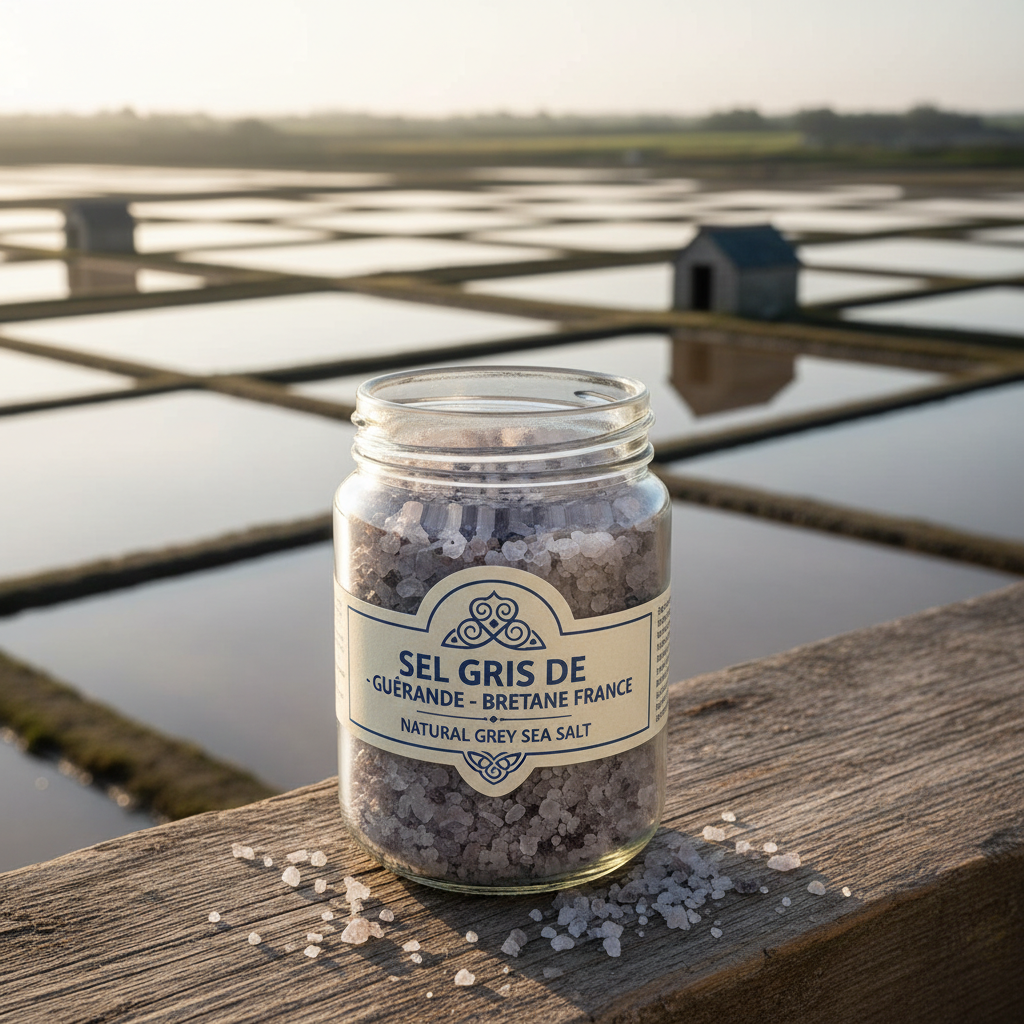
Celtic salt gourmet, also known as grey salt or fleur de sel, is a type of sea salt harvested from the tidal marshes of Guérande, a region in Brittany, France. This cherished salt is known for its soft, grey color, a result of the clay found in the salt flats where it is harvested. Contrary to many commercial salts which are heavily processed and stripped of minerals, Celtic salt is produced using traditional methods that have been passed down through generations.
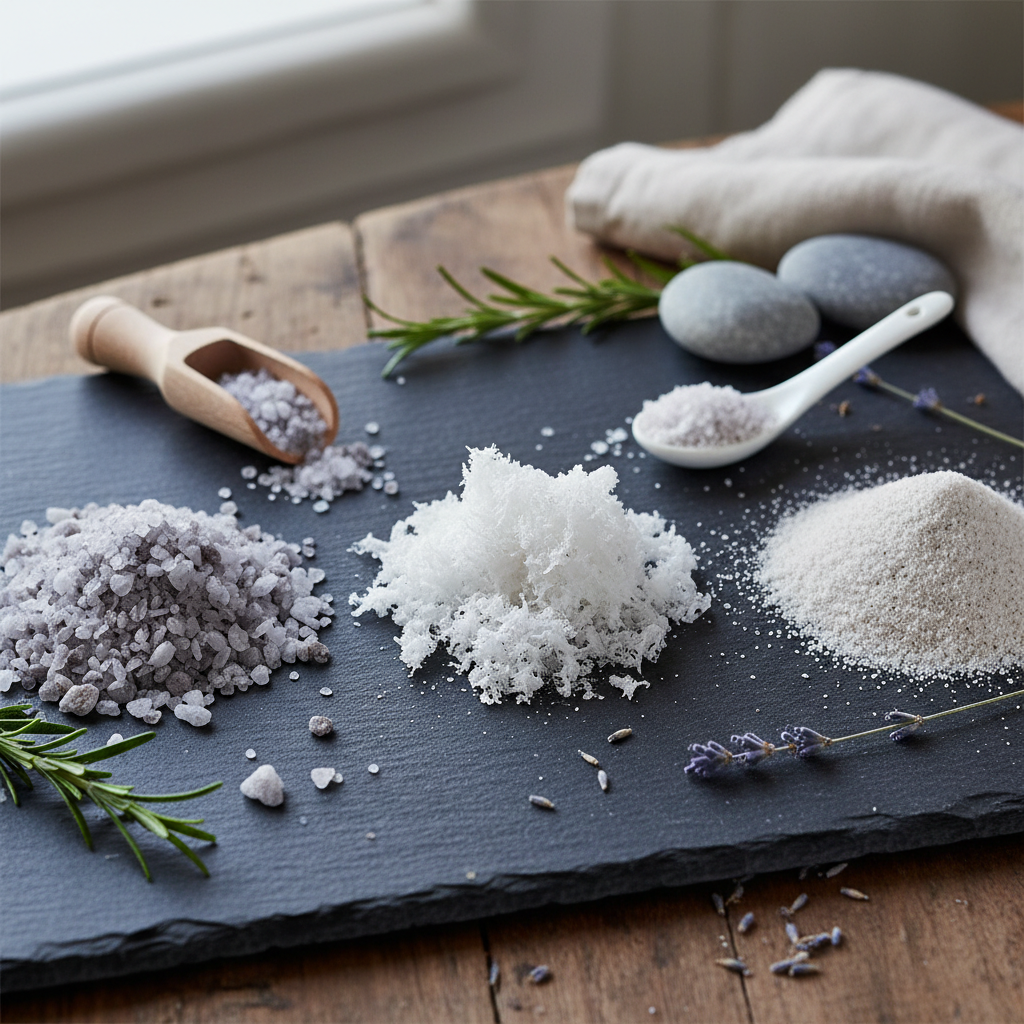
The process begins as seawater is funneled into shallow ponds, or “œillets,” where it evaporates under the sun and wind. Skilled paludiers carefully monitor the evaporation process, allowing salt crystals to form naturally. The top layer of salt, which is collected as fleur de sel, is renowned for its delicate flavor and is ideal for finishing dishes. The remaining salt, which is harvested from the bottom, is known as sel gris or grey salt and offers a more robust flavor and better moisture retention.
This artisanal production method not only contributes to its unique taste and texture but also retains the rich mineral content that includes magnesium, potassium, and calcium, making it a natural choice for chefs who prioritize both quality and flavor in their cooking.
Key Benefits and Properties
Celtic salt gourmet stands out in its myriad benefits and unique properties, which go beyond mere seasoning. One of its most notable characteristics is its mineral content; unlike regular table salt, which is primarily sodium chloride, Celtic salt contains a complex matrix of over 80 different trace minerals. This results in not only richer flavor but also a more nuanced culinary experience.
Its high moisture content differentiates it from other salts, providing a more elastic texture that helps it adhere to food. This enhances the way flavors meld and balance in a dish, improving overall taste. Furthermore, the flavor of Celtic salt is often described as slightly sweet and briny, which can elegantly elevate both savory and sweet dishes.
From a culinary perspective, the adaptability of Celtic salt makes it ideal for a wide range of applications, from finishing steaks to garnishing salads. It can also be used in baking, where its moisture retention can impact the texture of bread and pastries positively. Additionally, it is a great partner for marinades and rubs, bringing out the intrinsic flavors of meat and vegetables.
Moreover, the artisanal nature of its production means that Celtic salt is often more sustainable than mass-produced alternatives. The traditional harvesting practices not only support local economies but also promote biodiversity in the salt marshes, ensuring the preservation of this unique ecosystem.
How to Use celtic salt gourmet: Practical Guide
Incorporating Celtic salt gourmet into your culinary repertoire can be both straightforward and rewarding. To begin, consider the various forms in which it is available: sel gris and fleur de sel. Each type has unique attributes that lend themselves to different applications.
Start with sel gris, which is best suited for cooking. Its moist texture allows it to dissolve well in sauces, stews, and marinades. Use it liberally when seasoning meats prior to cooking or when preparing roasted vegetables. Its robust flavor profile can stand up to bold spices, enhancing the overall taste of the dish.
Fleur de sel, on the other hand, is best used as a finishing salt. Its delicate crystals retain a slight crunch, making it the perfect garnish for dishes like grilled fish, roasted chicken, or even chocolate desserts. A light sprinkle just before serving can elevate the dish, adding a burst of flavor and texture that delights the palate.
Beyond savory dishes, consider using Celtic salt gourmet in baking. It pairs beautifully with chocolate, enhancing the sweetness and depth of flavor in baked goods such as brownies or cookies. Additionally, when making bread, adding sel gris to the dough can improve flavor and texture.
Lastly, remember that the quality of your ingredients affects the final product. Therefore, be cautious not to overpower dishes with too much salt. Start with a small amount and adjust according to taste, allowing the rich, complex flavors of Celtic salt gourmet to shine through.
How to Choose Quality celtic salt gourmet
When it comes to selecting high-quality Celtic salt gourmet, it's essential to look for authenticity and sourcing practices. The best Celtic salt is typically harvested from the Guérande region in Brittany, as this area is renowned for its traditional methods of salt production and high-quality minerals.
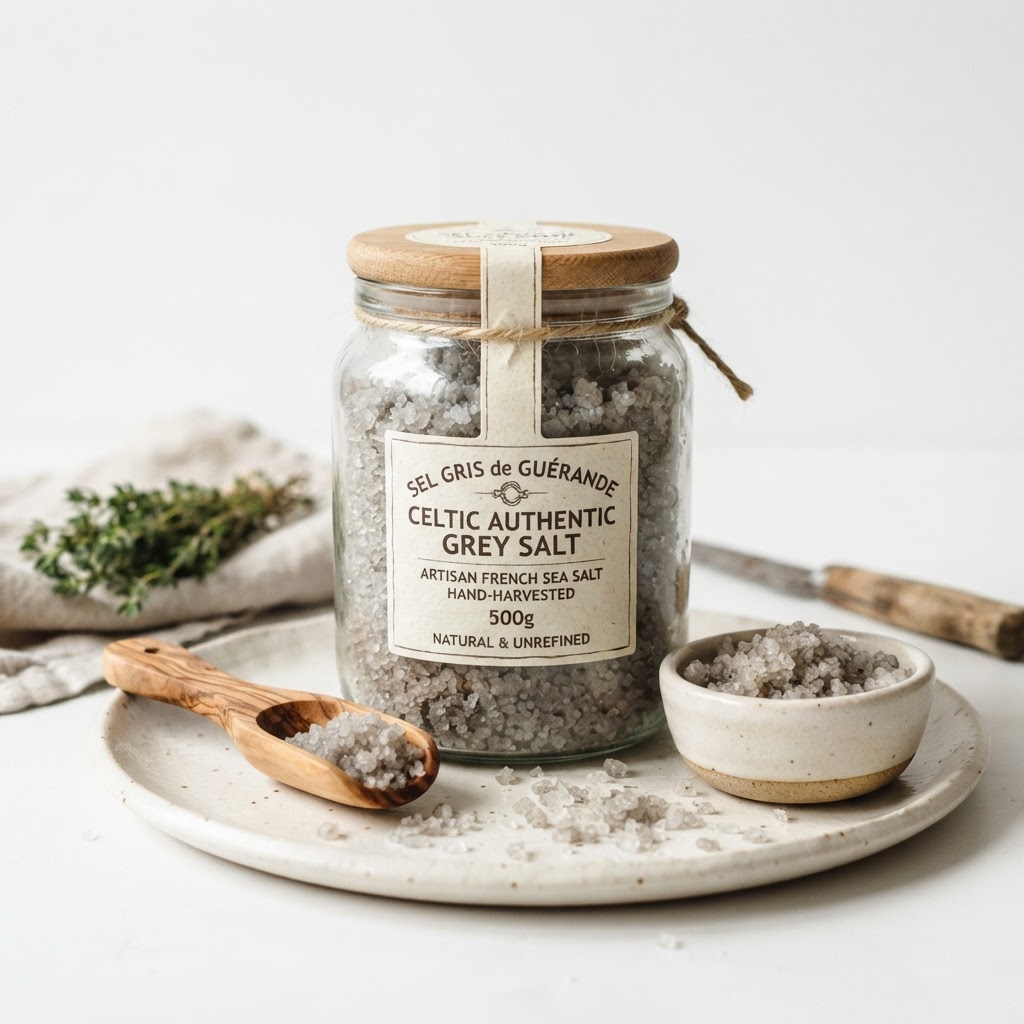
Begin by examining the packaging. Authentic Celtic salt should have information that verifies it comes from Guérande. Look for seals or certifications that denote its origin, ideally indicating that it is unrefined and free from additives. Additionally, the color should be a natural grey, signaling that it retains minerals from the clay-rich salt flats.
It's also crucial to check for the texture. Quality Celtic salt should feel slightly moist and clump together, which indicates it hasn’t been overly processed. Avoid any salts that appear overly dry or have uniform white coloring, which often indicates they’ve been stripped of their natural minerals and flavors.
Consider purchasing from reputable sources that specialize in gourmet ingredients. Websites and stores focusing on artisanal foods typically curate their selections carefully, ensuring you receive genuine products. Lastly, don’t hesitate to ask for samples or taste tests, as some sellers may allow you to experience the different types of Celtic salt before committing to a purchase.
Common Mistakes to Avoid
While using Celtic salt gourmet can significantly enhance your culinary creations, there are several common mistakes to avoid that can diminish its potential. One major error is using it as a direct substitute for table salt. Due to its unique flavor profile and texture, Celtic salt requires careful consideration in terms of quantity. Adjust recipes that call for table salt, as you may need less Celtic salt to achieve the desired flavor.
Moreover, some people overlook the importance of adding salt at different stages of cooking. Using Celtic salt in various phases—such as when marinating, cooking, and finishing—allows you to maximize its flavor potential. Adding it only at the end may not yield the same depth of seasoning as incorporating it during preparation.
Another common mistake is to disregard pairing. Celtic salt works harmoniously with certain ingredients, and understanding how to complement those flavors is crucial. For example, pairing sel gris with robust meats or vegetables enhances their flavors, while fleur de sel is ideal for lighter dishes such as salads or seafood. Always consider the overall flavor profile of the dish to select the appropriate type of salt.
Lastly, many home cooks fail to store Celtic salt properly. Any salt needs to be kept in a cool, dry place away from moisture and contaminants. Invest in a quality container that seals well to maintain its freshness. Proper storage ensures that the salt retains its unique properties and longevity.
Frequently Asked Questions
What makes Celtic salt different from regular table salt?
Celtic salt is unrefined and contains a complex array of trace minerals, unlike regular table salt, which primarily consists of sodium chloride. This gives Celtic salt a unique flavor profile and health benefits that regular salt lacks.
Can Celtic salt be used in baking?
Yes, Celtic salt can be employed in baking, particularly sel gris. Its moisture retention can enhance the texture and flavor of breads and pastries, making it an excellent choice for baked goods.
How should I store Celtic salt gourmet?
To maintain its quality, store Celtic salt in a cool, dry place in an airtight container. This prevents moisture from degrading its flavor and texture.
Is there a significant taste difference between sel gris and fleur de sel?
Yes, sel gris has a more robust flavor and is suited for cooking, while fleur de sel has a delicate crispness and is best used as a finishing salt for enhancing dishes right before serving.
Can I use Celtic salt in salt grinders?
Celtic salt may not be the best choice for grinders, particularly fleur de sel, as its moisture can clog mechanisms. It's best used directly from the package or in a salt cellar for precise measurements.
Conclusion
Celtic salt gourmet holds a beloved space in the culinary world for its rich history, artisanal production, and unparalleled flavor profile. As the trend toward conscious consumption prevails, this unique salt, sourced from the pristine salt marshes of Guérande, exemplifies quality and authenticity. Whether used as a finishing touch on elegant dishes or a foundational ingredient in cooking, Celtic salt enhances flavors and elevates the entire culinary experience.
By understanding how to effectively use, choose, and appreciate Celtic salt, both home cooks and professional chefs can bring a touch of gourmet flair to their meals. As we embrace the future of gastronomy, let the uniqueness of Celtic salt inspire your culinary creations and deepen your connection to the art of cooking.
Celtic Salt — IGP Guérande
Hand-harvested by Breton paludiers. 500g / 17.6 oz jar, unrefined, trace minerals whose levels vary by harvest and product.