Hand-harvested Guérande salt · Tracked international delivery included
Guide· by Celtic Salt Editorial Team
Celtic Salt and Anxiety: What Minerals Like Magnesium Actually Do
Food information, not medical advice. Salt remains a significant source of sodium. Trace-mineral levels can vary by harvest and product, and culinary salt should not be used as a treatment or medical electrolyte supplement.
What Is Celtic Salt and Anxiety: What Minerals Like Magnesium Actually Do and Why It Matters in 2026
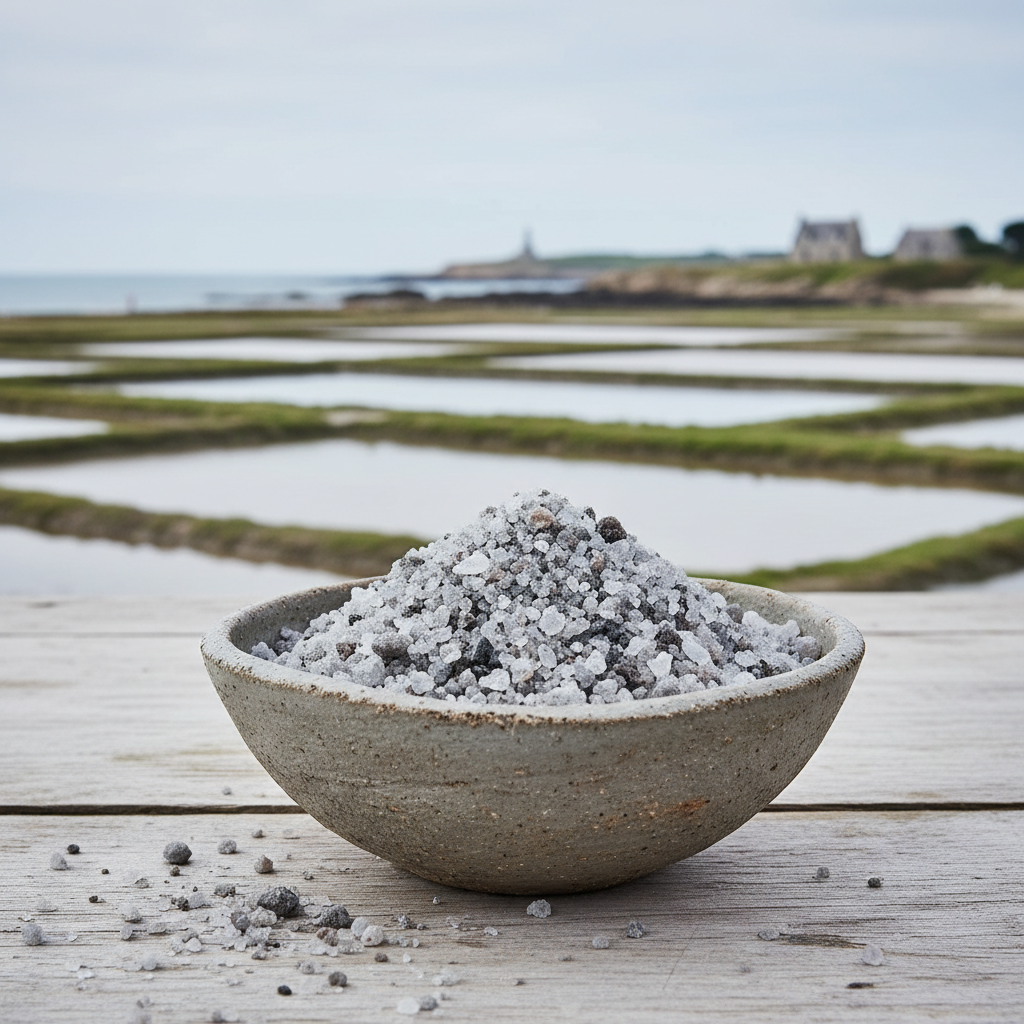
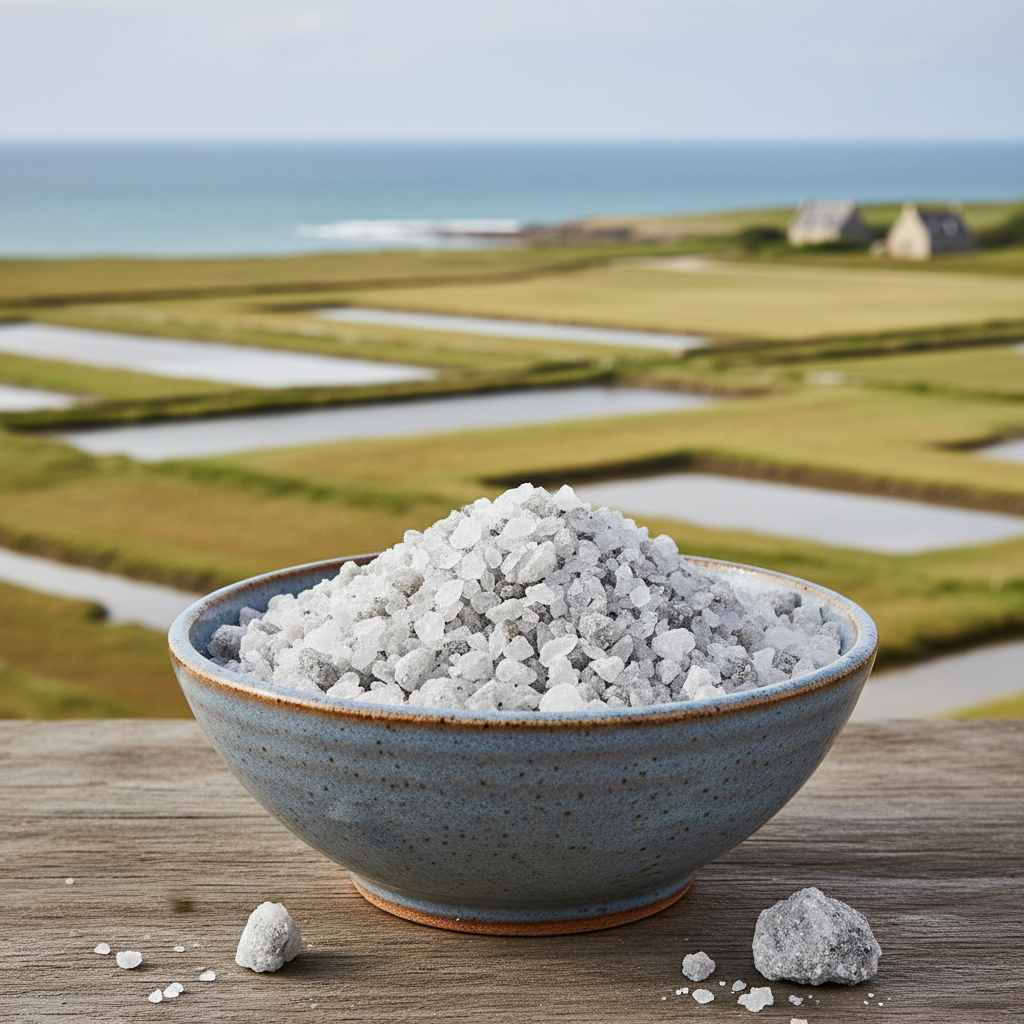
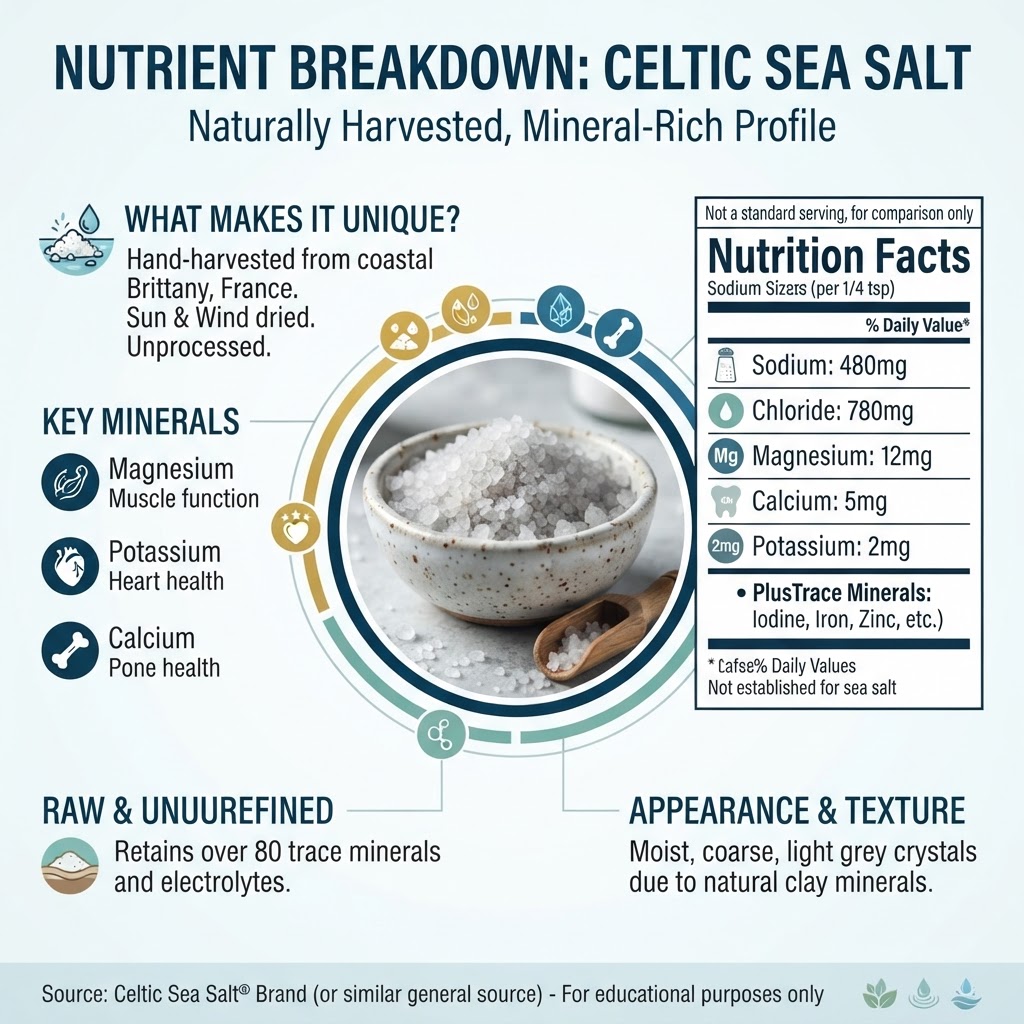
In an era defined by chronic stress, digital overload, and a collective crisis of calm, more people than ever are turning inward — examining their diets, their mineral intake, and even the type of salt sitting on their kitchen shelf. The connection between Celtic salt and anxiety is not a wellness trend invented by influencers. It is rooted in fundamental biochemistry, in the way trace minerals interact with the nervous system, and in centuries of traditional wisdom from the salt marshes of Guérande in Brittany, France. Celtic grey salt, harvested by hand using ancient wooden tools and dried naturally in the Atlantic winds, is one of the most mineral-rich salts available anywhere in the world. Unlike heavily processed table salt, which is stripped of virtually all naturally occurring minerals and then supplemented with synthetic additives, authentic Celtic grey salt retains a remarkable spectrum of over eighty trace elements — including magnesium, calcium, potassium, zinc, and many others — all in naturally occurring ratios that the human body is designed to recognise and absorb.
The science of anxiety is complex. It involves neurotransmitter function, hormonal balance, the gut-brain axis, and cellular energy metabolism. But at its most fundamental level, anxiety is a nervous system problem. The nervous system depends on minerals to function. Electrolytes like magnesium, potassium, and calcium are not simply nice-to-haves; they are essential co-factors in hundreds of enzymatic reactions, including those responsible for regulating neuronal excitability, synthesising calming neurotransmitters like GABA, and maintaining the delicate balance between the sympathetic and parasympathetic branches of the autonomic nervous system. When these minerals are deficient — as they increasingly are in modern Western populations eating ultra-processed, mineral-depleted diets — the nervous system loses some of its natural buffering capacity. The result can be heightened reactivity, poor sleep, racing thoughts, muscle tension, and a generalised sense of unease that many people recognise as anxiety.
What makes the year 2026 a particularly relevant moment to explore this topic is the convergence of several powerful trends. First, magnesium deficiency has reached what many nutritional researchers are describing as epidemic proportions in industrialised nations. Second, the global conversation about mental health has expanded far beyond pharmaceutical interventions to encompass nutritional psychiatry — a rapidly growing field that takes seriously the idea that what we eat (and what we absorb) shapes how we feel. Third, consumers are becoming increasingly sophisticated about food quality, and the difference between a highly processed, bleached, anti-caking-agent-laden refined salt and a living, mineral-rich Celtic grey salt from Guérande is now a distinction that educated food buyers genuinely care about. Celtic salt sits at the intersection of all three trends, offering not just flavour but a meaningful contribution to daily mineral intake in a form that is both ancient and scientifically compelling.
It is important to be clear from the outset: nothing in this article constitutes medical advice, and Celtic grey salt is not a treatment or cure for anxiety disorders. What it is, however, is a thoughtful, evidence-informed look at how the minerals naturally present in an authentic, unrefined salt like Celtic grey salt contribute to physiological processes that support nervous system health. The magnesium in Celtic salt is not the same as a pharmaceutical-grade magnesium supplement in a clinical trial. But it is real, bioavailable magnesium — alongside dozens of other naturally co-occurring minerals — entering the body in every pinch you sprinkle over your food. Over days, weeks, and months, these small contributions add up. And for many people seeking to support their mental wellbeing through nutrition, that matters enormously.
The Complete Guide to Celtic Salt and Anxiety: What Minerals Like Magnesium Actually Do
To understand why Celtic grey salt might matter for anxiety, you first need to understand what minerals actually do inside the human body — not in vague, hand-wavy terms, but mechanistically. Let us start with magnesium, because it is arguably the most critical mineral for nervous system regulation that most people are not getting enough of. Magnesium is a co-factor in over three hundred enzymatic reactions. Among its most important roles in the context of anxiety is its action as a natural NMDA receptor antagonist. NMDA receptors are glutamate receptors in the brain, and when they are over-activated — as they tend to be under chronic stress — the result is excitotoxicity, neuronal hyperexcitability, and elevated anxiety. Magnesium literally blocks these receptors when present in sufficient concentrations, acting as a natural brake on an overactive nervous system. Studies published in peer-reviewed journals including Nutrients and PLOS ONE have found associations between low dietary magnesium intake and increased symptoms of depression and anxiety in population-level data.
Potassium is another mineral found in Celtic grey salt that plays a direct role in nervous system function. It is the primary intracellular cation and is essential for maintaining the resting membrane potential of neurons. When potassium levels are suboptimal, neurons can become more easily depolarised — meaning they fire more readily and with less provocation. This contributes to the kind of neural hypersensitivity that many people with anxiety experience as being "jumpy," easily startled, or unable to settle. Potassium also works in close tandem with sodium, and the ratio between the two is as important as the absolute levels of either. Authentic Celtic grey salt naturally contains both sodium and potassium, unlike refined table salt which is almost purely sodium chloride.
Calcium, often thought of exclusively in the context of bones, is a critical intracellular signalling molecule. It regulates neurotransmitter release, including serotonin and dopamine — two neurotransmitters whose deficiency is closely linked to mood disorders including anxiety. Calcium channels in neuronal membranes control the precise timing of neurochemical communication, and when calcium metabolism is disrupted — which can happen when co-factors like magnesium are insufficient — these signalling cascades can become dysregulated. Celtic grey salt provides small but meaningful amounts of calcium in its naturally occurring form, alongside the magnesium that helps the body use it effectively.
Zinc is a trace mineral present in Celtic grey salt that deserves special mention in the context of mental health. Zinc is essential for the function of the HPA axis — the hypothalamic-pituitary-adrenal axis — which is the body's central stress response system. Research has consistently shown that zinc deficiency is associated with increased anxiety and depressive symptoms, and that zinc supplementation in zinc-deficient individuals can meaningfully improve mood. Zinc also modulates GABA receptors, the primary inhibitory neurotransmitter system in the brain — the same system targeted by benzodiazepine medications. While the zinc in a serving of Celtic salt is modest, it is part of a broader constellation of minerals that collectively support these vital neurological pathways.
Beyond individual minerals, there is an important concept in nutritional biochemistry called mineral synergy — the idea that minerals do not work in isolation but in carefully balanced relationships with one another. This is where authentic, unrefined Celtic grey salt offers something that no synthetic mineral supplement can fully replicate: a naturally occurring matrix of minerals in ratios that reflect the composition of seawater and, by extension, the internal environment of the human body. The sea has long been understood as the original medium from which life emerged, and the electrolyte composition of blood plasma is remarkably similar to dilute seawater. When you consume Celtic grey salt, you are not introducing a single isolated compound — you are introducing a complex, balanced mineral profile that the body's regulatory systems recognise and can work with efficiently.
The health-supporting properties of Celtic grey salt extend well beyond its mineral content, though that mineral content is undeniably the foundation of its appeal to health-conscious consumers. From a culinary perspective, authentic Guérande Celtic grey salt is prized for its complex, briny flavour with a subtle sweetness — a flavour profile that simply cannot be replicated by refined salt. The slight moisture content of Celtic grey salt (which gives it its characteristic grey colour and clumping texture) is a marker of genuine mineral richness; that moisture is seawater, carrying dissolved trace elements that evaporate with excessive processing and drying. Chefs across Europe have long recognised that Celtic grey salt enhances food differently than refined salt — not simply making things saltier, but adding depth and complexity that elevates even simple preparations.
From a nutritional standpoint, the case for Celtic grey salt rests on its superior mineral density compared to processed alternatives. A study analysing the mineral composition of various sea salts found that unrefined options like Guérande grey salt contained significantly higher levels of magnesium, calcium, potassium, and trace elements compared to refined sea salt or iodised table salt. For individuals who struggle to meet their daily magnesium requirements through diet alone — which, given soil depletion and modern food processing, is an increasingly large proportion of the population — every dietary source of magnesium counts. Celtic grey salt is not a supplement, but it is a meaningful contributor to daily mineral intake that arrives in a form people are already consuming every day.
The role of adequate sodium itself in nervous system function is frequently misunderstood. While excessive sodium from refined sources in the context of a poor-quality diet is genuinely problematic, adequate sodium intake is essential for hydration, adrenal function, and the production of stomach acid — which in turn affects the absorption of other minerals including magnesium and zinc. Many people who experience anxiety also have subclinical adrenal dysregulation, and the adrenal glands require sodium to produce aldosterone, the hormone that regulates fluid and electrolyte balance. Using a mineral-rich salt like Celtic grey salt in place of refined salt supports adrenal function in a way that highly processed sodium simply does not. Learn more about how Celtic salt supports adrenal health on our blog.
Gut health is another dimension of Celtic salt's potential benefits that is increasingly relevant in the context of anxiety. The gut-brain axis — the bidirectional communication network between the enteric nervous system and the central nervous system — is now understood to play a fundamental role in mood regulation. Approximately ninety percent of the body's serotonin is produced in the gut, and gut microbiome composition directly influences neurotransmitter production and neuroinflammation. The minerals in Celtic grey salt, particularly zinc and magnesium, support gut barrier integrity and a healthy microbial environment. Moreover, the trace minerals in unrefined salt help maintain the acidic pH of the stomach, which supports proper protein digestion and reduces the risk of dysbiosis — an imbalance in gut bacteria that is increasingly linked to anxiety and depression through the gut-brain axis.
How to Use Celtic Salt for Anxiety Support — Expert Tips
Using Celtic grey salt as part of a nervous-system-supportive nutritional strategy is straightforward, but doing it thoughtfully maximises the benefit. The first and most important step is to replace whatever refined salt you currently use with an authentic, unrefined Celtic grey salt from Guérande. This single swap immediately upgrades the mineral quality of every meal you season. Because Celtic grey salt has a more complex flavour than refined salt, many people find they actually use slightly less of it — the flavour satisfaction comes sooner — which is a positive outcome from a sodium management perspective.