Hand-harvested Guérande salt · Tracked international delivery included
Guide· by Celtic Salt Editorial Team
Celtic Salt Fine Ground
What Is Celtic Salt Fine Ground and Why It Matters in 2026
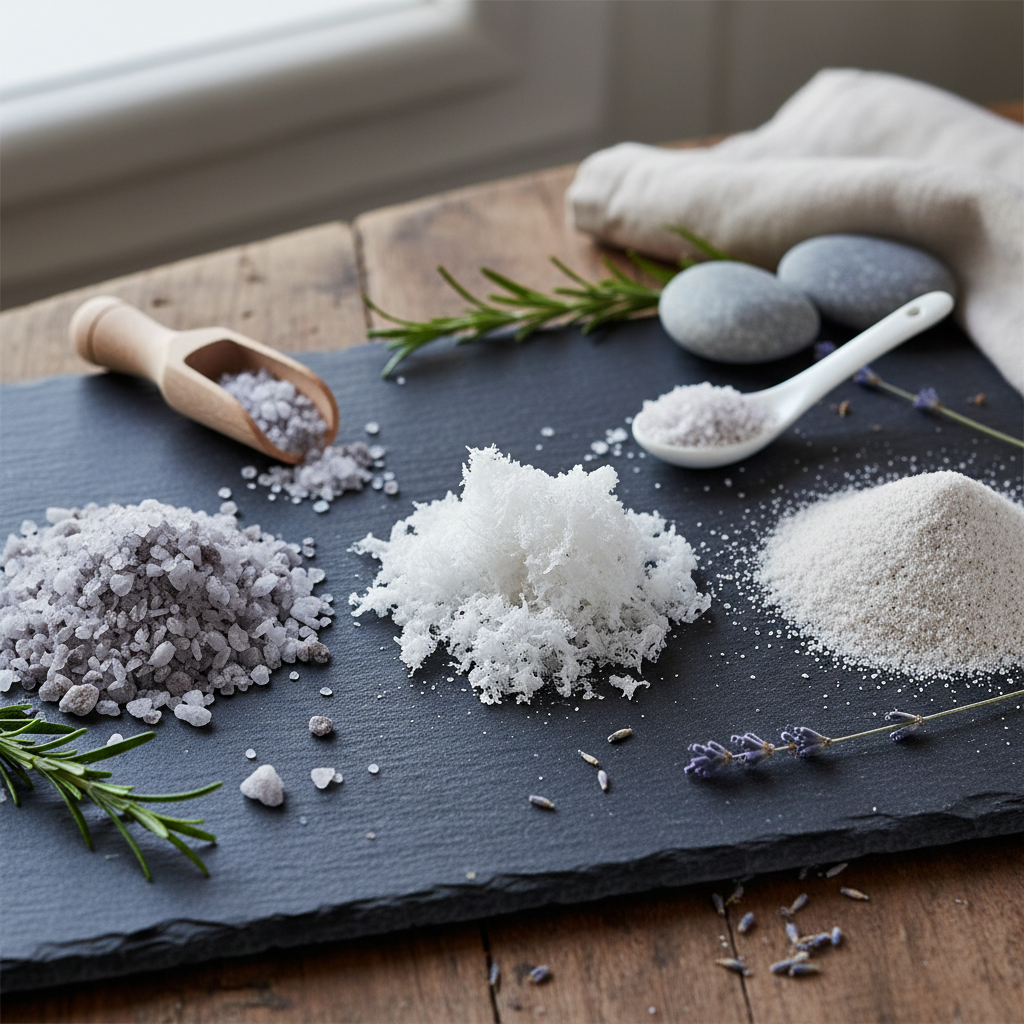
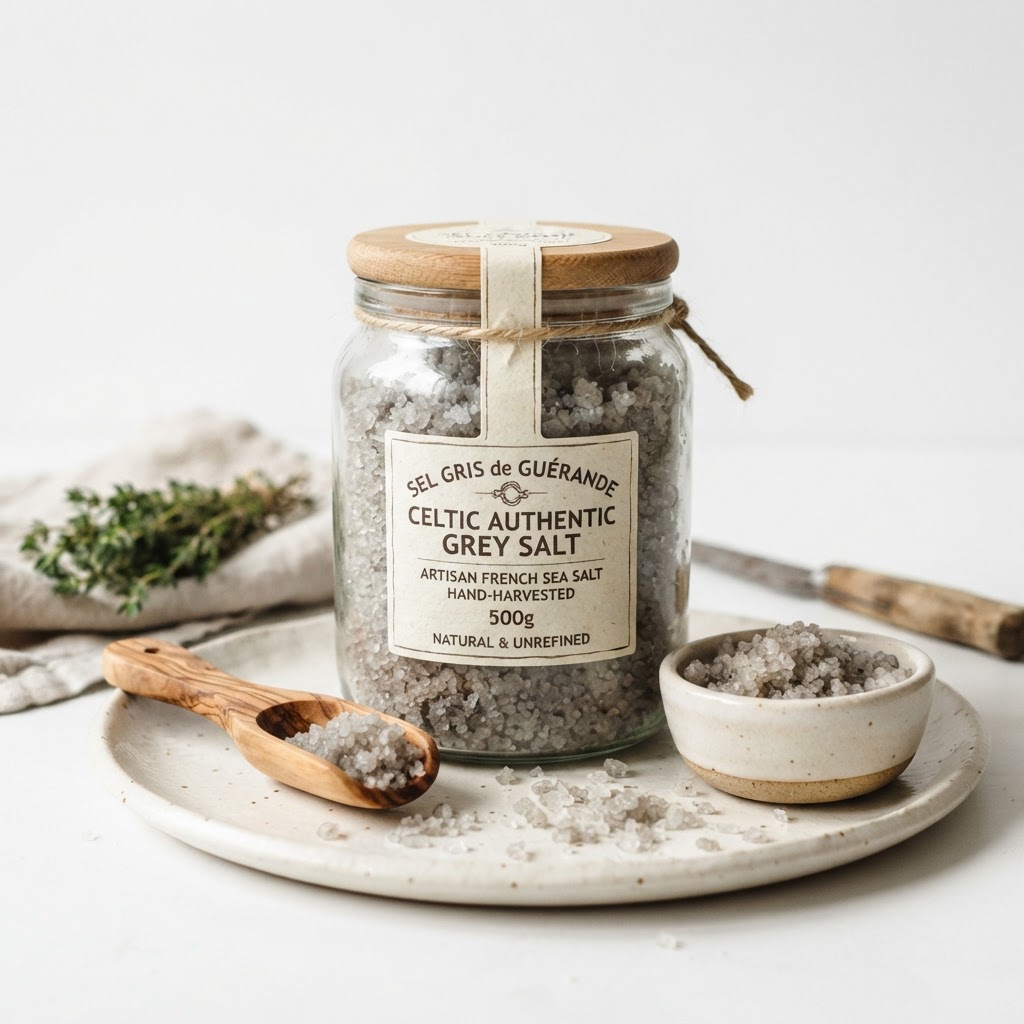
Celtic salt fine ground is a finely milled version of the legendary grey sea salt harvested by hand from the ancient salt marshes of Guérande, located along the Atlantic coast of Brittany in northwestern France. Unlike standard table salt or heavily processed sea salts, celtic salt fine ground retains its full spectrum of natural trace minerals, including magnesium, calcium, potassium, zinc, and iron — elements that are stripped away during industrial refining. The "fine ground" designation simply means that the characteristic coarse grey crystals have been carefully milled into a smaller, more versatile granule size without the use of heat, additives, or anti-caking agents. This makes it immediately ready for table use, baking, finishing dishes, and even health applications where consistency of texture matters deeply. In 2026, as more consumers worldwide seek cleaner, more natural alternatives to highly processed condiments, celtic salt fine ground has risen to become one of the most sought-after artisan salts on the global market.
The relevance of celtic salt fine ground in 2026 cannot be overstated. We are living through a period of dramatic nutritional re-evaluation, where the average consumer is no longer satisfied with simply knowing that something is "low sodium" or "sea salt." People want to understand the provenance of their food, the mineral composition of their seasonings, and the environmental ethics behind the production of everything that enters their kitchens. Celtic salt fine ground answers all of these questions with remarkable clarity. It comes from a single, clearly defined geographic region — the Guérande peninsula — where the salt-making tradition, known as paludiculture, has been practiced for over two thousand years. The paludiers, or salt farmers, who harvest this salt work in harmony with the natural tidal rhythms of the Atlantic Ocean, allowing seawater to flow through a series of clay-lined channels and evaporation basins until the salt crystallizes naturally on the surface and floor of each basin. No machinery touches the actual salt during harvest. No heat is applied. The result is a living mineral product that carries within it the full nutritional and sensory legacy of the Atlantic coast.
What truly distinguishes celtic salt fine ground from other salts sold as "sea salt" is a combination of its mineral density, its moisture content, and its colour. Genuine celtic grey salt has a naturally greyish hue that comes from the clay minerals in the bottom of the salt pans — a quality that many consumers initially find surprising but which is, in fact, a hallmark of authenticity. The fine ground version of this salt brings these same qualities into a more convenient format. When you grind or mill celtic grey salt to a fine consistency, you create a product that dissolves almost instantly, measures predictably in recipes, and distributes evenly across food surfaces. For bakers, this predictability is essential. For home cooks who want the mineral richness of traditional Breton salt without the texture of large crystals, fine ground celtic salt is a revelation. And for health-conscious individuals who are monitoring their electrolyte intake or looking for a more holistic approach to seasoning, the mineral profile of this salt — particularly its naturally occurring magnesium content — makes it a genuinely superior choice compared to anything that has been bleached, dried, or chemically treated.
The year 2026 has brought with it a heightened awareness of the relationship between soil depletion, mineral deficiency, and dietary health. As agricultural soils around the world continue to lose trace mineral content due to intensive farming practices, the naturally mineral-rich foods that remain become ever more precious. Celtic salt fine ground is one of those foods. When you season your meals with a salt that has not been stripped of its natural mineral companions, you are doing something subtly but meaningfully different from seasoning with pure sodium chloride. You are adding a complexity of flavour that no artificial mineral supplement can replicate, and you are doing so with a product whose ecological footprint is extraordinarily small. The salt marshes of Guérande are classified as a protected natural site, and the traditional methods used to harvest celtic salt actively support the biodiversity of these coastal wetlands. Choosing celtic salt fine ground in 2026 is thus not only a culinary decision but a statement of values — a commitment to authentic food, sustainable agriculture, and the preservation of a craft tradition that stretches back through the centuries.
The Complete Guide to Celtic Salt Fine Ground
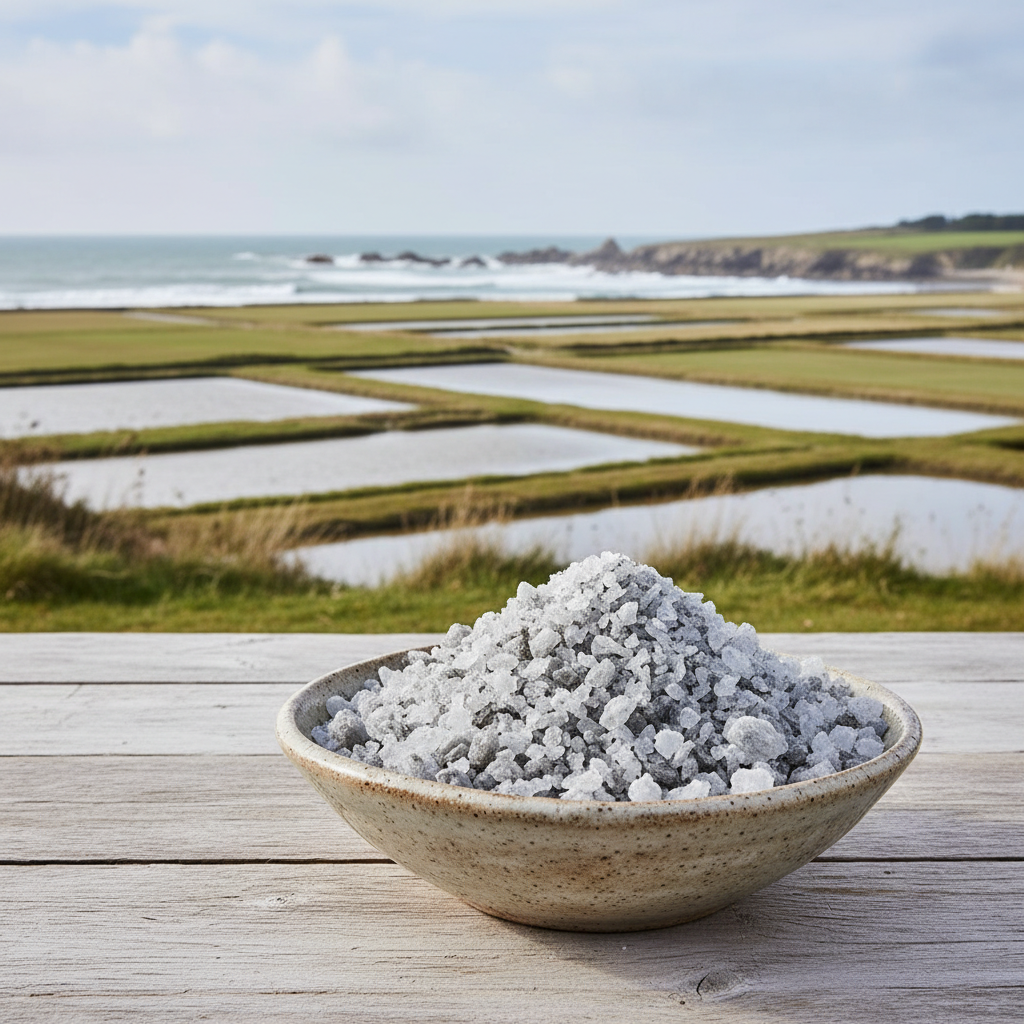
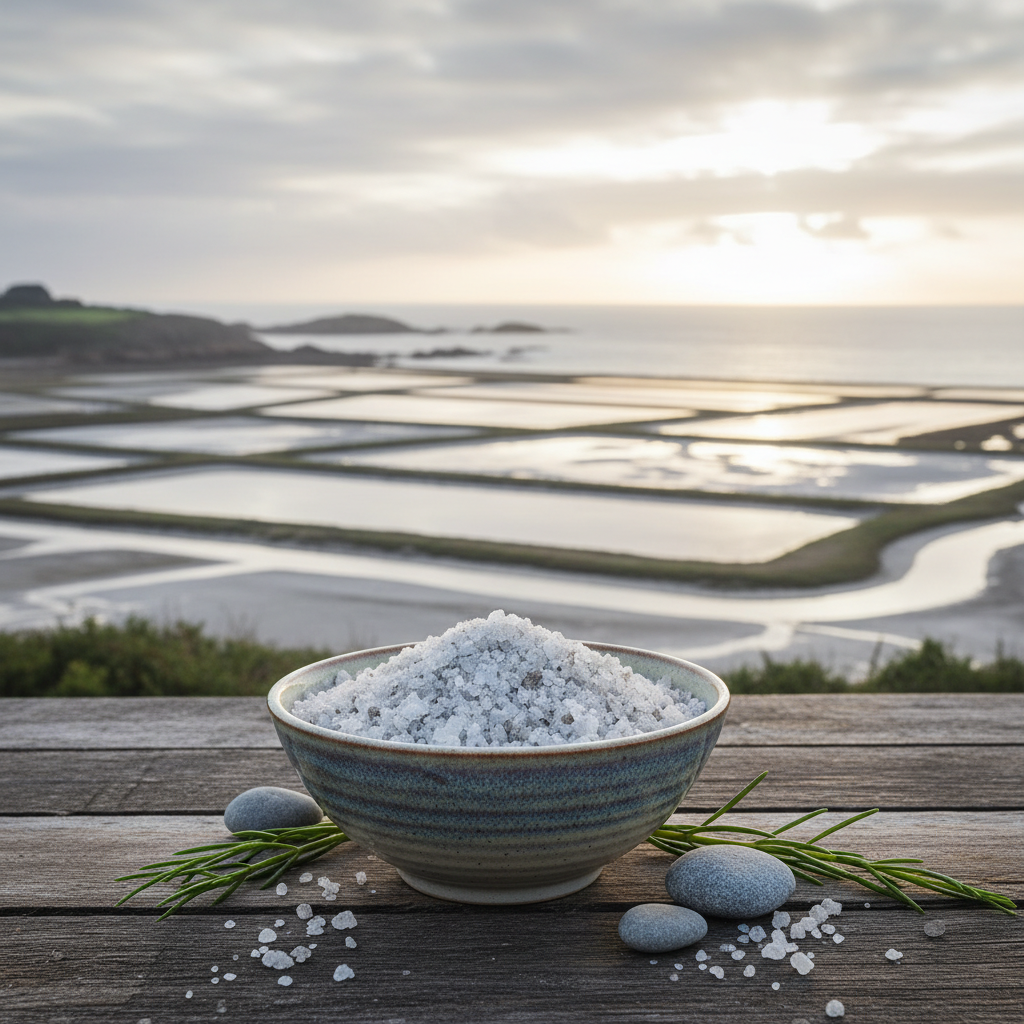
Understanding celtic salt fine ground begins with understanding its source. The Guérande salt marshes, known in French as the marais salants de Guérande, cover approximately 2,000 hectares of coastal wetland in the Loire-Atlantique department of Brittany. These marshes were engineered centuries ago by monks and farmers who recognised that the combination of Atlantic tidal waters, flat coastal topography, and the region's particular microclimate — warm summers, persistent Atlantic winds, and abundant sunshine — created ideal conditions for natural salt production. The system of channels, reservoirs, and evaporation pans that makes up a traditional Guérande salt farm is an engineering marvel of preindustrial ingenuity, and it functions today almost exactly as it did a thousand years ago.
The process begins when Atlantic seawater is admitted to the outer reservoirs during high tides. From there, it flows gradually through a series of progressively shallower basins, evaporating slowly as it travels. By the time the brine reaches the final crystallization pans — called oeillets — its salt concentration has increased dramatically. Under the summer sun and the persistent westerly winds off the Atlantic, salt crystals begin to form. The grey salt, known in French as sel gris, accumulates on the clay floor of the pans and is raked by the paludier using long-handled wooden tools called las. This raking process is done entirely by hand, with considerable skill and physical effort, and the timing of the harvest depends entirely on reading the weather, the tides, and the behaviour of the brine. The grey colour of the salt comes from the clay minerals in these pans — primarily illite and chlorite — which impart not only the distinctive hue but also a portion of the salt's remarkable mineral complexity.
Once harvested, the coarse grey salt is stored in large outdoor piles called mulons, where it undergoes a natural maturation process. During this time, excess surface moisture evaporates and the mineral profile of the salt stabilizes. When the decision is made to produce celtic salt fine ground, the matured coarse crystals are fed into a milling process that reduces them to a fine, consistent granule without the application of heat or chemical treatment. Genuine producers of fine ground celtic salt will use stone or ceramic grinding equipment rather than metal, which could introduce contaminants and affect the flavour. The result is a fine-textured salt that retains all the moisture, mineral content, and flavour complexity of the original coarse grey salt in a format that is immediately practical for everyday kitchen use.
It is worth noting what fine ground celtic salt is not. It is not dried. Authentic celtic grey salt retains a slight natural moisture — typically between 3% and 8% — which is one of the reasons it clumps slightly when stored. This moisture is not a defect; it is a feature. It indicates that the salt has not been subjected to high-temperature drying, which would destroy some of the delicate mineral compounds and alter the flavour profile. Fine ground celtic salt may feel slightly damp to the touch compared to conventional fine table salt, and this is entirely normal and desirable. Proper storage in a ceramic or glass container with a loose-fitting lid will keep fine ground celtic salt in excellent condition for years. Avoid airtight metal containers, which can cause the salt to take on metallic flavour notes over time.
The mineral composition of celtic salt fine ground is one of its defining characteristics. While sodium chloride makes up the majority of its composition — as it does with all salts — authentic celtic grey salt contains measurable quantities of magnesium, potassium, calcium, sulfur, iron, manganese, zinc, and a range of additional trace elements. The magnesium content is particularly noteworthy, as magnesium is a mineral that large proportions of the modern population are estimated to be deficient in, and dietary sources of naturally occurring magnesium are increasingly valued by nutritionists and health practitioners. The specific mineral ratios in celtic salt fine ground are determined by the mineral composition of the Atlantic seawater from which it is made, filtered through and enriched by the clay-mineral environment of the Guérande salt pans. No two harvests are precisely identical, and the mineral profile can vary slightly by year and by location within the salt marshes — a quality that connects fine ground celtic salt to the concept of terroir more commonly associated with wine and artisan cheeses.
For a deeper understanding of how celtic grey salt compares to other artisan salt types in terms of mineral content and production method, read our detailed comparison of celtic salt versus other sea salts, where we explore the differences between Guérande grey salt, Himalayan pink salt, fleur de sel, and various other artisan options currently available to consumers.
Health and Culinary Benefits of Celtic Salt Fine Ground
The health and culinary benefits of celtic salt fine ground are grounded in its unique composition and the integrity of its production process. From a nutritional standpoint, the primary advantage over conventional refined table salt is the presence of naturally occurring trace minerals. When salt is industrially refined, it is typically dissolved in water, purified through a series of chemical processes to remove "impurities" — which in reality are the mineral companions of sodium chloride — and then dried at extremely high temperatures. What remains is a product that is virtually pure sodium chloride, often with synthetic additives such as iodine and anti-caking agents like sodium ferrocyanide or calcium silicate. Celtic salt fine ground, by contrast, carries its full mineral payload to your table in its natural, bioavailable form.
Magnesium is the mineral most often highlighted in discussions of celtic grey salt's health relevance. Magnesium participates in over 300 enzymatic reactions in the human body, playing essential roles in muscle function, nerve transmission, protein synthesis, blood sugar regulation, and bone mineralisation. While celtic salt fine ground should not be understood as a primary dietary source of magnesium — you would need to consume unrealistic quantities of salt to meet your daily magnesium requirement through salt alone — the contribution of naturally occurring magnesium in celtic salt fine ground is a meaningful supplement to dietary intake across the day, particularly when this salt replaces magnesium-free refined salt in cooking and seasoning. The same logic applies to the potassium, calcium, and other trace elements present in authentic celtic grey salt.
From a culinary perspective, the benefits of celtic salt fine ground are perhaps even more immediately tangible. The mineral complexity of this salt produces a flavour profile that is notably different from — and widely considered superior to — that of refined table salt. Where refined salt delivers a sharp, one-dimensional salinity that can quickly become overwhelming, celtic salt fine ground produces a rounded, layered flavour experience with subtle briny and mineral notes that enhance rather than overpower the natural flavours of food. Experienced chefs and food writers consistently describe this quality as a "brightness" or "depth" that commercial salts cannot replicate. The fine ground format delivers this flavour advantage in a format that dissolves quickly and distributes evenly, making it ideal for applications where consistency of salinity across a dish is important — such as in bread doughs, delicate sauces, vinaigrettes, and pastry preparations.
The moisture content of celtic salt fine ground also has a subtle but real effect on culinary outcomes. Because the salt retains some natural moisture, it tends to draw out and interact with the natural juices of meat, fish, and vegetables in a slightly different way than dry, powdery refined salt. Many cooks who switch to fine ground celtic salt report that their brined or salted meats are more tender and flavourful, and that their roasted vegetables develop a more complex crust. This is partly attributable to the mineral content of the salt influencing osmotic processes, and partly to the different physical behaviour of a slightly moist, mineral-rich salt crystal as it contacts food surfaces. These are subtle effects, but in the context of high-quality cooking where every detail matters, they are the kinds of differences that distinguish a very good dish from an exceptional one.