Hand-harvested Guérande salt · Tracked international delivery included
Guide· by Celtic Salt Editorial Team
Celtic Salt Crystals
What Is Celtic Salt Crystals and Why It Matters in 2026
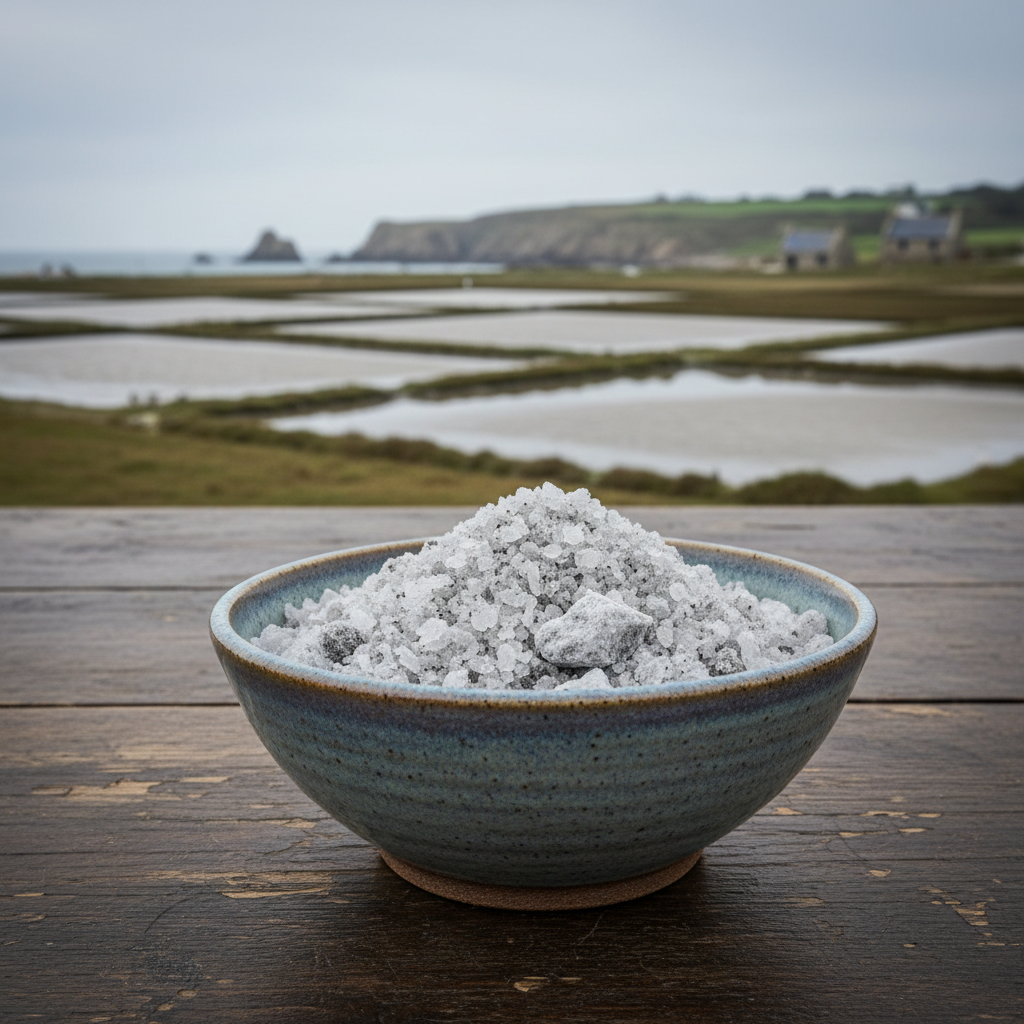
Celtic salt crystals are among the most celebrated and time-honoured natural salts available in the world today. Harvested by hand from the ancient tidal marshes of Guérande in Brittany, France, these remarkable crystals carry within them a legacy that stretches back over a thousand years. Unlike heavily refined table salt, which is stripped of virtually all its natural mineral content and treated with anti-caking agents and bleaching compounds, Celtic salt crystals retain the full spectrum of trace minerals and elements that are naturally present in pristine Atlantic seawater. This is what gives them their characteristic grey colour, their moist texture, and their extraordinarily complex, nuanced flavour that chefs and health-conscious consumers around the world have come to prize above almost all other salts. In 2026, as more people than ever before are paying close attention to what they put into their bodies, Celtic salt crystals have moved from being a niche artisan product to a mainstream staple in health-focused kitchens and wellness routines across Europe, North America, and beyond.
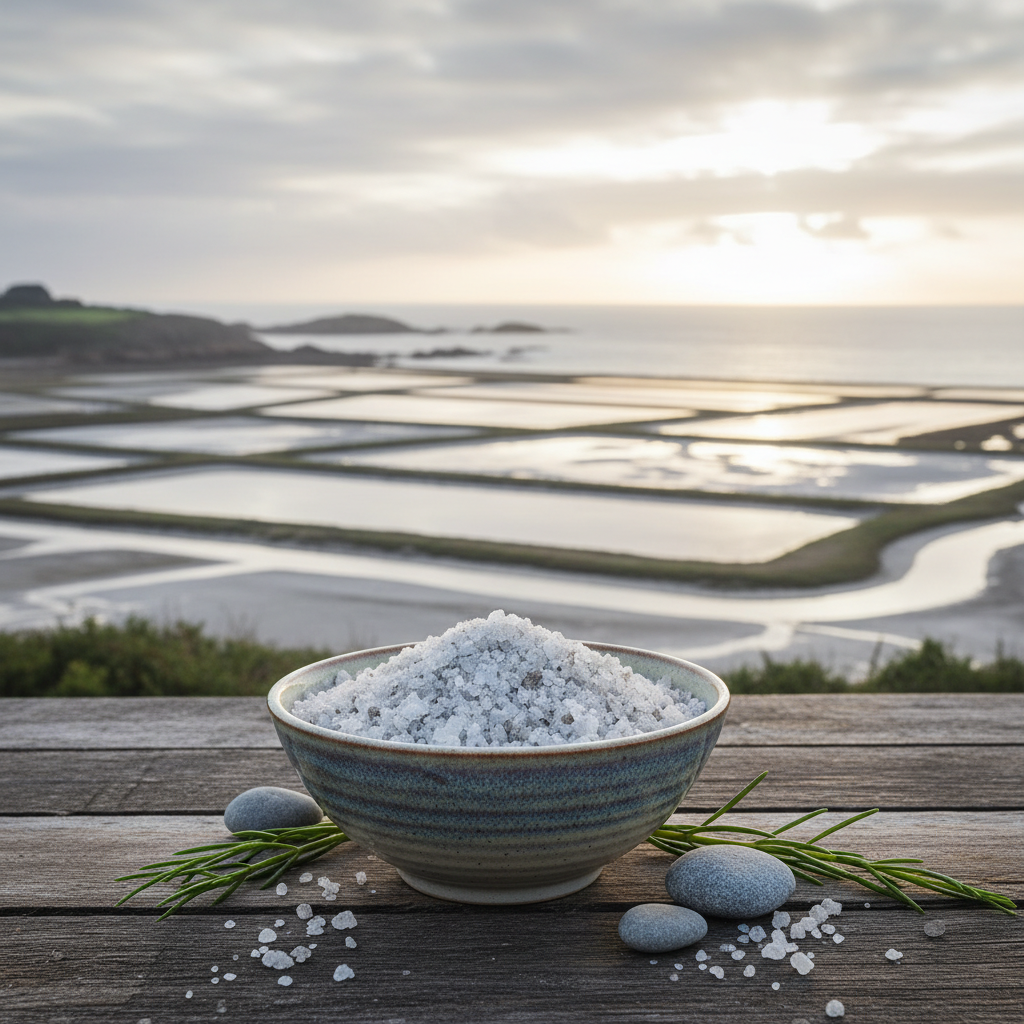
The story of Celtic salt crystals begins with the geography and climate of the Guérande peninsula in western Brittany. This extraordinary region sits at the confluence of the Atlantic Ocean and the Loire River estuary, creating a unique ecosystem of shallow salt pans known locally as marais salants. The salt farmers of this region, called paludiers, have maintained and refined their harvesting techniques across generations, using only traditional wooden tools — specifically a flat rake called a las — to gently draw the salt crystals from the bottom of the clay-lined salt pans. This careful, non-mechanised process ensures that the clay minerals from the pond floor are naturally incorporated into the salt crystals as they form, contributing to that distinctive grey hue and the extraordinarily rich mineral profile that makes Guérande Celtic salt crystals unlike anything produced elsewhere in the world. The combination of Atlantic wind, Breton sunshine, and these ancient clay beds creates conditions that simply cannot be replicated artificially.
Why does all of this matter in 2026 specifically? The answer lies in a profound and accelerating shift in how people think about food, health, and sustainability. The past decade has seen an explosion of interest in whole foods, minimal processing, and provenance — knowing exactly where your food comes from and how it was made. Consumers are increasingly rejecting the industrialised food system in favour of products that connect them to real places, real traditions, and real nutritional value. Celtic salt crystals sit perfectly at the intersection of all these desires. They are a whole food in the truest sense: unrefined, unbleached, untreated, and harvested using methods that are inherently sustainable and ecologically respectful. The salt pans of Guérande are recognised as a protected natural heritage site, and the paludiers who work them are as much conservationists as they are farmers. In a world increasingly concerned with environmental impact, choosing Celtic salt crystals is also a meaningful ecological statement.
Furthermore, the culinary renaissance that has swept through home cooking culture over the last several years has placed finishing salts and artisan seasonings at the centre of serious food preparation. Celebrity chefs, food writers, and culinary educators have spent years extolling the virtues of high-quality salt as the single most transformative ingredient in any kitchen. Celtic salt crystals, with their complex briny flavour and satisfying crunchy texture when used as a finishing salt, have become the go-to choice for anyone who wants to elevate their cooking from the merely good to the genuinely exceptional. Whether you are seasoning a simple roast chicken, finishing a silky chocolate dessert, or brining a whole fish, Celtic salt crystals bring a depth of flavour and a sense of terroir that mass-produced refined salt simply cannot offer. This is not marketing hyperbole — it is the lived experience of anyone who has made the switch.
The Complete Guide to Celtic Salt Crystals
Understanding Celtic salt crystals fully requires an appreciation of both their physical characteristics and the process by which they are formed. At the most fundamental level, Celtic salt crystals are formed through the natural evaporation of seawater in shallow, carefully managed salt pans. As Atlantic seawater flows into the series of graduated ponds that make up the Guérande salt marsh system, it passes through a sequence of increasingly shallow basins where evaporation concentrates the brine. By the time the water reaches the final harvesting ponds — called oeillets — it is saturated with sodium chloride and rich in dissolved minerals. Under the right conditions of wind and sun, salt crystals begin to nucleate and grow on the clay floor of these pans, gradually accumulating into harvestable quantities. The paludier monitors the pans continuously, adjusting the water flow to maintain the precise conditions needed for crystal formation.
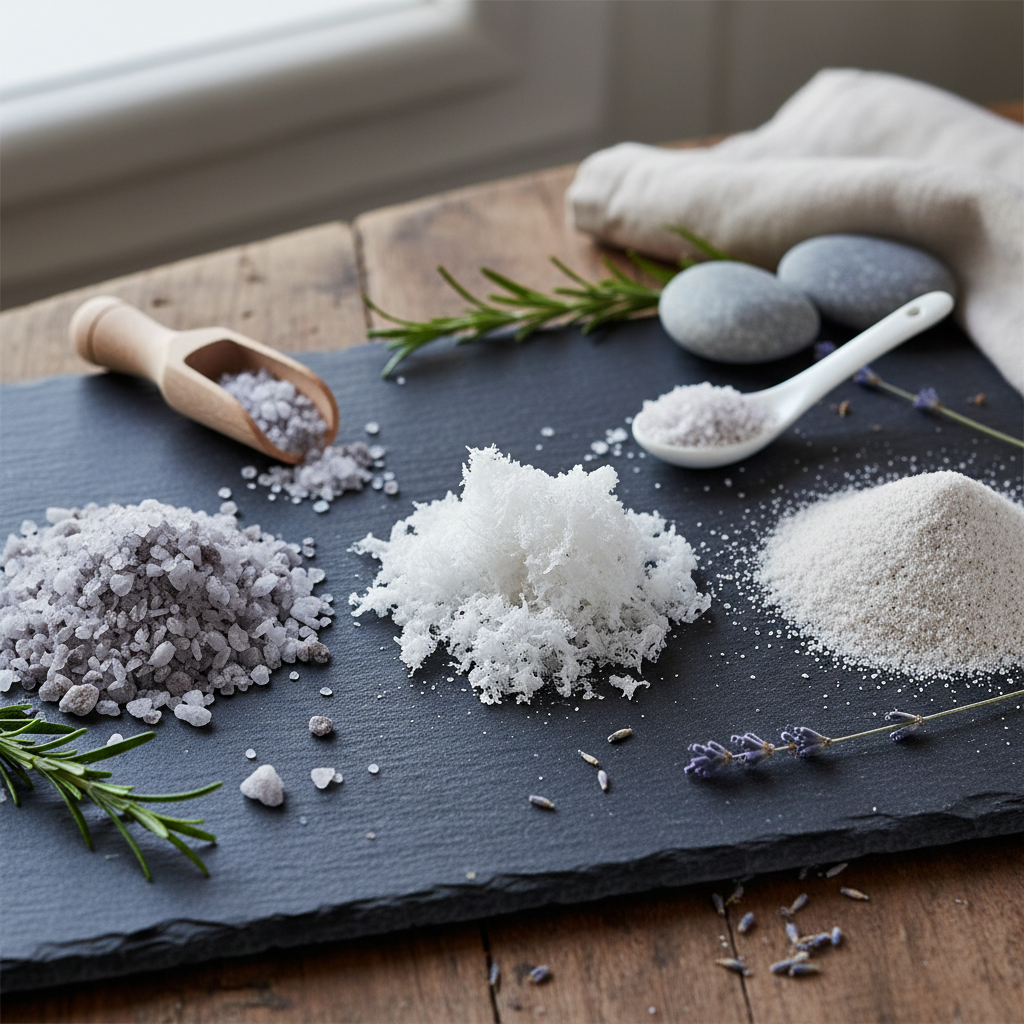
The resulting crystals are larger and more irregular than those produced by industrial evaporation methods, and they vary in size and shape depending on the weather conditions during harvest. This natural variability is part of what makes Celtic salt crystals so interesting from both a culinary and a scientific perspective. The crystals range from small, relatively fine grains suitable for general cooking and seasoning to larger, chunkier pieces that are ideal for use in a salt grinder or as a dramatic finishing salt on top of grilled meats and roasted vegetables. The moisture content of Celtic salt crystals is notably higher than that of most other salts — typically between 2% and 5% — which is why they feel damp to the touch and should be stored in a breathable container rather than an airtight jar. This moisture is not a defect; it is evidence of the natural mineral richness of the product.
The mineral profile of authentic Celtic salt crystals from Guérande is genuinely impressive. Beyond sodium chloride, which makes up roughly 84% of the composition, these crystals contain meaningful quantities of magnesium, calcium, potassium, iron, zinc, manganese, and a host of other trace elements. Magnesium, in particular, is present in significant quantities — far more than in most refined salts — and this is thought to contribute to the smooth, rounded flavour that distinguishes Celtic salt from the harsh, sharp taste of ordinary table salt. The clay minerals absorbed from the pond floor add further complexity, including silica and various iron compounds that contribute to the characteristic grey colour. Every batch of Celtic salt crystals is, in a sense, a unique snapshot of the conditions in the Guérande marshes at the time of harvest — a truly seasonal, terroir-driven product.
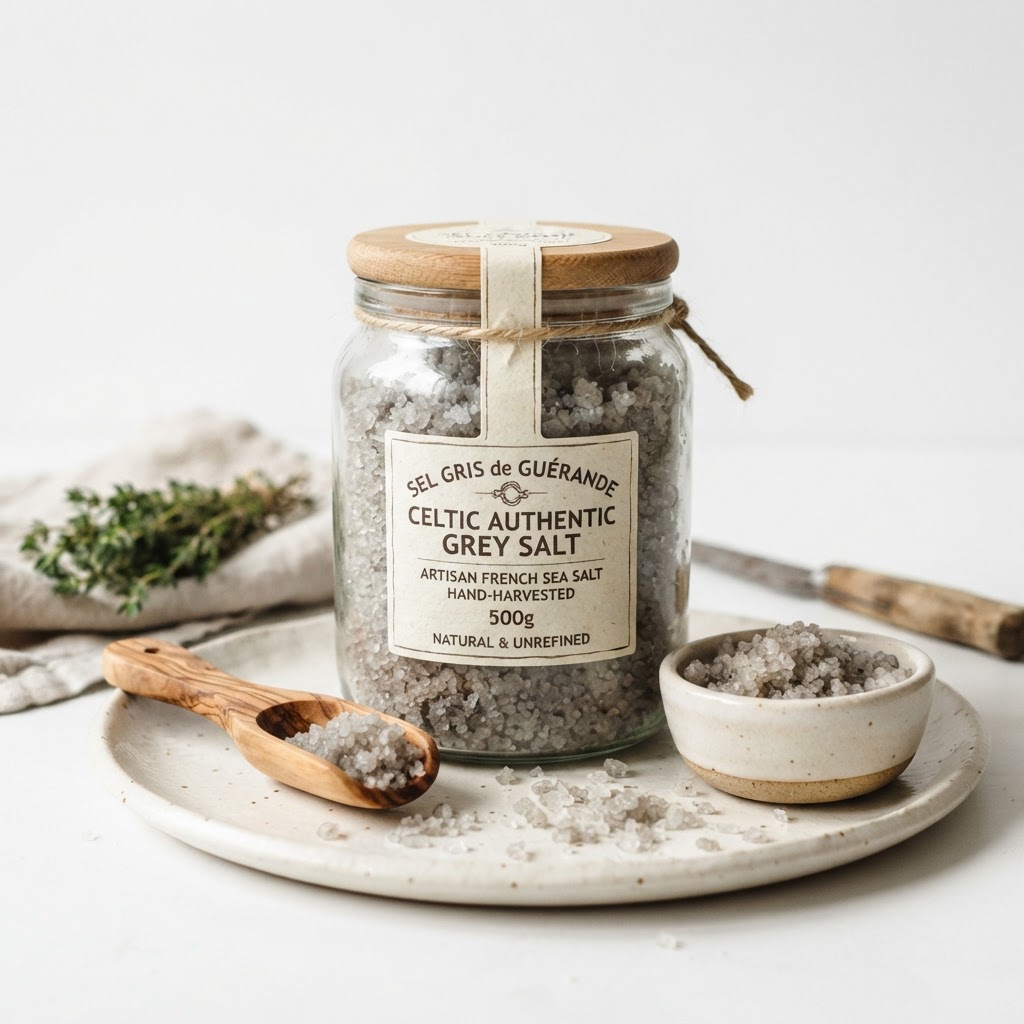
Storage and handling of Celtic salt crystals deserves specific attention, because their higher moisture content means they behave differently from dry, free-flowing refined salts. The best way to store Celtic salt crystals is in a ceramic crock, a wooden salt box, or any other container that allows slight airflow while protecting the salt from contamination. Avoid storing them in metal containers, as the mineral-rich salt can react with certain metals over time. If your Celtic salt crystals become very damp or start to clump together, this is usually a result of humidity in the storage environment rather than any problem with the salt itself — simply spreading them out on a baking tray in a very low oven for a few minutes will restore them to their normal texture. Celtic salt crystals do not expire in any meaningful sense; stored correctly, they will maintain their quality and mineral content indefinitely, just as salt has been used as a preservative for millennia.
For those new to using Celtic salt crystals, it is worth noting that the saltiness intensity per teaspoon differs from refined table salt. Because Celtic salt crystals are less densely packed — their irregular, larger crystal structure means more air between crystals — a teaspoon of Celtic salt crystals contains less actual sodium by weight than a teaspoon of fine table salt. This means you may initially find yourself adding slightly more Celtic salt to achieve the level of seasoning you are accustomed to, but most people find that over time they actually reduce their overall salt consumption because the flavour complexity of Celtic salt crystals is so satisfying. You can also explore the full range of types of Celtic salt available from Guérande to find the texture and grind that best suits your cooking style.
Health and Culinary Benefits of Celtic Salt Crystals
The health and nutritional conversation around Celtic salt crystals is one that has gained enormous traction in wellness communities over the past decade, and for good reason. While it is important to note that no salt should be used in excessive quantities, and that individual health needs vary widely, the natural mineral richness of unrefined Celtic salt crystals offers genuine nutritional advantages over highly processed alternatives. The presence of naturally occurring magnesium, for example, is nutritionally significant. Magnesium is involved in hundreds of enzymatic processes in the human body, and many people in modern Western societies are thought to have suboptimal magnesium intake. While salt is not a primary source of dietary magnesium, choosing a salt that contains meaningful quantities of this mineral over one that contains none represents a simple, effortless way to slightly improve overall mineral intake through a food you are already consuming daily.
Similarly, the calcium and potassium naturally present in Celtic salt crystals contribute to their nutritional profile in ways that refined salts cannot match. Potassium, in particular, is nutritionally interesting in the context of salt consumption because it plays a role in moderating the cardiovascular effects of sodium. The presence of a broader spectrum of electrolytes in Celtic salt, rather than almost pure sodium chloride, means that the body may process and utilise it differently than it would refined salt. Nutritionists and functional medicine practitioners have long pointed to the importance of mineral balance — the relationship between sodium, potassium, magnesium, and calcium — as being at least as important as the absolute quantity of sodium consumed. Celtic salt crystals, by providing a more balanced electrolyte profile, align more closely with this integrated view of mineral nutrition.
From a culinary perspective, the benefits of Celtic salt crystals are perhaps even more immediately apparent. The flavour of Celtic salt is fundamentally different from that of refined table salt. Where table salt delivers a sharp, one-dimensional saltiness that can easily tip into harshness, Celtic salt crystals provide a rounder, more complex flavour with subtle briny, oceanic notes and a pleasant mineral finish. This complexity comes directly from the trace minerals present in the crystals — magnesium compounds in particular are known to have a slightly bitter, savoury quality that adds depth to flavour profiles in ways that pure sodium chloride cannot replicate. Experienced cooks and professional chefs consistently report that dishes seasoned with Celtic salt crystals have a more rounded, complete flavour that requires less overall salt to achieve. This is not simply a subjective impression — it is a predictable result of the more complex mineral chemistry at work.
The textural dimension of Celtic salt crystals also plays an important role in the culinary experience. When used as a finishing salt — sprinkled over a dish just before serving — the larger crystals provide satisfying bursts of flavour and a gentle, pleasant crunch that adds another dimension of sensory pleasure to eating. This textural contrast is something that fine restaurants have exploited for years, finishing dishes with fleur de sel or coarse grey sea salt to add drama and intensity to the final eating experience. Celtic salt crystals used in this way transform even simple home-cooked dishes — a piece of grilled salmon, a slice of good bread with butter, a bowl of fresh tomatoes with olive oil — into something noticeably more special. The salt becomes an ingredient in its own right rather than merely a seasoning. You can discover more about the culinary uses of Celtic salt in professional and home cooking to further expand your repertoire.