Hand-harvested Guérande salt · Tracked international delivery included
Guide· by Celtic Salt Editorial Team
Celtic Salt Coarse
What Is Celtic Salt Coarse and Why It Matters in 2026
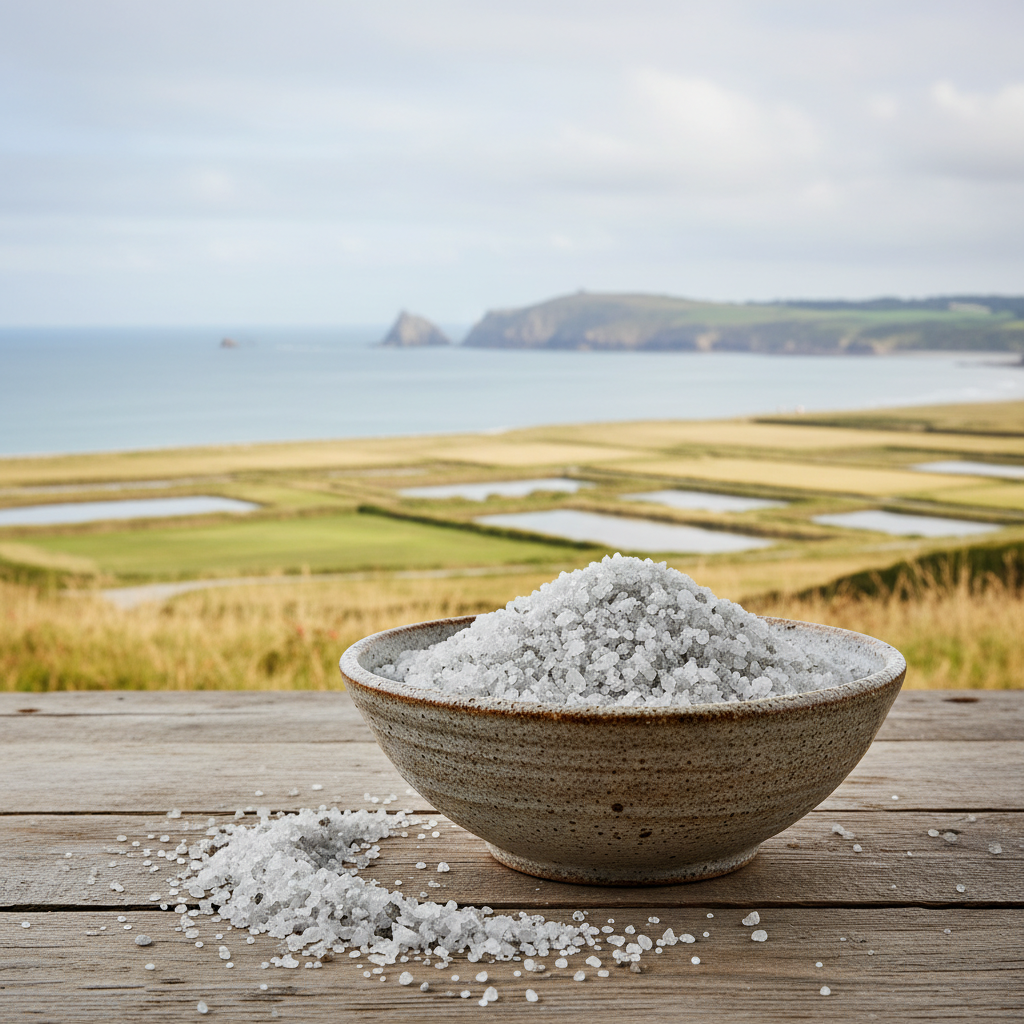
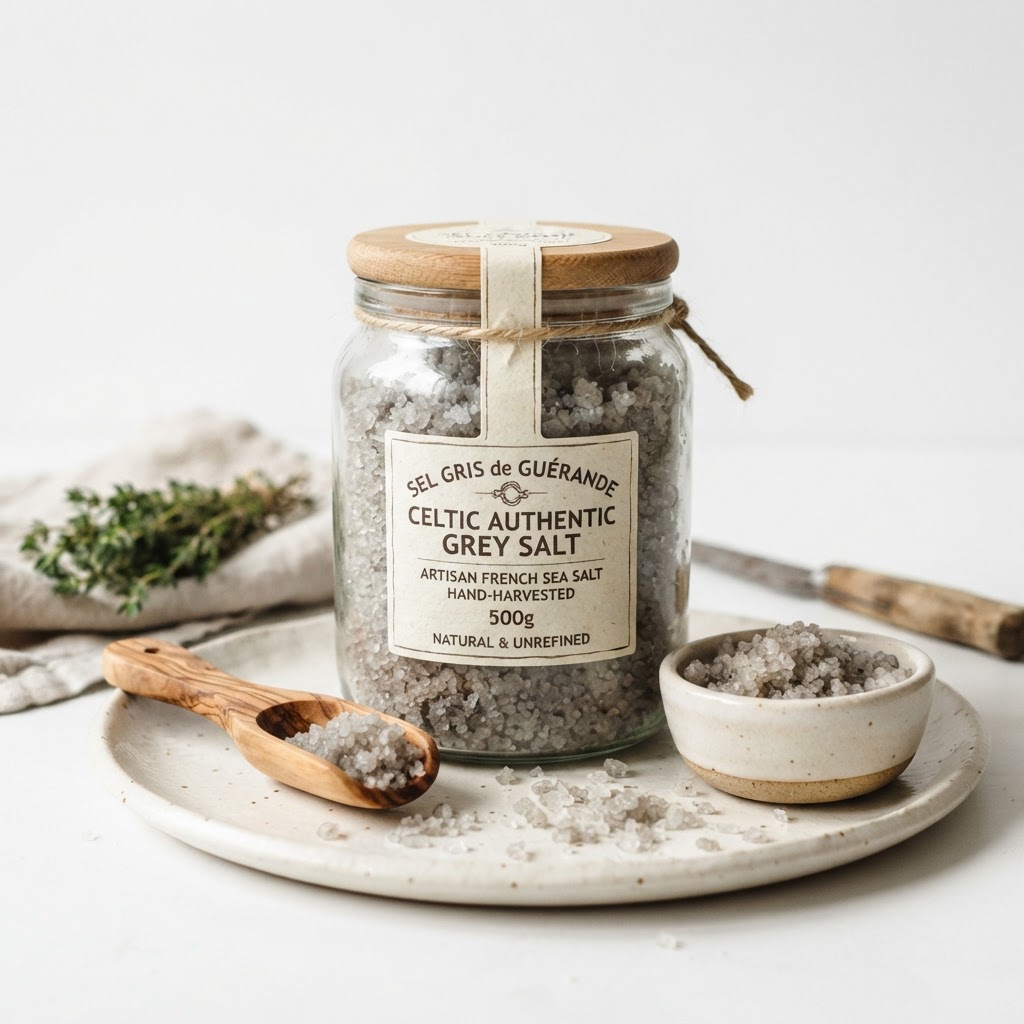
Celtic salt coarse is one of the most distinctive and traditionally harvested salts available anywhere in the world. Sourced from the ancient salt marshes of Guérande on the Atlantic coast of Brittany, France, this remarkable mineral-rich seasoning has been hand-harvested by skilled salt workers known as paludiers for over a thousand years. Unlike industrially processed table salt, which is stripped of its natural mineral content and often treated with anti-caking agents and bleaching chemicals, coarse Celtic salt retains its full spectrum of naturally occurring trace minerals. Its signature grey hue comes from the clay-rich floors of the salt pans where it forms, and its naturally moist texture reflects its high mineral water content — a feature that sets it apart from every other common salt on the market. In a world increasingly saturated with highly processed foods and nutrient-depleted ingredients, Celtic salt coarse represents a powerful return to authenticity, tradition, and genuine quality.
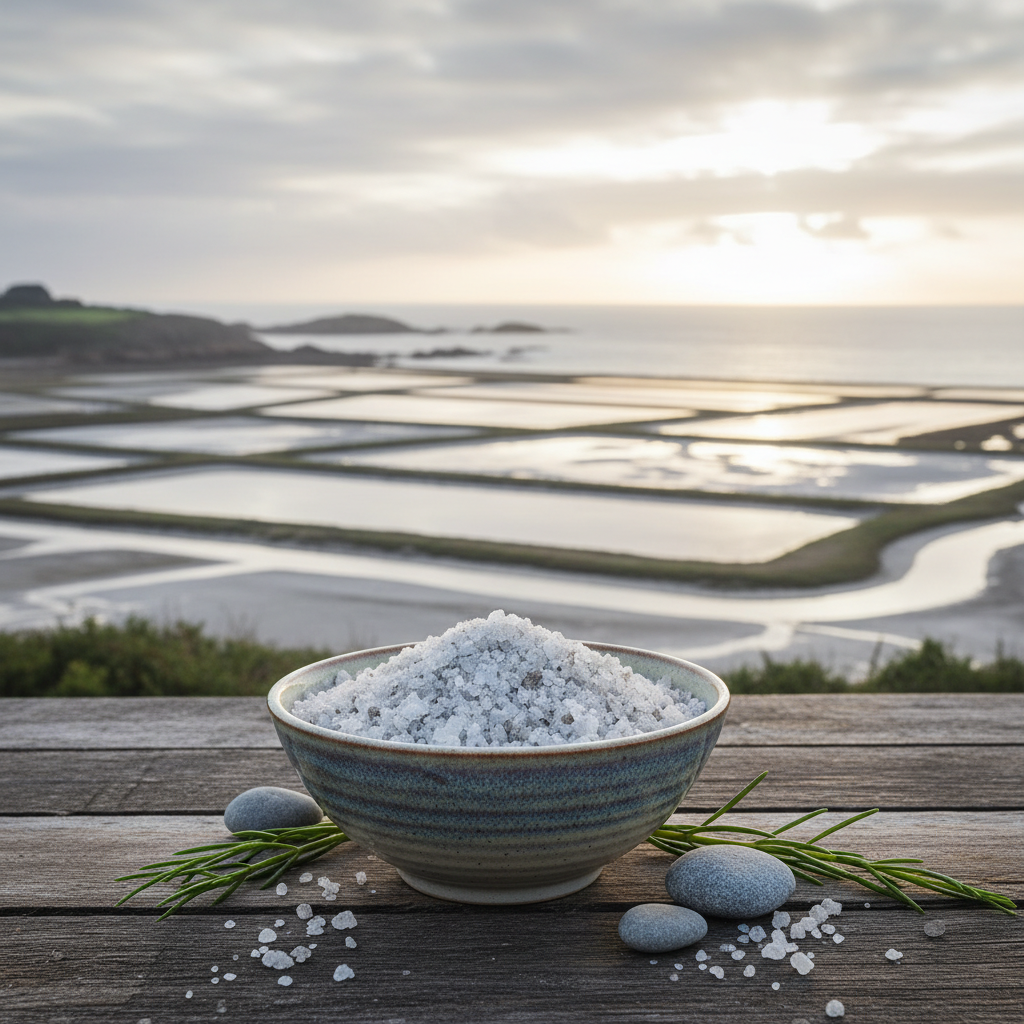
The Guérande region of Brittany has a microclimate uniquely suited to salt production. Warm Atlantic winds, ample sunshine, and shallow tidal basins create the perfect conditions for sea water to evaporate slowly and naturally, concentrating its mineral content before crystallizing into the coarse grey grains that have made this salt famous across the culinary world. The process is entirely natural — no machinery, no chemical treatment, no artificial drying. Paludiers rake the salt by hand using traditional wooden tools called lousse, ensuring that the grey clay sediment from the bottom of the salt pan remains integrated into the final product. This clay is not an impurity; it is precisely what gives Celtic salt coarse its mineral richness, its characteristic moisture, and its complex, rounded flavour profile. The craft has been passed down through generations, and in 2026, it remains largely unchanged from centuries past — a living heritage that connects every pinch of salt to a tradition of extraordinary care and skill.
Why does Celtic salt coarse matter so much in 2026? The answer lies in a growing global shift in consumer awareness. People are increasingly scrutinizing what they put into their bodies, and salt — once dismissed as a simple commodity — is now understood to be a complex ingredient with wide-ranging implications for flavour, nutrition, and well-being. Refined table salt is essentially pure sodium chloride, often fortified with iodine and blended with chemical additives to prevent clumping and maintain a blindingly white appearance. By contrast, coarse Celtic salt contains over eighty naturally occurring trace minerals including magnesium, calcium, potassium, iron, and zinc. These minerals are present in bioavailable forms because they come from a natural marine source rather than a synthetic supplement. For home cooks, professional chefs, health-conscious individuals, and food producers alike, Celtic salt coarse has become the gold standard of natural salting — and its reputation continues to grow with every passing year.
There is also a deeply sensory argument for choosing Celtic salt coarse. Salt is not just a nutrient; it is a flavour enhancer of extraordinary power. The difference between a dish seasoned with flat, one-dimensional refined salt and one seasoned with the complex minerality of coarse Celtic salt is immediately perceptible to any attentive palate. Because of its lower sodium chloride content relative to conventional salt — typically around 84% sodium chloride compared to 99.9% in refined salt — Celtic salt coarse actually delivers more flavour with less sodium. The remaining minerals contribute subtle layers of complexity: a gentle brininess, a slight sweetness, and an oceanic depth that no industrial salt can replicate. Whether you are finishing a slow-cooked stew, curing a side of salmon, baking a rustic sourdough loaf, or simply seasoning a bowl of pasta water, coarse Celtic salt transforms the experience in a way that is at once subtle and unmistakable. This is why professional chefs have championed it for decades, and why it has become an essential ingredient in the pantries of discerning cooks worldwide.
The Complete Guide to Celtic Salt Coarse
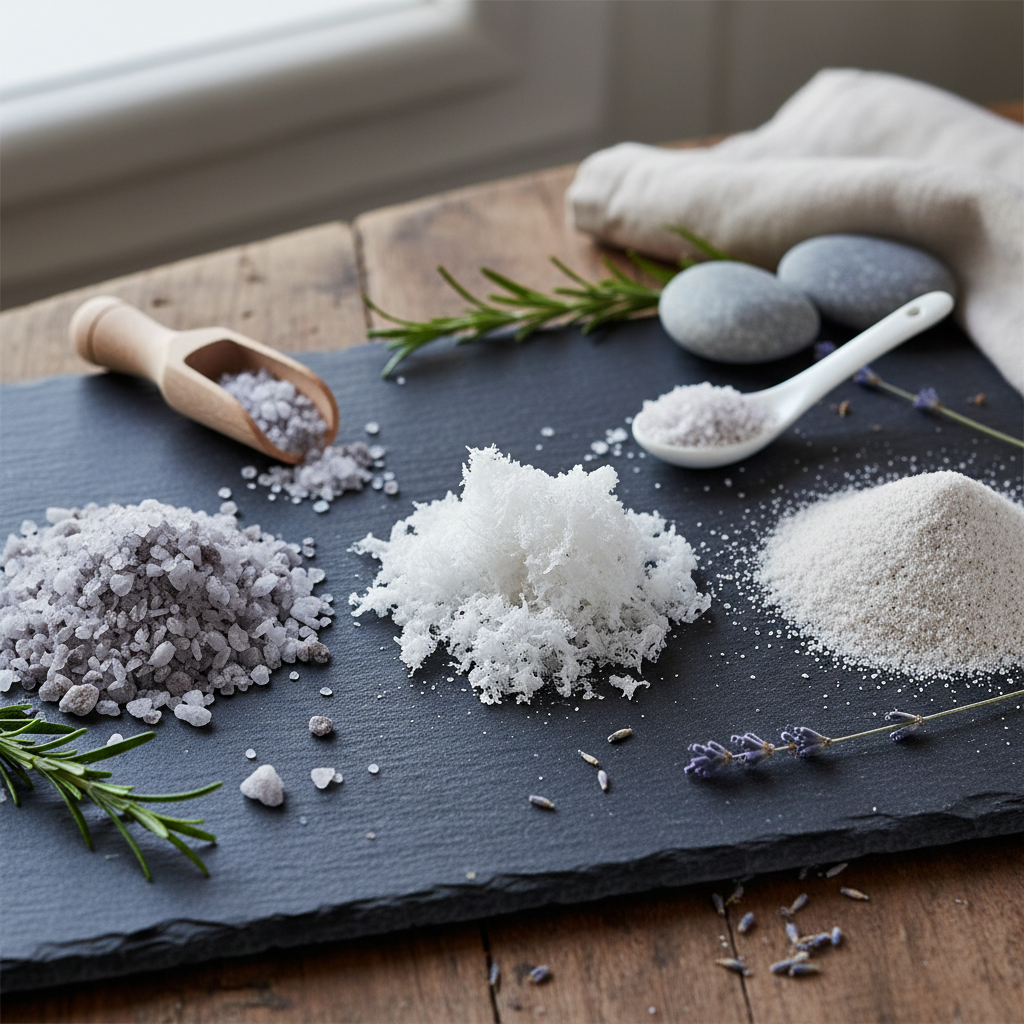
Understanding Celtic salt coarse thoroughly means appreciating both its physical characteristics and the process by which it is created. The salt forms in a network of carefully managed shallow pools called oeillets, which are flooded with Atlantic seawater and then allowed to evaporate under the Breton sun and wind. As water levels drop, mineral-rich brine concentrates and salt crystals begin to form on the surface and on the clay floor of the pool. The coarser grey salt, known in French as gros sel gris, settles to the bottom and is raked up periodically by the paludier. This is in contrast to fleur de sel — the delicate white flower of salt that forms on the surface and is skimmed off under perfect conditions. While fleur de sel is prized as a finishing salt, Celtic salt coarse is the workhorse of the two: robustly flavoured, packed with minerals, and versatile enough to be used at every stage of cooking.
The grain size of coarse Celtic salt is one of its most important practical characteristics. The crystals are irregular in shape and size, typically ranging from 2mm to 5mm across. This coarseness is not a disadvantage — it is a functional feature. Large crystals dissolve more slowly, meaning they can be added to boiling water, brines, or slow-cooking dishes where their minerals and flavour have time to fully integrate into the food. Coarse salt is ideal for salt crusts on roasted meats or fish, where the large grains form a protective, flavour-infusing casing around the protein as it cooks. It is also perfect for use in a salt grinder or mortar and pestle, where the cook can control the grind size freshly at the moment of seasoning. Many professional chefs keep a pinch pot of coarse Celtic salt beside their stove, grabbing a small handful between thumb and forefinger to season dishes with the intuitive precision that only direct hand-contact allows.
The moisture content of Celtic salt coarse is another defining characteristic. Because it is never kiln-dried or artificially dehydrated, it retains its natural hygroscopic quality — meaning it readily attracts and holds a small amount of moisture from its environment. When you open a bag of authentic coarse Celtic salt, the grains may feel slightly damp to the touch. This is normal and desirable. It is a direct indicator that the salt has not been processed or dried, and that its mineral content remains fully intact. The moisture also contributes to the salt's ability to cling to food surfaces, making it particularly effective for seasoning raw meats, fish, and vegetables before cooking. Some cooks store their coarse Celtic salt in a ceramic or wooden container rather than a sealed jar, allowing it to breathe naturally while remaining accessible for constant use.
It is worth taking a moment to explore the mineral profile of Celtic salt coarse in greater depth, because this is where much of its value lies. The primary component is sodium chloride, but at approximately 84% rather than the near-total concentration found in refined salt, there is meaningful room for other minerals to be present. Magnesium is particularly well-represented, occurring in the form of magnesium chloride from the seawater. Magnesium plays a central role in hundreds of enzymatic processes in the human body, and obtaining it from a natural food source like salt is an efficient and bioavailable way to supplement dietary intake. Calcium and potassium are also present, as is a trace of iodine in its natural organic form — quite different from the synthetic potassium iodide added to most commercial iodized salts. Iron gives the salt part of its grey colouring, and zinc, manganese, and other micronutrients are detectable in small but meaningful concentrations. Taken together, this mineral profile makes coarse Celtic salt nutritionally richer than any refined alternative.
For those interested in exploring the full range of products available from authentic Guérande producers, the collection at celtic-salt.com offers traditionally harvested coarse Celtic salt alongside other hand-crafted salt products from the same ancient marshes.
Health and Culinary Benefits
The health-related qualities of Celtic salt coarse are best understood not through dramatic medical claims but through the simple logic of whole-food nutrition. When you replace a heavily refined, chemically treated ingredient with a natural, minimally processed one that contains a broader spectrum of nutrients, the benefits speak for themselves. The trace minerals in coarse Celtic salt are naturally occurring and present in ratios that reflect the mineral composition of seawater — a medium in which life on Earth originally evolved. This means the body recognizes and processes these minerals efficiently, unlike isolated synthetic supplements which can sometimes present absorption challenges. Magnesium from natural sources, for example, is known to be well-absorbed, and many people in the modern world are quietly deficient in this mineral due to its depletion from industrially farmed soil and the prevalence of processed foods in contemporary diets.
From a culinary perspective, the benefits of Celtic salt coarse are even more immediately apparent. Salt is the single most important seasoning tool in any kitchen, and the quality of the salt you use has a direct and measurable impact on the quality of the food you produce. Because coarse Celtic salt has a lower sodium chloride concentration than refined salt, it delivers a fuller, more rounded saltiness rather than the sharp, almost harsh salinity of pure sodium chloride. This means that dishes seasoned with Celtic salt coarse often taste more balanced and complex, with the natural sweetness, acidity, and umami of ingredients coming through more clearly. Many chefs describe the effect as "bringing out the food's own flavour" rather than simply making it taste salty. This is the hallmark of a truly great salt — it enhances without dominating.
The mineral content of Celtic salt coarse also plays a direct role in the cooking process itself, beyond simple flavour enhancement. Magnesium, for example, affects the way proteins behave during cooking. When salt is used in a brine for poultry or pork, the presence of magnesium ions alongside sodium helps draw moisture into the muscle fibres more effectively, resulting in juicier, more evenly seasoned meat after cooking. In bread baking, the mineral content of Celtic salt influences gluten development and fermentation, contributing to better crumb structure and a more nuanced flavour in the finished loaf. In vegetable fermentation — kimchi, sauerkraut, lacto-fermented pickles — Celtic salt coarse is particularly prized because its mineral content supports the microbial cultures responsible for fermentation without the inhibitory effects that iodine additives in commercial salt can sometimes cause.
It is also worth noting the environmental and sustainability credentials of Celtic salt coarse. The salt marshes of Guérande are a protected ecosystem, recognized for their extraordinary biodiversity. The traditional harvesting methods used by paludiers are entirely non-mechanical and leave no chemical footprint on the landscape. The salt pans are home to numerous species of migratory birds, rare plants, and marine invertebrates that thrive in the brackish, mineral-rich waters of the marais salants. By choosing authentic Celtic salt coarse from Guérande producers, consumers are actively supporting the preservation of this ecosystem and the livelihoods of the craftspeople who tend it. In 2026, when environmental considerations are more central than ever to purchasing decisions, this combination of exceptional quality and genuine sustainability makes Celtic salt coarse a choice that feels as good as it tastes. You can learn more about the environmental story behind Celtic salt harvesting and why it matters for the future of traditional food production.