Hand-harvested Guérande salt · Tracked international delivery included
Guide· by Celtic Salt Editorial Team
Celtic Salt Buy
Ready to compare the real product?
Authentic Guérande grey salt, shipped from France
The displayed product price includes standard tracked international delivery for eligible destinations, so you can compare the delivered cost rather than a low bag price with shipping added later.
What Is Celtic Salt Buy and Why It Matters in 2026
When people search for "celtic salt buy" online, they are looking for something far more meaningful than a simple grocery purchase. They are seeking a connection to one of the world's oldest and most respected salt-harvesting traditions — a tradition rooted in the coastal wetlands of Guérande, in the Brittany region of northwestern France. Celtic grey salt, known in French as sel gris celtique, has been harvested by hand using wooden tools and traditional paludier methods for over a thousand years. The process has changed remarkably little over the centuries, and that authenticity is precisely what makes buying genuine Celtic salt such a worthwhile endeavour in 2026. As consumers grow increasingly aware of what goes into their food, the demand for minimally processed, naturally harvested salts has never been higher, and Celtic grey salt stands at the forefront of that movement.
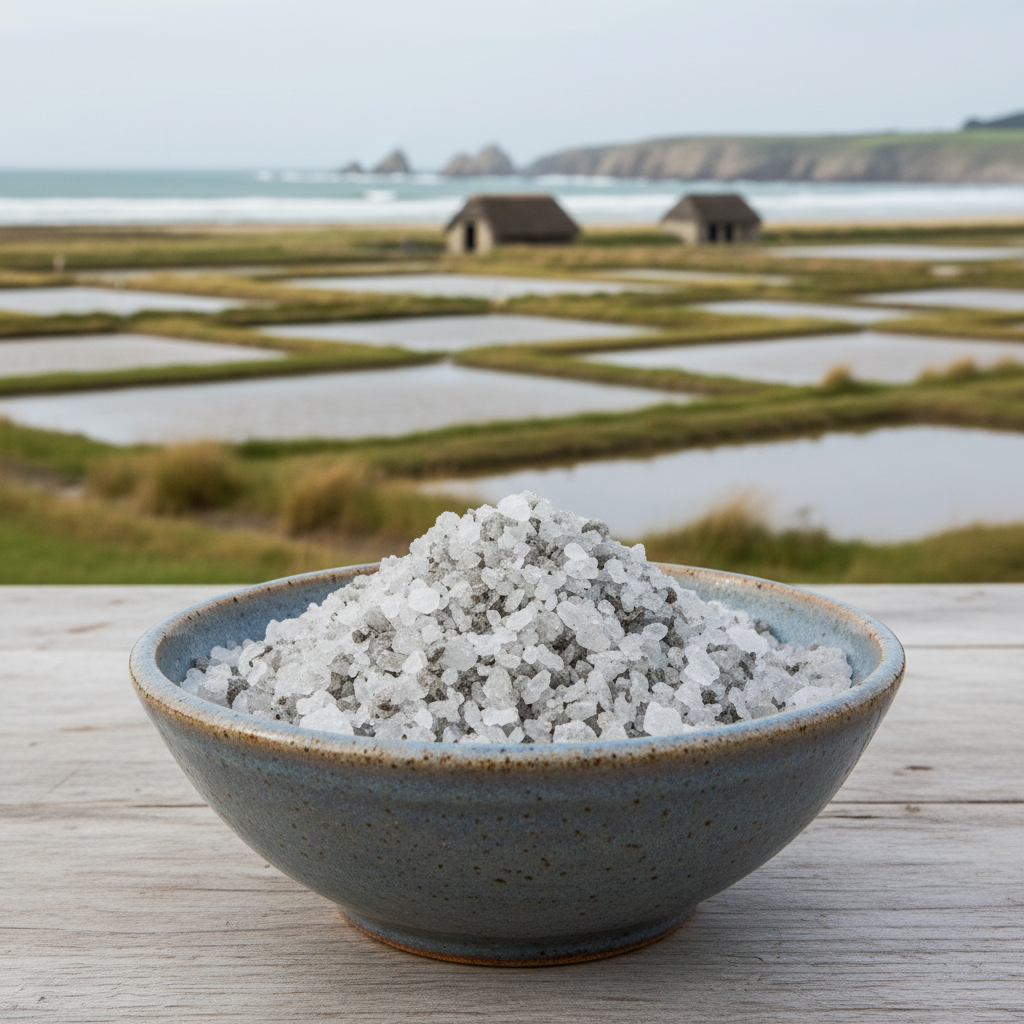
The landscape of salt purchasing has shifted dramatically in recent years. Where once shoppers grabbed the nearest white iodised table salt from a supermarket shelf without a second thought, today's informed consumer reads labels, researches origins, and asks hard questions about processing methods, mineral content, and environmental impact. Celtic salt sits at the intersection of all these concerns in a uniquely positive way. It is harvested from tidal salt marshes known as marais salants, where seawater flows through a carefully managed system of channels and clay-lined evaporation ponds called œillets. The salt crystallises naturally under the sun and wind, absorbing the mineral-rich properties of the Breton seabed clay and the Atlantic Ocean itself. This is not a product that is manufactured or refined — it is one that is patiently collected from nature, and that distinction matters enormously to the modern buyer.
In 2026, the wellness movement continues to drive a surge in interest around artisanal and natural food products, and the question of where and how to buy Celtic salt has become a topic of genuine discussion among chefs, nutritionists, home cooks, and health enthusiasts alike. The internet has opened up direct-to-consumer purchasing channels that simply did not exist a generation ago, meaning that you can now buy authentic Guérande Celtic salt directly from producers or specialist importers without needing to rely on generic supermarket stock. This direct sourcing model benefits both the buyer — who receives fresher, more authentic product — and the artisan salt harvesters themselves, known as paludiers, who depend on fair trade and direct commerce to sustain their traditional way of life. Understanding how to navigate this landscape of purchasing options is essential for anyone who wants the genuine article rather than an imitation.
There is also a growing ecological dimension to the decision to buy Celtic salt. The salt marshes of Guérande are not simply agricultural land — they are classified protected ecosystems that support extraordinary biodiversity. The traditional harvesting methods used by paludiers actually maintain the health of these wetlands, preventing the kind of development and ecological degradation that would otherwise destroy irreplaceable natural habitat. When you choose to buy authentic Celtic grey salt from Guérande, you are participating in a supply chain that actively supports environmental conservation. In an era of climate anxiety and increasing concern about industrial food production's impact on the planet, this is a purchasing decision that aligns perfectly with a conscientious lifestyle. It is no exaggeration to say that knowing how to buy Celtic salt responsibly is an act of both personal and planetary care.
The Complete Guide to Celtic Salt Buy — Everything You Need to Know Before You Purchase
Buying Celtic salt for the first time can feel surprisingly complex, given how many products on the market claim to be authentic when they are anything but. The first rule of purchasing genuine Celtic grey salt is to look for clear indication of geographic origin. Authentic Celtic salt comes specifically from the Guérande peninsula in Loire-Atlantique, Brittany, France. Some products use the word "celtic" loosely to imply a vague association with Northern European or Atlantic coastal traditions, but without the Guérande provenance, the salt is simply not the same product. The specific combination of Atlantic seawater, Breton clay ponds, and the particular microclimate of the region creates a salt that cannot be replicated anywhere else in the world. Look for packaging that explicitly states "Guérande" or "Brittany" as the place of origin.
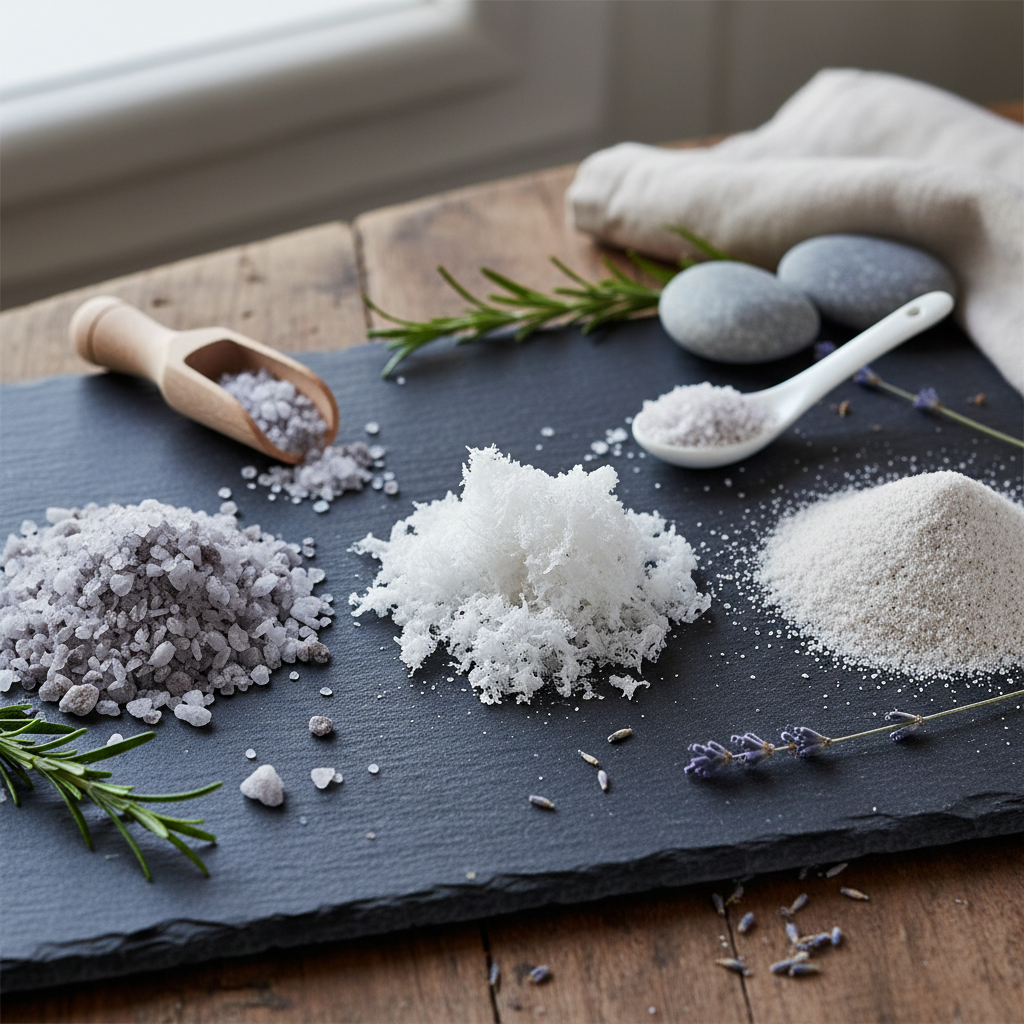
The next consideration when deciding to buy Celtic salt is the form in which you want to purchase it. Celtic grey salt is available in several formats, each suited to different culinary applications. Coarse Celtic grey salt (gros sel gris) is the most traditional form — large, moist crystals with a distinctly grey colour derived from the clay of the salt ponds. This is ideal for cooking pasta water, brining meats, seasoning stocks, and making pickling brine. Fine Celtic grey salt is the same mineral-rich product ground to a finer grain, making it more suitable as a finishing salt or for use in everyday cooking where you want the minerals without the textural presence of large crystals. There is also fleur de sel, the prized "flower of salt" that forms on the surface of the evaporation ponds during warm, dry conditions — this is the most delicate and prized variety, used exclusively as a finishing salt on dishes just before serving.
When it comes to packaging quantities, Celtic salt is generally available in small retail packets ranging from 250 grams to 1 kilogram, as well as in larger bulk formats of 5 kilograms or more that are popular with professional chefs and serious home cooks. Buying in larger quantities is almost always more economical per gram, and because Celtic grey salt has an essentially indefinite shelf life when stored correctly, there is no risk in purchasing a larger supply. The key storage requirement is protection from moisture — not because the salt will spoil, but because it can clump. A sealed container away from steam and humidity is all that is required. Many enthusiasts keep their coarse Celtic salt in a traditional ceramic or wooden salt pig, which allows slight moisture to be maintained while keeping dust and contaminants out.
The price point for authentic Celtic salt will always be higher than for standard table salt or even most sea salts, and this is entirely appropriate. The labour-intensive, hand-harvested nature of the product, the environmental stewardship involved, and the limited geographic area of production all contribute to a price that reflects genuine value. Expect to pay a meaningful premium over industrially produced salts. If you encounter a product labelled as Celtic salt at a suspiciously low price, it is worth examining its credentials more carefully. True Guérande paludiers invest enormous skill and time into their work, and the pricing of authentic Celtic salt reflects the fair compensation that craft deserves. Visiting a specialist online retailer such as celtic-salt.com's product range gives you direct access to authentically sourced Guérande salt with full transparency about origin and harvesting methods.
Health and Culinary Benefits of Celtic Grey Salt
One of the most compelling reasons people seek to buy Celtic salt is its mineral profile, which differs substantially from that of refined table salt. Where standard table salt is essentially pure sodium chloride — often over 99.9% — with added iodine and anti-caking agents, Celtic grey salt retains a broad spectrum of naturally occurring minerals absorbed during the harvesting process. These include magnesium, potassium, calcium, iron, and a range of trace elements that reflect the mineral-rich composition of the Atlantic seawater and the Breton clay. The moist, grey character of the salt is itself a marker of this mineral richness — the moisture content comes from magnesium chloride, one of the many beneficial minerals present in the salt. It is worth noting that while these mineral differences are real and measurable, we make no specific medical claims about the health effects of consuming Celtic salt over other salts. What can be said is that for those wishing to include naturally derived minerals as part of a balanced diet, Celtic grey salt provides them in a form that has been trusted for centuries.
From a culinary perspective, the benefits of Celtic grey salt are immediately apparent to anyone who uses it regularly. The complex mineral composition gives the salt a flavour profile that is noticeably different from refined table salt — rounder, more nuanced, with a subtle oceanic depth that enhances rather than simply "salting" a dish. Professional chefs prize it precisely because it adds dimension to food without the harsh, one-dimensional sharpness of over-refined salts. The moisture content of coarse Celtic grey salt also means it dissolves slightly differently in cooking, releasing its minerals gradually in a way that integrates beautifully into braises, soups, and stocks. The coarser crystals provide a pleasant textural experience when used at the table, offering a gentle crunch that adds to the sensory pleasure of eating. For bread baking, Celtic grey salt is particularly beloved — its minerals interact with the fermentation process in ways that many bakers believe contribute to a more complex flavour in the finished loaf.
The culinary versatility of Celtic salt extends far beyond simple seasoning. Many traditional French recipes from the Brittany region specifically call for sel gris de Guérande, and exploring these recipes is a wonderful way to understand the salt's character. Breton butter, for example, is traditionally made with coarse Celtic salt crystals folded in, creating the famous beurre demi-sel that is treasured across France. Salt-crusted fish — a classic of French coastal cuisine — relies on the large, slightly moist crystals of grey salt to form a perfect, flavour-sealing crust around whole fish during roasting. Even something as simple as freshly sliced tomatoes with a pinch of coarse Celtic grey salt and good olive oil becomes a profoundly satisfying dish when the quality of the salt is this high. You can explore more about these culinary applications in our complete Celtic salt cooking guide on the blog.
How to Use Celtic Salt Buy — Expert Tips and Practical Applications
Once you have made the decision to buy Celtic salt and your order arrives, the question becomes how to get the most from this exceptional ingredient. The first and most important tip is to respect the different forms for their intended purposes. Coarse Celtic grey salt should be your go-to for cooking applications where the salt will dissolve into liquid — pasta water, boiling vegetables, brines, stocks, and soups. The large crystals dissolve more slowly than fine salt, which means you have more control over seasoning and are less likely to accidentally over-salt a dish. A good rule of thumb is to use slightly less Celtic grey salt by volume than you would use of refined table salt, as the mineral complexity means you need less to achieve a satisfying level of seasoning.
Fine Celtic grey salt is ideal for everyday seasoning at the table and for use in recipes where you do not want the textural presence of large crystals — think salad dressings, marinades, rubs for meat and fish, and seasoning delicate ingredients like eggs. Because it is simply the same coarse salt ground finer, it retains all the mineral character of the original, and many cooks keep a small ramekin of fine Celtic grey salt next to the stove for quick, instinctive seasoning throughout the cooking process. If you have purchased coarse Celtic grey salt and want a finer grind, you can easily process a small amount in a spice grinder or mortar and pestle — the slightly moist texture of the salt means it grinds beautifully to a fine, even consistency.
Fleur de sel deserves its own discussion as a finishing salt. This is not an ingredient to cook with — heat diminishes its delicate flavour and destroys the snowflake-like crystal structure that makes it so prized. Instead, use fleur de sel at the very last moment, scattered over finished dishes just before they go to the table. A pinch over a perfectly cooked steak as it rests, a scattering over a dark chocolate tart, a few crystals on sliced ripe peaches with ricotta — these are the moments where fleur de sel truly shines. Its flavour is lighter and more floral than the coarser grey salt, and it provides a beautiful visual garnish as well as a burst of oceanic flavour. Learn more about the difference between these varieties in our detailed comparison of fleur de sel and Celtic grey salt.