Hand-harvested Guérande salt · Tracked international delivery included
Guide· by Celtic Salt Editorial Team
Celtic Salt and Blood Pressure: Understanding Sodium and the Evidence
Food information, not medical advice. Salt remains a significant source of sodium. Trace-mineral levels can vary by harvest and product, and culinary salt should not be used as a treatment or medical electrolyte supplement.
Introduction — Why celtic salt blood pressure Matters
In recent years, the conversation surrounding sodium intake and its impact on health has become increasingly prominent. For many, the focus has shifted toward understanding how different types of salt can influence overall well-being, particularly concerning blood pressure. One salt that has gained attention in this discussion is Celtic sea salt. Sourced from the beautiful coastal regions of Brittany, France, Celtic sea salt is more than just a seasoning; it's a natural mineral-rich product. Unlike conventional table salt, which is heavily processed and stripped of its natural minerals, Celtic salt retains its essential nutrients, making it a popular choice among health-conscious consumers.
High blood pressure, or hypertension, is a condition that can lead to serious health complications, and many individuals are seeking alternative methods to manage their sodium intake without sacrificing flavor in their meals. Understanding the relationship between Celtic sea salt and blood pressure is crucial for making informed dietary choices. This article will explore how Celtic salt could fit into a balanced diet and how it may support overall health. Education on this topic allows individuals to navigate their culinary options better, emphasizing the significance of making mindful decisions regarding sodium sources.
As we delve deeper into the various facets of Celtic salt and its influences, it is essential to remember that no single food can decisively alter health metrics such as blood pressure. Instead, the journey to better health is holistic, involving balanced nutrition, adequate physical activity, and lifestyle choices.
What Is celtic salt blood pressure?
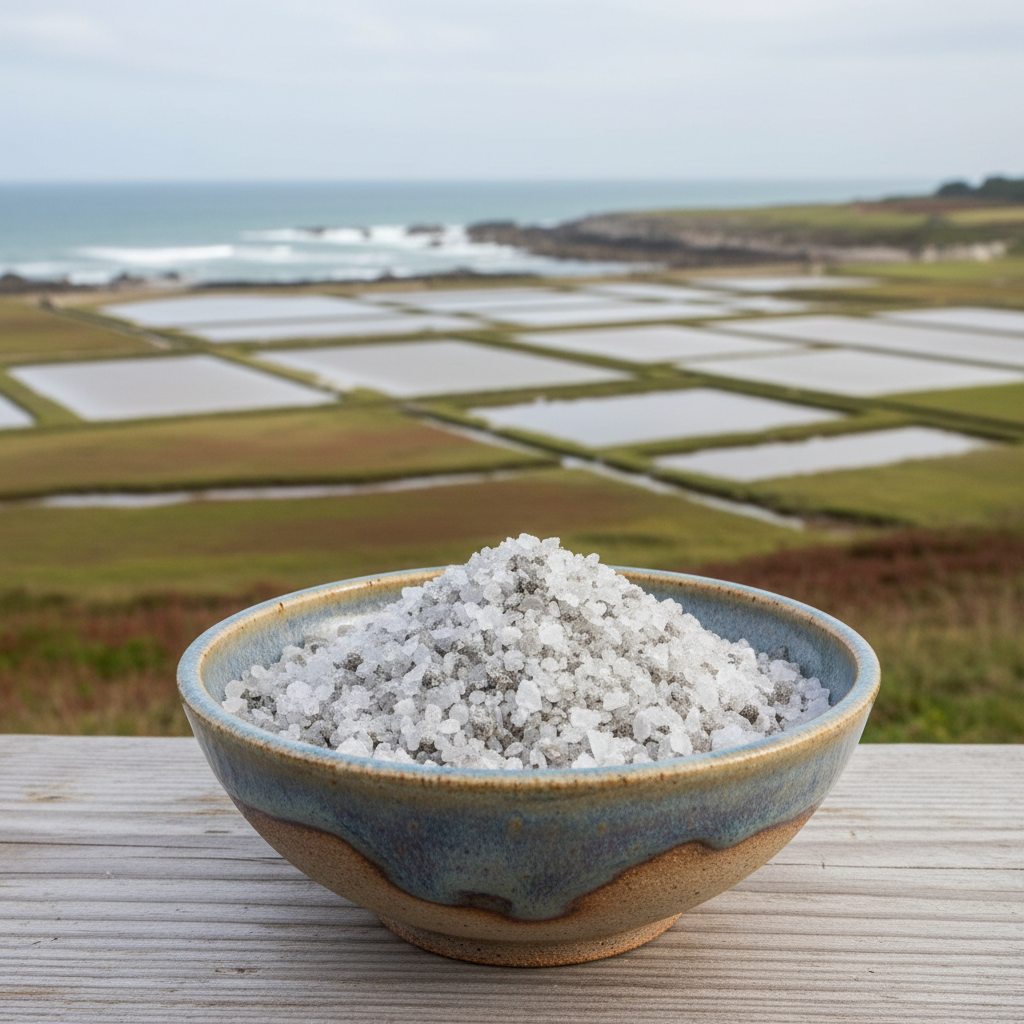
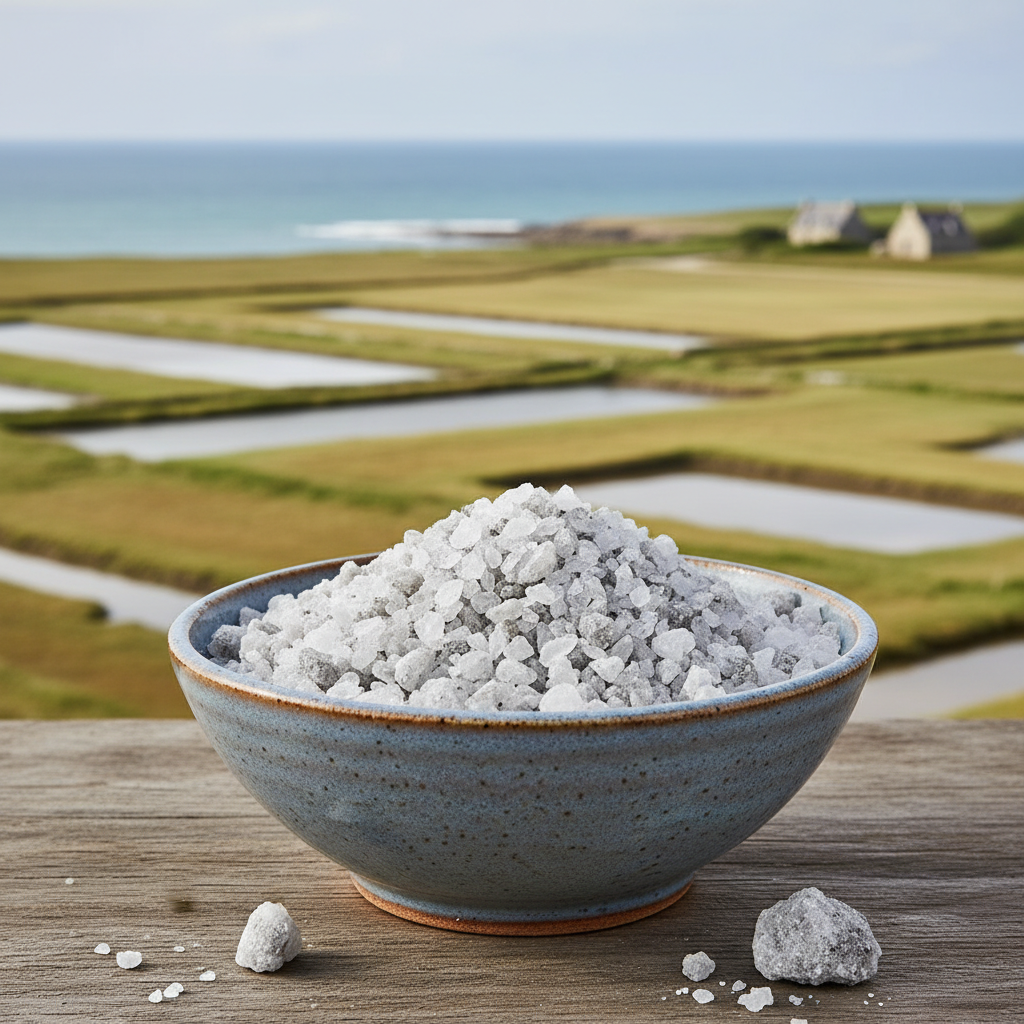
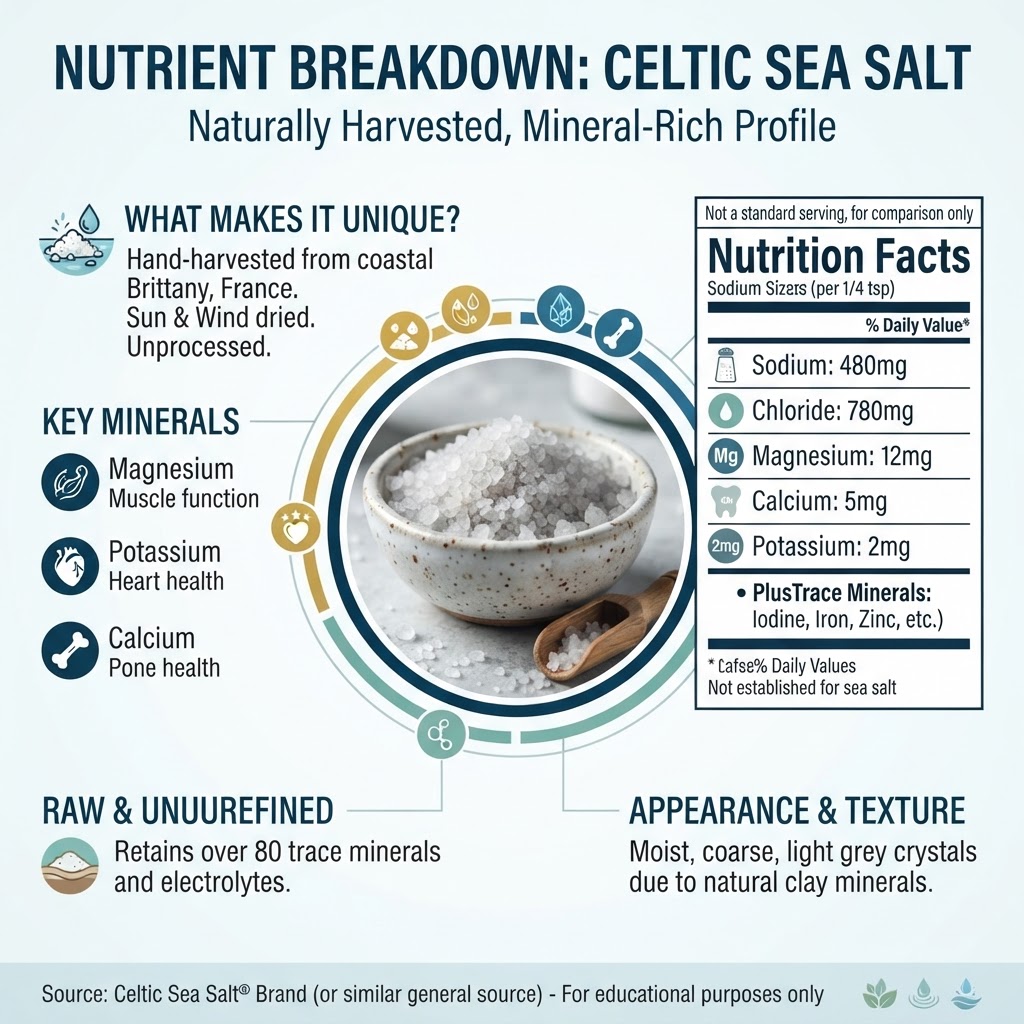
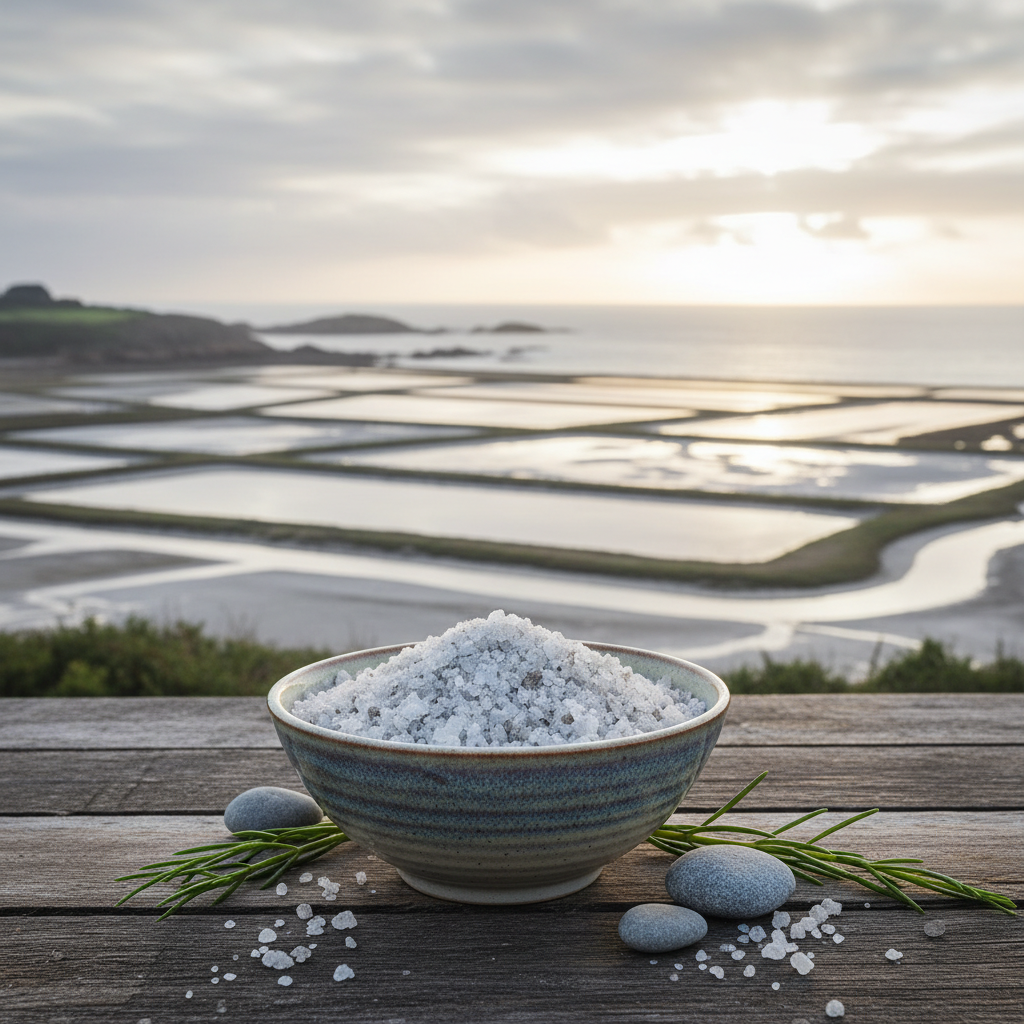
Celtic sea salt refers to a type of unrefined salt harvested from the coastal regions of Brittany, France. The term "Celtic" relates to the Celtic people, who historically inhabited the region. Unlike regular table salt, which undergoes extensive processing and often contains additives, Celtic salt is hand-harvested by paludiers—traditional salt farmers—using practices that preserve its natural mineral content. This sea salt is distinguished by its grey color, a result of its rich mineral profile that includes magnesium, potassium, calcium, and iron. Its unique texture and flavor make it a preferred option for gourmet cooking and seasoning.
When we refer to "Celtic salt blood pressure," we are discussing the relationship between this particular type of salt and its potential effects on blood pressure management. While traditional wisdom suggests that reducing sodium intake can be beneficial for blood pressure control, Celtic sea salt's mineral composition lends to an ongoing conversation about how this natural alternative can support a healthy lifestyle. It is essential to approach this topic with a balanced perspective, understanding that while Celtic salt can be incorporated into a healthy diet, it is just one component of a broader approach to wellness.
Incorporating Celtic salt into the diet does not equate to direct effects on blood pressure levels. Rather, it may enhance culinary experiences while providing essential minerals. Some nutritionists argue that the balance of electrolytes in unrefined salts like Celtic salt contributes to overall well-being when consumed in moderation, setting the stage for further exploration into this mineral-rich condiment.
Key Benefits and Uses
Celtic sea salt has garnered popularity not only for its unique flavor but also for its potential benefits when integrated into a balanced lifestyle. While it's crucial to note that any specific medical claims must be approached with caution, several properties of Celtic salt may support a holistic dietary approach. Firstly, Celtic salt is known to contain a range of trace minerals, including magnesium, potassium, and calcium. These minerals may contribute to electrolyte balance within the body—a factor that some believe can influence blood pressure regulation indirectly.
Traditionally used in French cuisine, Celtic salt enhances the flavors of numerous dishes and acts as a natural flavor enhancer. Chefs often prefer it for its unique texture and earthy flavor profile, which complements vegetables, meats, and even baked goods. Furthermore, its unrefined nature means that no anti-caking agents are added, preserving the genuine essence of the salt.
🧂 AUTHENTIC IGP GUÉRANDE SALT
500g / 17.6 oz · Hand-harvested · Brittany, France
In terms of culinary uses, Celtic salt is versatile. Home cooks can utilize it in everyday cooking—sprinkling it on roasted vegetables, seasoning meats, or even garnishing salads. Additionally, it pairs exceptionally well with various herbs and spices, enhancing their flavors. Culinary enthusiasts often highlight that the salt’s moist texture allows for a more complex seasoning depth, improving the overall dish quality without overwhelming the palate.
Moreover, some people incorporate Celtic salt into their wellness routines beyond culinary use. The mineral content and the natural harvesting methods are appealing to many who are conscious about their food sources. Importantly, when used in moderation and combined with a well-rounded diet, Celtic salt can complement a health-conscious lifestyle while contributing to flavor and enjoyment in food.
How to Use celtic salt blood pressure in Your Daily Cooking — Practical Guide
Incorporating Celtic sea salt into your daily cooking routine can be both enjoyable and beneficial. Here’s a practical guide to using this mineral-rich salt in various culinary applications. Begin by selecting high-quality Celtic salt, preferably sourced from reliable vendors that emphasize traditional harvesting methods. Once you have your salt, it’s time to start cooking! One popular method is to use Celtic salt as a finishing touch on dishes. Rather than incorporating it solely during cooking, consider sprinkling a pinch over roasted vegetables or grilled meats just before serving. This technique highlights the salt's unique flavor profile and texture.
For seasoning, you can use Celtic salt in any recipe calling for salt. One idea is to create a simple herb crust for proteins like chicken or fish by blending Celtic salt with dried herbs such as rosemary, thyme, and parsley. Rub this mixture on your choice of protein before grilling or baking, allowing the flavors to meld beautifully. When making soups or stews, consider adding Celtic salt towards the end of the cooking process to retain its flavor and mineral properties. This way, your dishes will maintain that distinct richness associated with unrefined salt.
If you’re baking, Celtic salt can also play a crucial role. Use it in dough mixtures for bread or pastries to enhance flavor. Its unique texture is particularly appealing in baked goods, providing a slight crunch and depth in each bite. Additionally, you can create flavored salts by mixing Celtic salt with citrus zest, garlic powder, or crushed spices—these make excellent gourmet gifts or personal use seasonings.
Don’t overlook the value of pairing Celtic salt with other ingredients. Its moisture content allows it to dissolve easily, making it an excellent addition to marinades for meats or dressings for salads. For instance, mixing Celtic salt with olive oil, vinegar, and fresh herbs creates a delightful dressing that elevates salad flavors. By utilizing Celtic salt creatively across various dishes, you not only enhance your meals but also embrace a flavorful approach to adding essential minerals to your cooking.
How to Use celtic salt blood pressure
Celtic sea salt extends beyond traditional culinary applications, offering various uses that cater to holistic and wellness routines. Integrating this unrefined salt into your lifestyle can enhance your everyday practices beyond mere flavor enhancement in food. One common use is in salt baths, where Celtic salt can be dissolved in warm water to create a rich soaking experience. This practice is often embraced for its potential relaxing qualities, aiding in stress relief and creating a soothing atmosphere. Adding a few cups of Celtic salt to your bathwater allows your skin to absorb various minerals, contributing to self-care routines.
Moreover, some individuals advocate for utilizing Celtic salt in skincare. Its natural mineral content is thought by some to be beneficial for skin hygiene and moisturization. Crafting a facial scrub by mixing Celtic salt with natural oils such as coconut oil or olive oil can help exfoliate the skin and maintain healthy texture. However, keeping the focus on gentle application is essential, as the granulated nature of salt may be abrasive for sensitive skin types.
Furthermore, consider using Celtic salt for nasal irrigation or salt water gargles, which some traditional practices endorse. This is typically done by dissolving Celtic salt in warm water and then using it for rinsing, a simple yet effective method for maintaining nasal passages and oral health. For individuals engaging in physical activities, sprinkling small amounts of Celtic salt in post-workout meals may support electrolyte balance, contributing to an overall sense of well-being after exercising.
The versatility of Celtic salt in everyday life emphasizes its role as more than just a culinary ingredient. As consumer interest shifts toward natural alternatives, Celtic salt stands out, catering to those seeking not only flavor but also a holistic approach to health and wellness. By implementing these diverse uses, individuals can enjoy the benefits of Celtic salt, turning ordinary routines into nourishing experiences.
🧂 AUTHENTIC GUÉRANDE CELTIC SALT
Celtic Authentic Grey Salt – 500g / 17.6 oz
Hand-harvested · Unrefined · trace minerals whose levels vary by harvest and product · IGP certified
When purchasing Celtic sea salt, several quality indicators can help ensure you're getting an authentic product that meets your needs. First and foremost, look for the IGP (Indication Géographique Protégée) label, which certifies that the salt is sourced from the Guérande region of Brittany, France, and adheres to traditional harvesting practices. This certification guarantees that the salt is not only genuine but also reflective of the artisanal methods employed by paludiers, who have honed their craft over generations. An authentic product should also be unrefined, meaning it hasn't been stripped of its minerals or additives that compromise its quality.
Another sign of quality is the salt's texture and color. Genuine Celtic salt is typically grey due to its minerals, and it may have a moist consistency, indicating its freshness. If the salt appears overly dry or white, it's likely to be refined or heavily processed. Additionally, take a moment to read the ingredient list on the packaging; ideally, it should list only the salt itself, without added preservatives or anti-caking agents. Some brands may also provide information on their harvesting processes, ensuring that your salt is not only high-quality but also sustainably sourced.
In terms of sourcing, it's advisable to purchase Celtic salt from reputable retailers that specialize in gourmet or natural foods. Shopping from trusted suppliers often leads to better quality products, helping ensure that what you're adding to your cooking aligns with your health-conscious lifestyle. By paying attention to these details when buying Celtic sea salt, you can confidently integrate this rich, flavorful seasoning into your culinary and wellness routines.
Common Questions About celtic salt blood pressure
Can Celtic salt help manage blood pressure?
While Celtic salt is a flavorful alternative to traditional table salt, its impact on blood pressure management should be considered within the context of an overall balanced diet.
Is Celtic salt better for you than regular salt?
Celtic salt contains trace minerals that may provide additional flavor and potential benefits compared to regular table salt. However, moderation is key regardless of the salt type.
How much Celtic salt should I use in my diet?
The amount of Celtic salt consumed should align with individual dietary preferences and health goals. Incorporating it in moderation lends to flavor enhancement without excessive sodium intake.
Can I use Celtic salt in baking?
Absolutely! Celtic salt can be an excellent addition to baked goods, enhancing flavor and providing a unique texture.
Where can I buy high-quality Celtic salt?
Look for reputable health food stores or online retailers specializing in gourmet ingredients, and ensure the salt is certified IGP Guérande to guarantee quality.
Conclusion
Celtic sea salt represents more than just a seasoning; it embodies a culinary tradition rich in history and health-conscious practices. As consumers become increasingly aware of their dietary choices, the dialogue surrounding salt, including its forms and applications, is more vital than ever. While discussing Celtic salt and its potential role concerning blood pressure, it's crucial to approach the matter holistically, focusing on the overall quality of one's diet and lifestyle. By integrating Celtic sea salt mindfully into cooking and wellness routines, individuals can enjoy its unique flavors while benefiting from its mineral content. Ultimately, making informed choices fosters a balanced approach to health and nutrition, making Celtic salt an excellent companion in the kitchen and beyond.
Celtic Salt — IGP Guérande
Hand-harvested by Breton paludiers. 500g / 17.6 oz jar, unrefined, trace minerals whose levels vary by harvest and product.
Free shipping — standard tracked delivery included