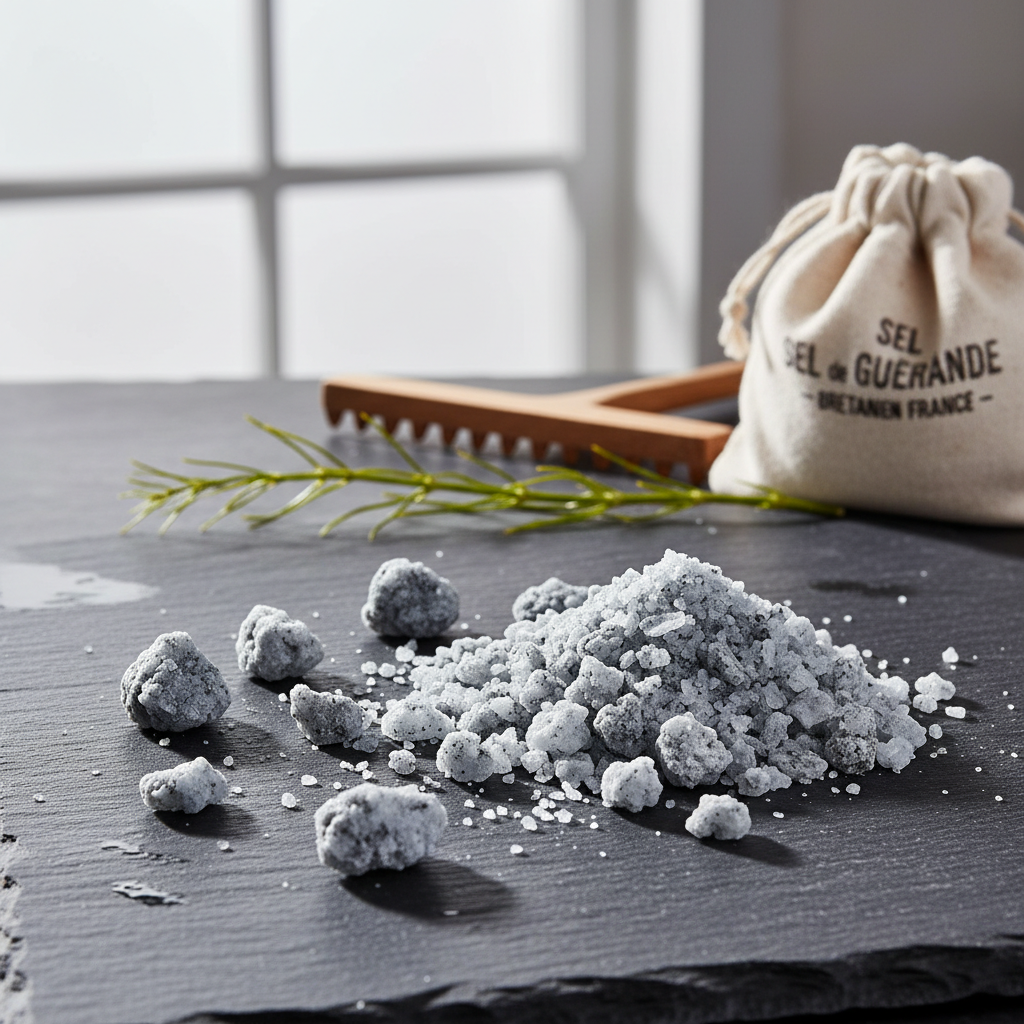
What Is Celtic Salt Autoimmune Protocol and Why It Matters in 2026
The Celtic salt autoimmune protocol is an emerging nutritional framework that incorporates traditionally harvested, unrefined grey sea salt from Guérande, Brittany, as a foundational mineral support strategy for individuals managing autoimmune conditions. Unlike conventional dietary approaches that simply restrict or eliminate sodium, this protocol recognizes that the quality and mineral profile of the salt you consume can have a meaningful impact on immune regulation, gut integrity, adrenal function, and systemic inflammation. In 2026, as autoimmune disease diagnoses continue to rise globally — affecting an estimated 8 to 10 percent of the world's population — people are increasingly turning to ancestral and functional nutrition strategies to complement medical treatment and reclaim quality of life.
At its core, the protocol is built on a simple but profound distinction: not all salt is created equal. Refined table salt, which has been stripped of its natural mineral co-factors and often treated with anti-caking agents, provides sodium chloride in isolation. This imbalanced form of sodium, consumed without the buffering effects of magnesium, potassium, calcium, and the 80-plus trace minerals found naturally in authentic Celtic grey salt, may contribute to inflammatory cascades rather than calming them. For individuals with autoimmune conditions — whether that's Hashimoto's thyroiditis, rheumatoid arthritis, lupus, multiple sclerosis, celiac disease, or inflammatory bowel disease — reducing sources of systemic inflammation is not optional, it's essential. This is why the type of salt used in daily cooking and hydration can become a surprisingly significant lever in overall wellness management.
The Celtic salt autoimmune protocol draws from multiple disciplines: functional medicine, nutritional biochemistry, ancestral eating traditions, and the growing body of research around the gut-immune axis. Paludiers — the traditional salt harvesters of the Guérande peninsula in Brittany, France — have hand-harvested Celtic grey salt using methods unchanged for over a thousand years. The resulting salt retains its natural grey-beige color from clay minerals, its characteristic moisture from the Atlantic ocean water, and its complete spectrum of trace elements. These are not incidental features. They represent a naturally balanced mineral matrix that the human body evolved to recognize, absorb, and utilize far more efficiently than isolated sodium chloride. For someone following an autoimmune protocol (AIP), introducing this quality of salt replaces a potential stressor with a genuine source of nutritional support.
Why does this matter specifically in 2026? Because the mainstream conversation around autoimmune health has shifted dramatically. Functional medicine practitioners, integrative nutritionists, and forward-thinking rheumatologists are increasingly acknowledging that dietary inputs — including something as foundational as salt — deserve rigorous scrutiny. The rise of the AIP elimination diet, the explosion of interest in gut microbiome research, and increased access to mineral testing have all converged to place mineral nutrition front and center in autoimmune wellness conversations. The Celtic salt autoimmune protocol is not a cure, nor does it claim to be. It is a strategic, evidence-informed approach to ensuring that one of the most universally consumed dietary ingredients actively supports rather than undermines immune homeostasis, adrenal resilience, and cellular hydration.
The Science Behind Celtic Salt Autoimmune Protocol
Understanding why Celtic grey salt plays a role in autoimmune protocols requires looking at the biology of inflammation and immune regulation at the cellular level. Sodium is not simply a flavoring agent — it is an essential electrolyte that governs osmotic pressure, nerve signal transmission, and the balance of fluids within and between cells. However, research has increasingly shown that the ratio of sodium to other minerals, particularly magnesium and potassium, has a direct influence on inflammatory signaling pathways. Specifically, high sodium intake without adequate magnesium has been linked to upregulation of pro-inflammatory cytokines and activation of Th17 cells — a subset of immune cells strongly implicated in autoimmune tissue damage. Authentic Celtic grey salt from Guérande contains naturally occurring magnesium in the form of magnesium chloride, which remains present in the salt's natural brine precisely because it is unrefined and unprocessed.
The gut-immune axis is another critical dimension of the science behind this protocol. Approximately 70 to 80 percent of the body's immune cells reside in the gut-associated lymphoid tissue, making gut integrity a central pillar of autoimmune management. Emerging research on the role of minerals in supporting intestinal barrier function has highlighted magnesium, zinc, and calcium — all naturally present in Celtic grey salt — as key cofactors in tight junction protein synthesis and mucus layer maintenance. A compromised intestinal barrier, often referred to as "leaky gut," is considered a prerequisite for the development of autoimmune disease by many researchers, as it allows partially digested proteins and microbial fragments to enter systemic circulation and trigger aberrant immune responses. The trace mineral matrix of authentic unrefined salt may contribute modestly but meaningfully to supporting the structural integrity of this critical barrier.
Adrenal function is the third major scientific pillar supporting the Celtic salt autoimmune protocol. The adrenal glands produce cortisol, the body's primary anti-inflammatory hormone, and aldosterone, which regulates sodium retention and blood pressure. Individuals with autoimmune conditions frequently exhibit varying degrees of adrenal dysregulation — sometimes referred to as adrenal fatigue or HPA axis dysfunction — which can manifest as chronic fatigue, orthostatic hypotension, salt cravings, and impaired immune modulation. Adequate sodium intake from a clean, bioavailable source supports adrenal function by reducing the burden on aldosterone and providing the electrolyte substrate the adrenal glands require. Celtic grey salt, consumed as part of a mineral-rich, anti-inflammatory diet, provides this support without the inflammatory baggage associated with ultra-processed sodium sources.
| Mineral | Role in Immune Function | Found in Celtic Grey Salt |
|---|---|---|
| Magnesium | Modulates Th17 inflammatory response; cofactor for 300+ enzymatic reactions | Yes — naturally present as magnesium chloride |
| Potassium | Regulates cellular osmotic balance; supports nerve and muscle function | Yes — trace amounts retained from Atlantic seawater |
| Calcium | Essential for immune cell signaling and tight junction protein integrity | Yes — naturally occurring in mineral matrix |
| Zinc | Supports T-cell development and antioxidant enzyme activity | Yes — trace amounts from clay-mineral interaction |
| Iodine | Thyroid hormone synthesis; critical for Hashimoto's monitoring | Yes — naturally variable trace amounts |
| Sodium Chloride | Electrolyte balance, hydration, adrenal support | Yes — primary component, naturally balanced |
How to Use Celtic Salt Autoimmune Protocol — Complete Guide
Implementing the Celtic salt autoimmune protocol requires thoughtful, intentional integration into your daily dietary and lifestyle practices. The goal is not to increase salt consumption indiscriminately but to replace refined, processed sodium sources with authentic, mineral-rich Celtic grey salt, and to use it strategically to support hydration, mineral balance, and adrenal function. Below is a complete practical guide to getting started and sustaining the protocol effectively.
Step 1: Eliminate All Refined Salt Sources
Begin by removing iodized table salt and any processed foods that contain sodium chloride, sodium benzoate, monosodium glutamate, or other synthetic sodium compounds from your diet. Read ingredient labels carefully. This includes condiments, canned goods, packaged snacks, and restaurant meals. The AIP framework already emphasizes whole-food eating, so this step often aligns naturally with the broader dietary template. The key shift is recognizing that all refined sodium sources — regardless of marketing claims — lack the mineral co-factors that support balanced immune function.
The difference a real salt makes: Discover Celtic Grey Salt →
Step 2: Source Authentic IGP-Certified Celtic Grey Salt
Not all products labeled "Celtic salt" are created equal. Seek out salt that carries IGP (Indication Géographique Protégée) certification from Guérande, Brittany, France — this is the EU's protected geographical indication that guarantees authenticity, origin, and traditional harvesting methods. Authentic Celtic grey salt will have a naturally moist texture, a grey-beige hue from the clay-mineral interaction at the bottom of the salt pans, and no additives or free-flow agents. Explore authentic IGP-certified Celtic grey salt options here to ensure you're sourcing a product that genuinely supports your protocol.
Step 3: Establish Your Daily Salt Intake Baseline
Most functional medicine practitioners recommend between 1.5 and 3 grams of sodium daily for individuals with autoimmune conditions who are not dealing with hypertension or kidney disease — though individual needs vary significantly, particularly for those with adrenal dysregulation who may require more. Begin by salting your meals to taste with Celtic grey salt and optionally adding a small pinch (approximately 1/4 teaspoon) to a large glass of filtered water first thing in the morning to support adrenal awakening and morning cortisol production. This practice, sometimes called a "mineral morning drink," is popular in functional medicine circles and helps replenish electrolytes lost overnight.
Step 4: Use Celtic Salt Strategically in Cooking
- Bone broths and soups: Add Celtic grey salt during cooking to mineralize your broth naturally. The slow-cooking process allows trace minerals to integrate fully into the liquid.
- Fermented vegetables: Use Celtic grey salt in lacto-fermentation of vegetables like sauerkraut, kimchi, and brine pickles. The mineral-rich brine supports beneficial bacterial populations that directly influence immune regulation.
- Meat and fish seasoning: Rub Celtic grey salt onto proteins before cooking. Its moisture content means it penetrates more deeply and seasons more evenly than dry refined salt.
- Finishing salt: Use Fleur de Sel — the delicate salt flower harvested from the surface of the Guérande salt pans — as a finishing mineral on salads, steamed vegetables, or eggs to maximize mineral bioavailability by consuming it uncooked.
- Electrolyte support drinks: Combine a pinch of Celtic grey salt with lemon juice, trace mineral drops, and filtered water for a natural electrolyte solution during exercise or periods of high stress.
Step 5: Monitor and Adjust
Track your energy levels, sleep quality, digestive function, and any changes in inflammatory markers or autoimmune symptoms over a 4 to 8 week period. Some individuals with adrenal dysfunction will notice improved morning energy and reduced orthostatic lightheadedness within the first two weeks. Others with gut-centric autoimmune conditions may notice subtle improvements in bloating and stool consistency as fermented foods prepared with Celtic grey salt introduce diverse microbial populations. Always work in conjunction with your healthcare provider when making dietary changes alongside medical treatment.
Benefits of Celtic Salt Autoimmune Protocol Backed by Evidence
One of the most well-documented benefits of the Celtic salt autoimmune protocol is its support for electrolyte balance and cellular hydration. Many individuals with autoimmune conditions — particularly those taking corticosteroids, immunosuppressants, or following strict elimination diets — are at risk of electrolyte depletion. The 80-plus trace minerals naturally present in Celtic grey salt, including magnesium, potassium, and calcium, provide a comprehensive electrolyte profile that supports intracellular fluid balance, muscle function, and neural communication. Proper cellular hydration is not merely a comfort issue; it directly influences cellular metabolism, toxin clearance, and the efficiency of immune signaling. Studies on magnesium deficiency in particular have repeatedly linked low magnesium status to elevated levels of C-reactive protein (CRP) and interleukin-6 (IL-6), two key inflammatory biomarkers elevated in most autoimmune conditions.