Hand-harvested Guérande salt · Tracked international delivery included
Guide· by Celtic Salt Editorial Team
Celtic Flower Of The Ocean Sea Salt
What Is Celtic Flower of the Ocean Sea Salt and Why It Matters in 2026
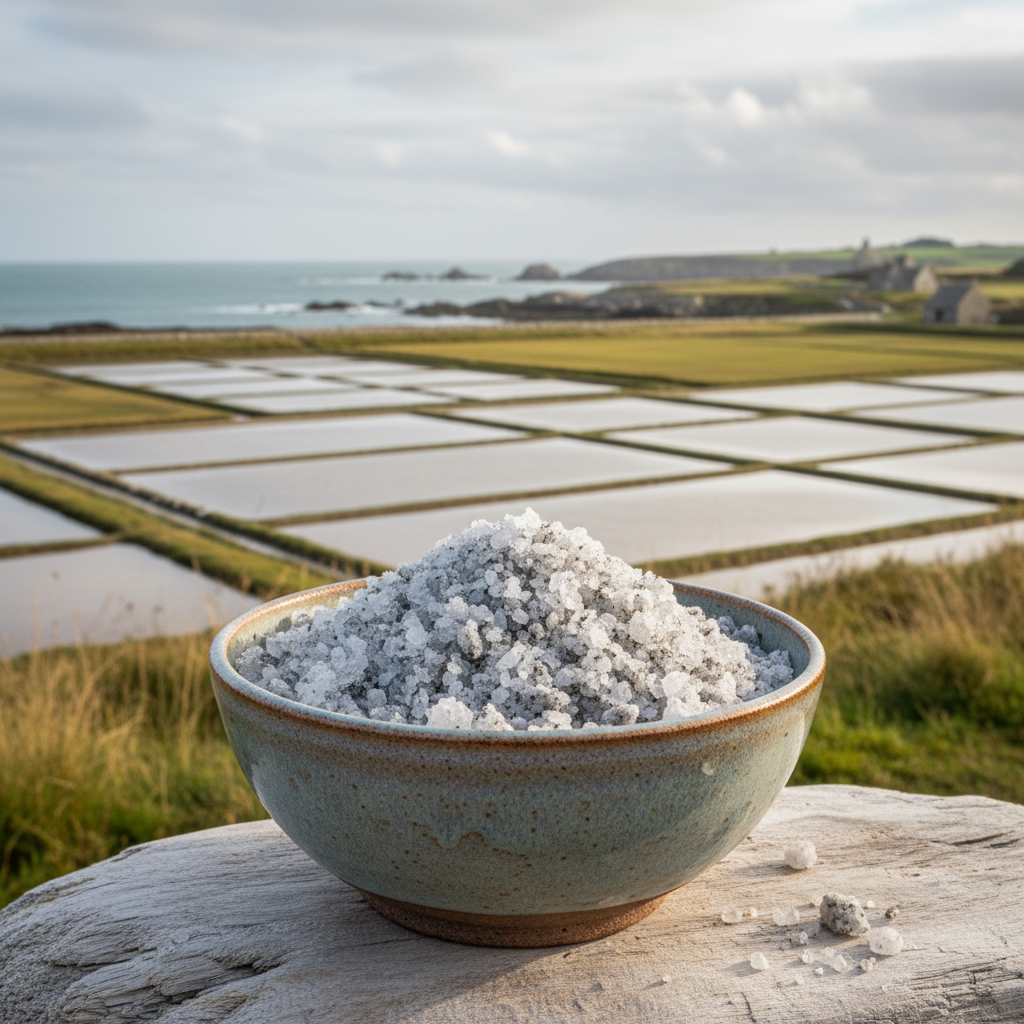
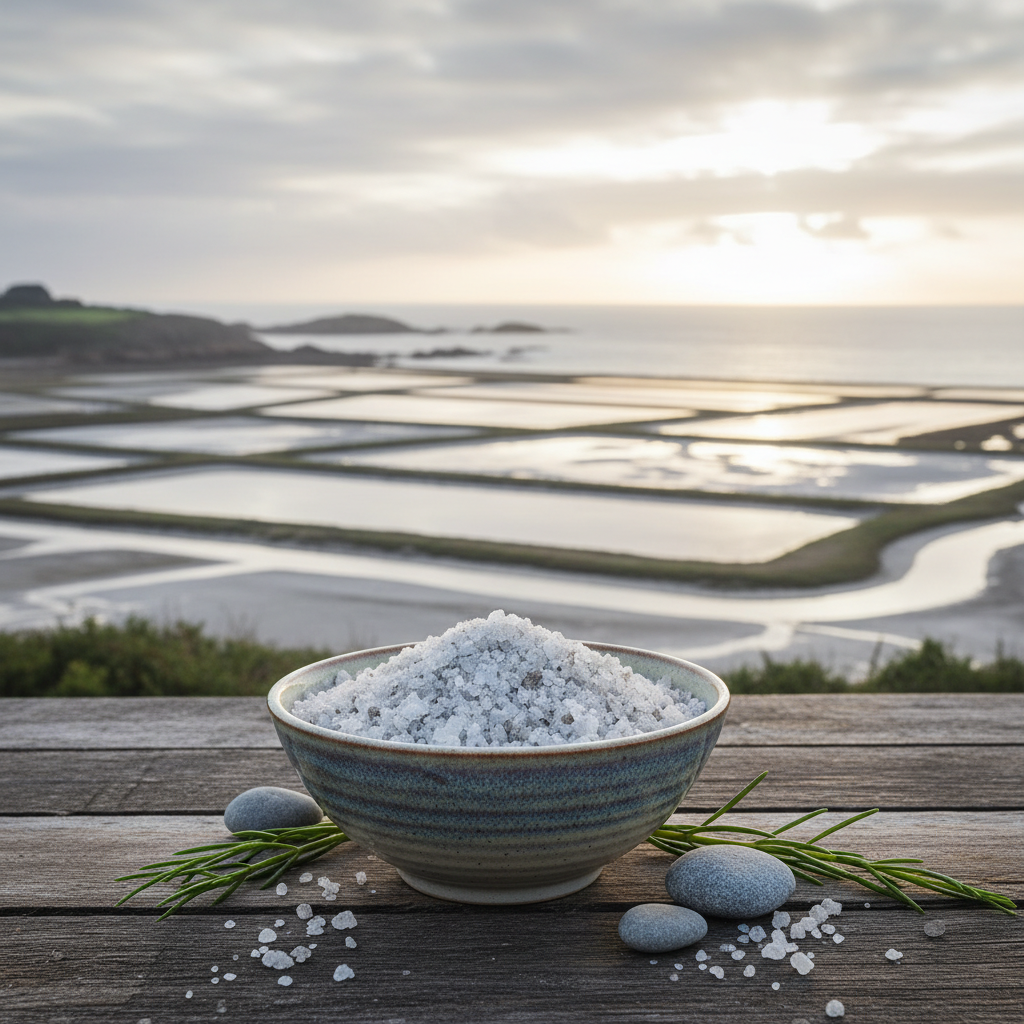
Celtic flower of the ocean sea salt — known in French as Fleur de Sel de Guérande — is widely considered the most exceptional and prized form of natural sea salt available anywhere in the world. Harvested exclusively by hand from the shimmering salt marshes of Guérande on the Atlantic coast of Brittany, France, this extraordinary mineral condiment represents the absolute pinnacle of traditional salt-making craftsmanship. Unlike ordinary table salt or even standard grey Celtic sea salt, the flower of the ocean variety forms only under very specific meteorological conditions: warm temperatures, low humidity, and gentle westerly winds that cause a delicate crust of salt crystals to bloom on the surface of the shallow salt pans. These ephemeral, snowflake-like crystals are skimmed carefully from the water's surface using a traditional wooden tool called a lousse, and only the most experienced salt harvesters — called paludiers — possess the knowledge and skill to gather this precious product without disturbing the layers beneath. The result is a salt of incomparable purity, texture, and flavour, one that has been treasured by French chefs and discerning home cooks for centuries.
What makes Celtic flower of the ocean sea salt so utterly unique is not merely its method of harvesting but the remarkable combination of natural factors that converge to create it. The salt marshes of Guérande have been in continuous operation for over a thousand years, their intricate network of channels, reservoirs, and crystallising pans carefully maintained in a form virtually unchanged since the Middle Ages. The Atlantic seawater that flows into these pans carries with it a rich tapestry of dissolved minerals — magnesium, calcium, potassium, trace elements of iodine and zinc — all of which become concentrated as the water evaporates under the Breton sun. Because fleur de sel is harvested only from the very surface of the water, before it sinks to form heavier grey salt crystals below, it retains an exceptionally delicate mineral profile and a characteristic slightly floral aroma that gives the salt its evocative name. The crystals themselves are moist, fine, and irregular in shape, with a soft crunch that dissolves beautifully on the tongue. This textural quality alone sets it apart from any mechanically processed or heavily refined alternative, and it explains why professional chefs worldwide have long regarded it as an irreplaceable finishing salt.
In 2026, the relevance and desirability of Celtic flower of the ocean sea salt has never been higher. Across the globe, consumers are becoming increasingly aware of what goes into their food, moving decisively away from ultra-processed ingredients toward natural, minimally handled products with traceable origins and genuine nutritional integrity. This cultural shift has placed authentic artisan salts at the very centre of the premium food movement, and fleur de sel from Guérande stands as the undisputed standard-bearer of that category. Food media, Michelin-starred restaurants, wellness communities, and home cooking enthusiasts alike have embraced this salt not merely as a seasoning but as an ingredient with genuine character and story — one that connects the person at the table with centuries of human tradition and the living ecology of the Atlantic coast. The growing popularity of natural salt also reflects a broader reexamination of sodium in the diet: rather than consuming large quantities of stripped, additive-laden refined salt, people are choosing smaller amounts of a genuinely flavourful, mineral-rich product that satisfies the palate more completely and delivers trace nutrients absent from industrial alternatives.
The environmental and cultural dimensions of Celtic flower of the ocean sea salt add yet another layer of meaning to the product that resonates powerfully in today's world. The Guérande salt marshes are a designated UNESCO heritage site and a protected natural environment, home to dozens of species of migratory birds, rare plant communities, and a fragile coastal ecosystem maintained in balance by the very practice of traditional salt harvesting. When you purchase authentic fleur de sel from Guérande, you are not simply buying a condiment — you are actively supporting the continuation of a living craft, the preservation of an irreplaceable landscape, and the livelihoods of the families who have worked these marshes for generations. This sense of provenance and responsibility is increasingly important to modern consumers, and it distinguishes genuine Celtic flower of the ocean sea salt from the many imitations and inferior products that have flooded the market as the category has grown in popularity. Understanding what authentic fleur de sel truly is — where it comes from, how it is made, and what makes it special — is therefore essential knowledge for anyone who cares seriously about the quality of their ingredients.
The Complete Guide to Celtic Flower of the Ocean Sea Salt
To fully appreciate Celtic flower of the ocean sea salt, it helps to understand the entire journey from Atlantic seawater to your table. The process begins in late spring, when the paludiers open the sluice gates to allow seawater to flow into the outer reservoirs of the salt marsh system. From there, the water moves through a carefully designed series of progressively shallower pans, each stage allowing more evaporation to occur and increasing the concentration of dissolved salts. By the time the brine reaches the final, shallowest crystallising pans — called oeillets — it is saturated to the point where salt begins to precipitate out of solution. Under ordinary conditions, these crystals sink to the bottom of the pan to form the heavier, grey-coloured gros sel and sel gris that make up the bulk of the harvest. But on the warmest, driest, most gently breezy summer days, something extraordinary happens: a gossamer layer of pure white crystals forms on the very surface of the brine, buoyed there by surface tension and the particular chemistry of the moment. This is the fleur de sel — the flower of the salt — and it must be harvested within hours before it dissolves back into the brine or sinks to join the grey salt below.
The harvesting process demands extraordinary patience, physical skill, and an intimate knowledge of the marsh and its rhythms. A paludier working a single oeillet will watch the surface of the brine carefully throughout the afternoon hours, when evaporation is at its peak, and skim the delicate crust of crystals with a broad, flat wooden rake in long, careful strokes that gather the fleur de sel to the edge of the pan without disturbing the brine beneath. Too much pressure or an inexact technique will mix the surface crystals with the grey salt below, ruining the product. The yield from even a productive day's harvest is remarkably small — a single experienced paludier might collect only a few kilograms of fleur de sel from an entire salt marsh plot, compared to many times that amount of gros sel. This scarcity is entirely natural and reflects the inherent rarity of the conditions required for fleur de sel formation, which is precisely why the product commands a higher price and why it should be used thoughtfully rather than profligately.
Once harvested, authentic Celtic flower of the ocean sea salt undergoes no further processing whatsoever. It is not washed, not dried in industrial dryers, not treated with anti-caking agents, not iodised, and not refined in any way. The slight natural moisture retained in the crystals is simply allowed to remain, contributing to the salt's characteristic moist texture and helping to preserve the full spectrum of minerals present in the original seawater. The salt is traditionally stored in wooden barrels or breathable cloth sacks that allow this moisture to equilibrate naturally. When packaged for retail, it should come in packaging that respects this moisture content — airtight packaging that completely seals out air can sometimes cause the crystals to clump, though this is a purely cosmetic issue that in no way affects the quality or flavour of the product. Proper storage at home simply means keeping your fleur de sel in a dry, cool environment away from direct sunlight, ideally in a small ceramic or wooden salt cellar on the dining table where it can be pinched and crumbled directly onto food at the moment of serving.
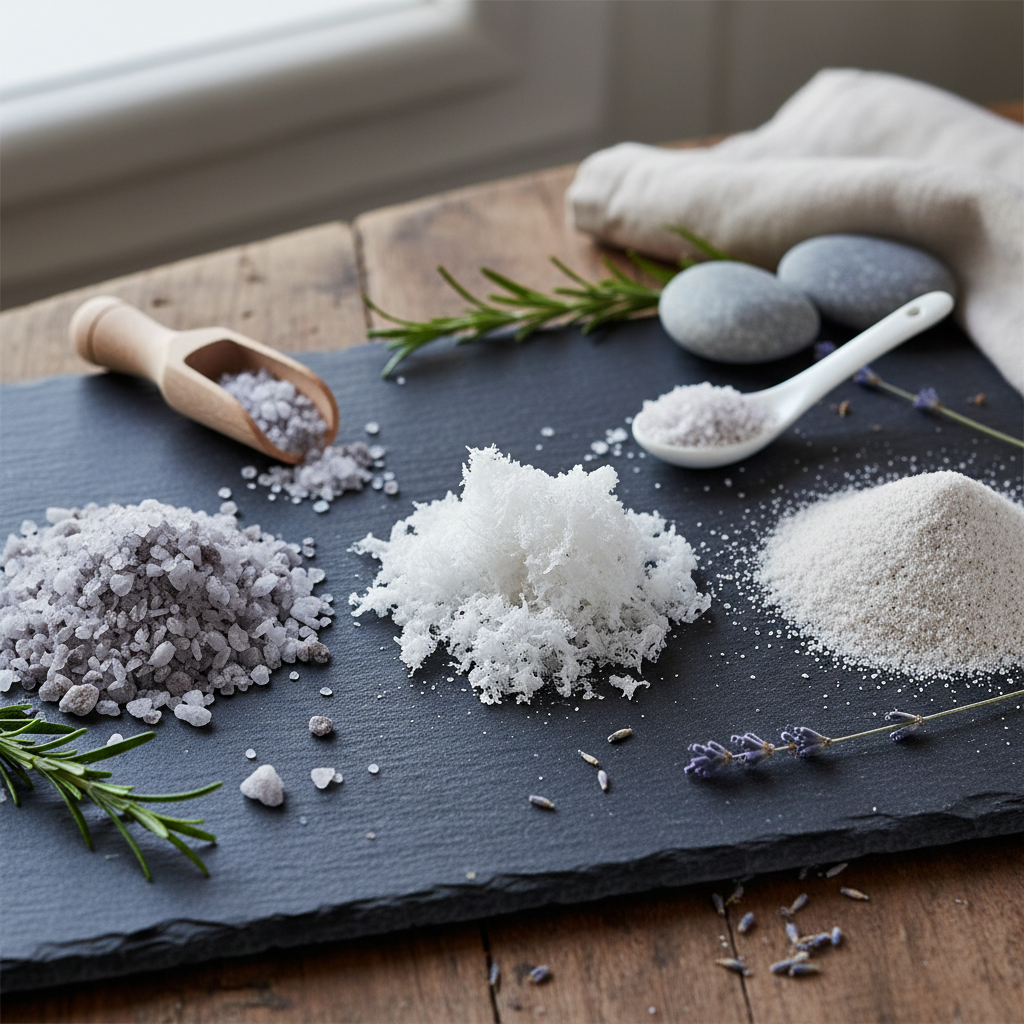
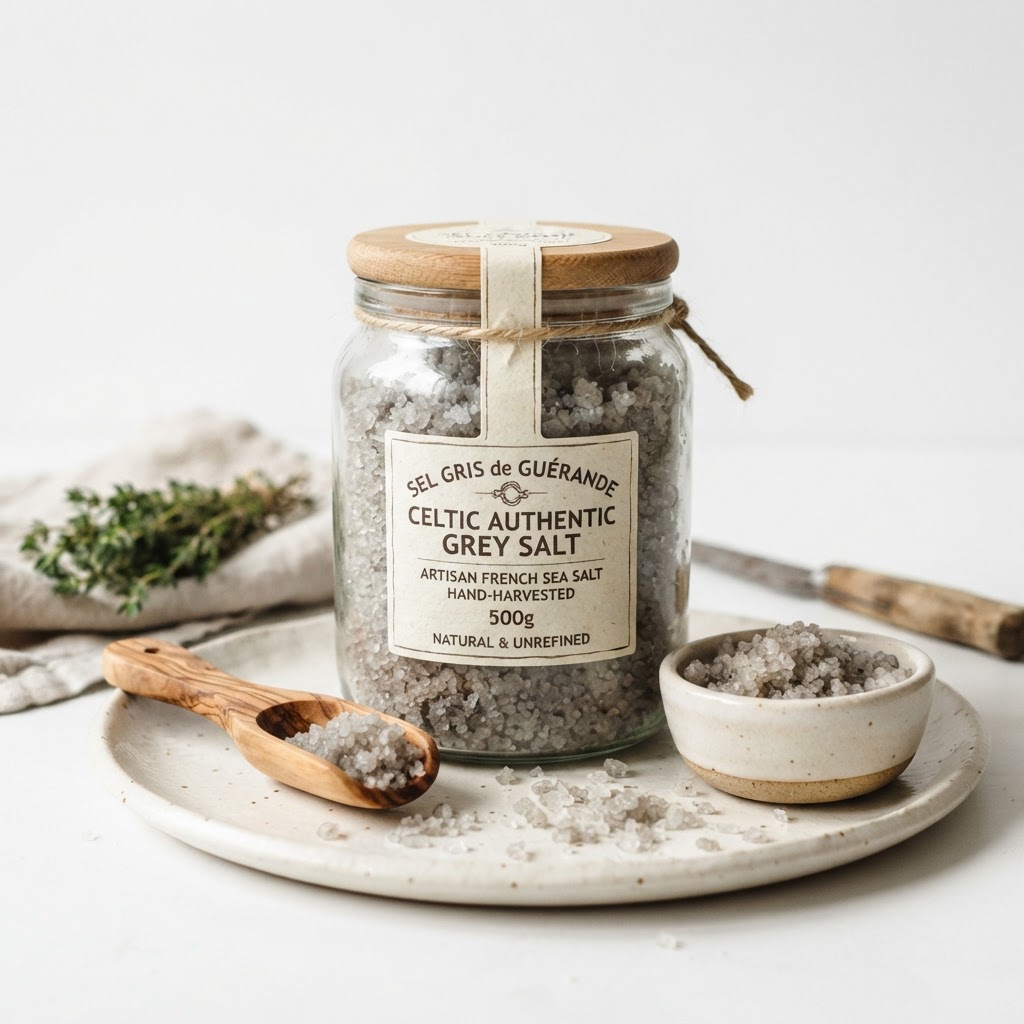
It is worth noting the distinction between Celtic flower of the ocean sea salt and the more widely available grey Celtic sea salt harvested from the same Guérande marshes. The grey salt — gros sel or sel gris — is scraped from the bottom of the crystallising pans and derives its characteristic grey-beige colour from the clay-rich sediment of the pan floor, which also imparts additional minerals including iron and silica. Both are exceptional, unrefined natural salts with far superior mineral profiles compared to refined table salt, and both have important roles in the kitchen. However, fleur de sel occupies a category of its own as a pure finishing salt, distinguished by its white or slightly pale grey colour, its delicate hollow pyramidal crystal structure, its moist texture, its lighter and more nuanced flavour, and the exceptional rarity of its production. Understanding the difference between these two remarkable salts is one of the most useful pieces of knowledge any serious cook can acquire.
Health and Culinary Benefits
The health and nutritional attributes of Celtic flower of the ocean sea salt are genuinely meaningful, though they should always be understood within the context of a balanced diet and sensible overall sodium consumption. Unlike refined table salt, which is stripped of virtually all minerals other than sodium chloride and then treated with additives such as aluminium-based anti-caking agents and synthetic iodine compounds, authentic fleur de sel retains the full natural mineral complexity of Atlantic seawater in a highly bioavailable form. Independent laboratory analyses of genuine Guérande fleur de sel consistently show the presence of magnesium, potassium, calcium, sulphur, and a range of trace elements including manganese, zinc, and iron, all naturally occurring and present in proportions that mirror those found in the ocean itself. While the quantities of these minerals per normal serving of salt are modest — salt is a condiment, not a supplement — they are real, they are bioavailable, and they contribute meaningfully to the overall mineral density of a diet that prioritises whole, unprocessed ingredients.
Magnesium deserves particular attention in this context. Modern Western diets are frequently deficient in magnesium, a mineral involved in over three hundred enzymatic processes in the human body, including energy production, muscle and nerve function, blood sugar regulation, and bone metabolism. Refined table salt contains essentially no magnesium whatsoever, having had it completely removed during processing. Celtic flower of the ocean sea salt, by contrast, retains the magnesium naturally present in Atlantic seawater, primarily in the form of magnesium chloride and magnesium sulphate. The quantities are small per individual serving, but over time and in the context of a diet already rich in magnesium from vegetables, nuts, and legumes, every contribution counts. Similarly, the potassium present in fleur de sel provides a natural counterbalance to sodium in the diet, supporting healthy fluid balance and cardiovascular function in a way that pure sodium chloride simply cannot.
From a purely culinary perspective, the benefits of Celtic flower of the ocean sea salt are dramatic and immediately perceptible to any attentive cook or diner. The fundamental reason lies in the structure of the crystals themselves. The delicate, irregular, hollow pyramidal form of fleur de sel crystals means that they dissolve more slowly and more unevenly on the palate than the uniform cubic crystals of refined salt, creating what food scientists call a more complex and prolonged salt perception. This means that the same level of perceived saltiness can be achieved with a smaller quantity of fleur de sel than with refined salt — an important practical point. Moreover, the residual moisture in authentic fleur de sel carries dissolved minerals that contribute subtle flavour notes described variously as oceanic, mineral, faintly floral, and even slightly sweet — qualities entirely absent from the sharp, one-dimensional sharpness of industrial salt. These flavour characteristics make fleur de sel not merely a source of saltiness but an ingredient that actively enhances and elevates the natural flavours of the food it touches. Exploring the full culinary potential of Celtic sea salt reveals just how transformative the right salt can be in professional and home cooking alike.