Hand-harvested Guérande salt · Tracked international delivery included
Guide· by Celtic Salt Editorial Team
Best Celtic Salt
What Is Best Celtic Salt and Why It Matters in 2026
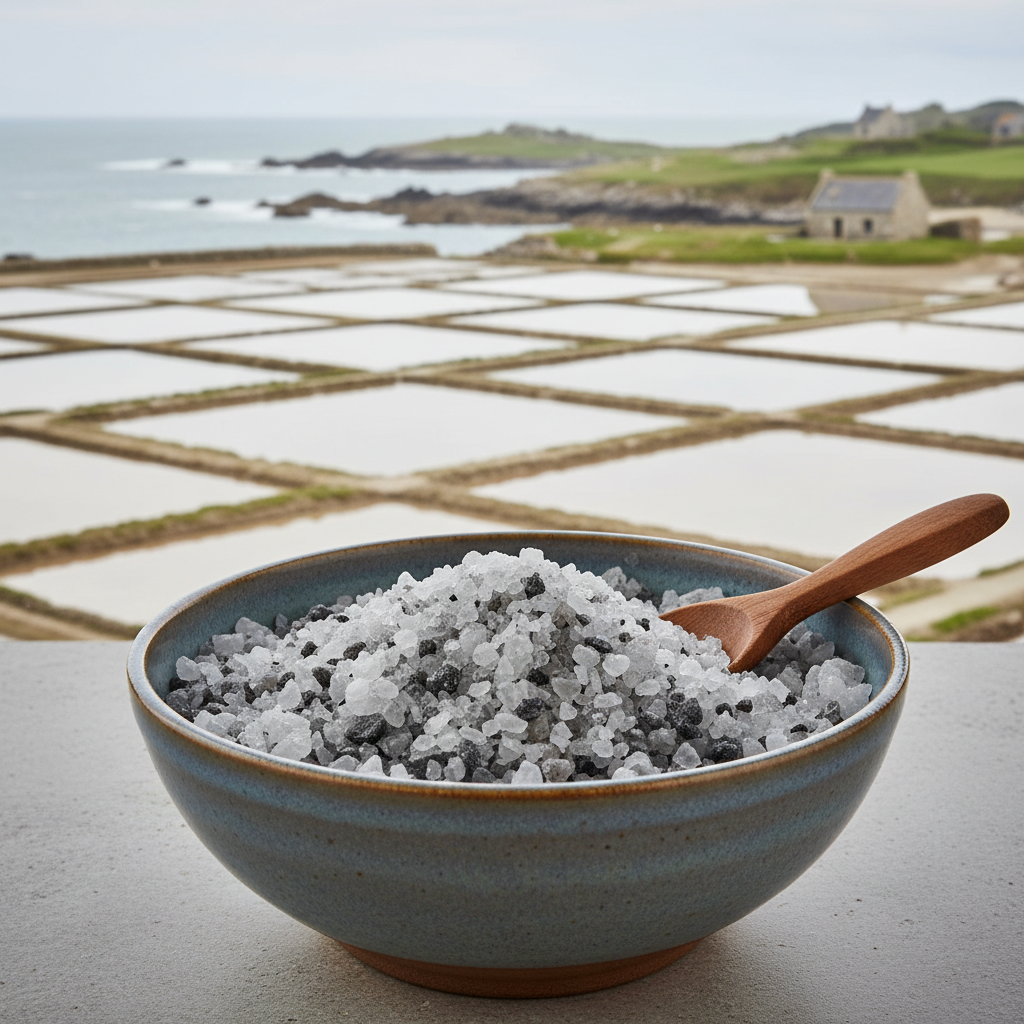
Celtic salt, known in French as sel celtique or gros sel de Guérande, is one of the most ancient and revered mineral salts in the world. Harvested by hand from the tidal marshes of Guérande in Brittany, France, this remarkable grey salt has been collected using the same traditional methods for over a thousand years. Unlike the refined white table salt that dominates most kitchen shelves, authentic Celtic grey salt retains its natural moisture, its characteristic pale grey hue, and — most importantly — its full spectrum of naturally occurring trace minerals. In 2026, as consumers become increasingly aware of what they put into their bodies, the demand for genuine, unprocessed Celtic salt has never been higher. People are moving away from highly processed, bleached, and chemically treated salts and turning instead to something older, purer, and more aligned with natural nutrition principles.
The harvesting process itself is what makes Celtic salt truly exceptional and virtually impossible to replicate industrially. Paludiers — the skilled salt workers of the Guérande region — use long-handled wooden rakes called lousse to gently gather the salt crystals from the surface of clay-lined salt pans. These clay pans are not merely a backdrop; they are an active part of what makes this salt unique. The grey colour of Celtic salt comes directly from the minerals in this clay, including magnesium, calcium, and dozens of other trace elements that are absorbed by the salt crystals during the natural evaporation process. The shallow pans allow seawater drawn from the Atlantic Ocean to evaporate slowly under the Breton sun and wind, concentrating minerals and creating crystals that carry the mineral signature of both the ocean and the earth beneath it. This is not a process that can be rushed, automated, or replicated in a factory setting, which is why authentic Celtic salt remains a product of genuine artisanal craftsmanship.
So why does this matter so much in 2026? The answer lies in a growing global conversation about food quality, mineral depletion, and the hidden costs of industrial food processing. Modern agricultural soils are widely reported to be mineral-depleted compared to soils of previous generations, meaning that people are getting fewer trace minerals from their fruits and vegetables than their grandparents did. Against this backdrop, choosing a mineral-rich salt like authentic Celtic grey salt represents one of the simplest and most accessible ways to reintroduce a broader range of trace minerals into the diet. Every pinch of genuine Guérande Celtic salt delivers not just sodium chloride, but a complex mineral profile that includes magnesium, potassium, calcium, iron, zinc, and many others in naturally occurring proportions. For health-conscious individuals, chefs, and families who care about food quality, this distinction is enormously important.
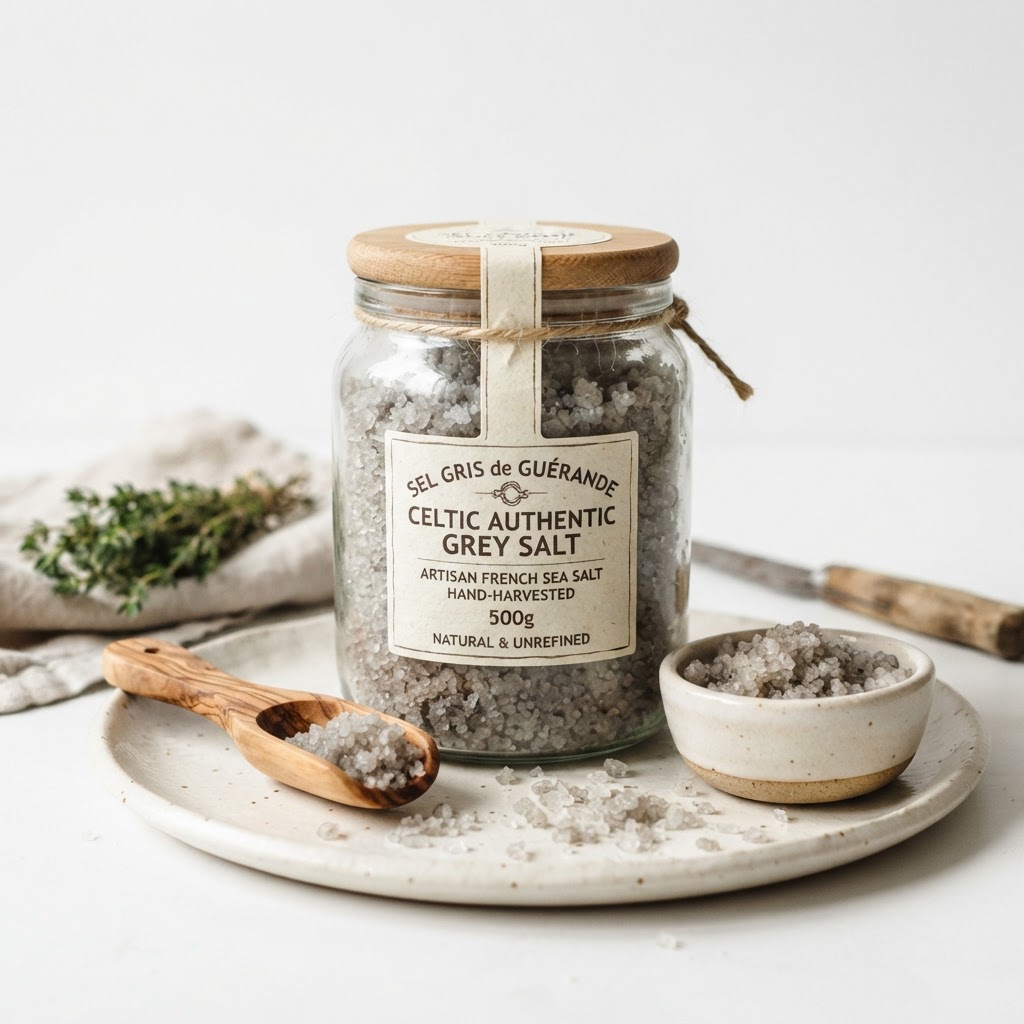
It also matters because not all products sold under the "Celtic salt" label are created equal. As the popularity of grey sea salts has grown, the market has been flooded with imitations — salts that are dyed grey, salts harvested from polluted or industrially managed coastlines, salts that have been refined and then had minerals added back artificially, and salts that merely borrow the Celtic name without any connection to Guérande or traditional harvesting methods. Knowing how to identify the best Celtic salt — the real, authentic article from Brittany — is therefore a genuinely important piece of consumer knowledge. This guide is designed to give you exactly that knowledge, helping you understand what to look for, what to avoid, and how to make the most of this extraordinary natural product in your kitchen and daily life.
The Complete Guide to Best Celtic Salt
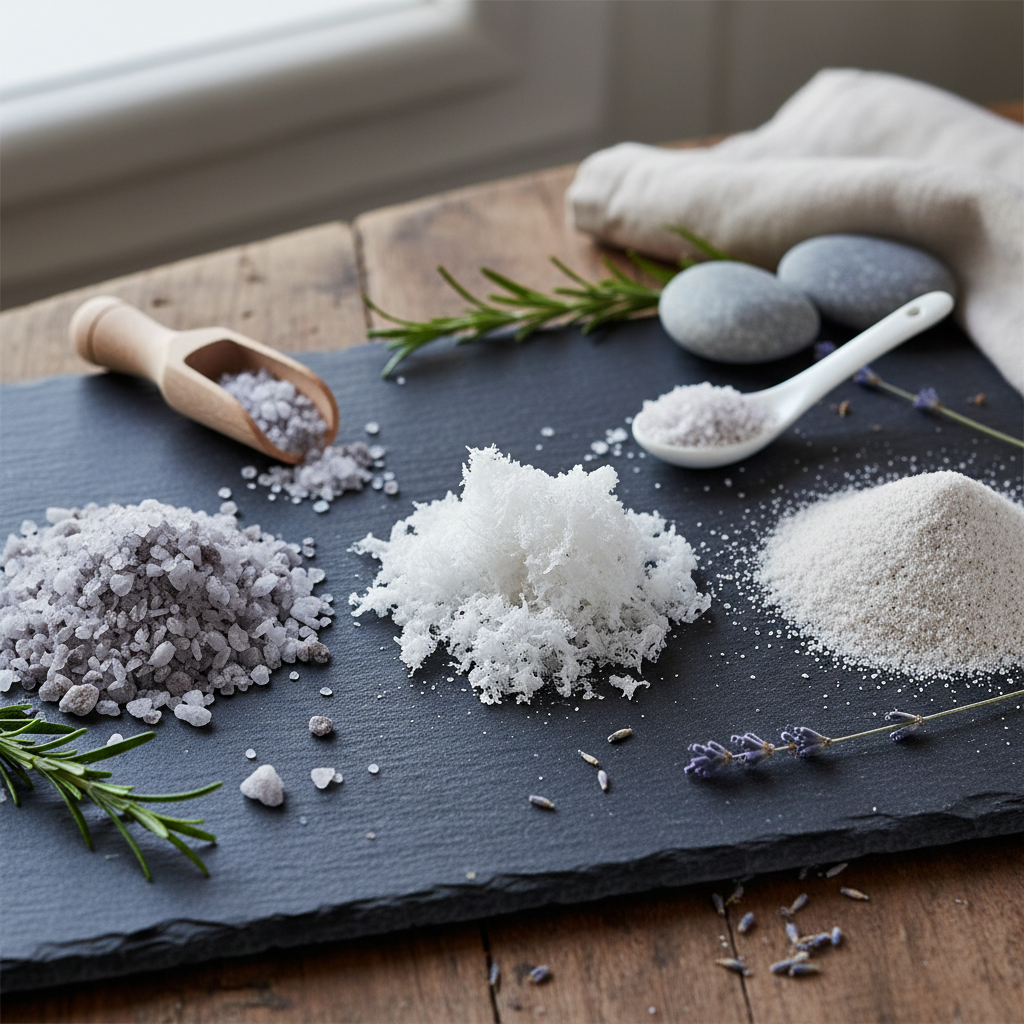
Authentic Celtic grey salt from Guérande comes in several distinct forms, each with its own texture, intensity, and ideal culinary application. Understanding these different varieties is the first step toward using Celtic salt to its full potential. The most widely known form is gros sel, or coarse Celtic salt — large, moist, irregular crystals with a robust mineral flavour. This is the traditional form harvested directly from the salt pans and represents the salt in its most natural and unaltered state. Coarse Celtic salt is ideal for use in cooking water, brines, cures, and anywhere you want a slow-releasing, mineral-rich salting effect. Because the crystals are large, they dissolve gradually, which makes them particularly well-suited for boiling pasta or vegetables, where you want a steady distribution of salt and minerals throughout the cooking water.
The second major form is fine grey Celtic salt, which is essentially coarse Celtic salt that has been ground to a finer consistency without any bleaching, refining, or additive treatment. Fine Celtic salt retains all the same mineral content and moisture as its coarse counterpart but dissolves more quickly, making it easier to use as a direct seasoning at the table or in recipes where you need immediate integration into a dish. Many home cooks who are new to Celtic salt prefer to start with the fine variety, as it handles more like conventional salt in terms of texture and dispersal, while delivering a noticeably richer, more complex flavour. Fine Celtic salt is excellent on salads, eggs, roasted vegetables, and as a finishing touch on simply cooked proteins like grilled fish or chicken.
Then there is fleur de sel, often considered the crown jewel of the Guérande salt marshes. Fleur de sel translates literally as "flower of salt," and it is formed only under very specific meteorological conditions — a combination of strong sun, low humidity, and a steady westerly wind. These conditions cause a thin, delicate crust of salt crystals to form on the very surface of the water in the salt pans. Paludiers must harvest this crust by hand within hours, before it sinks to the bottom and becomes ordinary coarse salt. The result is a product of extraordinary delicacy — light, flaky crystals with a subtle crunch, a naturally white to pale grey colour, and a gently briny, almost sweet mineral flavour that is unlike any other salt in the world. Fleur de sel is always used as a finishing salt, added just before serving to preserve its texture and allow its nuanced flavour to shine without being cooked away.
Understanding the geography and protected status of Guérande salt is also essential for any buyer serious about quality. The Guérande peninsula in the Loire-Atlantique department of Brittany encompasses approximately 2,000 hectares of working salt marshes, and the salt produced there carries the Label Rouge quality certification as well as the European IGP (Indication Géographique Protégée) designation — the French and European equivalents of protected origin status. This means that to legally carry the Guérande designation, the salt must genuinely be harvested from the Guérande marshes using traditional methods. These protections exist precisely because of the intense commercial pressure to imitate and dilute the authentic product. When you buy salt from celtic-salt.com, you are buying directly from a source committed to authentic Guérande provenance and traditional harvesting standards — a distinction that matters enormously in a crowded marketplace.
Storage and handling of Celtic salt also deserve attention. Because authentic Celtic grey salt retains its natural moisture — a feature that refined salts lack entirely — it should be stored in a breathable container rather than a sealed, airtight jar. Traditional ceramic crocks with loose-fitting lids are ideal, as they allow the salt to maintain its moisture balance without becoming either too dry (which would cause it to lose some of its delicate mineral character) or too wet (which could cause clumping). Never store Celtic salt in a metal container, as the mineral content can cause a subtle reactive discolouration over time. A wooden salt cellar or a ceramic pinch pot placed conveniently near your cooking area is both practical and aesthetically pleasing, and it encourages you to use your salt freely and generously.
Health and Culinary Benefits
The nutritional profile of authentic Celtic grey salt sets it apart from virtually every other commonly available salt on the market. Standard refined table salt is approximately 97–99% pure sodium chloride, with all trace minerals removed during processing. Iodine and anti-caking agents are then typically added back artificially. Authentic Celtic grey salt, by contrast, contains a meaningfully lower percentage of sodium chloride — generally around 80–84% — with the remainder consisting of water and a broad spectrum of naturally occurring minerals and trace elements. This distinction has real practical relevance. The presence of minerals like magnesium, for instance, is understood by nutritionists to play a role in how sodium is metabolised in the body, and there is genuine scientific interest in the question of whether mineral-rich natural salts affect the body differently than highly purified sodium chloride.
Magnesium is perhaps the most nutritionally significant of the minerals present in Celtic grey salt. It is found in meaningful quantities compared to many other natural salts, and magnesium is a mineral that a large proportion of the population is believed to consume in insufficient quantities from diet alone. Magnesium is involved in hundreds of enzymatic processes in the body, plays a role in muscle and nerve function, contributes to normal energy metabolism, and supports electrolyte balance. While it would be inaccurate to suggest that seasoning your food with Celtic salt alone will resolve a magnesium deficiency, the fact that it contributes additional magnesium rather than pure sodium chloride is a genuine nutritional advantage over refined alternatives. Similarly, the calcium, potassium, and iron present in Celtic salt — though present in smaller quantities — contribute to a more nutritionally complete mineral seasoning experience.
From a purely culinary standpoint, the benefits of authentic Celtic salt are equally compelling. Chefs and food professionals who work with it consistently describe its flavour as more complex, more rounded, and less harsh than refined salt. The high mineral content gives Celtic grey salt a depth of flavour that goes well beyond simple saltiness — there are subtle briny notes, a gentle earthiness from the clay minerals, and a lingering mineral quality that enhances the natural flavours of ingredients rather than simply making them taste salty. This means that dishes seasoned with Celtic salt often require less total salt to achieve a satisfying result, as the mineral complexity does more flavour work per gram than plain sodium chloride. Experienced cooks who make the switch to Celtic salt frequently report that their food simply tastes better — more vivid, more layered, and more interesting. You can learn more about the culinary science behind this in our detailed post on Celtic salt cooking tips and techniques.
The natural moisture content of Celtic grey salt is another culinary advantage that is often overlooked. Because the salt crystals are slightly damp, they adhere to food surfaces more readily than dry, refined salt. This makes Celtic salt particularly effective for dry brining meats and fish — a technique where salt is applied to the surface of a protein hours or days before cooking to draw out and then reabsorb moisture, resulting in more tender, more evenly seasoned, and more flavourful results. The mineral content of the salt also contributes to the brine, adding complexity to the flavour development that occurs during the dry-brining process. For anyone serious about cooking proteins well, understanding the dry-brining capabilities of Celtic salt is a genuine game-changer.
How to Use Best Celtic Salt — Expert Tips
One of the most common questions from people new to Celtic salt is simply: how do I use it? The answer depends on the form of Celtic salt you have and what you are cooking, but a few universal principles apply. First, because Celtic salt has a broader and more complex flavour than refined table salt, it is worth tasting as you go rather than applying it automatically in the same quantities you would use with conventional salt. Many cooks find that they naturally use slightly less Celtic salt and achieve equally satisfying — or better — results, simply because the mineral complexity carries more flavour.
For coarse Celtic salt, the primary applications are in cooking water and brines. When cooking pasta, rice, potatoes, or green vegetables, add a generous pinch of coarse Celtic salt to your boiling water. The large crystals dissolve gradually and season the food from the outside in as it cooks. For brining, whether wet or dry, coarse Celtic salt is ideal. A simple dry brine for a chicken involves rubbing the bird generously with coarse Celtic salt — inside and out — then leaving it uncovered in the refrigerator for 24 to 48 hours before roasting. The result is skin that crisps beautifully and meat that is seasoned throughout rather than only on the surface. A wet brine for pork chops or salmon might involve dissolving coarse Celtic salt in cold water with herbs and aromatics, then submerging the protein for several hours before cooking.
Fine Celtic salt functions as a versatile all-purpose seasoning and can be used wherever you would use conventional table salt. It is particularly excellent in salad dressings, where it dissolves quickly into vinaigrette and contributes mineral depth that plain salt cannot match. Use it to season eggs before scrambling or frying — the minerals interact beautifully with the proteins and fats in eggs, producing a noticeably richer flavour. Fine Celtic salt is also wonderful stirred into softened butter with fresh herbs to make a compound butter for spreading on bread or melting over grilled steaks and vegetables.