Guide· by Celtic Salt Editorial Team
Grey Salt Explained: Minerals, Sodium Density and Kitchen Uses
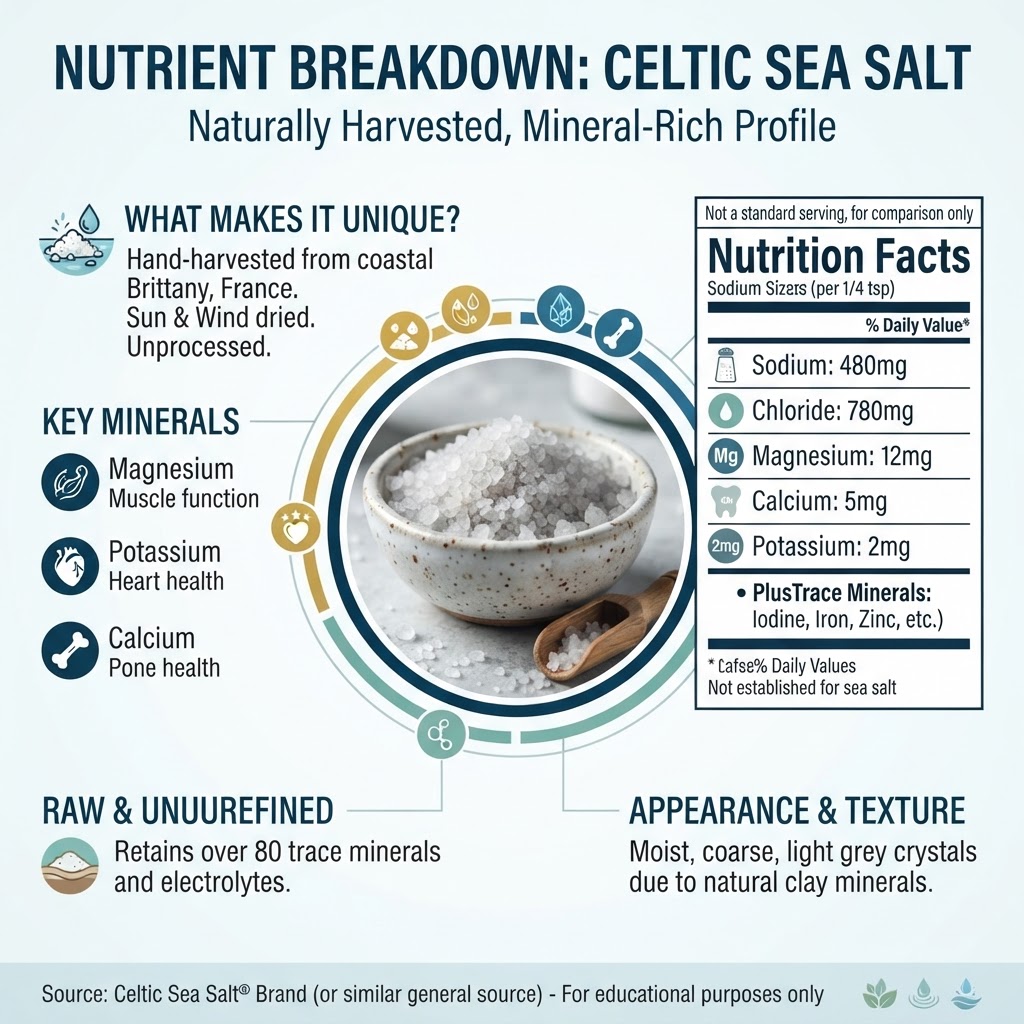
Food information, not medical advice. Salt remains a significant source of sodium. Trace-mineral levels can vary by harvest and product, and culinary salt should not be used as a treatment or medical electrolyte supplement.
Incorporating grey salt into daily cooking can elevate both flavor and health, making it a potent seasoning in your culinary toolkit. To get the most out of this special salt, understanding its applications can help you maximize its benefits. One of the simplest ways to use grey salt is as a finishing salt. A pinch sprinkled over roasted vegetables, grilled meats, or fresh salads can enhance the natural flavors without overpowering them.
When cooking grains such as rice or quinoa, adding grey salt to the boiling water can help season these staples from the inside out. This practice allows the grains to absorb the salt, providing a more robust flavor. When using grey salt in baking, consider its denser nature compared to refined salt. A careful measurement is crucial, and it’s recommended to dissolve it in warm water when preparing batters for even distribution.
Additionally, consider pairing grey salt with olive oil or vinegar in salad dressings. This creates a complementary blend that can bring out the complexity of other ingredients, such as greens, tomatoes, or cheeses. For those who enjoy grilling, a dry rub incorporating grey salt with herbs and spices can impart a more profound depth to barbecued dishes.
Recipe ideas abound when utilizing grey salt — consider a classic salt-crusted fish, where the salt encases the fish during baking, which helps retain moisture while adding a subtle, savory flavor. A simple roasted chicken seasoned with grey salt, rosemary, and garlic is another suitable option. For those seeking a bolder culinary experiment, grey salt can be infused into flavored oils or serve as a key ingredient in gourmet chocolates, enhancing the salty-sweet flavor combination. By integrating grey salt thoughtfully into daily cooking, consumers can enjoy its myriad benefits while savoring flavorful dishes.
Discover — $79.99 →
How to Use benefits of grey salt
Beyond culinary uses, grey salt offers various applications that enhance lifestyle choices and wellness practices. One popular method includes employing grey salt in skincare routines. Its natural exfoliating properties make it an exceptional ingredient in DIY scrubs. Mixing grey salt with natural oils, such as coconut or olive oil, can create a gentle exfoliant that invigorates the skin, removing dead cells and promoting a healthy glow. In bath rituals, grey salt can be dissolved in warm water to create a soothing soak that may support relaxation and rejuvenation. The minerals present in grey salt can be absorbed through the skin, adding an element of luxury to bathing while providing additional benefits. As salt has traditional roots in cleansing rituals, its inclusion in spa-like experiences at home reinforces its role beyond mere seasoning. In cooking, the meditative practice of creating homemade gourmet rubs or seasoned finishing salts fosters creativity and connection to the culinary arts. By making personalized seasoning blends with grey salt, individuals can explore flavor profiles unique to their preferences. This is also an opportunity to celebrate the myriad of spices and herbs that complement the natural taste of grey salt. Moreover, for those inclined toward holistic well-being, the mindful use of grey salt extends to its role in environmental sustainability. Choosing to use responsibly sourced grey salt from the pristine coastal sources of Brittany encourages consumers to support eco-friendly production practices. Being aware of element sourcing not only aligns with health-conscious living but also ensures that both natural and ethical considerations are paramount in their choices. Through these various applications, grey salt becomes an integral part of a lifestyle focused on health, creativity, and mindfulness.🧂 AUTHENTIC IGP GUÉRANDE SALT
500g / 17.6 oz · Hand-harvested · Brittany, France
What to Look for When Buying
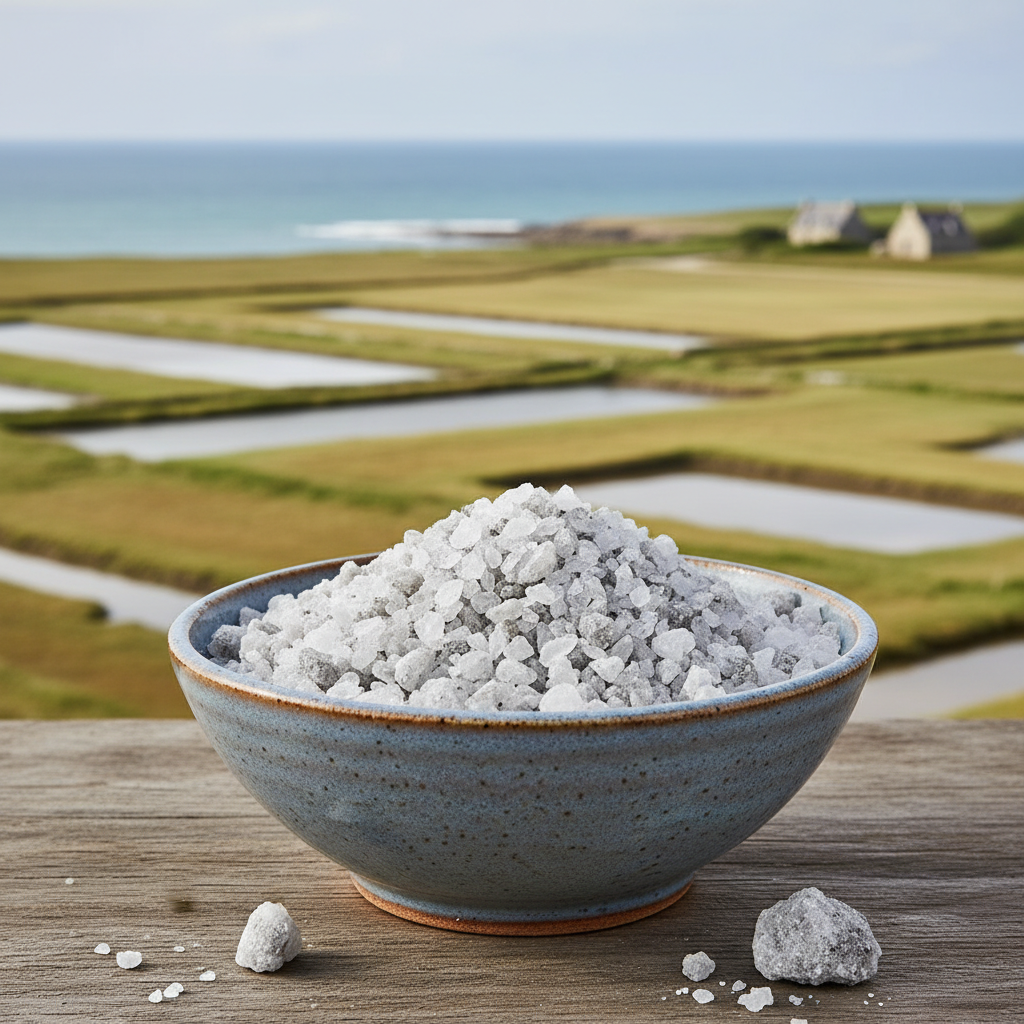
When seeking to purchase grey salt, understanding quality indicators is essential for ensuring both purity and efficacy. One of the most critical factors to look for is certification, specifically the IGP (Indication Géographique Protégée) label, which verifies that the salt has been harvested in a designated French region, adhering to traditional methods. This label affirms not only the quality of the product but also its authenticity, resonating with consumers who prioritize responsible sourcing. Next, consider the texture and color of the salt. Authentic grey salt typically ranges from light grey to deeper hues, depending on the mineral content and clay present in the harvesting flats. It should not be overly refined or overly fine; a coarser grain often signifies better quality. Be cautious of grey salts that appear overly uniform in color and texture, as these may contain additives or have undergone unwanted refining processes. Packaging also plays a vital role in quality assurance. Look for airtight, light-resistant containers that protect the salt from moisture and contaminants. Avoid products in clear plastic packaging that may degrade the salt over time, risking loss of flavor and quality. Additionally, it is helpful to read reviews or seek recommendations from trusted sources. Understanding where the salt came from, the harvesting methods used, and the brand's reputation can significantly influence purchasing decisions. As with any natural products, a degree of mindfulness is necessary. By arming themselves with knowledge about grey salt, consumers can make informed choices, prioritizing high-quality, unrefined salt that can contribute positively to their culinary experiences and overall well-being.Common Questions About benefits of grey salt
What is the difference between grey salt and regular table salt?
Grey salt is unrefined and retains natural minerals, while regular table salt is often heavily processed and stripped of its nutrients. This difference contributes to grey salt's unique flavor and potential benefits.
Can grey salt be used in baking?
🧂 AUTHENTIC GUÉRANDE CELTIC SALT
Celtic Authentic Grey Salt – 500g / 17.6 oz
Hand-harvested · Unrefined · trace minerals whose levels vary by harvest and product · IGP certified
Compare at $114.99
Get Your Bag — $79.99 →Yes, grey salt can be used in baking, but it may require careful measurement due to its larger crystals. Dissolving it in warm water can help achieve an even distribution in batters.
Is grey salt healthier than regular salt?
While both types of salt contain sodium, grey salt's natural mineral content may offer some additional benefits compared to regular table salt, which often lacks these nutrients.
How should I store grey salt?
Store grey salt in an airtight container away from light and moisture to preserve its flavor and quality. Avoid plastic packaging that may allow contaminants.
Can I use grey salt in skincare routines?
Absolutely! Grey salt's natural exfoliating qualities make it an excellent ingredient for DIY scrubs and baths, enhancing skin health and promoting relaxation.
Conclusion
In conclusion, the benefits of grey salt are both diverse and compelling, appealing to health-conscious consumers and culinary enthusiasts alike. Its unrefined nature, rich mineral content, and complex flavor profile enhance not just the taste of meals but also contribute to a balanced lifestyle. By understanding its origins and applications, consumers can integrate grey salt into their daily cooking routines while exploring its broader lifestyle benefits. As culinary awareness grows, so does the appreciation for natural ingredients, making grey salt a relevant choice for those seeking quality in their dietary practices. From enhancing everyday dishes to serving as a luxury ingredient in gourmet recipes, grey salt embodies a holistic approach to nutrition and well-being. Given its versatility and exceptional qualities, it stands as more than just an ingredient; it represents a mindful culinary philosophy that celebrates natural flavors and traditions. As consumers continue to prioritize health and quality in their food choices, grey salt undoubtedly deserves a prominent place in pantries around the globe.Celtic Salt — IGP Guérande
Hand-harvested by Breton paludiers. 500g / 17.6 oz jar, unrefined, trace minerals whose levels vary by harvest and product.
Free shipping — standard tracked delivery included
Get Your Bag — $79.99 →