Hand-harvested Guérande salt · Tracked international delivery included
· by Celtic Salt Editorial Team
The Ultimate Guide to Celtic Sea Salt: Nature's Minerals
What Is Celtic Sea Salt and Why It Matters in 2026
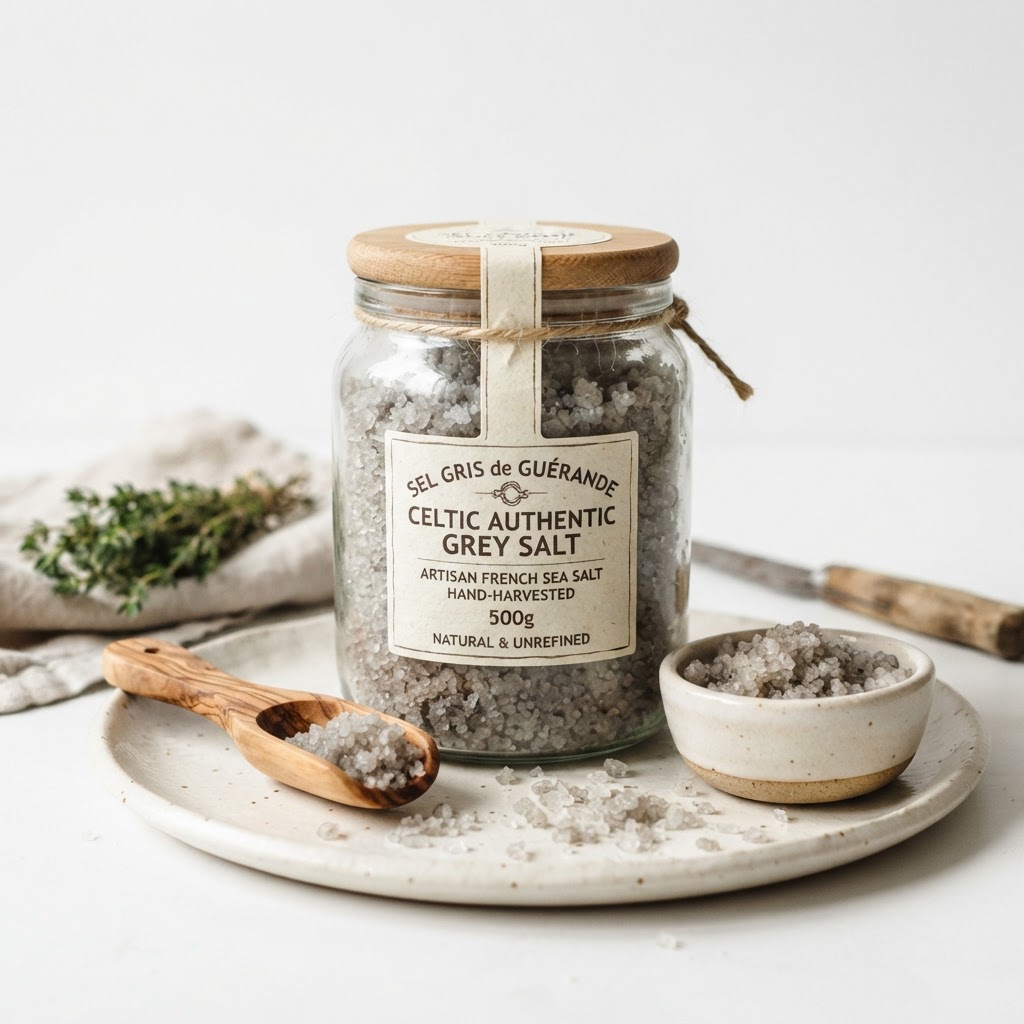
Celtic sea salt is one of the most ancient and revered mineral-rich salts on the planet, harvested by hand from the pristine tidal flats of the Guérande region in Brittany, northwestern France. Unlike the refined, heavily processed table salt that dominates most kitchen shelves around the world, authentic Celtic grey salt — known in French as sel gris celtique — is collected using traditional methods that have been passed down through generations of skilled salt workers called paludiers. These dedicated craftspeople rake the salt by hand from clay-lined salt pans, preserving every trace mineral and natural compound that the Atlantic Ocean delivers to the Breton coastline. The result is a moist, grey-hued crystal that carries within it the living memory of the sea itself, complete with a complex flavour profile and an impressive spectrum of naturally occurring minerals.
In 2026, consumer interest in whole, unprocessed foods has never been stronger, and Celtic sea salt sits at the very heart of that cultural shift. People are increasingly scrutinising the ingredients they use daily — not just the headline items on their plates, but the fundamental seasonings that touch every dish they prepare. When it comes to salt, the difference between a highly refined, anti-caking-agent-laden product and a naturally harvested grey sea salt is profound. Refined table salt is stripped of its mineral complexity through industrial washing, heating, and chemical treatment, leaving behind almost pure sodium chloride. Celtic sea salt, by contrast, retains naturally occurring magnesium, calcium, potassium, zinc, iron, and over eighty trace elements that form part of a complete, bioavailable mineral matrix — the same matrix found in clean seawater.
The significance of this distinction goes beyond nutrition alone. It touches on environmental stewardship, cultural heritage, and a deeper relationship with the food we eat. The salt marshes of Guérande are a UNESCO-recognised biosphere, a thriving wetland ecosystem that supports extraordinary biodiversity. Every time a paludier harvests grey salt by hand, they are also maintaining the ecological balance of those marshes — keeping invasive species in check, managing water flow, and preserving a landscape that has served as a salt-producing site for over a thousand years. Choosing authentic Celtic grey salt is therefore an act of cultural and environmental support as much as a culinary decision, and in an era increasingly defined by conscious consumption, that matters enormously.
As we move deeper into the 2020s, the wellness community, professional chefs, nutritional researchers, and everyday home cooks are all arriving at similar conclusions: not all salt is equal, and the mineral content of the salt we use every day has real implications for how food tastes, how our bodies function, and how we connect with natural, traditional food systems. This comprehensive guide is designed to walk you through everything you need to know about Celtic sea salt — from its geological and cultural origins, to its mineral composition, culinary applications, health considerations, and how to identify genuine quality when you are making a purchasing decision. Whether you are completely new to the world of artisan salts or looking to deepen your existing knowledge, this is your definitive starting point.
The Complete Guide to Celtic Sea Salt — Origins, Harvesting, and Mineral Composition
To truly understand Celtic sea salt, you need to begin at the source: the Guérande peninsula in Loire-Atlantique, Brittany. This low-lying coastal region has been exploited for salt production since at least the ninth century, and archaeological evidence suggests human salt-making activity in the area stretching back even further. The salt marshes here — known as marais salants — are a carefully engineered landscape of shallow clay basins, channels, and reservoirs that work in harmony with tidal rhythms, wind, and solar evaporation to concentrate seawater into crystalline salt. The clay that lines the base of these pans is critical: it is composed largely of illite, a grey mineral clay that imparts the characteristic grey colour to the harvested salt and contributes additional minerals to its composition.
The harvesting process begins in late spring and runs through summer into early autumn. Atlantic seawater is drawn into the outer reservoirs of the salt marsh through a series of sluice gates timed with the tides. As this water moves progressively through smaller and shallower basins, solar energy and wind cause it to evaporate steadily, increasing the concentration of dissolved minerals and salts. Eventually, in the innermost and shallowest pools called œillets, the brine reaches saturation point and salt crystals begin to precipitate. The paludier harvests the grey salt — the sel gris — from the bottom of these pools using a long-handled wooden rake called a las. This raking action captures the heavier grey crystals along with minute particles of the clay floor, which is precisely what gives the salt both its colour and its enhanced mineral content.
Distinct from the grey salt harvested below is a rarer product that forms on the surface of the brine: fleur de sel, the delicate white flower of salt that crystallises at the water's surface under ideal conditions of light wind and warm sun. While fleur de sel is prized as a finishing salt for its lightness and subtlety, it is the grey sel gris that represents the true mineral powerhouse of the Guérande salt marsh. The grey salt's moisture content — typically around 10 to 13 percent — is not a flaw or sign of poor quality; it is a deliberate feature, indicating that the salt has not been kiln-dried or industrially processed and retains its full complement of liquid trace minerals, known as bittern or nigari.
The mineral profile of authentic Celtic grey salt is genuinely impressive. While sodium chloride still constitutes the majority of its composition — as it does with any salt — the remaining fraction contains a remarkable breadth of naturally occurring minerals. Magnesium is particularly well-represented, appearing in concentrations significantly higher than those found in refined table salt or even many other artisan sea salts. Magnesium plays a crucial role in hundreds of enzymatic processes in the human body, supports muscle and nerve function, and contributes to the characteristic slightly bitter, complex aftertaste that distinguishes grey salt from flat, one-dimensional table salt. Calcium is present in meaningful quantities, as are potassium, sulphate, bromide, boron, and zinc. Iron contributes further to the grey colouration of the crystals. The full trace mineral spectrum — including silica, manganese, copper, and fluoride — mirrors in dilute form the mineral richness of clean Atlantic seawater, providing a naturally balanced seasoning that refined salt simply cannot replicate.
It is also worth noting the importance of terroir in Celtic sea salt production. Just as wine grapes express the characteristics of their soil and climate, Celtic grey salt expresses the particular character of the Guérande marshes — the specific clay composition of the local geology, the mineral content of the Breton Atlantic waters, and the seasonal variations in temperature and wind. Salt produced in different regions, even using similar hand-harvesting methods, will have a subtly different mineral fingerprint. This is why genuine Guérande Celtic salt is considered by many culinary professionals and nutrition researchers to be genuinely distinct from imitation products sold under vaguely similar marketing language.
Health and Culinary Benefits of Celtic Sea Salt
When discussing the health considerations associated with Celtic sea salt, it is important to approach the subject with balanced, evidence-informed thinking rather than hyperbolic wellness claims. What can be stated clearly and honestly is that the mineral complexity of Celtic grey salt offers measurable differences compared to refined table salt, and those differences have practical implications for nutrition and flavour. The naturally occurring magnesium in grey salt, for instance, is a mineral that a significant proportion of the modern population consumes in insufficient quantities. While Celtic sea salt should not be considered a primary magnesium supplement, the cumulative contribution of using a magnesium-rich salt daily in cooking is a meaningful, low-effort way to nudge intake in the right direction without any dietary disruption.
The trace minerals in Celtic sea salt are present in their naturally chelated, organically complexed forms — meaning they occur alongside the same compounds that make them recognisable and usable to biological systems. This is a different situation from the isolated, synthetic mineral supplements found in tablets and powders, which the body must process and absorb in a more artificial context. Whether this translates into superior bioavailability is a subject of ongoing nutritional research, but the basic principle — that minerals occurring in their natural food matrix context are well-suited to human physiology — has substantial scientific grounding. Learn more about the specific mineral content of Guérande salt by visiting our detailed article at the mineral content of Celtic grey salt explained.
From a culinary standpoint, the benefits of Celtic sea salt are easier to evaluate and are widely acknowledged by professional chefs across France, the United Kingdom, North America, and beyond. The moisture content of grey salt gives it a distinctive texture — it clumps slightly and has a satisfying, crunchy bite when used as a finishing salt — and its mineral complexity creates a layered, nuanced flavour that enhances food rather than simply adding saltiness. Many chefs describe the experience of seasoning with grey salt as bringing out the inherent flavour of an ingredient rather than masking it. The slight bitterness of the magnesium compounds and the oceanic depth of the trace minerals combine to create a seasoning that is, in the truest sense, more interesting than flat refined salt.
Celtic sea salt's lower sodium chloride percentage relative to refined table salt is another frequently cited benefit. Because grey salt is less purely sodium chloride and more a broad mineral blend, equivalent volumes of grey salt may deliver slightly less sodium than the same volume of refined table salt. For individuals who are sodium-conscious but unwilling to sacrifice flavour, this makes Celtic grey salt a pragmatically useful choice. However, it is important to season by taste and measure appropriately rather than assuming that using a mineral-rich salt permits unrestricted use — sensible moderation remains the watchword with any salt, regardless of its source or quality.
How to Use Celtic Sea Salt — Expert Tips and Applications
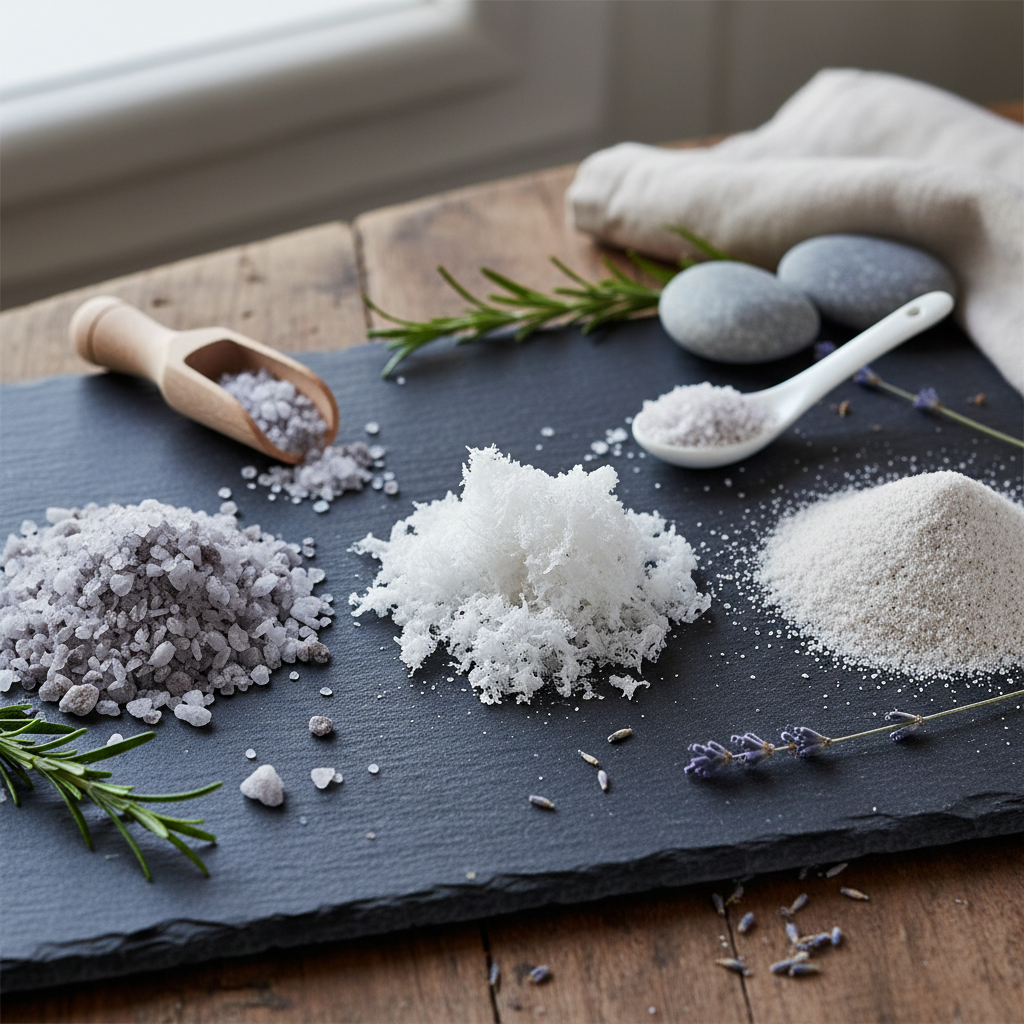
One of the most important principles for getting the most from Celtic grey salt is understanding that not all cooking applications are equal, and that matching the right form of salt to the right moment in the cooking process dramatically improves outcomes. Celtic grey salt is available in several forms: coarse crystals, medium grind, fine grind, and the delicate fleur de sel variant. Each has its optimal use case, and using the right one makes a genuine difference to the final dish.
Coarse Celtic grey salt is ideal for applications where it will have time to dissolve fully or where its textural presence is desirable. Use it generously in pasta water — a large pot of boiling water should be seasoned until it tastes pleasantly of the sea, typically two to three teaspoons of coarse grey salt per litre of water. This seasons the pasta from within as it cooks, something that no amount of sauce added afterwards can fully replicate. Coarse grey salt is also excellent for salt-crusting whole fish or vegetables before roasting, where the crystals form a protective mineral shell that retains moisture and infuses the food with gentle, even seasoning as it cooks.
Medium-grind Celtic sea salt is the most versatile option for everyday cooking. It dissolves quickly enough to season dishes at any stage of cooking, from the beginning of a braise to the final adjustment before serving. It measures predictably and integrates smoothly into marinades, brines, bread doughs, and spice rubs. If you are transitioning from refined table salt to Celtic grey salt and want a straightforward like-for-like substitution that requires minimal adjustment to your existing recipes, a medium-grind grey salt is the ideal starting point.
Fine-grind Celtic grey salt is best used where instant, even dissolution is required — in baking, where it must integrate with dry ingredients without leaving visible crystals; in dressings and light sauces, where visible grey crystals might be unwanted aesthetically; and in table use, particularly for guests who expect a traditional salt experience. Because fine-grind grey salt dissolves on the palate almost instantly, it delivers its mineral complexity in a burst rather than a sustained release, making it particularly effective for seasoning salads, raw vegetables, and lightly cooked proteins at the table.