Hand-harvested Guérande salt · Tracked international delivery included
GuideSeptember 10, 2026· by Celtic Salt Editorial Team
How to Bake Salt: A Guide to Elevating Your Culinary Creations
The Art and Science of Baking Salt: Enhancing Your Kitchen Techniques
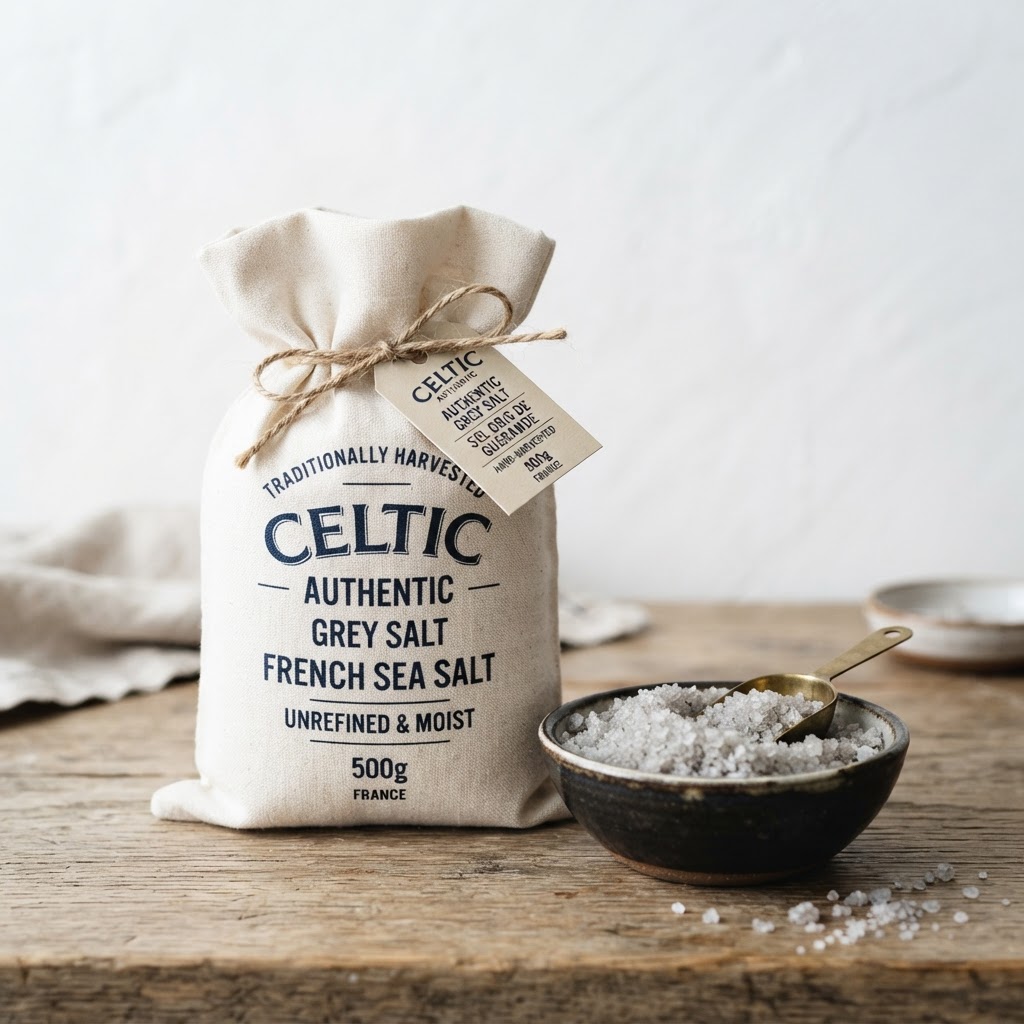
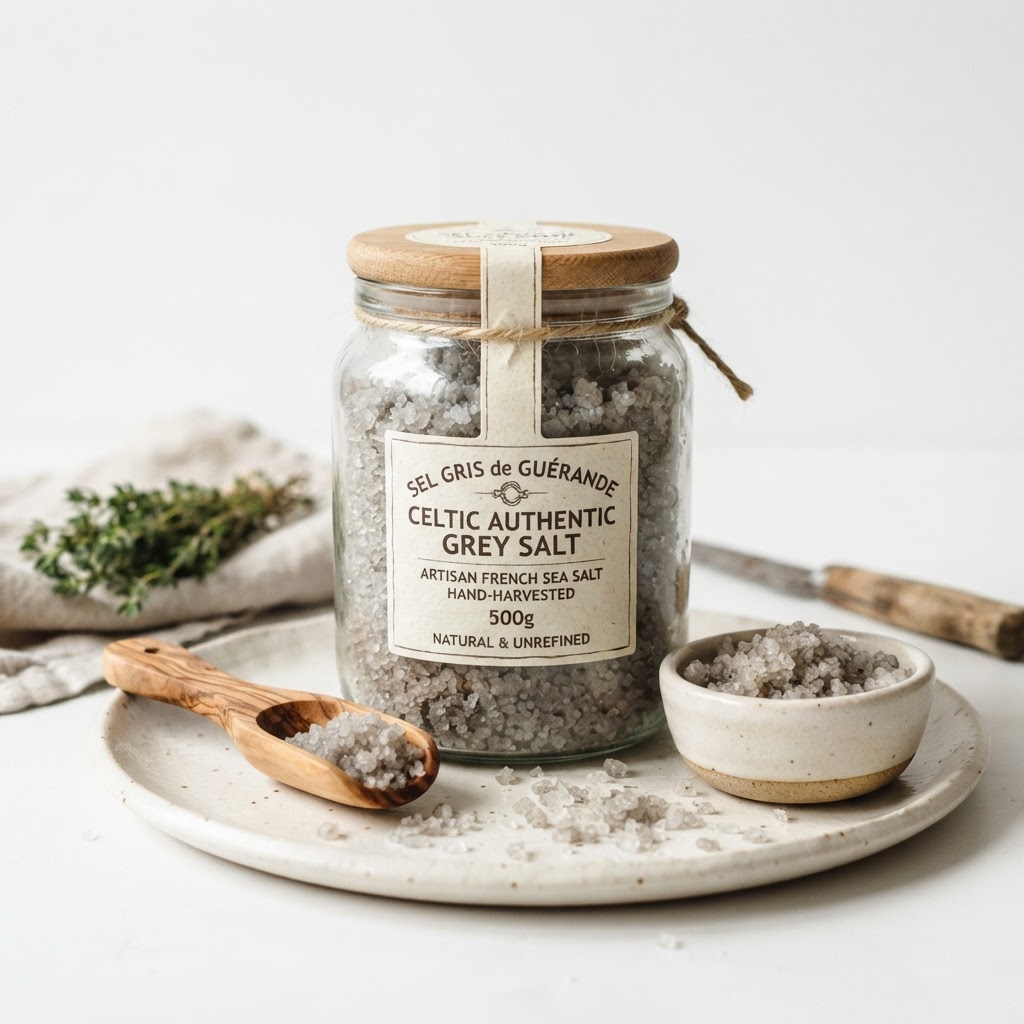
In the culinary world, salt is often viewed as a simple seasoning, a background note that rounds out flavors. However, when you understand the physical properties of salt, you unlock a new dimension of potential. Baking salt—the practice of heating, dehydrating, or lightly toasting salt crystals—is a professional technique used to adjust moisture content, improve surface texture, and prepare the salt for infusion with aromatics. At Celtic-salt.com, we believe that understanding your ingredients is the first step toward mastery. Whether you are working with our premium Celtic Authentic Grey Salt – 500g ($79.99) or exploring the nuances of mineral-rich harvests, learning how to manipulate the crystal structure through heat is a game-changer.
When we talk about baking salt, we aren't just talking about drying it out. We are discussing the transformation of the mineral profile. Proper heat application can assist in grinding, help prevent clumping in humid environments, and act as a vessel for infusing delicate oils from herbs and citrus. By utilizing a high-quality product like our Celtic Authentic Grey Salt – 500g ($79.99), you ensure that the minerals inherent to the Guérande region are preserved while gaining the benefits of a uniform, dry grain. For those interested in how mineral balance affects your overall health, you might consider reading our guide on What Does Celtic Salt Do For The Body, which explores the vitality of unprocessed minerals.
Why should you bother baking your salt? The answer lies in texture and precision. In professional kitchens, dry salt flows better through a mill and coats proteins more evenly during the searing process. If your salt has retained too much moisture from the Atlantic breeze, baking it gently restores its crisp, crunchable nature. This is essential when preparing the perfect salt crust for fish or when creating bespoke finishing salts. By removing excess internal moisture, you allow the salt to interact differently with the heat of your oven or pan, ensuring your dishes achieve that professional-grade finish every time.
The Problem: Humidity and Moisture in Premium Harvests
One of the hallmarks of genuine French Celtic sea salt is its high moisture content. Because Celtic Authentic Grey Salt – 500g ($79.99) is harvested naturally from the clay-lined salt pans of Guérande, it remains rich in magnesium and other essential minerals that naturally draw moisture from the air. While this indicates a superior, non-industrial product, it can pose challenges for certain kitchen techniques. For instance, if you are attempting to make a dry rub for a barbecue, clumping salt can result in uneven distribution, leading to pockets of extreme saltiness and other areas that are under-seasoned. This is the primary problem that baking salt solves: consistency.
Beyond the texture of the rub, there is the matter of the salt mill. Many home cooks struggle with salt mills that clog or fail to grind smoothly. This is almost exclusively due to the moisture held within the crystal structure. By taking the time to bake your salt, you are effectively preparing it for peak performance in your hardware. It is important to distinguish this process from other types of harvesting; for a deeper understanding of how these salts are collected, you can review our insights on Kelted Salt. By removing the excess water, you transform the salt into a free-flowing, versatile tool that is ready to season everything from fresh garden vegetables to high-protein steaks.
Furthermore, baking salt is a vital step for those who enjoy creating infused salts. If you attempt to mix dried rosemary, lemon zest, or chili flakes into moist, clumpy salt, the moisture can cause the aromatics to spoil or turn mushy. By baking the salt first, you create a dry, stable environment where the essential oils of your added herbs can adhere to the salt crystals without compromising the integrity of the mixture. This is how high-end finishing salts are made, and it allows you to bring a touch of the French coast into your own kitchen with custom blends that are perfectly shelf-stable.
Before beginning the process, it is essential to assemble the right tools. You do not need an industrial kitchen to bake salt successfully; however, using the right equipment will ensure the process is safe and effective. First and foremost, you need a high-quality, unrefined salt. We recommend our Celtic Authentic Grey Salt – 500g ($79.99) for this process because its mineral profile provides a superior depth of flavor that is not lost during gentle heating. Avoid bleached or overly processed salts, as they lack the complexity that makes this technique worth the effort.
Here is your checklist for a successful baking session:
High-Quality Sea Salt: One package of Celtic Authentic Grey Salt – 500g ($79.99).
Baking Sheet: A heavy-duty, rimmed baking sheet (avoid non-stick coatings if possible, as they can sometimes trap odors).
Parchment Paper: A sheet of unbleached parchment paper to ensure even heating and easy cleanup.
Oven: A conventional oven capable of low-temperature settings (150°F to 200°F).
Spatula: A wooden or high-heat silicone spatula for redistributing the salt.
Storage: A glass jar with a tight-fitting lid to prevent humidity from re-entering the salt once cooled.
The goal is to provide a gentle, controlled environment. You are not trying to melt or scorch the salt; you are simply evaporating the surface and structural moisture. If you are also tracking your nutrient intake as part of a fitness journey, consider referencing our guide on How Much Celtic Sea Salt Per Day For Weight Loss to understand how your salt consumption fits into your broader health goals. Having the correct tools sets the stage for a professional result, ensuring that your Celtic salt maintains its integrity throughout the process.
Step-by-Step Instructions for Perfectly Baked Salt
Follow these steps to achieve a perfectly dry, free-flowing, and ready-to-use Celtic salt product. Remember that patience is key—rushing the process by increasing the heat will change the structure of the crystals in a way you likely want to avoid.
1. Preheat your oven: Set your oven to the lowest possible setting, ideally between 150°F and 175°F. It is crucial not to exceed 200°F, as you want to remove moisture, not toast or melt the minerals within the Celtic salt.
2. Prepare the tray: Line your rimmed baking sheet with a piece of parchment paper. Spread your Celtic Authentic Grey Salt – 500g ($79.99) in an even, thin layer across the surface. The salt should not be more than a quarter-inch thick to ensure uniform drying.
3. Bake: Place the tray on the center rack of the oven. Allow the salt to bake for approximately 45 to 60 minutes. Every 15 minutes, open the oven door and use your spatula to move the salt around, ensuring that the moisture is allowed to escape from the bottom layers.
4. Check for dryness: After 45 minutes, remove a small pinch of salt and let it cool for a minute. If it is dry to the touch and flows easily, it is finished. If it still feels slightly damp or clumpy, continue for another 15 minutes.
5. Cool and store: Turn off the oven and let the tray cool inside for 10 minutes. Once cool, transfer the salt into a clean, dry glass jar. Seal the jar tightly and store it in a cool, dark place. Your Celtic salt is now ready for use in any recipe that requires precise, moisture-free seasoning.
⭐ IGP Certified — Guérande, France
Celtic Authentic Grey Salt – 500g
Hand-harvested · trace minerals whose levels vary by harvest and product · No additives
$79.99$114.99
Free shipping — standard tracked delivery included
Ships from France · Worldwide delivery · 30-day return guarantee
Pro Tips and Variations
Once you have mastered the basic technique of baking Celtic salt, you can experiment with variations to elevate your cooking. Because baked salt is so dry, it is the perfect base for infusions. For a citrus-infused salt, add fresh lemon or lime zest to the baking sheet during the last 15 minutes of the process. The heat will help the essential oils from the zest permeate the salt crystals without burning the rind. The result is a vibrant, aromatic finishing salt that is perfect for grilled seafood or roasted asparagus.
Another pro tip is to use this technique to make smoked salt. Before placing the salt in the oven, you can lightly mist it with liquid smoke or toss it with smoked paprika. As the moisture evaporates during the baking process, the flavor profiles of the spices become locked into the salt crystals. This allows you to create your own signature seasoning blends. Remember that our Celtic Authentic Grey Salt – 500g ($79.99) has a naturally robust profile that pairs exceptionally well with herbs like rosemary, thyme, and dried chives. When mixing in dried herbs, always add them *after* the salt has baked, unless you are using woody herbs that require heat to release their aromatics.
Finally, if you find that your salt keeps clumping despite your best efforts, place a few dry rice grains in the bottom of your salt jar. This is an old culinary trick that acts as a desiccant, absorbing any future ambient humidity. Just be sure to use a wide-mouthed jar or a salt mill that filters out the grains before seasoning your plate. Using high-quality Celtic salt means you are working with a product that appreciates respect in handling, and these variations will ensure you get the absolute most out of every grain.
Common Mistakes to Avoid
Even though baking salt is a straightforward process, there are common mistakes that can ruin a batch. The most significant error is using heat that is too high. If you crank the oven to 350°F or higher, you risk affecting the mineral composition of the Celtic salt. While salt is highly stable, extreme heat can cause the crystals to fracture or develop an off-flavor due to the rapid evaporation of mineral compounds. Always stick to the low-and-slow approach to preserve the quality of your Celtic Authentic Grey Salt – 500g ($79.99).
Another common mistake is failing to stir the salt during the drying process. As the salt on top dries, it creates a barrier for the salt underneath. If you don't redistribute the crystals, the bottom layer will remain moist, and you will end up with an inconsistent batch that may clump up shortly after being stored. A simple agitation every 15 minutes is all that is required to achieve a uniform, dry result.
Lastly, do not skip the cooling process. Placing hot salt directly into a sealed glass jar will create steam (condensation) inside the container. This defeats the entire purpose of baking the salt, as the trapped condensation will re-introduce moisture to the crystals, leading to clumping. Always allow the salt to reach room temperature on the tray before closing the storage container. By avoiding these simple mistakes, you ensure your kitchen remains a place of culinary precision, utilizing the best natural minerals available.
Feature
Moist Salt (Raw)
Baked Celtic Salt
Texture
Damp, clumpy
Crisp, free-flowing
Grindability
Hard on mills
Perfect for mills
Infusion Potential
Low (risk of spoilage)
High (ideal for aromatics)
Best Used For
Salt crusts, cooking water
Finishing, dry rubs, storage
FAQ: Everything You Need to Know
How long will baked salt stay dry?
If stored in an airtight glass container, your baked Celtic salt will remain dry and free-flowing for several months. Ensure the environment is cool and dark to maintain its peak quality.
Can I bake Celtic Authentic Grey Salt multiple times?
While you can, it is generally unnecessary. If you follow the instructions correctly, a single baking session should provide enough moisture removal to keep your salt in optimal condition for a long period.
Why does the salt color change slightly during baking?
Because Celtic Authentic Grey Salt – 500g ($79.99) contains natural trace minerals and moisture from the Guérande clay, you may notice a very slight lightening in color as it dries. This is normal and does not affect the flavor quality.
Is this process safe for all types of sea salt?
Yes, you can apply this method to any natural sea salt. However, the mineral-dense profile of our Celtic Authentic Grey Salt makes it particularly suited for this technique, as it retains its complex flavor better than refined, bleached salts.
Does baking salt destroy the minerals?
No, the low-temperature method (under 200°F) is intended to evaporate only the water content, not to alter the chemical composition of the trace minerals found in premium salt. Your salt remains a nutrient-rich addition to your cooking.
Ready to taste the difference?
Celtic Authentic Grey Salt – 500g — Hand-harvested · trace minerals whose levels vary by harvest and product · No additives