Hand-harvested Guérande salt · Tracked international delivery included
Guide· by Celtic Salt Editorial Team
How To Take Celtic Sea Salt In The Morning
Food information, not medical advice. Salt remains a significant source of sodium. Trace-mineral levels can vary by harvest and product, and culinary salt should not be used as a treatment or medical electrolyte supplement.
What Is Taking Celtic Sea Salt in the Morning and Why It Matters in 2026
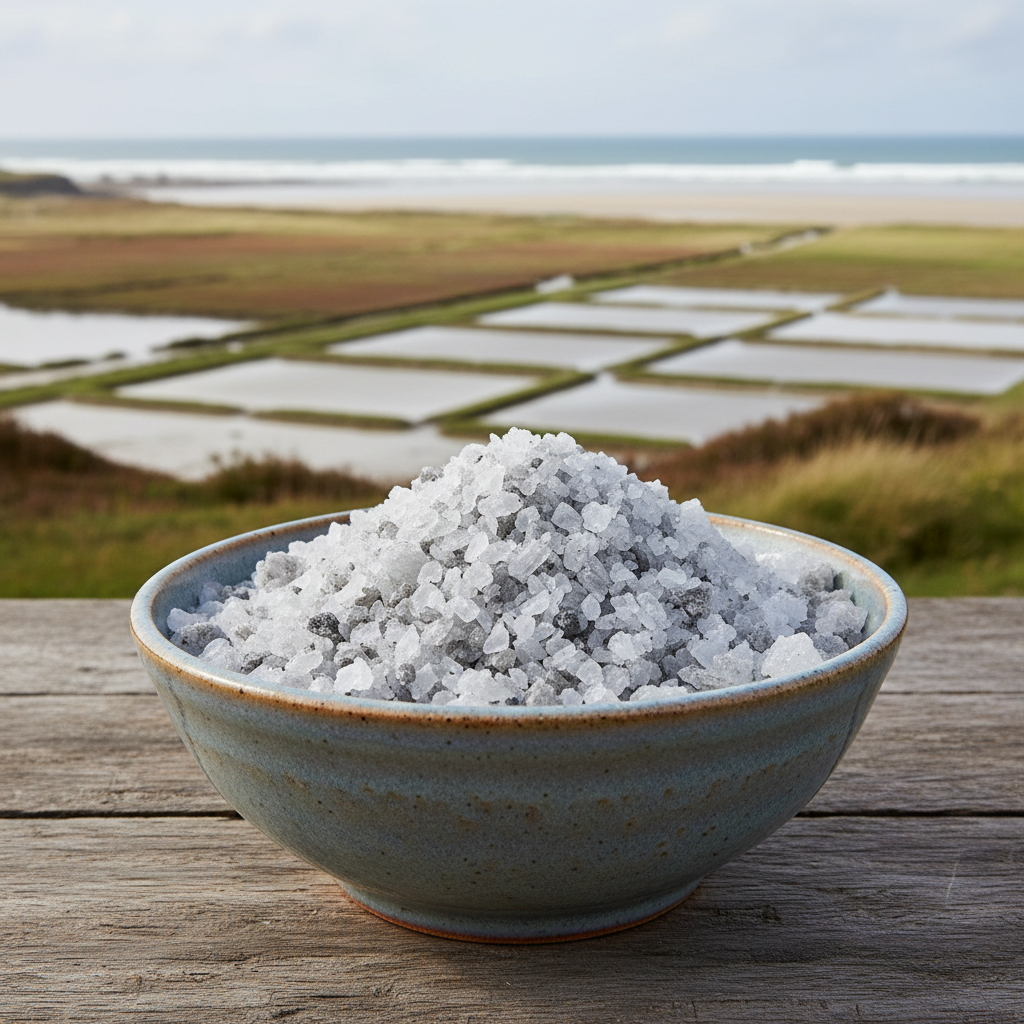
The ritual of starting your morning with Celtic grey salt has quietly evolved from a niche wellness practice into a widely embraced daily habit among health-conscious individuals around the world. At its core, the practice involves consuming a small pinch of authentic, unrefined Celtic grey salt — the kind traditionally harvested by hand from the tidal salt marshes of Guérande in Brittany, France — dissolved in water or placed directly on the tongue first thing in the morning, before food or coffee. This seemingly simple act is rooted in a growing appreciation for mineral-rich, unprocessed foods and the role that trace elements play in how the human body functions from the moment it wakes up. In 2026, as more people turn away from ultra-processed diets and synthetic supplements, authentic Celtic grey salt has emerged as one of the most compelling whole-food mineral sources available.
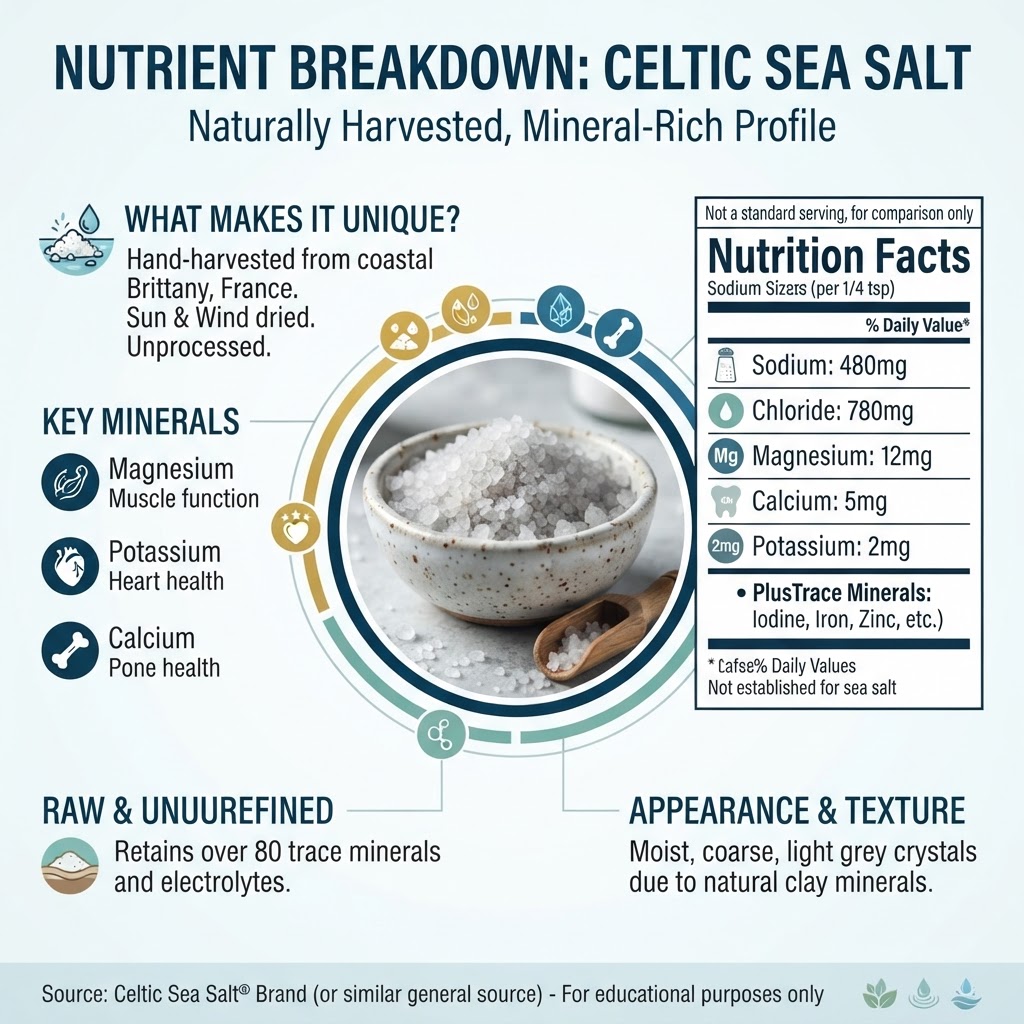
What sets this practice apart from simply adding salt to your breakfast is the timing and the quality of the salt itself. During sleep, the human body continues to perform a remarkable array of restorative functions — cellular repair, hormonal regulation, lymphatic drainage, and neurological consolidation. All of these processes require adequate hydration and electrolyte balance. By the time most people wake up, they have been without water or food for seven to nine hours, leaving the body in a mild state of dehydration and electrolyte depletion. Conventional table salt, stripped of its natural mineral content and treated with anti-caking agents, offers little beyond sodium chloride. Authentic Celtic grey salt from Guérande, by contrast, retains a naturally moist texture and a rich spectrum of over eighty trace minerals, including magnesium, potassium, calcium, zinc, and iodine in their naturally occurring forms. This mineral complexity is precisely what makes it so interesting as a morning ritual ingredient.
The cultural roots of this practice are also worth understanding, because they add depth and credibility to what might otherwise seem like a modern wellness trend. The salt marshes of Guérande have been worked by paludiers — traditional salt farmers — for over a thousand years. The Celtic populations of Brittany understood instinctively that this grey, mineral-laden salt was categorically different from the white, dried salts used elsewhere in Europe. It was prized not just as a food preservative or flavouring agent, but as a substance of genuine nutritional and even medicinal value. Today, that ancient wisdom is being revisited through the lens of modern nutritional science, and what researchers are finding largely supports what generations of Breton salt farmers already knew: not all salt is created equal, and the minerals naturally present in unrefined sea salt matter.
In 2026, the conversation around salt has shifted dramatically. For decades, public health messaging portrayed all dietary salt as essentially the same — a source of sodium to be minimised. That narrative is now being nuanced by researchers and nutrition experts who distinguish sharply between refined industrial sodium chloride and mineral-rich unrefined salts. The morning salt ritual sits squarely at the intersection of this evolving understanding. People are not simply adding more sodium to their diets; they are seeking a more intelligent, mineral-complete form of electrolyte support that works in harmony with the body's natural morning physiology. Whether you are an athlete optimising hydration, a busy professional looking for a clean energy foundation, or simply someone curious about ancestral wellness practices, learning how to take Celtic grey salt in the morning is a worthwhile exploration.
The Complete Guide to Taking Celtic Sea Salt in the Morning
Getting started with a morning Celtic grey salt ritual is straightforward, but doing it thoughtfully and correctly will make a meaningful difference in your experience and results. The most popular method is to dissolve a small pinch — roughly one-eighth to one-quarter of a teaspoon — of authentic Celtic grey salt into a glass of room-temperature or slightly warm filtered water. This is consumed first thing in the morning, ideally before coffee, tea, or food. The warm water helps the minerals dissolve more readily and is gentler on an empty stomach. Some practitioners prefer to use cool water, which is equally effective, though the absorption of certain minerals may be marginally slower. The key principle is consistency: doing this daily, at the same time each morning, is what allows the body to establish a new baseline of mineral availability from the very start of the day.
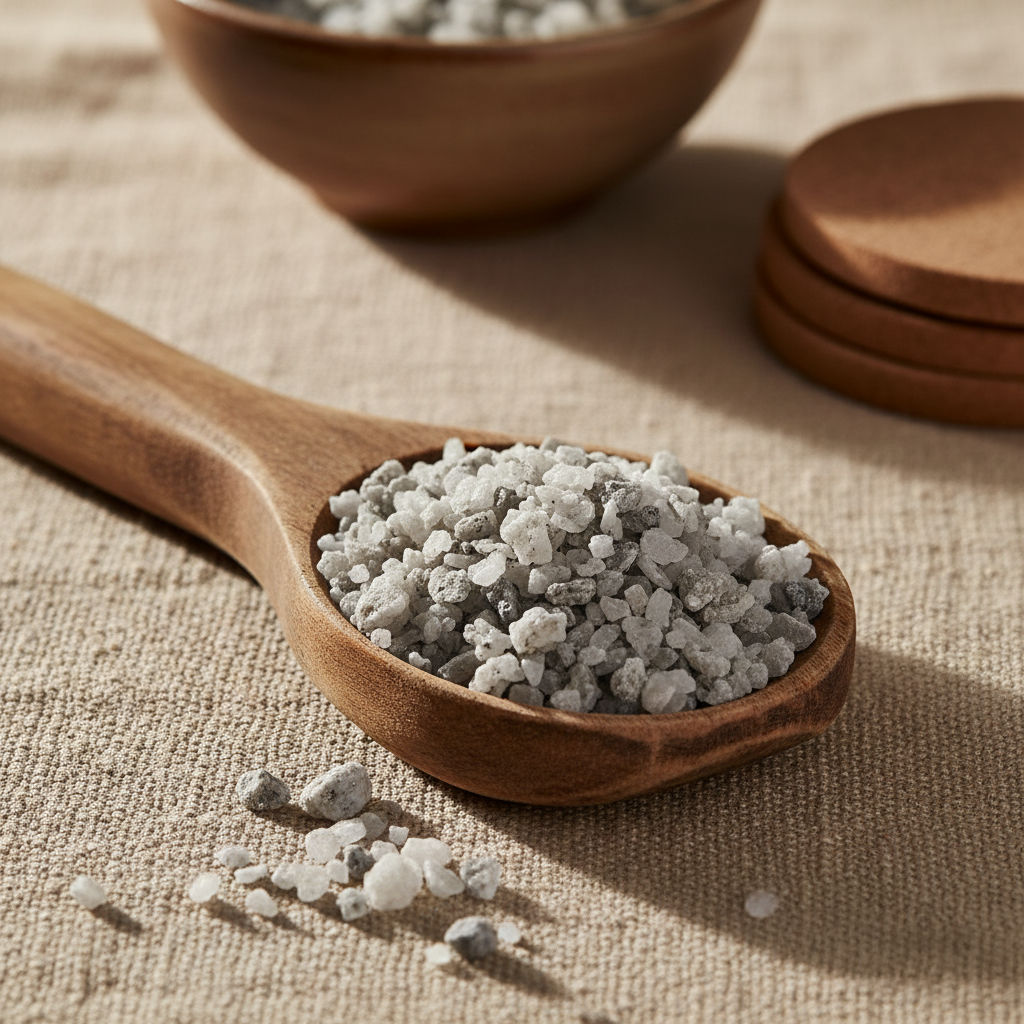
There is also the method of placing a small pinch of Celtic grey salt directly on the tongue and allowing it to dissolve naturally before drinking a full glass of water. This approach is favoured by those who appreciate the direct sensory experience of the salt — its complex, oceanic flavour profile and characteristically moist texture are quite unlike refined salt. The moisture in authentic Guérande grey salt is not a defect; it is a sign of the naturally occurring magnesium chloride and other hygroscopic minerals that give the salt its grey colour and distinguish it from dried, processed varieties. When the salt dissolves on the tongue, the minerals begin to interact with saliva almost immediately, which some proponents believe may support early digestive priming. While this is anecdotal, the experience itself is pleasant and grounding, which is itself a valuable way to begin the day.
Another increasingly popular method involves preparing what is sometimes called a sole solution — a highly saturated salt water mixture kept in a glass jar. To make this, place a generous amount of Celtic grey salt in a glass jar, fill it with filtered water, and allow it to sit overnight. The water will absorb as much salt as it can hold at saturation point. Each morning, one teaspoon of this sole solution is added to a glass of water and consumed. The advantage of this method is precision and convenience — the solution is already prepared, and the daily dose is consistent. It is important to use a non-metallic utensil and a glass or ceramic container, as the minerals in unrefined salt can react with metals over time. This is a particularly popular approach among those who follow structured wellness protocols.
Regardless of which method you choose, there are a few important guidelines to follow. First, always use authentic, unrefined Celtic grey salt from a reputable source — the mineral profile of your salt is the entire basis of this practice. Second, start with a smaller amount and gradually increase if desired; some individuals with salt-sensitive conditions should consult a healthcare provider before beginning. Third, pair your morning salt ritual with adequate water consumption throughout the day, as proper hydration is the foundation upon which the minerals can function effectively. Finally, avoid taking your morning salt alongside caffeinated beverages immediately, as caffeine has mild diuretic effects that can counteract some of the hydration benefits you are seeking. Wait at least twenty to thirty minutes after your salt water before having coffee or strong tea.
Health and Culinary Benefits
The interest in taking Celtic grey salt in the morning is underpinned by a range of well-documented nutritional and physiological considerations, though it is important to approach these with appropriate nuance. Unrefined Celtic grey salt from Guérande contains a naturally diverse mineral profile that standard table salt simply does not offer. Magnesium, one of the most important and commonly deficient minerals in modern diets, is present in meaningful quantities in authentic grey salt. Magnesium plays a role in over three hundred enzymatic reactions in the body, including those related to energy production, muscle function, nerve signalling, and sleep quality. Beginning the day with a source of bioavailable magnesium — in its natural mineral chloride form rather than a synthetic supplement — is a genuinely interesting proposition from a nutritional standpoint.
Electrolyte balance is another central theme in the morning salt ritual conversation. Electrolytes — primarily sodium, potassium, magnesium, and calcium — are electrically charged minerals that govern fluid balance, nerve impulse transmission, and muscle contraction. Athletes, in particular, have long understood the importance of electrolyte management, but the same principles apply to everyone. After a night of fasting and passive fluid loss through respiration and perspiration, the body's electrolyte levels are at their daily low point in the morning. A small amount of mineral-rich Celtic grey salt in water provides a gentle, natural electrolyte boost that can support morning energy levels, mental clarity, and physical readiness without any artificial additives or sweeteners. This is a particularly compelling alternative to commercial electrolyte drinks, which often contain refined salts, sugars, and synthetic additives.
From a culinary perspective, Celtic grey salt has an entirely different character from refined table salt. Its flavour is complex, briny, and subtly sweet, with a mineral depth that reflects the living ecosystem of the Guérande salt marshes. When dissolved in water for morning consumption, it imparts a mild, oceanic taste that many people find surprisingly pleasant. The moisture content of the salt means it dissolves beautifully and distributes evenly in liquid. For those who incorporate it into morning meals — sprinkled on eggs, stirred into porridge, or used to season avocado toast — the flavour enhancement is immediately noticeable. The larger grain size of traditional Celtic grey salt makes it ideal for finishing dishes, where its texture and mineral intensity can be appreciated fully. Discover how to use Celtic grey salt in everyday cooking for more inspiration on incorporating this remarkable ingredient into your daily meals.
It is essential to note that while the nutritional properties of unrefined Celtic grey salt are genuinely interesting, no responsible source should make specific medical claims about what salt consumption will treat, cure, or prevent. What can be said with confidence is that the mineral complexity of authentic Guérande grey salt makes it nutritionally superior to refined table salt, and that beginning the day with a small amount dissolved in water is a simple, low-cost, and pleasant way to support your body's morning transition from rest to activity. Many people report subjective improvements in energy, hydration sensation, and digestive comfort when they adopt this practice consistently, though individual experiences vary.
How to Use Celtic Sea Salt in the Morning — Expert Tips
The difference between a morning salt ritual that feels transformative and one that feels like a chore lies almost entirely in the details of how you approach it. Here are expert-level tips drawn from the traditions of Guérande salt culture and contemporary wellness practice that will help you get the most from your morning routine.
Tip 1: Use the right amount. More is not better when it comes to morning salt consumption. The goal is to provide a gentle mineral boost, not to dramatically increase your overall sodium intake. A pinch — defined as roughly one-eighth of a teaspoon — is the standard starting point. This provides a small but meaningful dose of trace minerals without pushing your daily sodium intake beyond appropriate levels. If you are already consuming salt throughout the day in your food, factor that into your overall intake. The morning ritual is a supplement to good dietary habits, not a replacement for them.
Tip 2: Temperature matters. Room-temperature or slightly warm filtered water is ideal for your morning salt solution. Cold water can be a mild shock to a digestive system that is just waking up, and very hot water is unnecessary and potentially less pleasant. Many practitioners find that warming the water to roughly the temperature of a comfortable bath — around 37 to 40 degrees Celsius — creates the most agreeable experience and supports gentle digestive activation. If you enjoy the ritual aspect of this practice, heating the water intentionally and taking a moment to dissolve your salt before drinking becomes a mindful, meditative act that sets a calm, intentional tone for the day.
Tip 3: Source matters enormously. The entire premise of this practice rests on the mineral richness of authentic, unrefined Celtic grey salt. If you use a highly refined, bleached white salt labelled as "sea salt," you are missing the point entirely. Authentic Celtic grey salt from Guérande should be visibly grey, naturally moist to the touch, and have a complex, oceanic aroma when you open the container. It should not be stark white, perfectly dry, or odourless. Learn how to identify authentic Celtic grey salt and avoid common imitations that do not deliver the same mineral profile.
Tip 4: Combine with lemon if desired. A popular enhancement to the morning salt water ritual is the addition of fresh lemon juice. A squeeze of half a lemon into your salt water glass adds vitamin C, supports gentle liver function in the morning, and creates a pleasantly tart flavour that many people find invigorating. The combination of electrolytes from the salt and the alkalising effect of lemon juice is a staple of many structured morning wellness protocols. It is also simply a delicious and refreshing way to begin the day.