🚚 International delivery included in displayed prices · Shop Now →
GuideSeptember 23, 2026· by Celtic Salt Editorial Team
How Is Celtic Sea Salt Made? The Ultimate Artisanal Guide
The Ancient Art: How Is Celtic Sea Salt Made?
The journey of genuine salt begins not in a factory, but within the meticulously managed salt marshes of the Guérande peninsula in France. Understanding how is Celtic sea salt made requires an appreciation for a tradition that has remained virtually unchanged for over a thousand years. This process is a harmonious dance between the Atlantic Ocean, the relentless coastal winds, the summer sun, and the expert hands of the 'paludiers'—the traditional salt farmers.
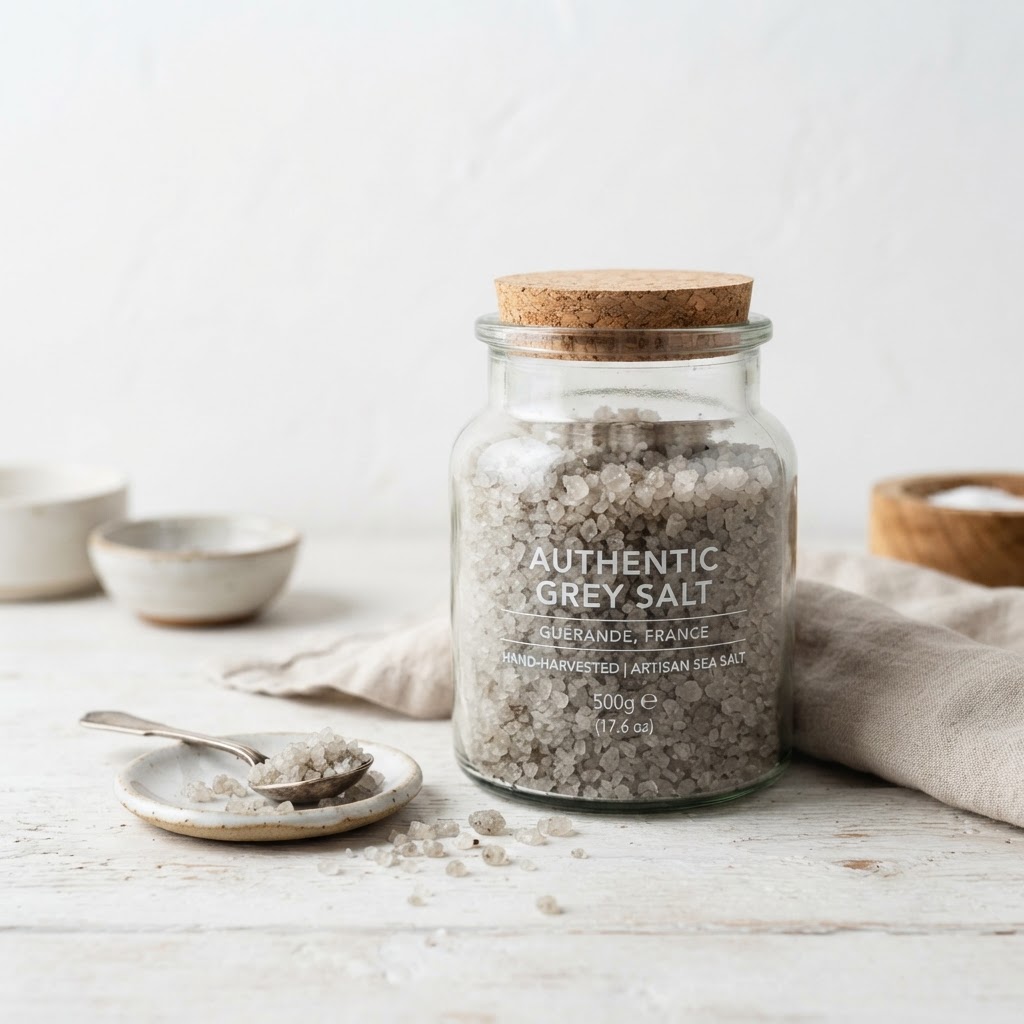
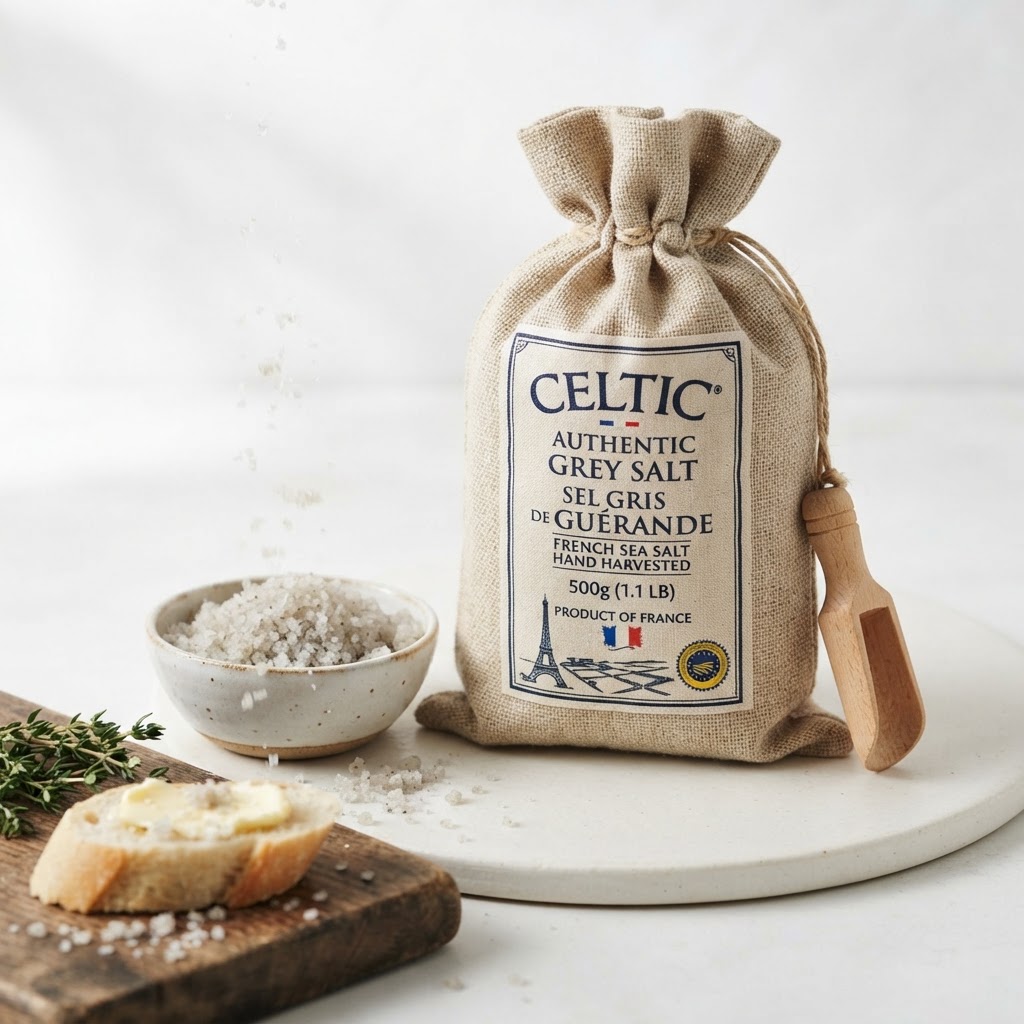
The production cycle starts in the spring, when the paludiers prepare the intricate network of clay-lined channels and reservoirs, known as 'oeillets'. Seawater is carefully channeled from the ocean into these basins. As the water moves through the series of clay reservoirs, it undergoes a natural concentration process driven by evaporation. The clay lining is essential; it is not merely a container, but a living component that mineralizes the brine, giving Celtic salt its distinct character. As the water evaporates, the salinity increases, eventually reaching a state of saturation. By late summer, the concentration of salt becomes high enough for crystallization. Unlike mass-produced industrial salt, Celtic salt is never subjected to high-heat kiln drying, mechanical refining, or chemical bleaching. Instead, it is raked by hand, preserving its natural moisture, trace minerals, and delicate grey hue. This grey color is a hallmark of authenticity, signifying that the salt has been harvested in direct contact with the mineral-rich clay beds of the Guérande marshes. When you choose our Celtic Authentic Grey Salt – 500g ($79.99), you are tasting the culmination of this slow, intentional, and artisanal process.
Why the Distinction Matters: Understanding Your Salt
In a world dominated by ultra-processed food additives, the source and method of salt production have never been more relevant to the culinary enthusiast. Many consumers are often confused by the varying grades and types of salt available. The fundamental difference lies in the level of intervention. Most standard salts undergo intense chemical processing to achieve a uniform, white, free-flowing crystal. This stripping process removes the trace minerals that provide depth of flavor. In contrast, artisanal harvesting methods prioritize the preservation of the raw, earth-given elements. When we discuss Celtic Seasalt, we are discussing a product that has been handled with respect for its origin.
Why does this comparison matter for your kitchen? Because salt is the primary flavor enhancer for every meal you cook. Using a refined, chemically treated salt is like painting with a limited, muted palette. Authentic, mineral-rich salt offers complexity that evolves on the palate. Furthermore, the texture of hand-harvested grey salt is distinct; it is moist, slightly crunchy, and dissolves in a way that integrates perfectly with ingredients. By understanding the provenance of your salt, you transition from being a passive consumer to an informed epicurean. Whether you are interested in the practice of Putting Salt Under Your Tongue or simply looking to elevate a roasted vegetable dish, the quality of the raw material is paramount. Our commitment to the IGP Guérande standards ensures that every bag of Celtic Authentic Grey Salt – 500g ($79.99) delivers the unadulterated essence of the French coast directly to your table.
Key Differences: Industrial vs. Artisanal Harvesting
To grasp the magnitude of the difference, we must look at how standard salt production contrasts with the traditional marsh-harvesting method. Industrial salt production often utilizes boreholes or large-scale evaporation ponds where brine is pumped through pipes and treated with anti-caking agents to ensure a shelf-stable, pourable product. This process is designed for speed and scale, not for flavor or mineral content.
Feature
Celtic Authentic Grey Salt
Industrial Table Salt
Harvest Method
Hand-raked from clay beds
Mechanically extracted/drilled
Processing
Sun and wind dried
Refined and heat-treated
Mineral Content
Rich in naturally occurring trace minerals
Stripped/Synthetic additives
Additives
None (Pure)
Anti-caking agents/Iodine added
Texture
Moist, coarse crystals
Dry, uniform, fine granules
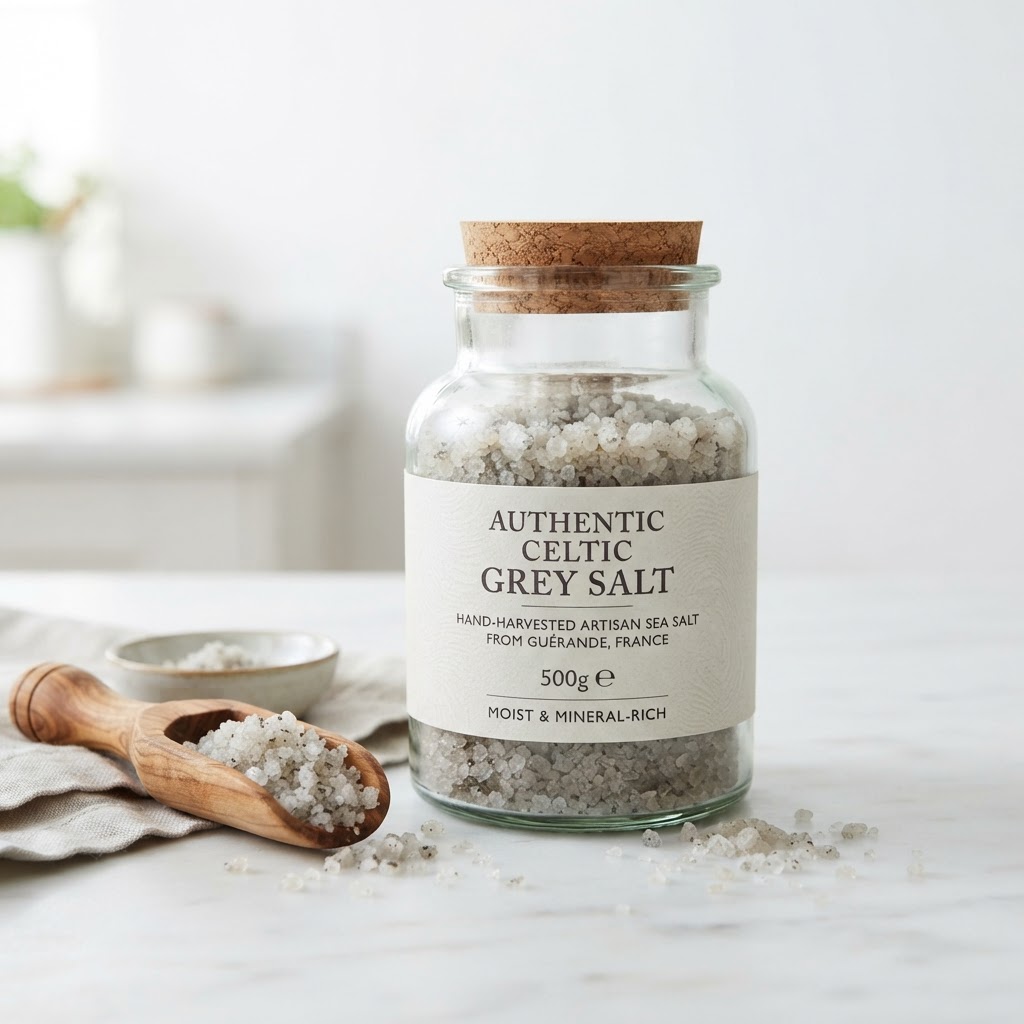
As illustrated in the table, the disparity is stark. The artisanal method used for Celtic salt preserves the integrity of the mineral structure. When you examine our Celtic Authentic Grey Salt – 500g ($79.99), you notice a slightly damp texture and a soft grey color. This is not dirt; it is the mineral-dense clay that gives our salt its superior depth. Industrial salt lacks these characteristics, often leaving a harsh, one-dimensional salty taste on the tongue. By prioritizing the artisanal method, we maintain the integrity of the ecosystem as well, supporting the traditional practices of the paludiers who have protected the Guérande region for centuries.
Advantages of Celtic Sea Salt
The primary advantage of opting for authentic Celtic salt is the flavor profile. Because it is harvested from the sea and dried using natural evaporation, it retains a vast array of trace elements that are usually removed from commercial alternatives. These minerals are not just fillers; they act as flavor catalysts, rounding out the sharpness of the sodium and adding a subtle, briny sweetness that highlights the natural notes in fresh food. This is often discussed when exploring Sel Gris Salt Benefits, where chefs note that this salt changes how the tongue perceives bitterness and acidity in vegetables and meats.
Beyond the palate, there is the advantage of culinary versatility. The moisture content in Celtic salt makes it an excellent choice for finishing dishes. It clings to surfaces, provides a satisfying crunch, and dissolves slowly, creating tiny bursts of salinity throughout a bite. It is also highly sought after by home cooks who prefer natural ingredients without hidden anti-caking chemicals or bleaching agents. Our Celtic Authentic Grey Salt – 500g ($79.99) is a staple for those who value authenticity. It represents a return to basics, where the product is simply the salt, the clay, and the sea. When you incorporate this into your cooking, you are using the same salt profile found in the most prestigious kitchens in France, where the philosophy is to let the quality of the ingredient speak for itself.
⭐ IGP Certified — Guérande, France
Celtic Authentic Grey Salt – 500g
Hand-harvested · trace-mineral content that can vary by harvest · No additives
$79.99$114.99
Free shipping — standard tracked delivery included
Ships from France · Worldwide delivery · 30-day return guarantee
When to Use: A Practical Guide
Understanding the proper application of Celtic salt is key to maximizing its culinary impact. While industrial salt is fine for basic boiling water for pasta, Celtic salt is a transformative element when used as a finishing or cooking salt for high-quality proteins and produce. For example, when searing a premium cut of grass-fed beef or grilling seasonal asparagus, a generous pinch of Celtic Authentic Grey Salt – 500g ($79.99) elevates the ingredients. The coarse, moist texture allows the salt to adhere to the food, providing a consistent seasoning experience.
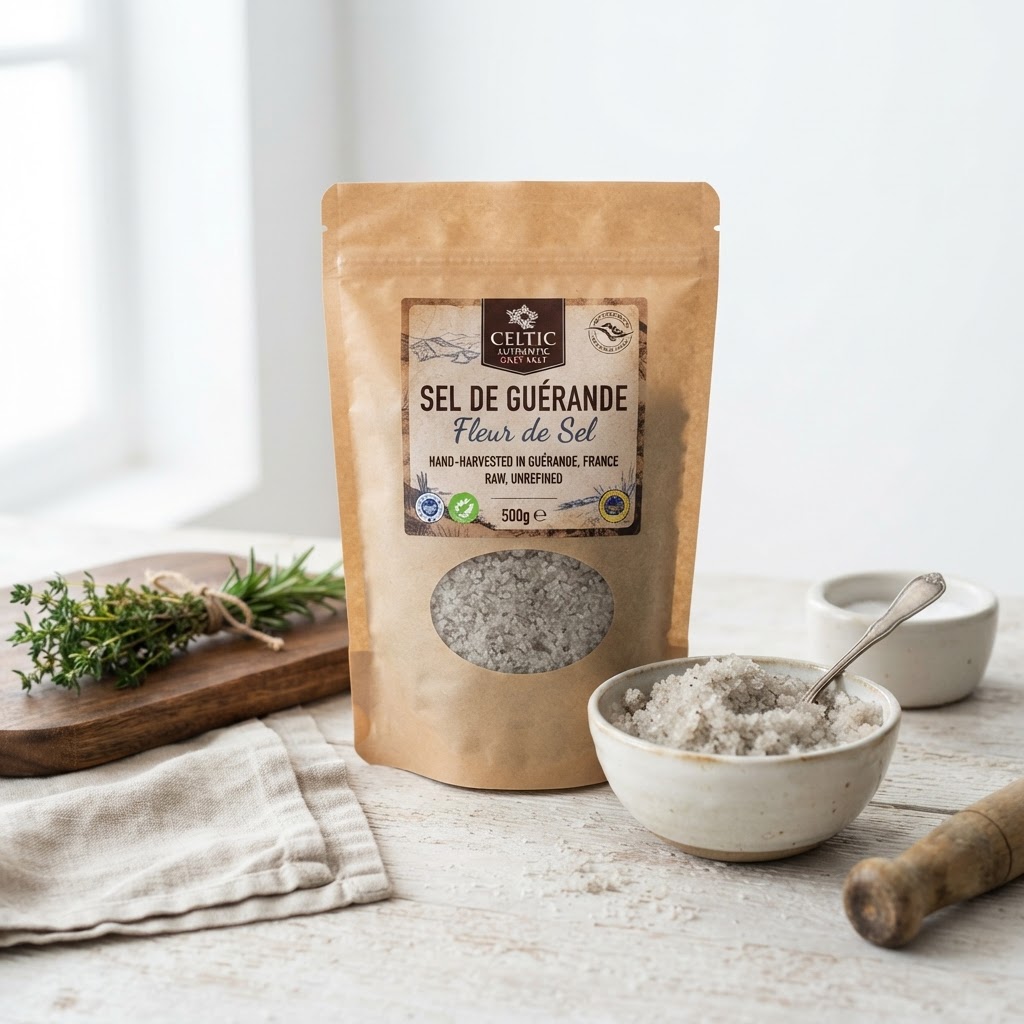
We recommend keeping your Celtic salt in a small wooden bowl or a ceramic salt cellar near your stove. Because it is a premium product, use it in ways where its unique mineral character can shine. Use it to finish a crisp salad, to season a piece of wild-caught salmon, or even as a surprising addition to dark chocolate desserts. Its ability to balance flavors makes it an indispensable tool for baking as well—a small amount on top of homemade cookies or caramel can create a profound contrast. By using the salt at the right time—usually during or just after the cooking process—you allow the minerals to integrate with the natural juices of the food. Avoid using high-heat methods for prolonged periods if you want to preserve the delicate structure of the larger crystals; instead, add them toward the end for the best results.
Value Analysis: Quality Over Quantity
When considering the price of premium ingredients, it is vital to perform a value analysis. While a generic container of processed salt might be cheaper at the checkout, it lacks the history, the labor-intensive production, and the mineral complexity of Celtic sea salt. The price of our Celtic Authentic Grey Salt – 500g ($79.99) reflects the artisanal reality of its production: the protection of the environment, the fair wages for the paludiers, and the commitment to zero-chemical processing.
Think of salt as a pantry investment. You use it in almost every meal you prepare. By upgrading your salt, you are upgrading every single dish in your repertoire. For the price of a mid-range bottle of wine, you receive a product that will last for months and consistently improve the quality of your home-cooked meals. In terms of value, you are paying for purity. You are paying for the absence of synthetic additives and for the peace of mind that comes with knowing exactly how your food is sourced. As we look ahead to 2026, the shift toward clean-label, artisanally crafted pantry staples continues to grow. Our customers understand that true value is found in the quality of the ingredient and the integrity of the brand. Choosing Celtic Authentic Grey Salt – 500g ($79.99) is a decision to prioritize quality, tradition, and superior culinary outcomes.
Is Celtic salt the same as regular table salt?
No, they are vastly different. Celtic salt is harvested by hand from clay-lined marshes, retaining natural trace minerals and moisture, whereas regular table salt is highly processed, bleached, and stripped of minerals.
Why does my Celtic salt look grey and moist?
The grey color is a result of the salt crystalizing in direct contact with the mineral-rich clay of the Guérande salt marshes. The moisture is natural, as we do not use kiln-drying or anti-caking agents that would otherwise dry the salt out.
How should I store my Celtic Authentic Grey Salt?
We recommend storing the salt in a cool, dry place inside a ceramic or wooden salt cellar. Because it is naturally moist, it is best kept in a container that allows the salt to breathe, avoiding airtight plastic bags which can trap excess moisture.
Is this salt suitable for everyday cooking?
Absolutely. While it is a premium product, it is perfect for everyday seasoning. Its unique mineral composition enhances the flavor of vegetables, meats, and baked goods, making it a versatile staple in any kitchen.
How does the IGP Guérande certification affect the salt?
The IGP (Indication Géographique Protégée) label guarantees that the salt is produced in the specific Guérande region using traditional, sustainable harvesting methods. It ensures you are receiving an authentic, protected product rather than an imitation.
Ready to taste the difference?
Celtic Authentic Grey Salt – 500g — Hand-harvested · trace-mineral content that can vary by harvest · No additives