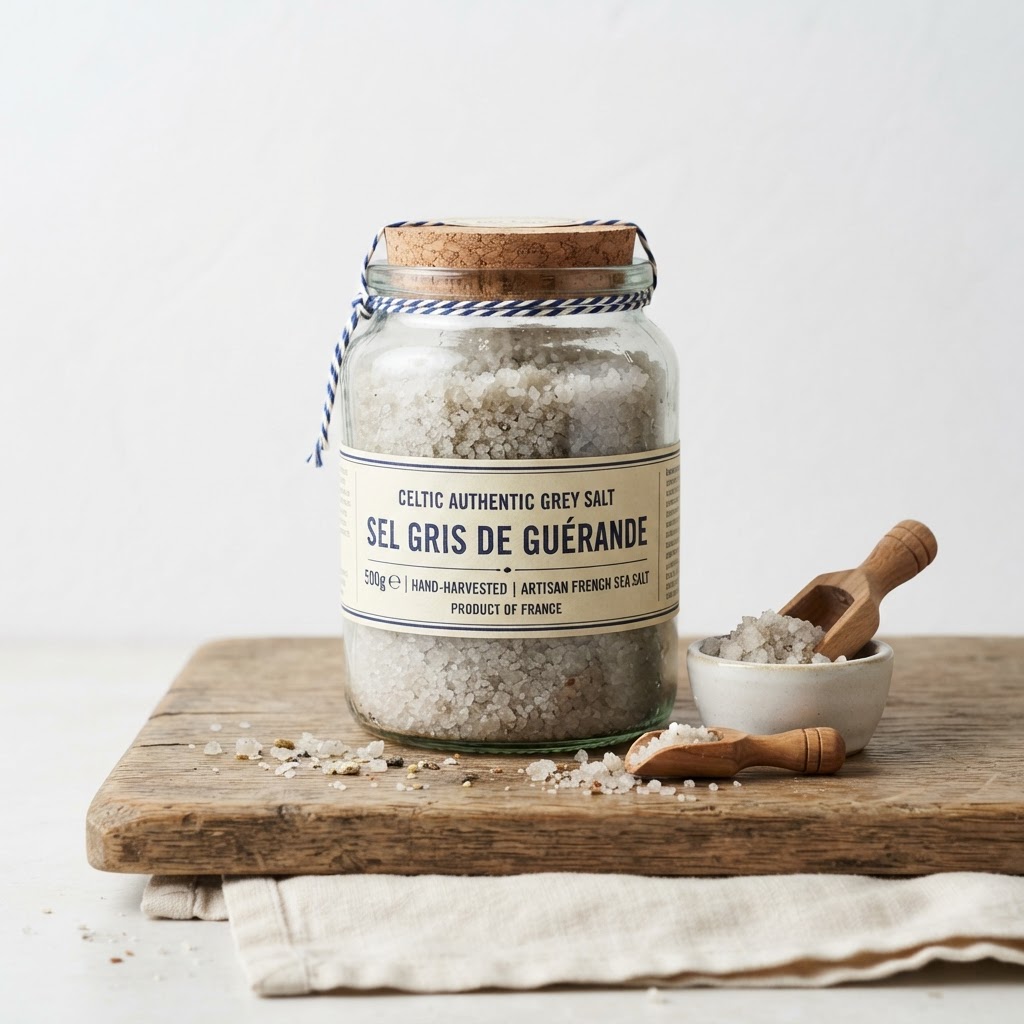
Hand-harvested Guérande salt · Tracked international delivery included
GuideNovember 25, 2026· by Celtic Salt Editorial Team
Celtic Salt vs Table Salt: A Comprehensive Mineral Comparison
The Importance of Choosing Your Salt: Understanding the Spectrum
In the culinary world, salt is often treated as a monolith—a simple white crystal used to enhance flavor. However, for the discerning home chef and the health-conscious consumer in 2026, the distinction between various types of salt is more significant than ever. The choice of salt can fundamentally alter the flavor profile of a dish, its texture, and the mineral composition that you introduce to your diet. When we talk about high-quality harvesting techniques, we are discussing the preservation of the earth's natural balance. Understanding why this comparison matters begins with acknowledging the difference between processed, refined salts and raw, hand-harvested sea salt.
The typical table salt found on most grocery shelves has undergone extensive industrial refining. This process often involves stripping away naturally occurring minerals to achieve a uniform white color and a fine texture that prevents clumping. Conversely, Celtic salt is harvested using traditional methods that have remained unchanged for centuries. By prioritizing minimally processed options, consumers are not just selecting a seasoning; they are choosing a product that reflects the terroir of the Guérande region of France. When comparing these options, we look at mineral bioavailability, harvesting practices, and the impact of the final product on the palate. Whether you are wondering Does Celtic Sea Salt Have Sodium, or simply looking to elevate your everyday cooking, understanding the source of your seasoning is the first step toward a more intentional approach to nourishment and flavor.
Key Differences: Celtic Salt vs. Refined Table Salt
The differences between Celtic Authentic Grey Salt and standard refined salts are rooted in their origin, their processing, and their physical attributes. While one is a testament to sustainable, ancient coastal harvesting, the other is a product of modern industrial chemistry. This table outlines the primary differences you need to be aware of when selecting your kitchen staples.
Feature
Celtic Authentic Grey Salt
Refined Table Salt
Harvesting Method
Hand-harvested via traditional Celtic methods
Mechanical/Industrial evaporation
Mineral Content
Rich in magnesium, calcium, and trace minerals
Stripped; mostly sodium chloride
Texture
Moist, coarse, and irregular crystals
Uniform, fine, and free-flowing
Processing
Minimal; raw and unrefined
Bleached and chemically treated
Flavor Profile
Complex, briny, and savory
One-dimensional, purely salty
As indicated in the table, the composition of Celtic salt remains intact, retaining the trace minerals present in the Atlantic seawater from which it is harvested. These minerals contribute to the characteristic grey hue, which signifies its authenticity and mineral density. In contrast, refined salt is often subjected to anti-caking agents and bleaching processes to ensure that every grain is identical in shape and color. This standardization might be convenient for high-speed manufacturing, but it leaves much to be desired for the culinary enthusiast seeking depth and complexity in their food preparation. Choosing the right salt is an exercise in valuing the integrity of ingredients over the convenience of mass production.
The Unique Advantages of Celtic Authentic Grey Salt
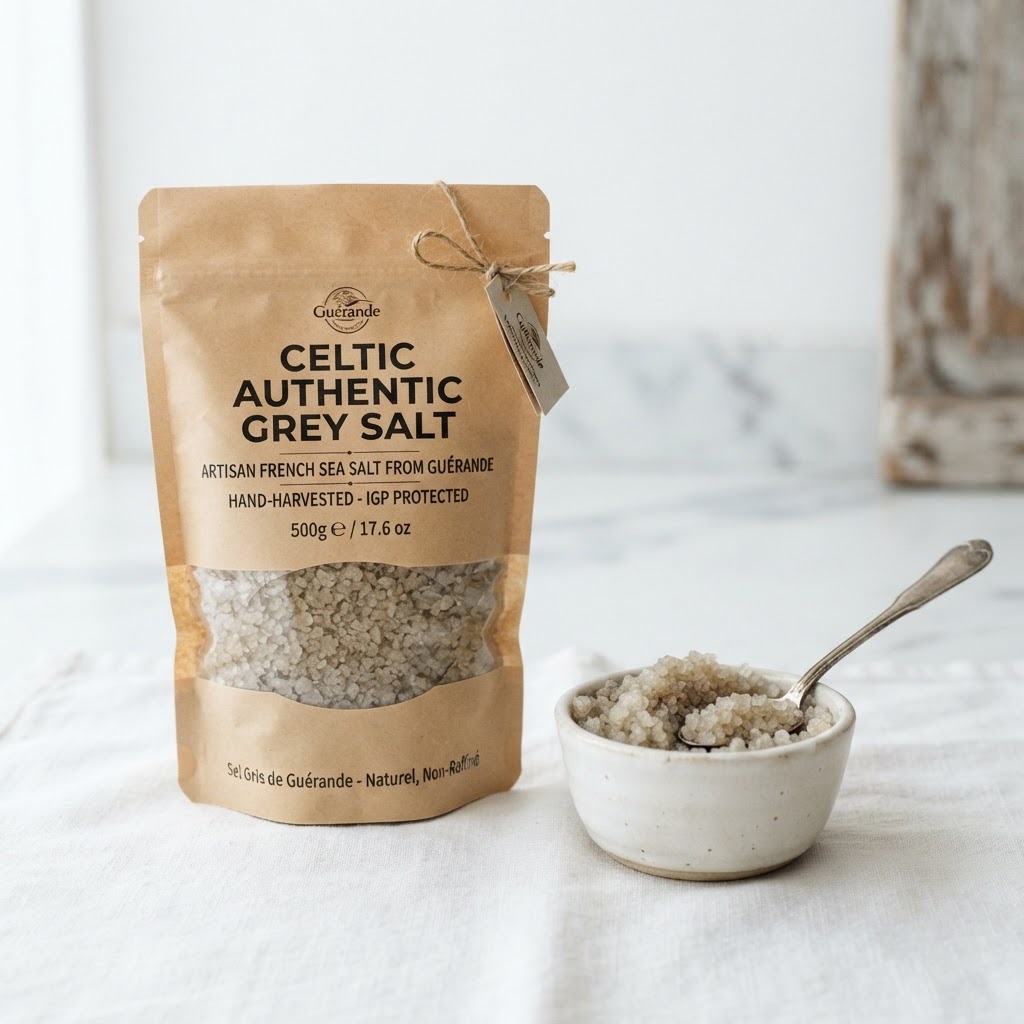
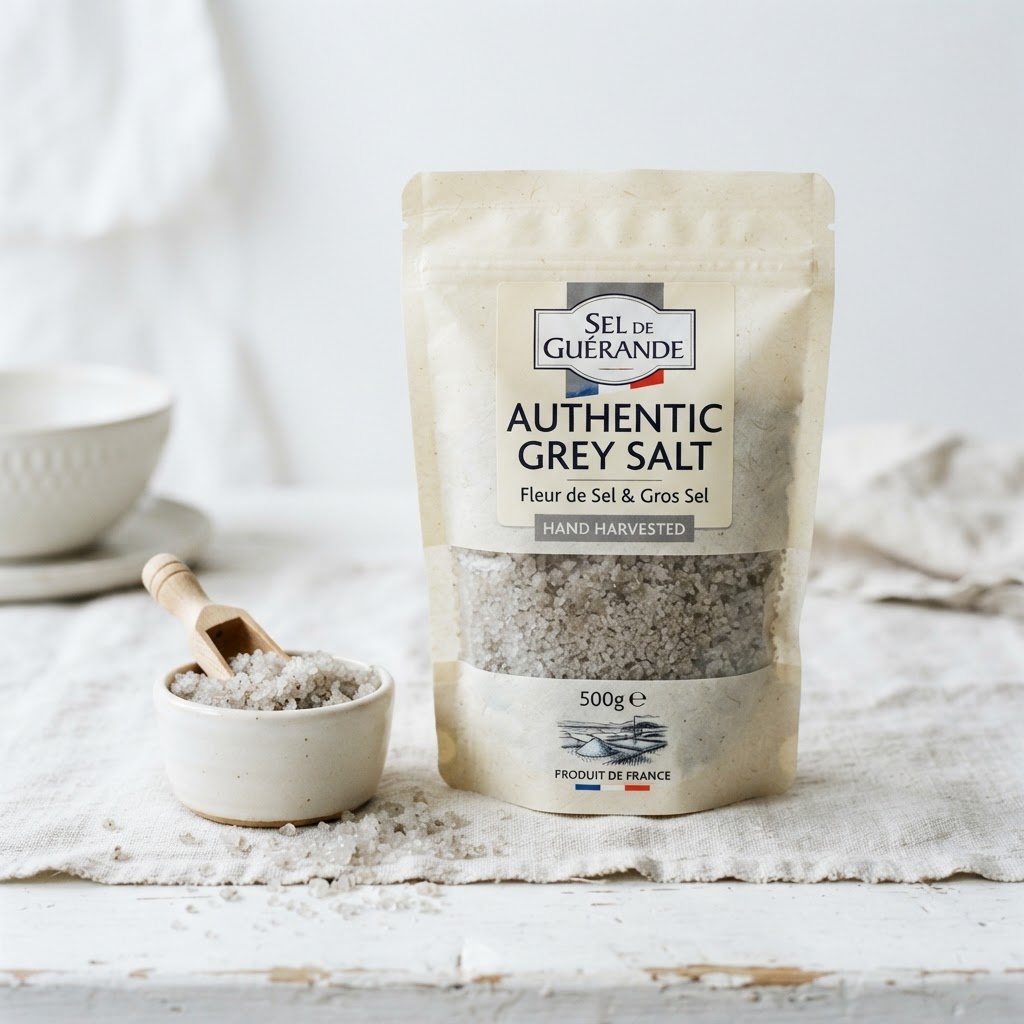
The primary advantage of choosing Celtic Authentic Grey Salt – 500g ($79.99) lies in its mineral profile and its natural moisture content. Unlike dry, refined salts, this premium French salt retains the seawater's original mineral balance, including essential electrolytes that are often discarded during the refining process. When you use this salt in your kitchen, you are introducing a subtle, earth-derived complexity that enhances rather than just masking the flavors of your ingredients. This makes it an ideal choice for finishing dishes where the quality of every component truly matters.
Furthermore, the physical texture of the salt—often associated with Grey Rock Salt variations—allows it to cling to food surfaces effectively. This provides a superior mouthfeel and a lingering taste that refined salts simply cannot replicate. Because it is hand-harvested in the Guérande region, every batch reflects the pristine conditions of the salt marshes. The commitment to traditional IGP (Indication Géographique Protégée) standards ensures that the product you receive is not just a salt, but a piece of French culinary heritage. This dedication to quality ensures that the product you are using is free from the synthetic additives often found in standard commercial varieties. Whether you are seasoning a light salad, a complex stew, or a premium cut of meat, the advantages are clear: you are using a product that respects nature, tradition, and the art of fine dining.
Cooking with Celtic Salt: Culinary Applications and Tips
Knowing when to use specific salts is a hallmark of an experienced cook. Because Celtic salt carries such a nuanced flavor, it is best utilized in applications where it can shine. When preparing a high-quality protein, consider the specific needs of the cut. For instance, if you are searching for Whats The Best Salt For Steak, the answer consistently leads back to a coarse-grained salt that can crust and season evenly. Celtic salt is perfect for this, as the moisture and mineral content help in creating a flavorful, caramelized crust on the exterior of the steak during the searing process.
Beyond steak, consider the role of Celtic salt in your daily baking and vegetable preparation. When roasting vegetables, a light dusting of this salt helps draw out the natural sweetness of the produce, creating a balanced and savory result. It is also excellent for finishing cooked grains, where its slight briny quality complements the earthiness of ingredients like quinoa, farro, or wild rice. Unlike fine table salt, which can easily lead to over-seasoning, the slightly larger crystals of Celtic salt allow for more controlled application. You can feel the salt between your fingers, providing a tactile experience that helps you gauge the exact amount needed for your dish. This level of sensory connection to your cooking ensures that you are constantly refining your palate and improving your results, making it an indispensable tool in any kitchen.
⭐ IGP Certified — Guérande, France
Celtic Authentic Grey Salt – 500g
Hand-harvested · trace minerals whose levels vary by harvest and product · No additives
$79.99$114.99
Free shipping — standard tracked delivery included
Ships from France · Worldwide delivery · 30-day return guarantee
Value Analysis: Quality, Integrity, and Investment
When looking at the price point of Celtic Authentic Grey Salt – 500g ($79.99), it is important to contextualize this not as an everyday commodity expenditure, but as a culinary investment. The value of this salt is found in the labor-intensive process required to bring it to your table. Unlike industrial salt that is pumped and evaporated by machines in a matter of hours, Celtic salt is the result of seasons of patient waiting, utilizing wind and solar evaporation to slowly concentrate the brine. This process respects the environment and preserves the integrity of the natural minerals within each grain.
When you invest in a 500g bag of this product, you are paying for the expertise of master salt harvesters in Guérande. You are paying for a product that has been handled with care throughout every stage of its production. In the context of a healthy diet, the cost per serving is negligible, yet the impact on the flavor of your home-cooked meals is profound. If you were to calculate the cost of high-quality dining, you would quickly realize that the cost of home cooking—when done with the right ingredients—is a fraction of the price of eating out, while providing significantly more control over the quality and health profile of your food. Investing in premium salt is an acknowledgement that seasoning is not merely an afterthought, but the foundation of culinary excellence.
Expert Recommendation: Integrating Celtic Salt into Your Routine
As the Celtic Salt Editorial Team, our recommendation for 2026 is to move away from the habit of using generic, heavily processed salt for all your cooking needs. Instead, adopt a tiered approach to seasoning. Keep a container of Celtic Authentic Grey Salt on your counter, easily accessible for daily tasks such as finishing dishes, seasoning meats, and adding that final touch of complexity to soups and stews. Because this salt has a higher mineral density, you will find that a little goes a long way, both in terms of flavor and satisfaction.
We also encourage you to experiment with temperature and timing. Because Celtic salt is unrefined, it retains a moisture content that makes it distinct. Use it to salt your water for boiling pasta or blanching vegetables; the trace minerals add a subtle depth that refined salt lacks. For those who enjoy fermenting their own vegetables, this salt is the gold standard, providing the necessary mineral components to support traditional preservation methods. By integrating this premium salt into your routine, you are not just seasoning your food; you are elevating your entire culinary philosophy. Your body and your palate will notice the difference that comes from choosing a product that values quality over industrial convenience. Embrace the ritual of the Guérande harvest, and let your cooking reflect a commitment to purity and excellence.
Frequently Asked Questions
Why does Celtic Authentic Grey Salt appear damp?
The moisture in Celtic salt is a sign of its natural mineral content and lack of industrial drying agents. This moisture helps the salt retain the trace minerals that define its quality and complex flavor.
Is Celtic Authentic Grey Salt suitable for daily seasoning?
Yes, it is excellent for everyday use. Its mineral-rich profile makes it a superior alternative to refined table salt for both finishing dishes and general cooking applications.
How should I store my 500g bag of Celtic salt?
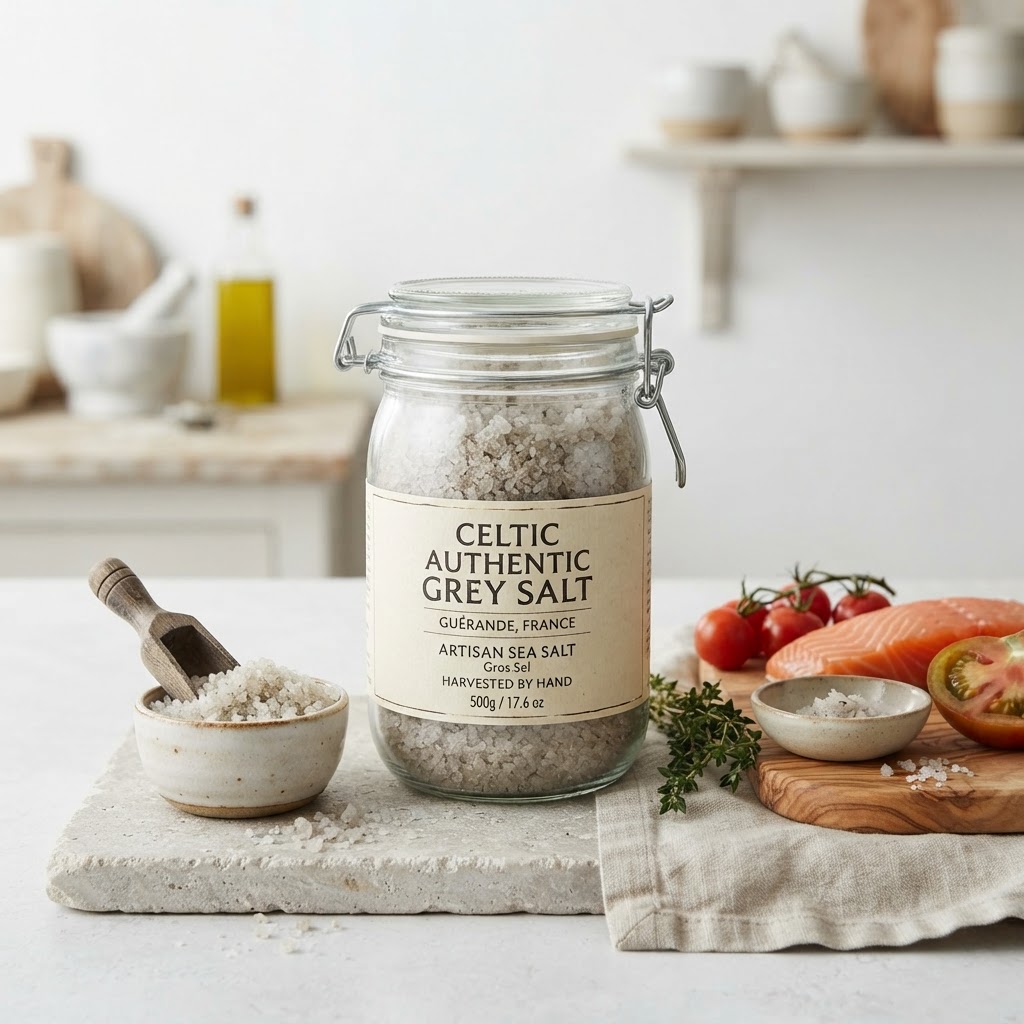
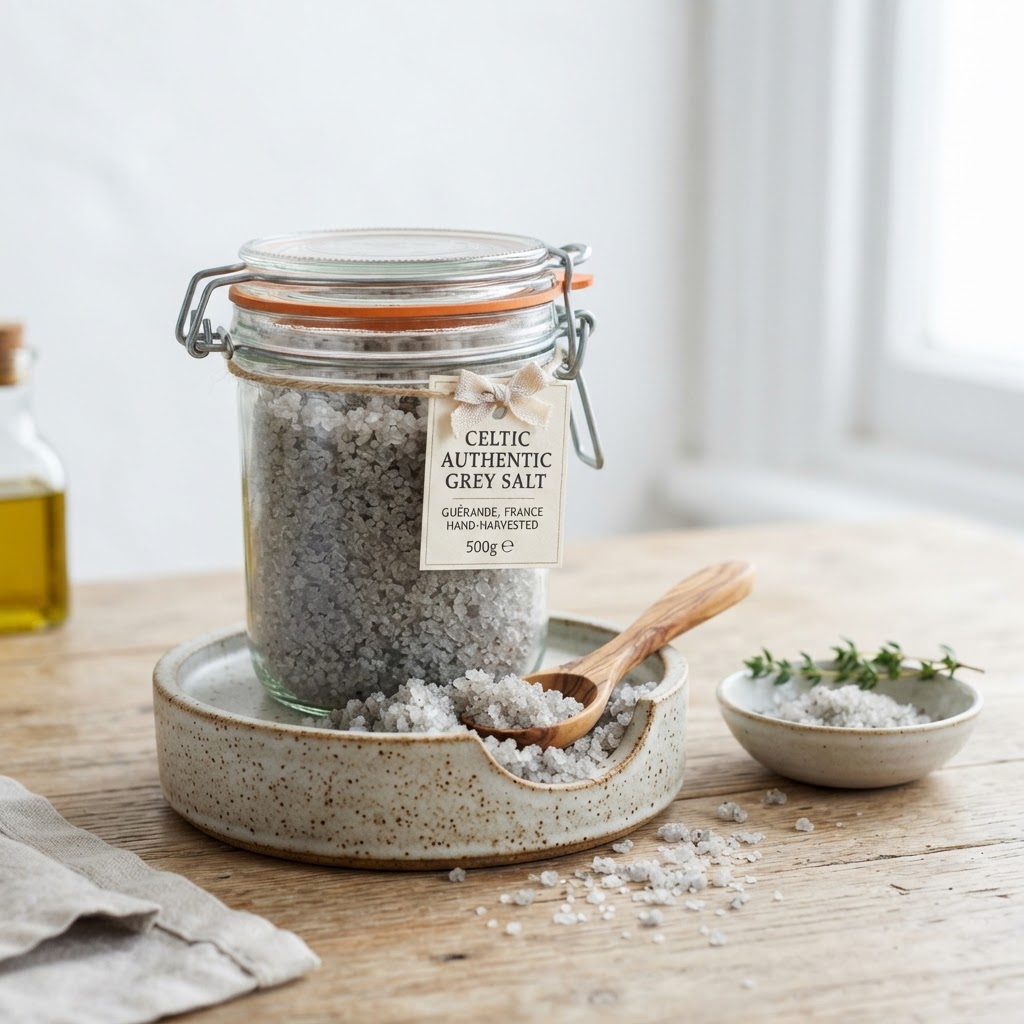
Store it in a cool, dry place in a glass or ceramic container with a lid. Due to its natural moisture, it is best kept in an airtight container to maintain its texture and quality.
Can I use this salt in my salt grinder?
Because Celtic Authentic Grey Salt has a slightly moist texture, it is best used as a finishing salt or sprinkled by hand. If you prefer a grinder, ensure it is specifically designed for moist or coarse salts.
What gives this salt its characteristic grey color?
The iconic grey color comes from the minerals found in the clay-lined salt marshes of the Guérande region. This is a mark of its authenticity and reflects its natural, unrefined state.
Ready to taste the difference?
Celtic Authentic Grey Salt – 500g — Hand-harvested · trace minerals whose levels vary by harvest and product · No additives