Hand-harvested Guérande salt · Tracked international delivery included
GuideNovember 24, 2026· by Celtic Salt Editorial Team
What's the Best Salt for Steak? A Guide to Premium Finishing
The Science of Seasoning: Why Your Choice of Salt Matters
For home chefs and professional cooks alike, the steak is the ultimate litmus test of skill. While the quality of the beef, the precision of the temperature, and the method of searing are all critical, one component is often overlooked: the salt. Many people treat salt as a commodity, but when you are searing a premium cut of dry-aged ribeye or a succulent filet mignon, the crystalline structure and mineral composition of your seasoning change everything. Using the wrong salt can lead to an overly sharp, metallic bite that masks the delicate umami notes of the meat. This is why culinary experts favor a salt that offers complexity and texture, rather than a one-dimensional saltiness.
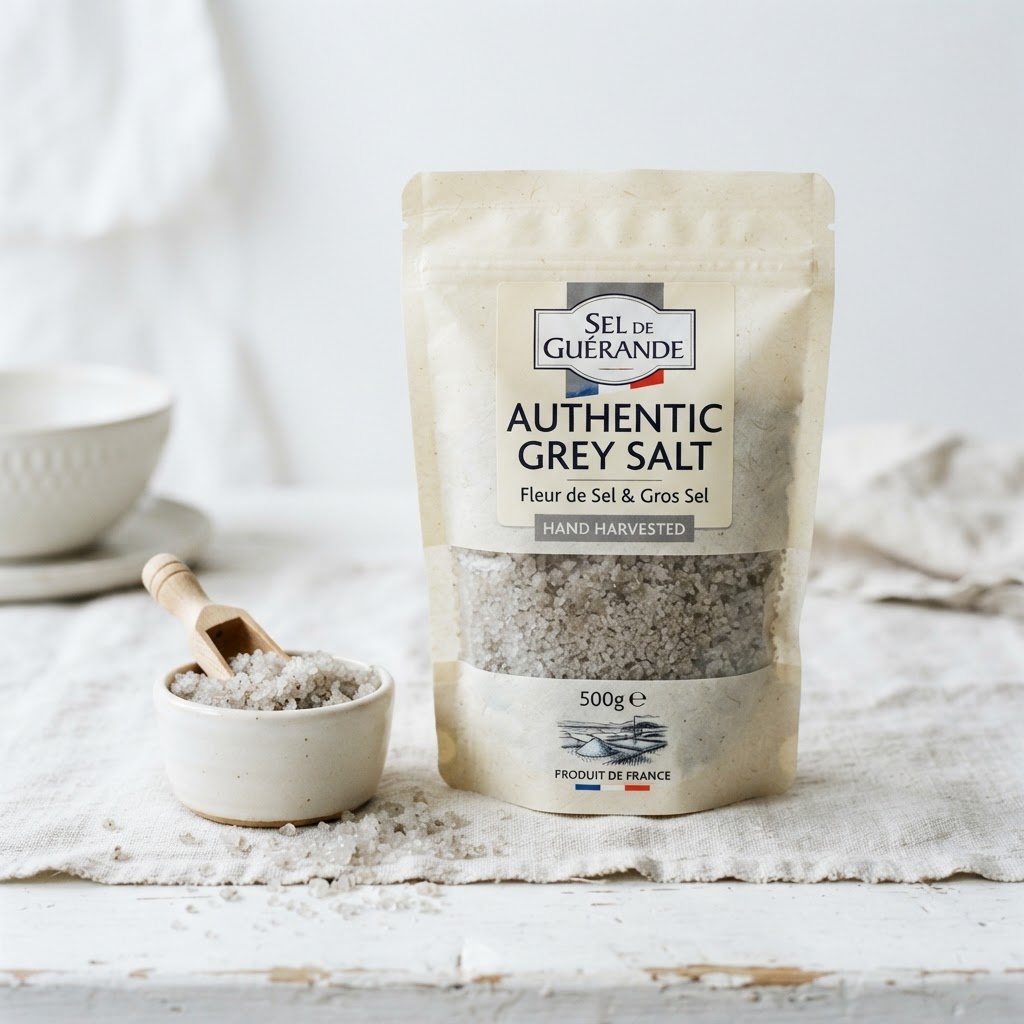
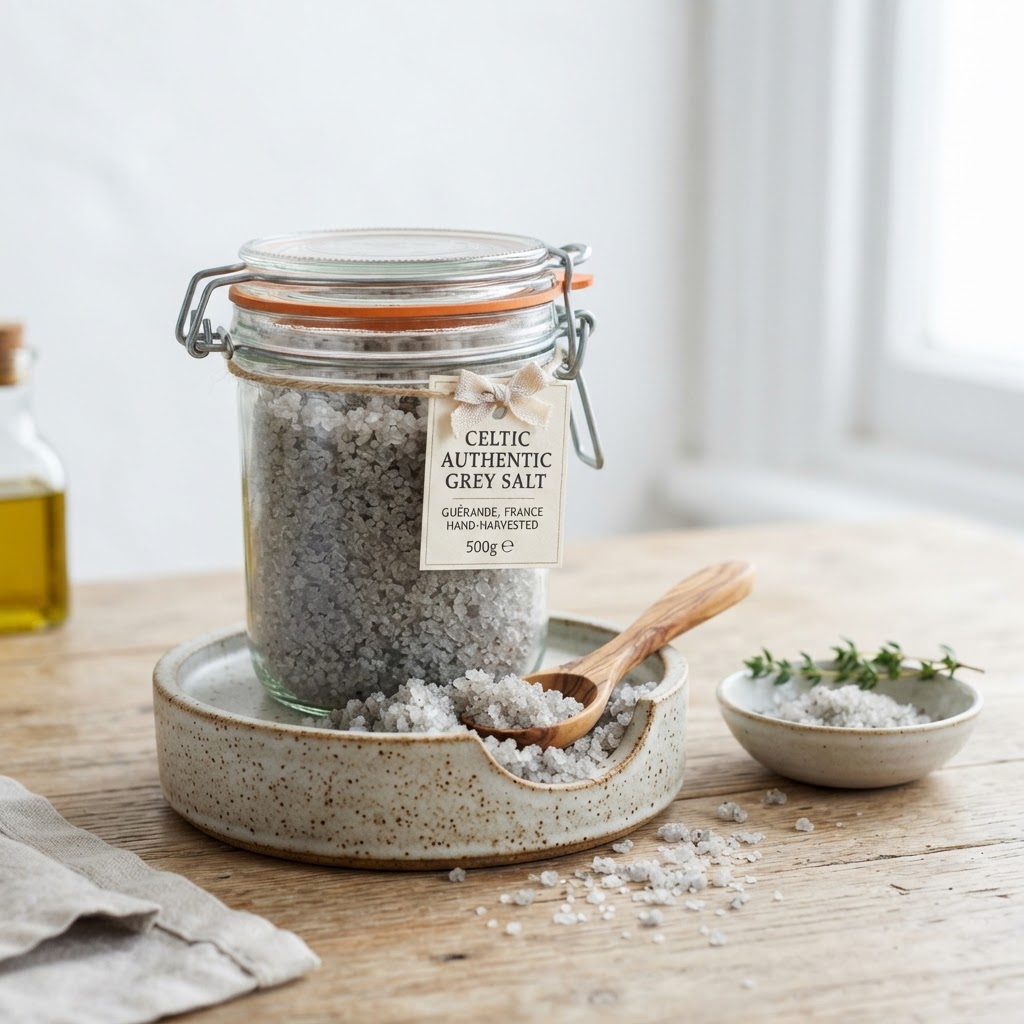
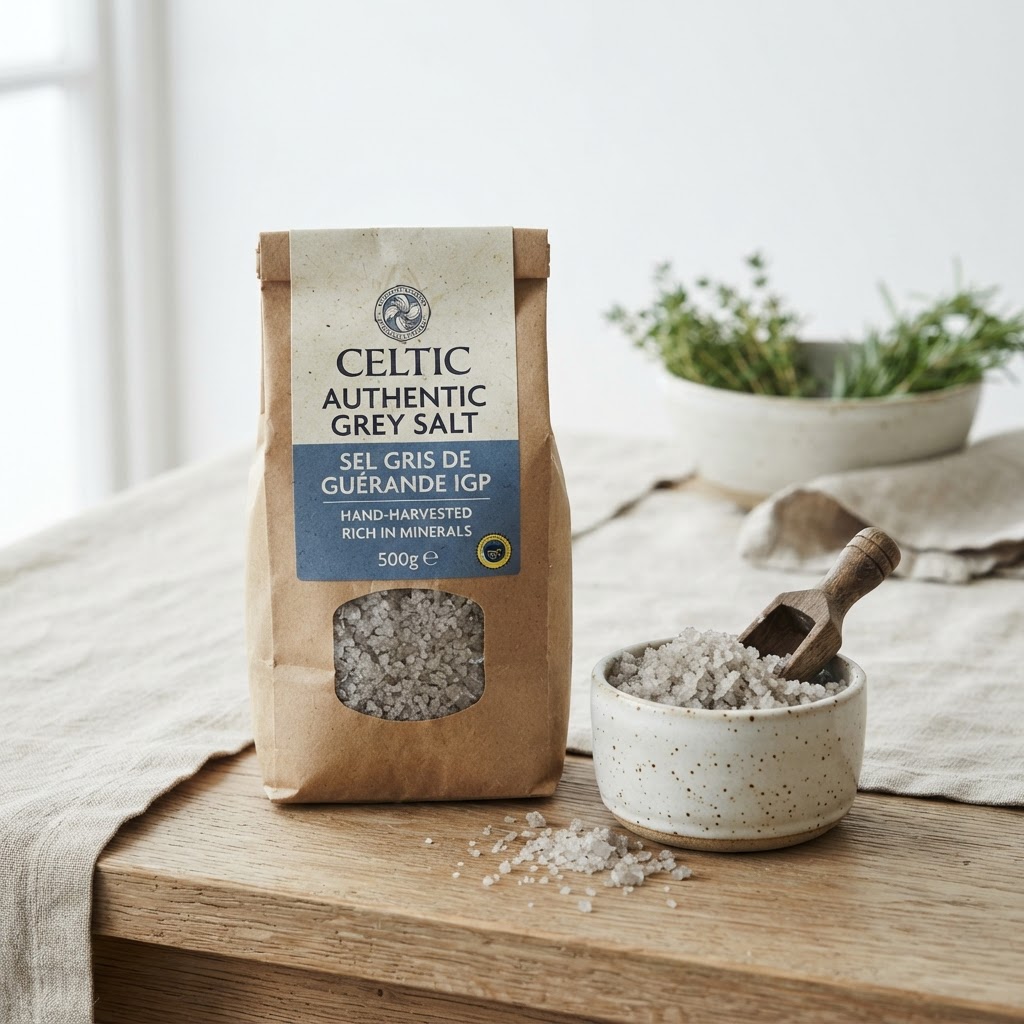
The secret lies in the moisture content and the mineral balance of the salt. Standard refined table salts are often chemically processed and supplemented with anti-caking agents, which can ruin the delicate balance of a perfectly cooked steak. Conversely, high-quality, unrefined salts—specifically those harvested through traditional methods—retain their natural moisture and mineral trace elements. When you reach for a pouch of Celtic Authentic Grey Salt – 500g ($79.99), you are choosing a product harvested in the historic salt marshes of Brittany. This salt interacts with the surface of the steak to create a robust crust, known as the Maillard reaction catalyst. It doesn't just salt the meat; it draws out the natural juices and concentrates the flavor, creating a professional-grade dining experience in your own kitchen. Understanding these differences is the first step toward transforming your Sunday night steak into a Michelin-starred event. As you continue to refine your culinary knowledge, you might want to look into Celtic Sea Salt Nutritional Information to better understand why mineral-rich seasonings elevate not just flavor, but the overall gastronomic profile of your proteins.
The Anatomy of the Perfect Crust
A perfect steak crust is defined by the Maillard reaction—a chemical reaction between amino acids and reducing sugars that gives browned food its distinctive flavor. When you apply Celtic salt to your steak, the moisture inherent in the grey salt helps to create a brine on the surface of the meat. This is essential for achieving that deep, mahogany-colored sear that everyone desires. Unlike dry, processed salts that simply sit on the surface, Celtic salt adheres to the meat, absorbing into the fibers during the pre-cooking rest. This process, often called dry brining, ensures that the seasoning is distributed evenly throughout, rather than just hitting the surface of the tongue.
Furthermore, the texture of Celtic salt is unique. Because it is harvested from the clay-lined basins of the coast, it possesses a slight dampness and a coarse, irregular crystal structure. This texture provides a pleasant, crunchy contrast when you finish your steak. When you sprinkle this premium salt over a resting steak, the crystals remain intact for longer, providing pockets of intense flavor that contrast beautifully with the tender, juicy interior of the meat. It is this interaction between the mineral-heavy crystals and the rendered fat of the beef that creates a flavor profile unmatched by any other seasoning. Many home cooks are surprised to learn about the history of the regions where these salts are harvested; exploring Grey Salt France reveals the centuries-old traditional techniques that ensure each harvest is of the highest possible purity and culinary standard, allowing for a better sear and a more complex finish.
To truly understand why your choice of salt is so consequential, let us break down the differences between the common types you might find in your pantry. Not all salts are created equal, and their density, moisture content, and mineral composition play a massive role in how they interact with high-protein foods like steak.
Salt Type
Mineral Content
Moisture Level
Best Use Case
Table Salt
Negligible
None (Kiln-dried)
General baking, functional cooking
Kosher Salt
Low
Low
General seasoning, high-volume cooking
Celtic Authentic Grey Salt
High (Trace Minerals)
High (Natural)
Finishing steaks, dry brining, gourmet recipes
Refined Sea Salt
Low
Low
General table use
As illustrated in the table above, the high moisture content of Celtic salt is not a sign of poor quality—it is a hallmark of authenticity. When you use Celtic salt to season your beef, you are introducing trace minerals that do not exist in processed alternatives. These minerals serve as flavor enhancers, rounding out the sharpness of the sodium and adding a subtle, briny sweetness that highlights the beef's natural flavor. If you are ever curious about the composition of the salt you are using in your daily diet, you can learn more by reading about Does Celtic Sea Salt Have Sodium to get a clearer picture of how it compares to processed salts in your kitchen cabinet.
Step-by-Step: The Ultimate Salt-Crust Technique
For a steakhouse-quality result, follow this professional-grade procedure using your Celtic Authentic Grey Salt – 500g ($79.99). This process focuses on timing and technique, ensuring every bite is perfectly seasoned.
1. Preparation: Remove your steak from the refrigerator at least 45 minutes before cooking. Pat the meat thoroughly dry with paper towels. Excess moisture on the surface of the steak is the enemy of a good sear.
2. Dry Brining: Sprinkle a generous, even layer of Celtic salt over every side of the steak, including the edges. The goal is to create a fine, uniform coating. The moisture in the Celtic salt will draw out surface liquid, which will then be reabsorbed, seasoning the meat deeply.
3. Resting: Allow the steak to sit at room temperature for at least 40 minutes. You will notice the meat color changing slightly as the salt penetrates the surface fibers.
4. Searing: Heat your pan or grill to a high temperature. Add a high-smoke-point oil. Place the steak in the pan. The Celtic salt crystals will interact with the heat and fat, creating a delicious, golden-brown, caramelized crust.
5. Finishing: Once the steak reaches your desired internal temperature, remove it from the heat. Let it rest for at least 10 minutes. Just before serving, add a light "finishing" pinch of the Celtic salt. This final touch provides a burst of texture and freshness that rounds off the entire dish perfectly.
⭐ IGP Certified — Guérande, France
Celtic Authentic Grey Salt – 500g
Hand-harvested · trace minerals whose levels vary by harvest and product · No additives
$79.99$114.99
Free shipping — standard tracked delivery included
Ships from France · Worldwide delivery · 30-day return guarantee
Common Mistakes to Avoid When Salting Steak
Even the best steak can be ruined by simple seasoning errors. The first common mistake is salting too early or too late. If you salt immediately before hitting the pan, the salt hasn't had time to penetrate the meat, meaning the inside will be bland. Conversely, if you salt hours in advance without letting it rest properly, you risk drawing out too much moisture, which can lead to a steak that is less tender. Always aim for that 40-60 minute window for optimal results.
Another common oversight is inconsistent application. Using a shaker or your fingers to dump salt in one spot leads to an uneven experience. Always season from a height of about 10-12 inches above the steak. This allows the Celtic salt to disperse evenly across the surface. Avoid using standard table salt for the final finishing step. Because refined salt is so concentrated and sharp, it can overwhelm the palate. The Celtic Authentic Grey Salt – 500g ($79.99) is preferred for finishing because its complex mineral profile complements the steak rather than competing with it. By avoiding these pitfalls, you ensure that the integrity of the steak—and the quality of your Celtic salt—remains the star of the show.
Pro Tips for Enhancing Your Steak Experience
To take your steak game to the next level, consider how you integrate your seasoning with other aromatics. When cooking, baste the steak with butter, crushed garlic, and fresh rosemary during the last few minutes of cooking. The butter will capture the lingering Celtic salt crystals on the crust, creating a decadent, savory emulsion that coats the steak. This is a technique used in top-tier steakhouses to bridge the gap between the charred exterior and the succulent interior.
Experiment with temperature and timing. For thicker cuts like a Tomahawk or a Porterhouse, use a reverse-sear method. Salt the meat with Celtic salt, place it in a low-temperature oven until it hits the major retailers internal temperature, and then finish it in a blistering hot cast-iron skillet. The pre-seasoning with high-quality salt ensures that the inside is seasoned as perfectly as the crust. Remember, quality is always key; by choosing a trusted, authentic brand like ours, you are investing in the final result of your culinary efforts. Whether it is your first attempt or your hundredth, the consistency of Celtic salt will make every steak memorable. Keep your salt stored in a cool, dry place to maintain its optimal moisture balance, and you will find that a single 500g bag lasts through many incredible weekend feasts.
Frequently Asked Questions
Should I salt my steak before or after cooking?
You should do both. Salt the steak 40-60 minutes before cooking to allow it to penetrate the meat, and add a final pinch of Celtic Authentic Grey Salt immediately before serving to provide a textural crunch and burst of flavor.
Does the type of salt affect the crust of the steak?
Absolutely. High-quality, moist Celtic salt helps draw out surface juices and creates a superior Maillard reaction compared to dry, refined table salts, resulting in a deeper, more flavorful crust.
How much salt should I use per pound of steak?
A good rule of thumb is to use approximately 3/4 to 1 teaspoon of Celtic salt per pound of meat. Always aim for an even coating, and adjust based on your personal preference for saltiness.
Why is Celtic Authentic Grey Salt better for steaks than standard salt?
Our salt is hand-harvested and unrefined, retaining essential trace minerals that provide a more complex, mellow flavor profile that enhances the natural umami of the beef without the sharp, metallic finish of processed salts.
Can I use Celtic salt in a grinder?
Because Celtic Authentic Grey Salt has a natural moisture content, it is best used as a finishing salt or crushed between your fingers. It is generally not suitable for standard gravity-fed grinders, as the moisture can cause clogging.
Ready to taste the difference?
Celtic Authentic Grey Salt – 500g — Hand-harvested · trace minerals whose levels vary by harvest and product · No additives