Hand-harvested Guérande salt · Tracked international delivery included
GuideJune 25, 2026· by Celtic Salt Editorial Team
Coarse sea salt for bath
Food information, not medical advice. Salt remains a significant source of sodium. Trace-mineral levels can vary by harvest and product, and culinary salt should not be used as a treatment or medical electrolyte supplement.
What Is Coarse Sea Salt for Bath and Why It Matters in 2026
Coarse sea salt for bath is exactly what it sounds like — unrefined, large-grain salt harvested directly from the sea, used not for cooking but for therapeutic bathing rituals that have been practiced across cultures for thousands of years. Unlike table salt, which has been stripped of its natural mineral content through heavy industrial processing, coarse sea salt retains the full spectrum of trace elements that make it genuinely beneficial to the human body when absorbed transdermally through warm bathwater. In 2026, as people continue to move away from synthetic wellness products and toward more natural, mineral-rich alternatives, the humble coarse sea salt bath has experienced a remarkable renaissance among health enthusiasts, athletes, skincare devotees, and anyone simply seeking a deeper, more restorative bathing experience.
The distinction between coarse sea salt and its finer counterparts matters enormously in a bath context. The larger grain size means the salt dissolves more slowly in warm water, releasing its minerals gradually over the duration of your soak rather than all at once. This slow-release quality is part of what makes coarse sea salt so prized for therapeutic baths — your skin has more time to absorb the magnesium, potassium, calcium, and the dozens of other trace minerals present in a quality unrefined salt. Fine table salt, by contrast, contains little more than sodium chloride (often with added anti-caking agents), providing none of the mineral richness that makes a sea salt bath something genuinely different from simply sitting in salty water. The texture of coarse salt also makes it ideal for use as a body scrub before or after a soak, adding a second dimension of exfoliation to your routine.
The origins of salt bathing trace back to ancient civilizations along the Mediterranean, where seawater itself was used for healing. The Greeks called this practice thalassotherapy — therapy through the sea — and modern practitioners have refined and expanded that concept into a sophisticated wellness discipline. Balneotherapy, the therapeutic use of mineral-rich water and salt immersion, is supported by a growing body of research in dermatology, rheumatology, and sports medicine. In 2026, spas, physiotherapy clinics, and home wellness practitioners alike are incorporating coarse sea salt baths into comprehensive treatment protocols for everything from chronic skin conditions to post-exercise muscle recovery. The accessibility of this therapy is one of its most compelling features: with the right quality of salt, you can replicate the conditions of a professional spa or mineral spring in your own bathtub.
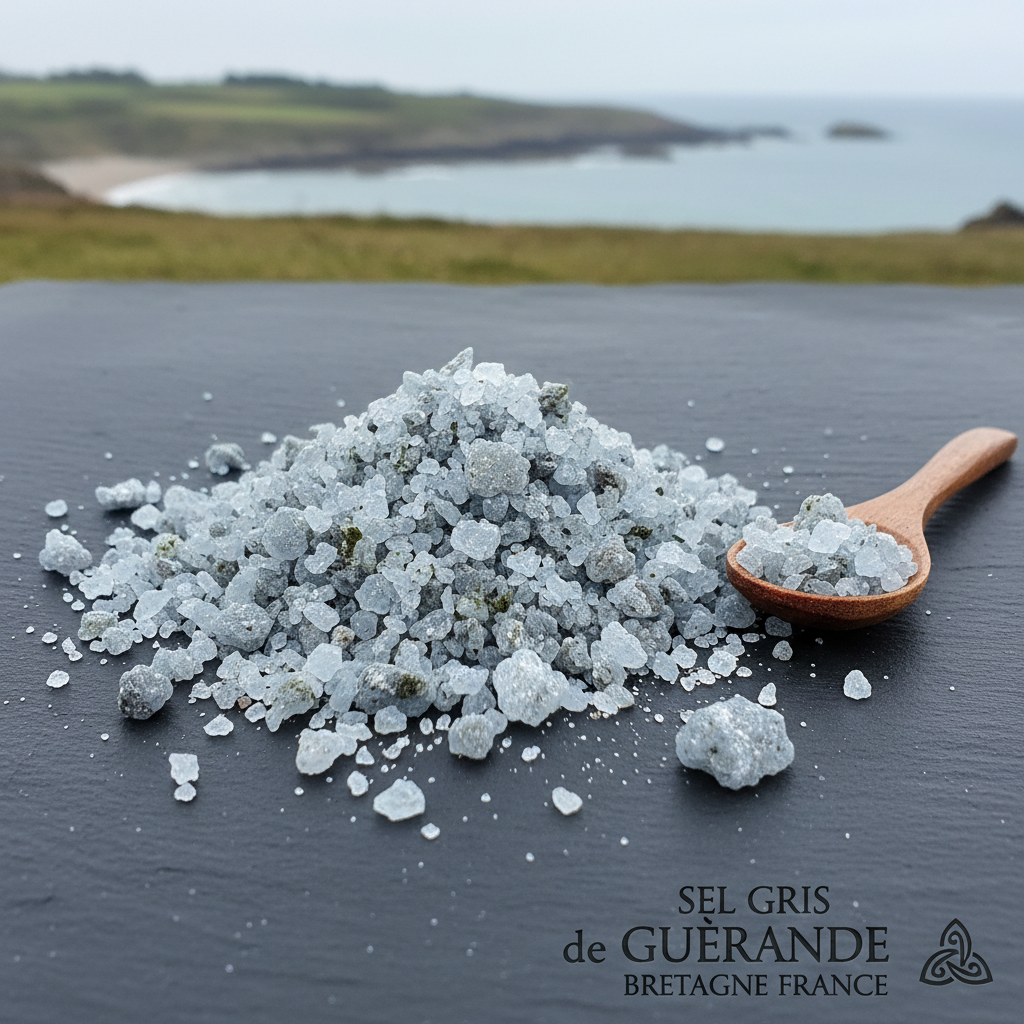
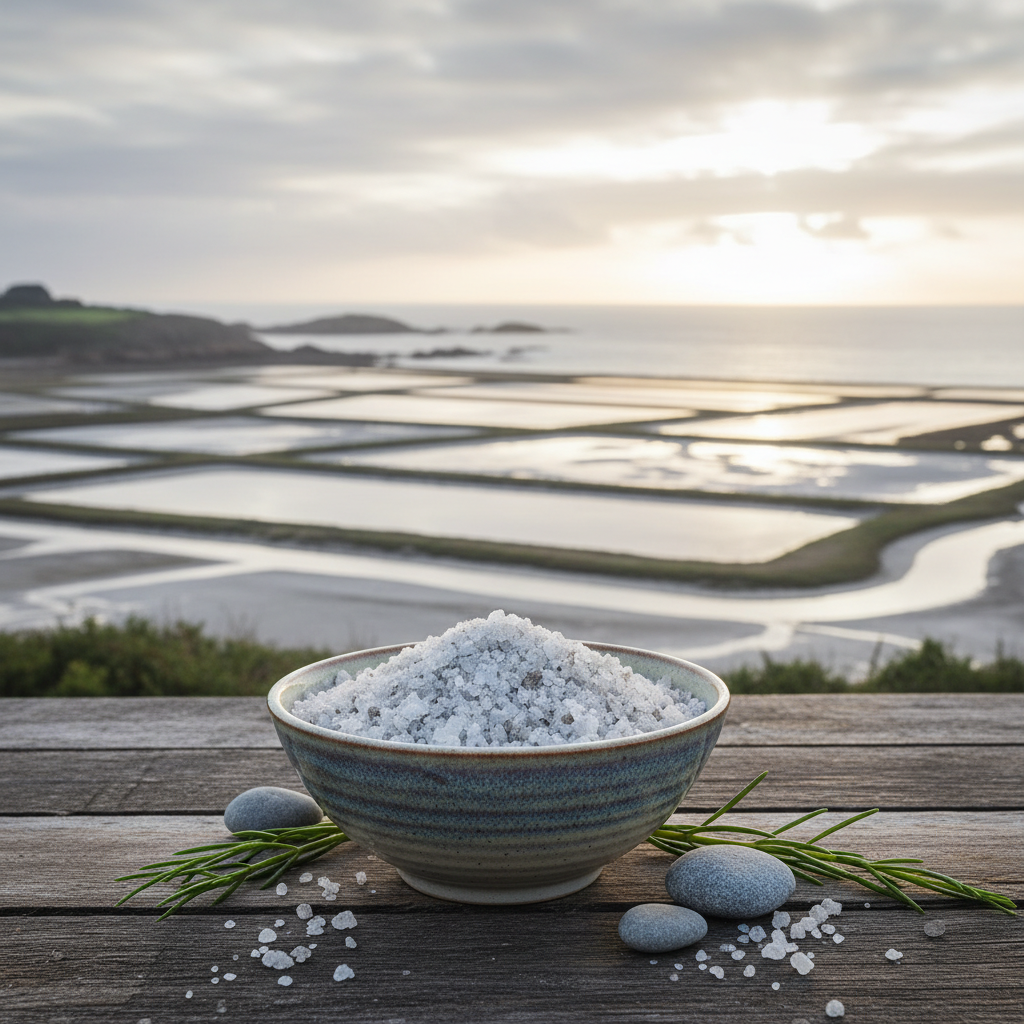
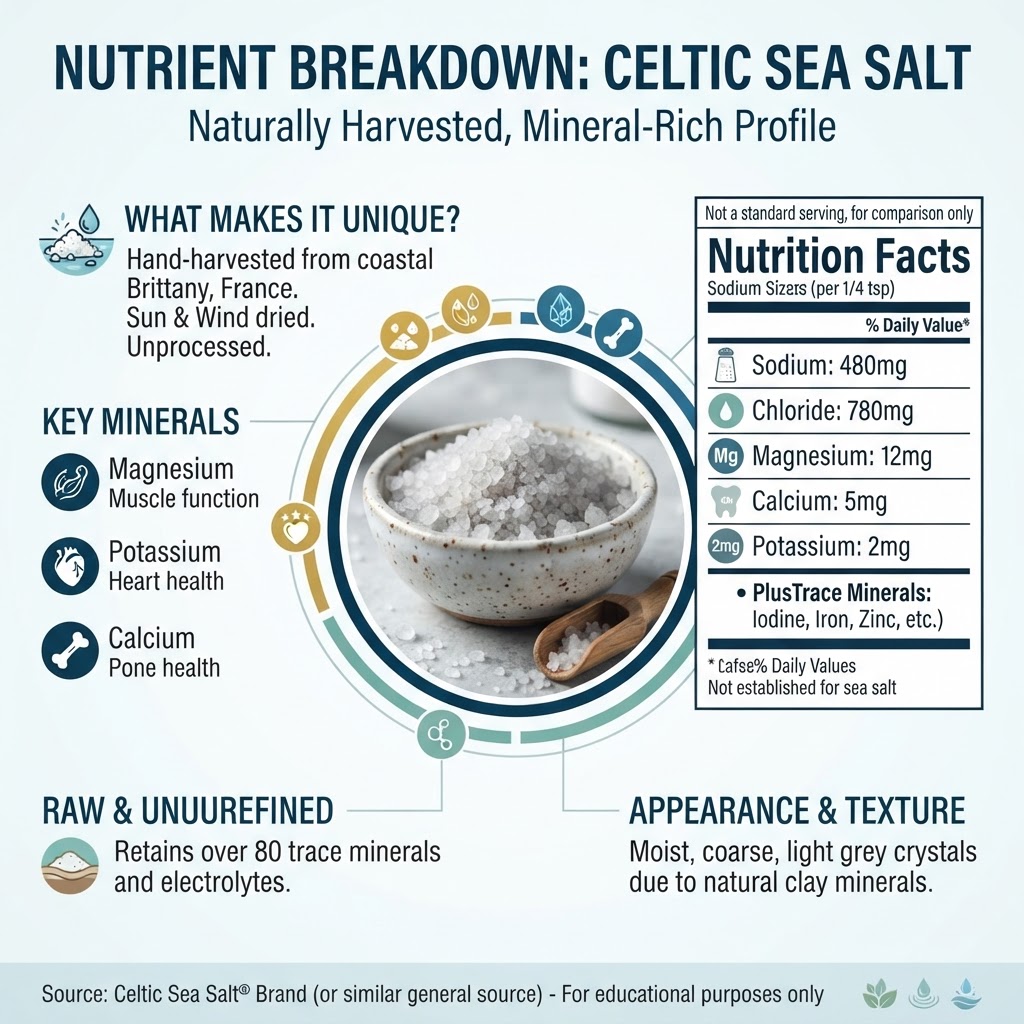
What makes certain coarse sea salts stand apart from others is their provenance and the method by which they are harvested. The salt marshes of Guérande in Brittany, France, represent one of the most storied and scientifically validated sources of therapeutic sea salt in the world. The Guérande salt marshes operate as a complex, living ecosystem where Atlantic seawater flows through a network of clay-lined channels and basins over the course of weeks, slowly concentrating and purifying as it travels. The grey color characteristic of Guérande salt comes from the clay minerals of the basin floors — a color that is not an impurity but rather a sign of mineral wealth. Hand-harvested by skilled artisans known as paludiers, this salt is collected using traditional wooden tools that have barely changed in centuries, ensuring that none of the mineral integrity is lost to modern industrial processing. The result is a coarse sea salt that contains over trace minerals whose levels vary by harvest and product, making it among the most mineral-dense options available for therapeutic bathing anywhere in the world.
The Science Behind Coarse Sea Salt for Bath
The therapeutic mechanism of a coarse sea salt bath rests on several overlapping physiological processes, the most fundamental of which is transdermal mineral absorption. The skin is the body's largest organ, and while it acts as a barrier against many substances, it is permeable to certain minerals under the right conditions — particularly when warm water has opened the pores and the mineral concentration in the bathwater is appropriately high. Magnesium, for example, is notoriously difficult to absorb through oral supplementation alone due to its effects on the digestive tract at higher doses. Transdermal absorption through a warm magnesium-rich salt bath bypasses the digestive system entirely, allowing cells to take in this critical mineral more efficiently. Magnesium plays a role in over 300 enzymatic reactions in the human body, including those governing muscle contraction, nerve signal transmission, protein synthesis, and the regulation of blood pressure — all of which explains why magnesium-rich salt baths are so widely associated with relaxation and muscle recovery.
Beyond magnesium, the calcium found in quality coarse sea salt supports the skin's barrier function and plays a role in the regulation of cell turnover. Potassium helps maintain the skin's moisture balance, combating the dryness and irritation associated with conditions like eczema and psoriasis. The osmotic effect of a salt bath — the tendency for solutions of different concentrations to equalize across a semipermeable membrane like skin — also draws fluid from subcutaneous tissues, which can have a mild but meaningful anti-inflammatory and de-puffing effect. This is why athletes and dancers have long used salt baths to reduce swelling in joints and muscles after intense physical activity. The science here is not conjecture; it reflects well-established principles of chemistry and physiology that have been documented in peer-reviewed literature for decades.
The pH of the bathwater is also influenced by the minerals in quality coarse sea salt. Unrefined sea salt, particularly that from coastal marshes like Guérande, contains a natural buffering capacity that gently moderates the alkalinity or acidity of the water, creating an environment that is closer to the skin's own natural pH than plain tap water. Tap water in many municipalities is chlorinated and fluorinated, and can have a pH that disrupts the skin's acid mantle — the thin, slightly acidic film on the skin's surface that protects against bacteria, pollutants, and moisture loss. A coarse sea salt bath effectively counteracts some of these effects, neutralizing chlorine to a degree and helping to restore the skin's protective acid mantle after bathing. This makes the experience not only relaxing but genuinely restorative at the skin biology level.
Muscle relaxation, stress reduction, sleep support
Yes
Calcium
Bone strength, cell signaling, skin barrier
Supports skin cell regeneration and barrier repair
Yes
Potassium
Fluid balance, heart rhythm, nerve function
Hydration balance, reduces puffiness
Yes
Sodium
Electrolyte balance, nerve conduction
Osmotic cleansing, draws out impurities
Yes
Zinc
Immune function, wound healing, enzyme activity
Soothes irritated or inflamed skin
Yes
Iron
Oxygen transport, cellular energy
Contributes to overall mineral spectrum
Yes
Iodine
Thyroid hormone production, metabolism
Naturally present in trace amounts from sea origin
Yes
Silica
Connective tissue integrity, skin elasticity
May support skin firmness and tone
Yes (trace)
How to Use Coarse Sea Salt for Bath — Complete Guide
Using coarse sea salt for a bath is simple, but a few practical details make the difference between an average soak and a genuinely therapeutic experience. The following guide walks you through everything you need to know to get the most out of every bath, from water temperature to post-soak skincare.
Step 1 — Choose the Right Salt
Begin with an unrefined, mineral-rich coarse sea salt. Look for grey or off-white coloring (indicating the presence of natural clay minerals), a damp texture (indicating moisture retention and mineral richness), and a certification that guarantees authenticity of origin. Guérande grey salt with IGP certification is an excellent choice for this purpose, as the IGP (Indication Géographique Protégée) status guarantees that the salt was genuinely produced in the Guérande region using traditional methods.
Fill your bathtub with warm water — ideally between 37°C and 39°C (98°F to 102°F). Water that is too hot can be dehydrating and harsh on sensitive skin, and can also cause the minerals to evaporate or become less bioavailable. Water that is too cool will not open your pores sufficiently for optimal mineral absorption. The sweet spot is a temperature that feels comfortably warm without causing redness on the skin within the first few seconds of immersion.
Step 3 — Add the Salt
Add approximately 250 to 500 grams (roughly one to two cups) of coarse sea salt to the running bath water, allowing the flow of water to help it dissolve and distribute evenly. For a stronger therapeutic effect — particularly for muscle recovery or skin conditions — you can increase the quantity to 600 or even 800 grams for a full-sized tub. Stir the water gently with your hand to help the larger crystals begin to dissolve before you enter. Some practitioners prefer to dissolve the salt in a small bucket of hot water first and then add that concentrate to the tub, ensuring more even distribution.
Step 4 — Soak for 20 to 30 Minutes
Immerse yourself fully and relax for a minimum of 20 minutes. This is the amount of time generally cited in balneotherapy research as necessary for meaningful transdermal mineral absorption to occur. 30 minutes is ideal for most therapeutic applications. Avoid using soap or shampoo during the salt soak itself, as these products can interfere with the mineral absorption process and alter the pH of the bathwater.
Step 5 — Optional Scrub Application
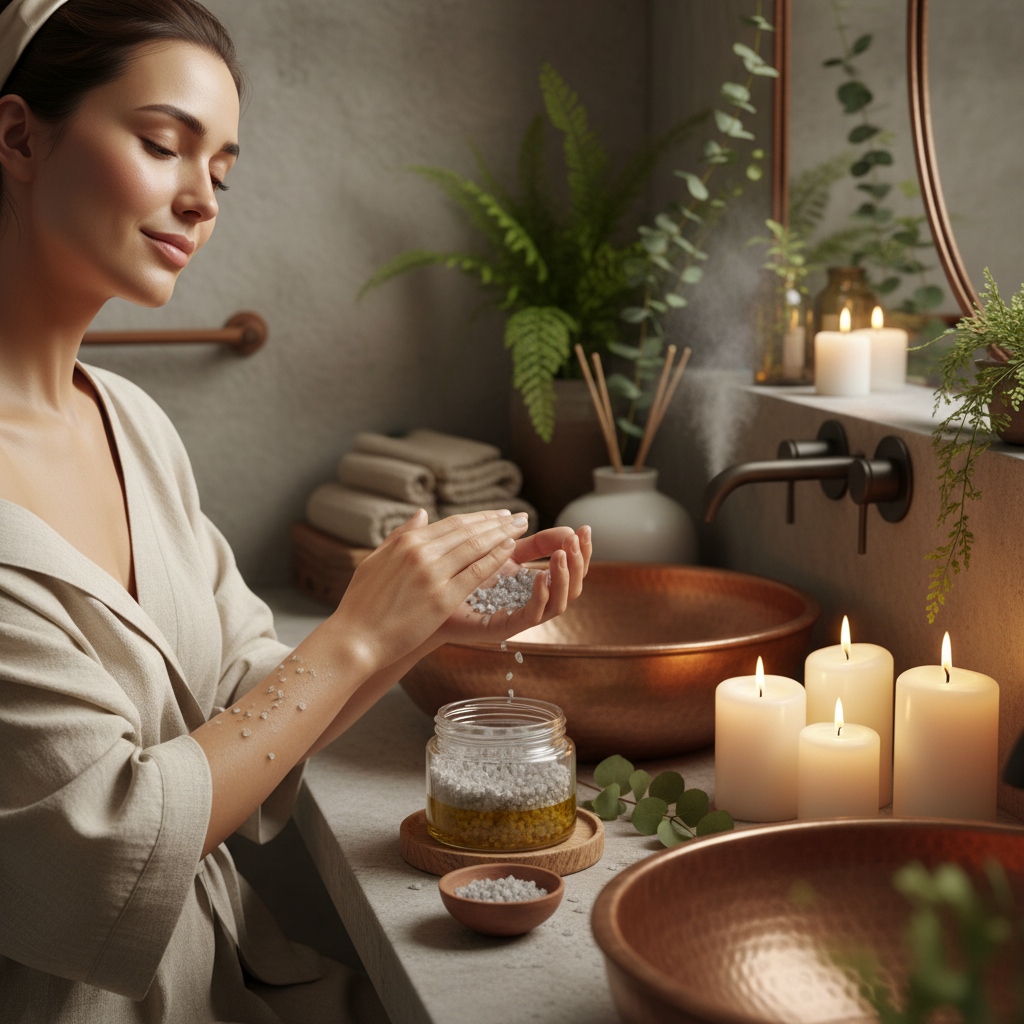
Before entering the bath, or midway through your soak, you can use a handful of slightly moistened coarse sea salt as a body scrub on damp skin. The large crystals gently slough away dead skin cells, allowing the fresh skin beneath to absorb the minerals in your bathwater even more efficiently. Focus on rough areas such as the elbows, knees, heels, and shoulders. Rinse the scrubbed areas before re-immersing.
Step 6 — Post-Bath Care
When you exit the bath, pat your skin dry gently rather than rubbing — your skin will be slightly more permeable and sensitive than usual, and the mineral film left on its surface is beneficial. If you wish, apply a light, unscented natural oil (such as jojoba or rosehip) to lock in moisture. Drink a glass of water to rehydrate, particularly if your bath was longer than 20 minutes or at the warmer end of the recommended temperature range.
Frequency: Two to three times per week is ideal for ongoing skin health and stress management. Daily baths are fine for short periods of intense muscle recovery.
Timing: Evening baths promote deeper sleep. Morning baths using coarse sea salt can be invigorating when used with a cooler water temperature.
Additions: A few drops of lavender or eucalyptus essential oil can complement the mineral effects. Add them after the salt has dissolved, or mix them into a carrier oil first.
Children: Dilute the salt quantity to 50–100 grams for small children's baths, and reduce water temperature slightly. Always supervise children during bathing.
Caution: Individuals with open wounds, very sensitive skin, or cardiovascular conditions should consult a healthcare professional before beginning a salt bath routine.
Benefits of Coarse Sea Salt for Bath Backed by Evidence