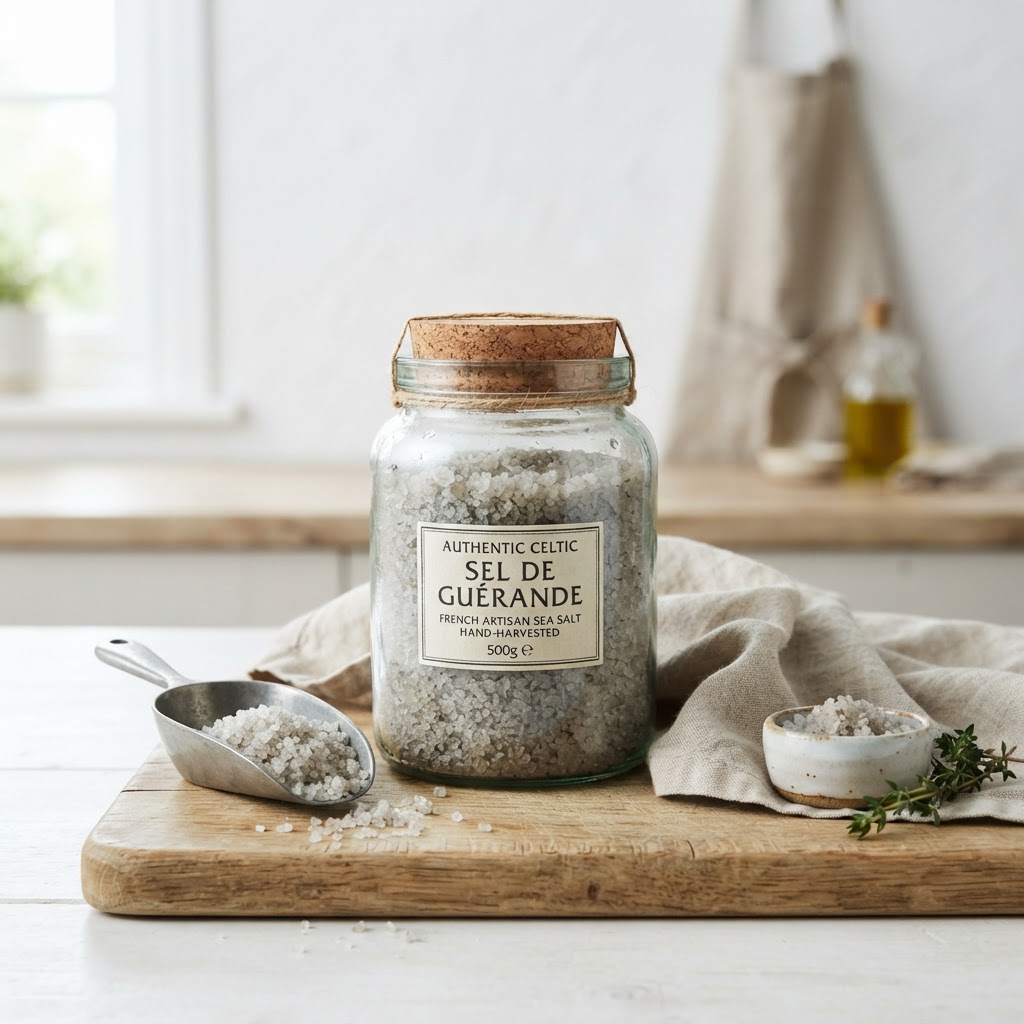
Hand-harvested Guérande salt · Tracked international delivery included
GuideNovember 7, 2026· by Celtic Salt Editorial Team
Where Does Celtic Salt Come From? A Complete Origins Guide
The Origins of Excellence: Where Does Celtic Salt Come From?
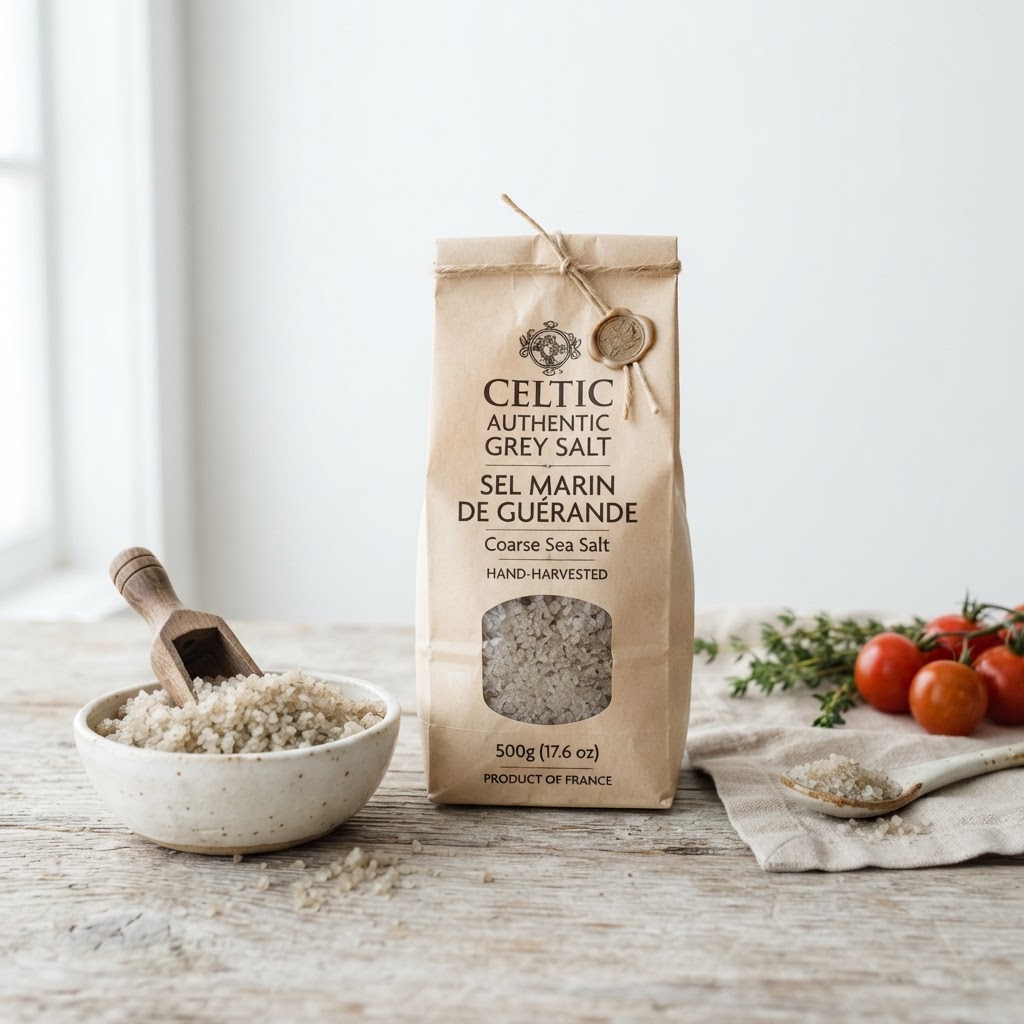
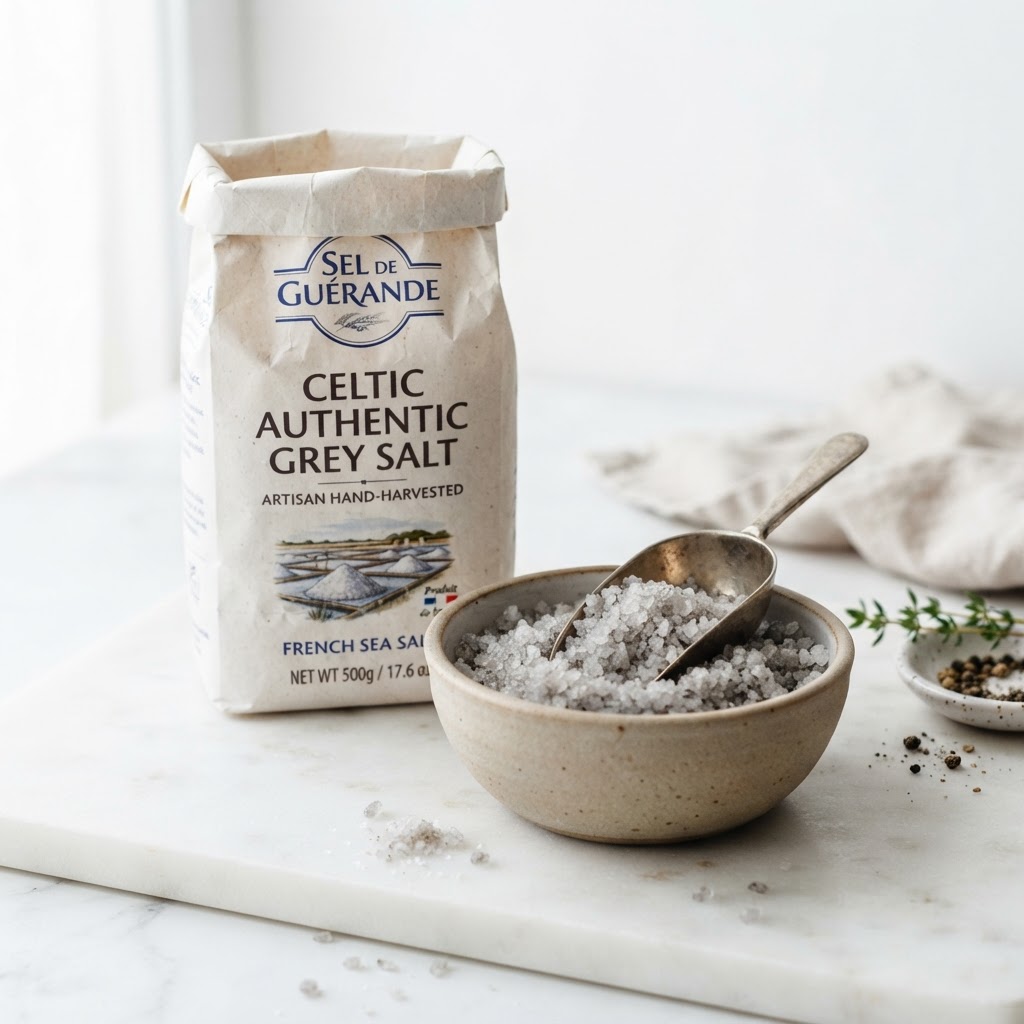
When you hold a pouch of Celtic Authentic Grey Salt – 500g ($79.99) in your hand, you are holding centuries of heritage. The question of where does Celtic salt come from is not merely a geographical inquiry; it is a journey into the heart of Brittany, France. Specifically, authentic Celtic salt originates from the Guérande Peninsula, a region defined by its ancient salt marshes that have remained virtually unchanged since the Iron Age. These marshes are protected by the IGP (Indication Géographique Protégée) status, ensuring that only salt harvested within this precise coastal ecosystem can bear the name.
The process begins with the Atlantic Ocean, where seawater is channeled through a complex system of clay-lined lagoons. As the sun and wind work in tandem, the water evaporates, leaving behind a concentrated brine. Because the Guérande region features a unique clay soil, the salt crystals interact with the minerals in the earth, absorbing a light grey hue and a complex profile that is distinct from industrial, chemically processed salts. This is why understanding the origin is critical for consumers. When you choose our Celtic Authentic Grey Salt – 500g ($79.99), you are investing in a product that is hand-harvested by local paludiers—traditional salt farmers—using wooden tools that avoid metallic contamination. This dedication to tradition is what separates genuine artisanal salt from mass-produced alternatives that lack the terroir of the Breton coast.
Why the Comparison Matters: Choosing Your Pantry Staples
In the modern culinary landscape, the variety of salts available can be overwhelming. Choosing between sea salt, rock salt, and refined table salt is not just about salinity; it is about how these products impact the flavor profile and texture of your home cooking. Many consumers do not realize that not all salts are created equal. Some are mined from deep within the earth, while others are harvested from open-air evaporation ponds. By understanding the provenance of your salt, you can make more informed decisions about the ingredients you serve to your family.
Refined table salt, for instance, is often stripped of its natural moisture and mineral balance through high-heat processing. In contrast, Celtic salt retains its natural moisture, which is a hallmark of its premium quality. When comparing different options, it is essential to look at the source. Is it harvested using sustainable methods? Does it have a traceable history? For those who care about culinary excellence, these distinctions are paramount. Whether you are curious about What Is French Grey Sea Salt or you are comparing various mineral profiles, understanding the harvesting techniques is the first step toward a better kitchen experience. We invite you to explore the nuances of our salt and understand why our dedication to the traditional Guérande method provides a superior culinary experience compared to processed varieties.
To provide clarity, we have compiled a comparison table that highlights the primary differences between authentic hand-harvested Celtic salt and standard commercial salts.
Feature
Celtic Authentic Grey Salt
Commercial Refined Table Salt
Origin
Guérande, France (Coastal Marshes)
Varies (Mined or Industrial Brine)
Harvesting Method
Hand-harvested with wooden tools
Machine-processed and refined
Color
Naturally light grey (mineral-rich)
Pure white (bleached)
Processing
Sun and wind dried (raw)
High-heat vacuum evaporated
Mineral Content
Contains natural trace minerals
Typically stripped of minerals
Additives
None (purely natural)
Anti-caking agents often added
As shown in the table above, the primary distinction lies in the processing. While commercial salt is designed for uniformity and shelf stability, Celtic salt is designed for flavor and complexity. The natural grey tint found in our Celtic Authentic Grey Salt – 500g ($79.99) is a visual indicator of the minerals present in the clay of the Guérande marshlands. When you use Celtic salt in your cooking, you are using a product that has been preserved in its most natural state, ensuring that the essence of the Atlantic coast reaches your table.
The Advantages of Authentic Celtic Salt
The primary advantage of choosing authentic Celtic salt is the flavor intensity. Because the crystals are moist and mineral-dense, they offer a depth of flavor that is often described as 'savory' or 'umami-forward.' This is significantly different from the sharp, biting acidity of industrial table salt. When you add a pinch of Celtic Authentic Grey Salt – 500g ($79.99) to a dish, you are not just seasoning it; you are enhancing the natural characteristics of your ingredients. It acts as a bridge, bringing together different flavors in a way that processed salt simply cannot replicate.
Furthermore, the physical texture of the salt is a significant benefit for chefs and home cooks alike. The slightly damp, coarse texture allows for better adhesion to meats and vegetables, making it the perfect finishing salt. For those interested in the deeper science, our article on Minerals In Himalayan Salt Vs Celtic Salt provides an in-depth look at how various natural salts differ in composition. Celtic salt is celebrated globally for its balanced profile, making it a favorite for those who prioritize clean, additive-free ingredients. When you purchase our product, you are supporting a 2026 sustainable harvesting model that respects the environment and keeps the traditional salt-farming industry of Brittany alive for future generations.
⭐ IGP Certified — Guérande, France
Celtic Authentic Grey Salt – 500g
Hand-harvested · trace minerals whose levels vary by harvest and product · No additives
$79.99$114.99
Free shipping — standard tracked delivery included
Ships from France · Worldwide delivery · 30-day return guarantee
When to Use Each Option in Your Kitchen
It is important to understand that not all salts should be used in the same way. Celtic salt is a versatile tool, but its best application is as a finishing salt or for slow-cooking methods. Because it retains natural moisture, it is excellent for seasoning soups, stews, and roasted meats where the salt can slowly dissolve and distribute its mineral complexity throughout the dish. Many culinary experts prefer to keep a cellar of Celtic salt near the stove for a quick pinch during the cooking process.
Conversely, for baking or extremely precise measurements where a consistent 'dissolve' rate is required, some may choose a finer grain salt, though our finely ground Celtic salt is designed to bridge this gap. If you are interested in exploring further, check out our guide on Saltic Salt to see how salt selection can transform your cooking techniques. Remember that because of the flavor richness, you will often find that you need less Celtic salt to achieve the desired effect compared to sharp, processed varieties. Using less salt while getting more flavor is a hallmark of high-quality cooking that we champion here at Celtic-Salt.com.
Value Analysis: Investing in Quality
We believe in transparency when it comes to the value of our product. At $79.99 for a 500g pouch, some may wonder why the price point reflects a premium status. The answer lies in the labor-intensive nature of IGP Guérande salt production. Unlike industrial salt, which is pumped from the ground and processed in large factories using heavy machinery, our salt requires the dedicated labor of local farmers who work in harmony with the tides and the climate. The harvest season is short, weather-dependent, and physically demanding.
When you invest in Celtic Authentic Grey Salt – 500g ($79.99), you are paying for the authenticity of the French marshlands. You are ensuring that you are not receiving salt that has been processed with chemicals or anti-caking agents. Furthermore, the longevity of a 500g bag, when used as a high-quality finishing salt, provides exceptional value for the discerning home cook. We encourage our customers to think of salt as an ingredient rather than a commodity. Just as one might invest in high-quality olive oil or aged vinegar, investing in premium salt changes the output of every meal prepared. By choosing authentic, you are guaranteed that no shortcuts were taken in the journey from the Breton shore to your pantry.
Expert Recommendation: The Celtic Salt Standard
As the editorial team at Celtic-Salt.com, our recommendation is to move away from processed white salts and integrate Celtic salt into your daily culinary routine. We suggest starting by using it as a finishing touch on fresh garden vegetables, grilled fish, or even in homemade dressings. The subtle crunch and the complex mineral notes will provide an immediate upgrade to your cooking. By focusing on quality over quantity, you will find that you appreciate the nuanced flavors of your food more deeply.
In 2026, the focus for home cooks is on 'clean labels' and transparency. Knowing where your food comes from is essential. When you source your salt from an IGP-protected region, you are supporting traditional, sustainable agriculture. We recommend storing your Celtic salt in a glass or ceramic container to maintain its natural moisture balance. Avoid metal containers, which can react with the moisture. By maintaining your salt properly, you ensure that every grain retains the high standards of quality we pride ourselves on delivering. Embrace the heritage, the taste, and the exceptional quality of true French salt.
Frequently Asked Questions
Is Celtic salt the same as standard sea salt?
No, Celtic salt is specifically harvested from the Guérande region of France and retains its natural mineral content and moisture, whereas standard sea salt is often highly refined and processed.
Why does Celtic salt look grey?
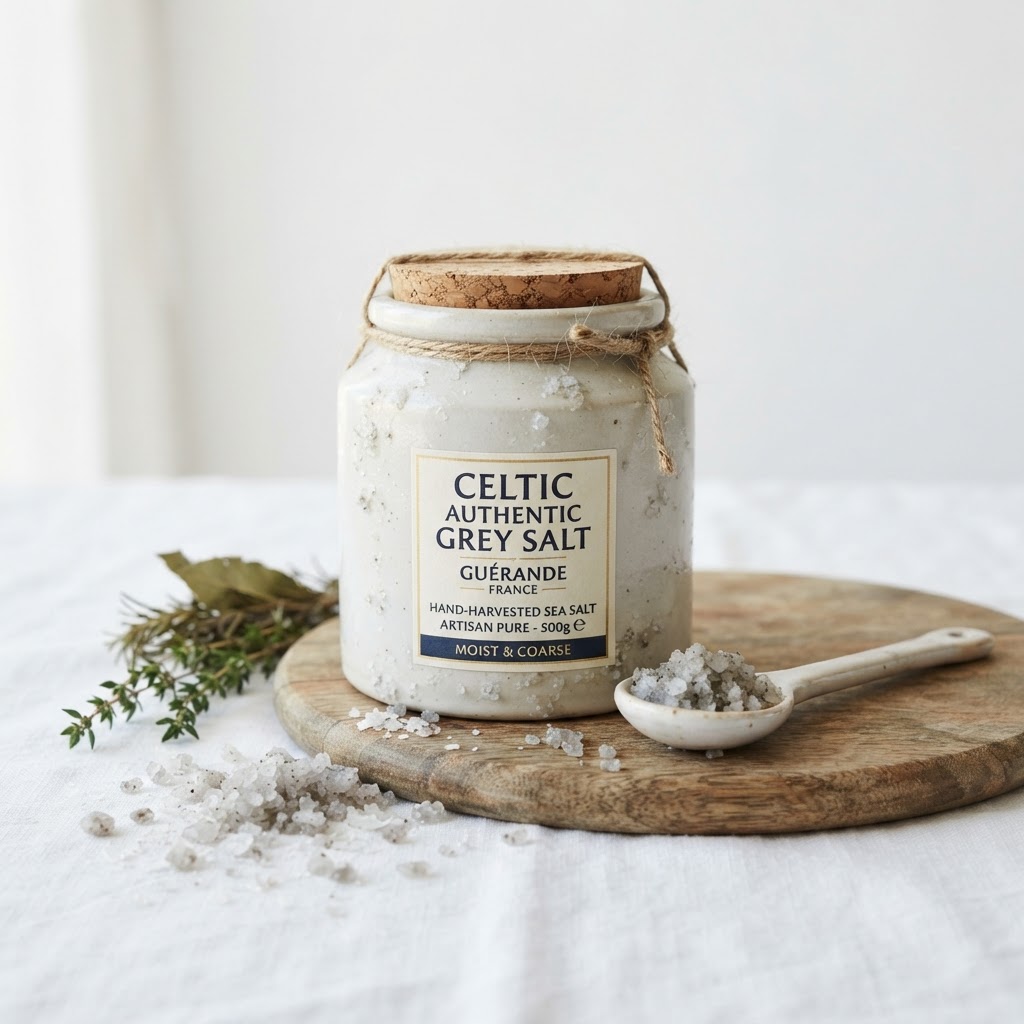
The light grey color is a completely natural characteristic that comes from the clay-lined salt marshes of Guérande, where the salt absorbs trace minerals from the earth during the evaporation process.
How should I store my Celtic salt to keep it fresh?
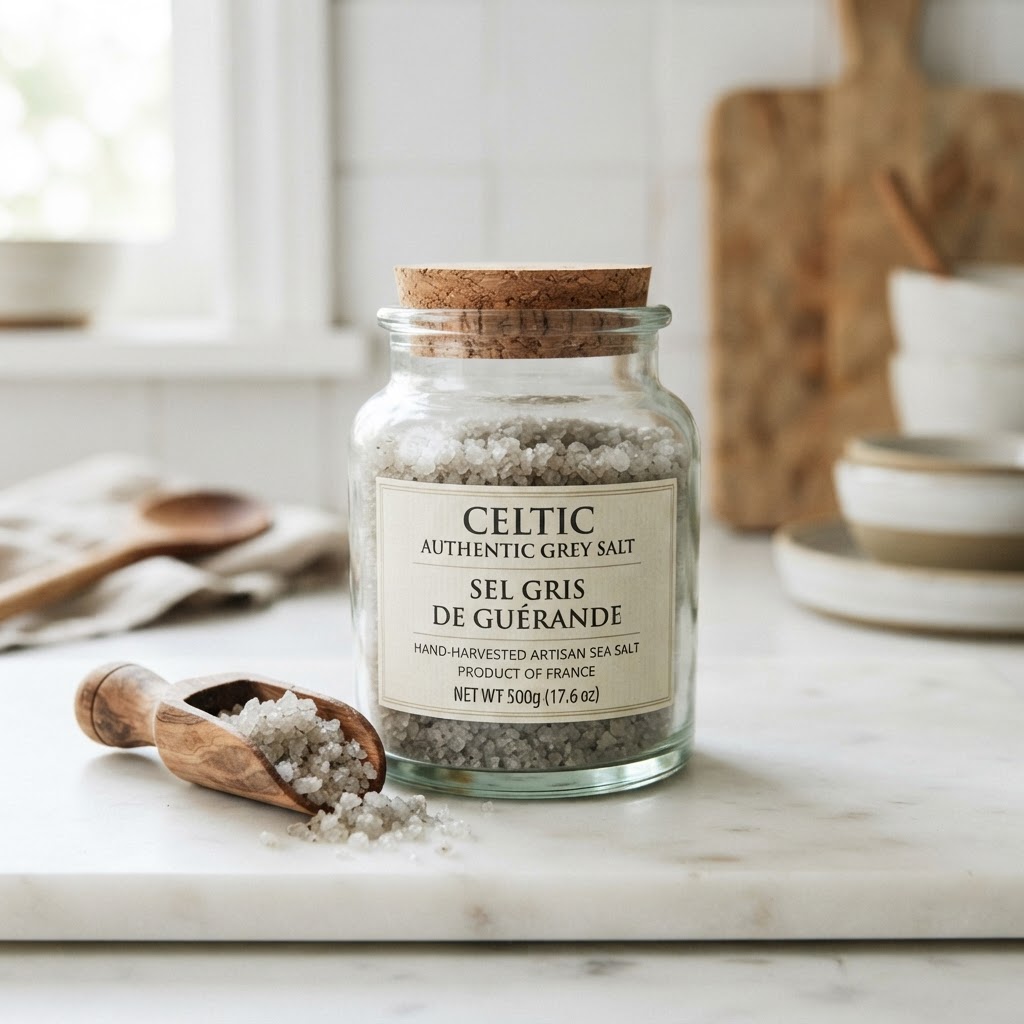
We recommend storing your salt in a breathable glass or ceramic jar, away from direct sunlight and humidity. Avoid metal containers to prevent potential reactivity with the salt's natural moisture.
Can I use Celtic salt for everyday cooking?
Yes, absolutely. Because of its complex flavor profile and mineral content, it is an excellent addition to soups, roasted meats, and even as a finishing salt on fresh salads.
What does the IGP status mean for this salt?
The IGP (Indication Géographique Protégée) status ensures that the salt was harvested specifically in the Guérande region using traditional methods, guaranteeing its origin and quality.
Ready to taste the difference?
Celtic Authentic Grey Salt – 500g — Hand-harvested · trace minerals whose levels vary by harvest and product · No additives