What Is How Much Celtic Salt in Water and Why It Matters in 2026
Adding Celtic grey salt to water has become one of the most discussed wellness practices of the decade, and for good reason. As more people move away from heavily processed table salt and synthetic electrolyte supplements, they are turning to ancestral, mineral-rich salts dissolved in water as a foundational daily ritual. But the question that consistently comes up — and the question that truly matters — is: how much Celtic salt in water should you actually use? The answer is nuanced, dependent on your individual health goals, your level of physical activity, your hydration habits, and the quality of the salt itself. Getting the dosage right is the difference between experiencing genuine benefits and simply adding unnecessary sodium to your diet.
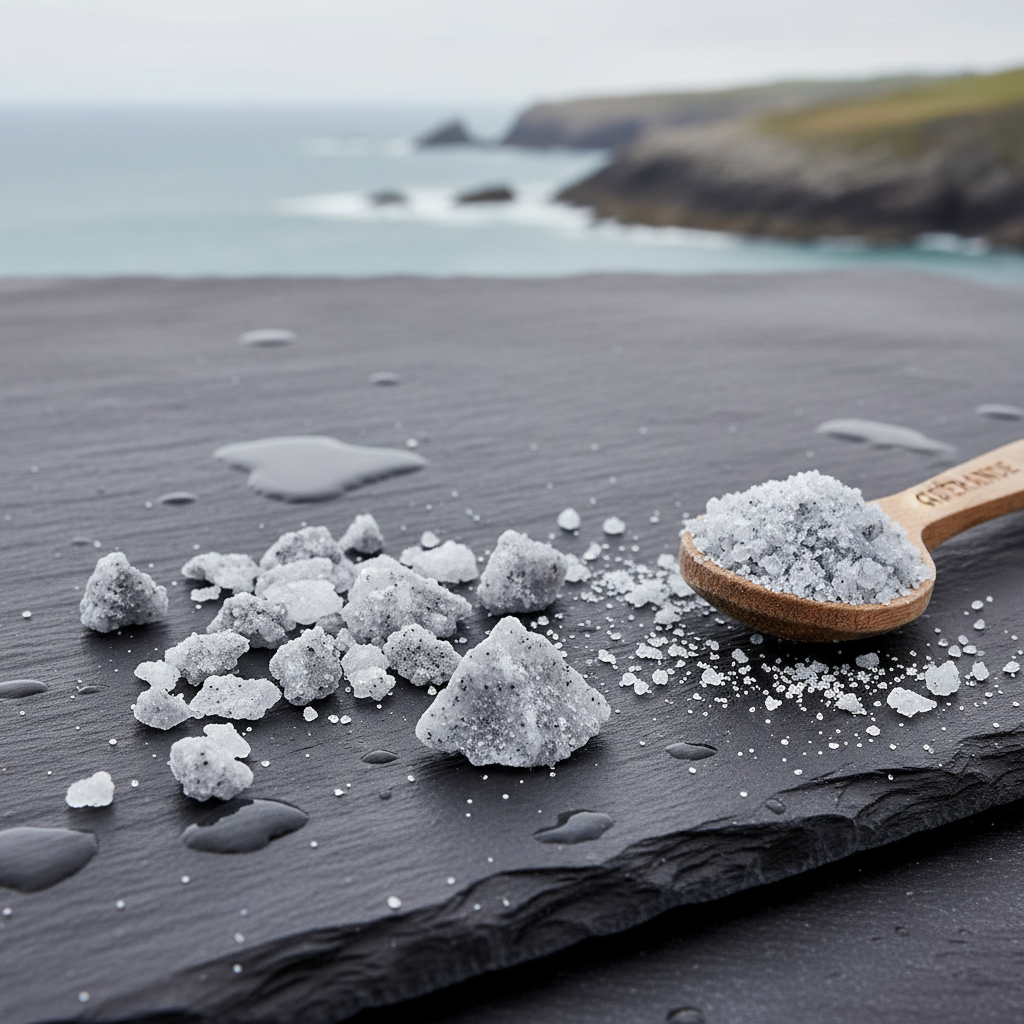
Celtic grey salt from Guérande, Brittany, France, is not an ordinary salt. It is an IGP-certified, hand-harvested product carefully collected by traditional salt farmers known as paludiers, who have practiced their craft in the Atlantic salt marshes for over a thousand years. Unlike refined table salt, which is stripped of virtually all mineral content and often contains anti-caking additives, Celtic grey salt retains over 80 trace minerals including magnesium, calcium, and potassium. These minerals are naturally present in seawater and become concentrated through the traditional solar evaporation process used in Guérande. When you dissolve this salt in water, you are not merely adding sodium chloride — you are creating a mineral-rich solution that the body can recognise and absorb efficiently. This is why the question of how much to use is not just about taste; it is about therapeutic precision.
In 2026, the conversation around hydration has evolved significantly. Research into cellular hydration, electrolyte balance, and the role of trace minerals in metabolic function has moved into mainstream health awareness. Athletes, biohackers, integrative health practitioners, and everyday wellness seekers alike are now asking smarter questions about what goes into their water and how much of it is optimal. The old assumption that plain water is always the best hydration tool has been challenged by a growing body of evidence suggesting that water consumed alongside the right minerals is absorbed and retained more effectively by the body. Celtic salt in water — when dosed appropriately — can serve as a simple, cost-effective electrolyte solution that supports this improved cellular uptake.
It also matters enormously which salt you are using. Not all salts marketed as "Celtic" or "grey" carry the same mineral profile, purity, or authenticity. The IGP certification attached to Guérande Celtic grey salt is a legally protected designation that guarantees the product's geographic origin and traditional harvesting methods. When you are calculating how much Celtic salt to add to your water, starting with an authentic, unrefined product is the non-negotiable foundation. A diluted or adulterated product may not deliver the same electrolyte ratio, and could even introduce contaminants that undermine your health goals. Understanding the what — the quality of your salt — must come before you can confidently address the how much.
The Science Behind How Much Celtic Salt in Water
The human body is approximately 60% water by mass, and maintaining proper fluid and electrolyte balance is critical to virtually every physiological process. Sodium, the primary electrolyte in Celtic salt, plays a central role in regulating blood volume, nerve impulse transmission, muscle contraction, and the movement of water across cell membranes through a process called osmosis. However, sodium does not work in isolation — it functions in a carefully balanced relationship with potassium, magnesium, calcium, and dozens of other trace minerals. This is precisely why whole, unrefined Celtic grey salt offers a different physiological experience than isolated sodium chloride. When you dissolve Celtic grey salt in water, you are introducing a multi-mineral ionic solution that more closely mirrors the mineral composition of human plasma than plain sodium chloride ever could.
From a biochemistry perspective, the concentration of your salt water solution matters greatly. A solution that is too concentrated can actually draw water out of cells rather than into them, leading to dehydration rather than hydration — a process governed by osmotic pressure. The blood plasma of a healthy adult maintains an osmolarity of approximately 285–295 milliosmoles per kilogram. A properly diluted Celtic salt water solution — typically in the range of a small pinch (approximately one-eighth to one-quarter teaspoon) per 8 to 16 ounces of water — keeps the resulting drink in a hypotonic or lightly isotonic range, facilitating smooth absorption across the intestinal wall. This is the scientific basis behind the commonly recommended dosage ranges, and it explains why both under-dosing (little benefit) and over-dosing (osmotic disruption) are real concerns worth understanding.
Magnesium deserves special attention in this context. It is the fourth most abundant mineral in the human body, yet deficiency is remarkably common in modern populations due to soil depletion and processed food consumption. Celtic grey salt from Guérande contains naturally occurring magnesium in its whole mineral matrix. When consumed in water, this magnesium contributes to muscle relaxation, nervous system regulation, sleep quality, and energy metabolism. Potassium, another mineral present in Celtic grey salt, works synergistically with sodium to maintain cellular fluid balance and support cardiovascular function. Understanding these mechanisms helps clarify why the right amount of Celtic salt in water is not arbitrary — it is the product of physiological logic, not guesswork.
| Purpose / Use Case | Recommended Amount of Celtic Salt | Water Volume | Frequency |
|---|---|---|---|
| General daily hydration | 1/8 teaspoon (approx. 0.6g) | 8–12 oz (240–360ml) | 1–2 times daily |
| Morning electrolyte ritual | 1/4 teaspoon (approx. 1.2g) | 16 oz (475ml) | Once daily, upon waking |
| Athletic performance & recovery | 1/4 to 1/2 teaspoon (1.2–2.5g) | 16–24 oz (475–710ml) | Before and/or after exercise |
| Hot weather / heavy sweating | 1/4 teaspoon (approx. 1.2g) | 16 oz (475ml) | 2–3 times during hot periods |
| Low-carbohydrate or ketogenic diet | 1/4 to 1/2 teaspoon (1.2–2.5g) | 16 oz (475ml) | 2 times daily |
| Digestive support (pre-meal) | 1/8 teaspoon (approx. 0.6g) | 8 oz (240ml) | 15–20 minutes before meals |
How to Use How Much Celtic Salt in Water — Complete Guide
Incorporating Celtic grey salt into your water routine is straightforward, but a few practical principles make the practice more effective and enjoyable. The most important starting point is the quality of your water. Filtered or spring water is strongly preferred over heavily chlorinated tap water, as chlorine can interfere with the mineral taste profile and potentially interact with the delicate ionic balance of the salt solution. Room temperature or slightly warm water dissolves Celtic grey salt more readily than cold water, though the salt will eventually dissolve in any temperature. If you are preparing your morning electrolyte drink, allow the salt to fully dissolve by stirring well or shaking in a covered vessel before drinking.
Here is a complete step-by-step guide to preparing Celtic salt water for different goals:
- Choose your vessel: Use a clean glass, mason jar, or BPA-free water bottle with a capacity of at least 16 oz (475ml) for most recipes.
- Measure your Celtic grey salt: Start conservatively with one-eighth of a teaspoon if you are new to this practice. Use a proper measuring spoon rather than estimating by eye. Guérande Celtic grey salt has a slightly moist texture due to its retained moisture content, so measurements are best taken by pressing gently into the spoon without packing densely.
- Add filtered water: Pour 8 to 16 ounces of filtered or spring water over the salt. For warm water, allow it to cool slightly from boiling — temperatures above 160°F (71°C) are not necessary and some practitioners prefer room temperature.
- Stir thoroughly: Use a non-reactive spoon (glass, wood, or stainless steel) and stir for at least 30 seconds to ensure full dissolution. Celtic grey salt, being coarser and more mineral-dense than refined salt, may take slightly longer to dissolve than table salt.
- Optional additions: Many people enjoy adding a squeeze of fresh lemon juice, which contributes vitamin C and a pleasant flavour while supporting the alkalizing effect on the body. A small amount of raw honey can be added for palatability without significantly altering the electrolyte profile.
- Drink slowly: Sip over five to ten minutes rather than gulping. This allows the digestive system to absorb the mineral solution gradually and prevents any mild gastric discomfort that can arise from rapid large fluid intake.
- Adjust and personalise over time: After one to two weeks of daily practice, evaluate how you feel. If you are experiencing consistent energy, better morning hydration, and reduced muscle cramping, your current dose is likely appropriate. If you feel no difference, consider incrementally increasing to one-quarter teaspoon. Never exceed one-half teaspoon per 16 oz serving without guidance from a qualified health practitioner.
Practical tips for ongoing use:
The difference a real salt makes: Discover Celtic Grey Salt →
- Store your Celtic grey salt in an airtight glass jar away from moisture. Its natural hygroscopic properties mean it will absorb ambient humidity, which can cause clumping — this is normal and does not indicate spoilage.
- Keep a dedicated small measuring spoon near your salt jar to build a consistent daily habit without the friction of searching for utensils.
- If you are adding Celtic salt to a sports drink or electrolyte blend, reduce any other added sodium sources proportionally to avoid exceeding healthy daily sodium intake.
- For individuals following a ketogenic or very low-carbohydrate dietary pattern, the salt-in-water practice is particularly valuable since carbohydrate restriction causes the kidneys to excrete sodium more rapidly. In this context, two servings of Celtic salt water daily may be appropriate.
- Pregnant or breastfeeding individuals and those with kidney disease, hypertension, or heart failure should consult a healthcare professional before beginning any supplemental salt practice.
Benefits of How Much Celtic Salt in Water Backed by Evidence
One of the most well-supported benefits of consuming appropriately dosed Celtic salt in water is improved electrolyte balance and enhanced hydration at the cellular level. When you drink plain water, the body must draw on its own electrolyte reserves to process and absorb it efficiently. Water consumed with a small amount of mineral-rich salt — particularly one containing sodium, potassium, and magnesium — enters cells more effectively because the electrolyte concentration in the solution more closely matches that of the extracellular fluid. This is not merely anecdotal; it reflects well-established principles of osmotic physiology. Many people who adopt a morning Celtic salt water ritual report reduced feelings of thirst throughout the day, clearer urine colour (indicating better hydration), and improved morning energy levels without the reliance on stimulants.
Athletic performance and recovery represent another area where the evidence base for mineral-rich salt water is compelling. Sodium is lost in significant quantities through sweat — some individuals, known as "salty sweaters," can lose up to 2,000 mg of sodium per hour during intense exercise. Replenishing this sodium through Celtic grey salt water provides not only the sodium itself but the co-factors necessary for its proper utilisation. Magnesium, present in Celtic grey salt, has been specifically studied for its role in reducing exercise-induced muscle cramps, supporting mitochondrial energy production, and facilitating post-exercise recovery. Potassium supports the sodium-potassium pump in muscle cells, which is fundamental to repeated muscular contraction and relaxation. Athletes who incorporate Celtic salt water before and after training frequently report reduced cramping, faster recovery, and sustained endurance compared to plain water consumption.