What Is the Right Amount of Celtic Salt in 32 oz of Water and Why It Matters in 2026
If you have ever wondered exactly how much Celtic salt to add to 32 oz of water, you are far from alone. This question sits at the intersection of hydration science, mineral nutrition, and the growing movement toward whole, unrefined foods. As more people shift away from heavily processed table salt and toward naturally harvested alternatives, the practice of adding a small amount of authentic grey salt to drinking water has become a popular daily ritual. Understanding the correct amount is not merely a matter of taste — it touches on how your body absorbs water, how minerals support cellular function, and how you can make the most of one of nature's most complete seasoning and wellness ingredients.
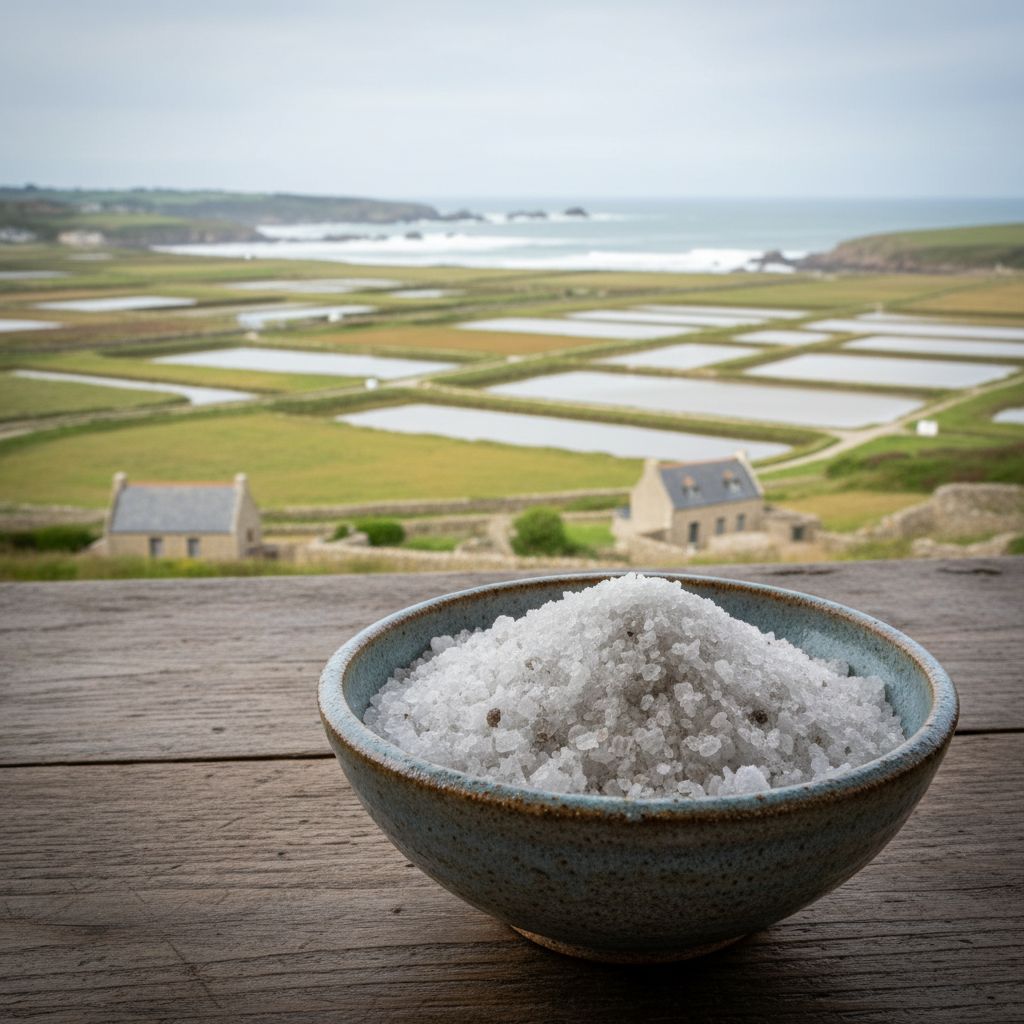
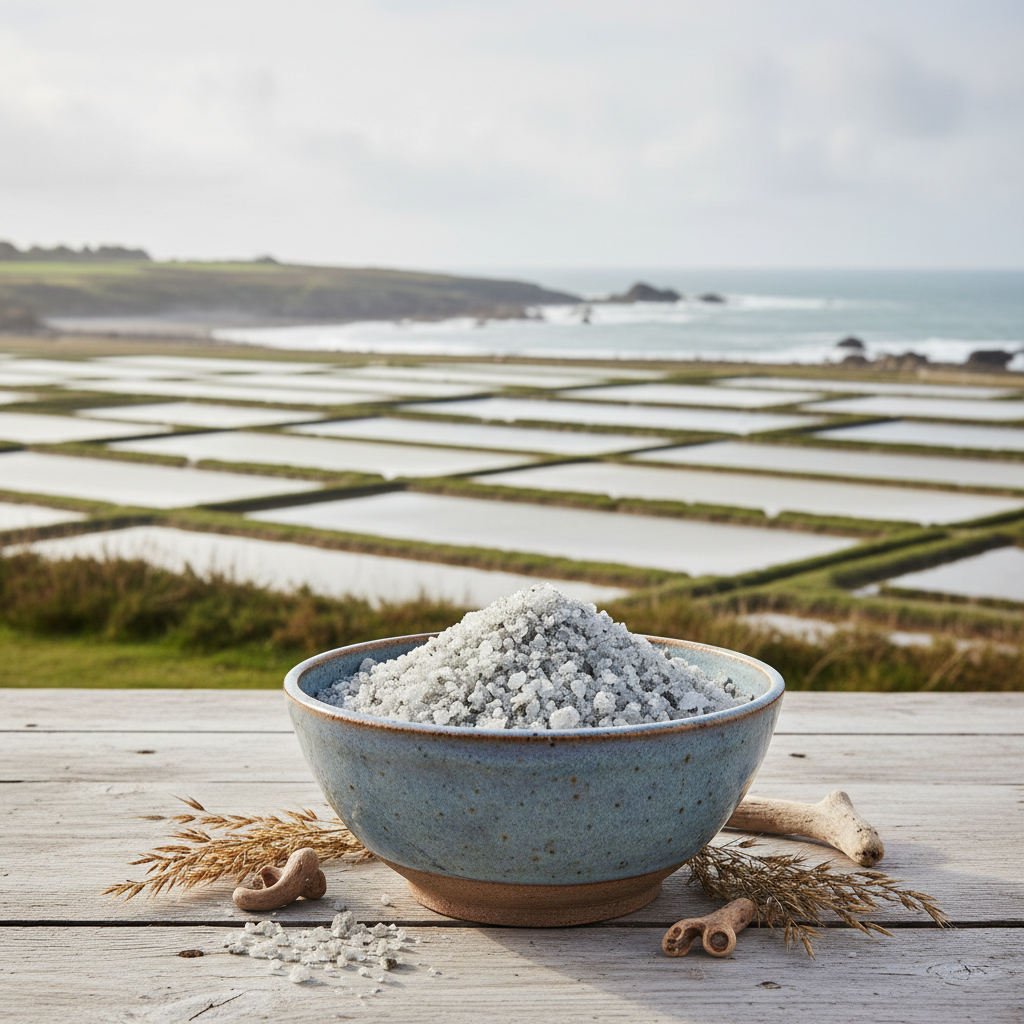
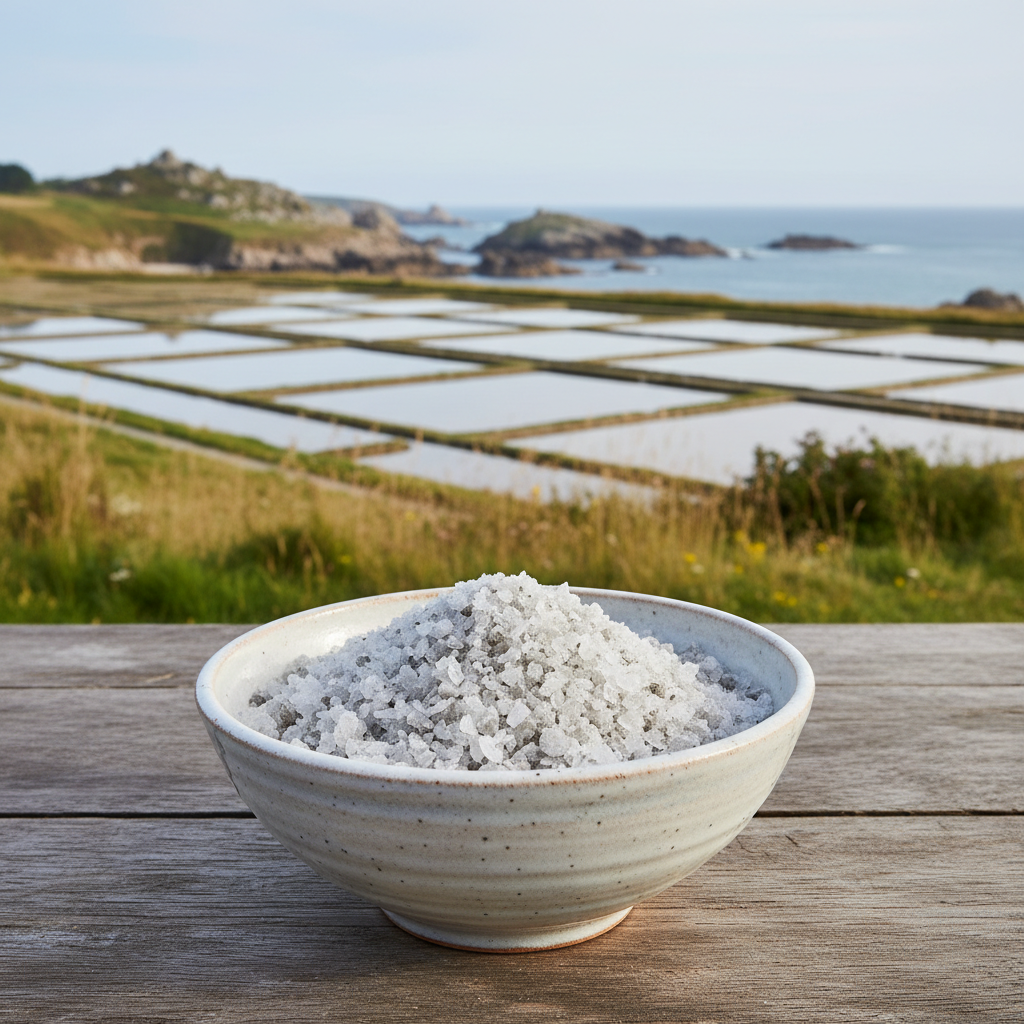
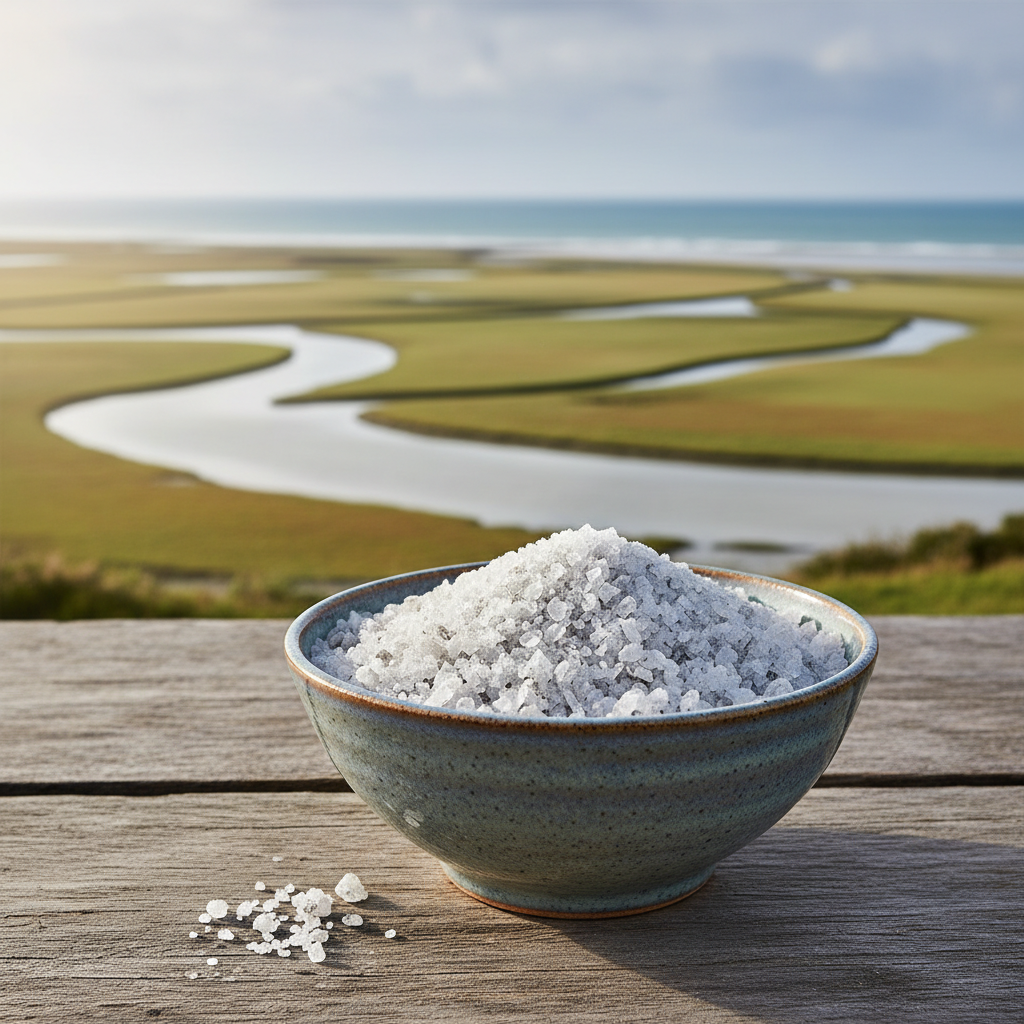
Celtic grey salt, harvested by hand from the ancient salt marshes of Guérande in Brittany, France, is fundamentally different from the refined white salt that fills most kitchen shakers. It retains naturally occurring trace minerals including magnesium, calcium, potassium, and over 80 other micronutrients that are stripped away during industrial refining. When you add even a small pinch of this salt to a large glass or bottle of water, you are not simply seasoning your drink — you are creating a lightly mineralised solution that more closely resembles the electrolyte balance found in natural spring water. This is why so many athletes, wellness practitioners, and everyday health-conscious individuals have adopted the practice of salted hydration as part of their morning and throughout-the-day routines.
The year 2026 has brought with it a renewed collective interest in foundational wellness habits. After years of complex supplement stacks and expensive functional beverages flooding the market, many people are returning to simpler, more intuitive approaches to health. Adding authentic Celtic salt to water is one of the most accessible and cost-effective ways to support electrolyte balance without relying on artificially flavoured sports drinks loaded with sugar and synthetic additives. Understanding the precise amount to use — not too little that it has no effect, and not so much that the water tastes unpleasantly salty — is the first practical step in making this ritual work beautifully in your life.
The standard 32 oz water bottle, roughly equivalent to about 946 millilitres or just under one litre, has become one of the most popular vessel sizes for daily hydration. It is large enough to make a meaningful contribution to your fluid intake while being portable and manageable throughout the day. This is exactly why the question of how much Celtic salt to add to 32 oz of water is so practically relevant. Whether you are filling a glass jar in the morning, packing a bottle for the gym, or preparing a daily electrolyte drink at your desk, having a clear, confident answer to this question makes the habit sustainable and effective. The pages that follow will give you that answer in full detail, along with everything you need to know to use Celtic grey salt wisely and well.
The Complete Guide to How Much Celtic Salt to Add to 32 oz of Water
The widely recommended starting point for adding Celtic grey salt to 32 oz of water is approximately one quarter to one half of a teaspoon. This range allows for individual variation in taste preference, sodium tolerance, and intended purpose. For most adults who are using salted water as a gentle daily hydration support, one quarter teaspoon of fine or medium-ground Celtic grey salt dissolved in 32 oz of water provides a subtle mineral presence without creating a noticeably salty flavour. For those who are using the drink more intentionally — for instance, after vigorous exercise, during periods of heat exposure, or when recovering from illness — the amount can be increased modestly toward the half teaspoon mark.
It is important to understand what these measurements actually mean in practical terms. A quarter teaspoon of fine Celtic grey salt weighs approximately 1.2 to 1.5 grams depending on grind size and moisture content. Because authentic Celtic grey salt from Guérande retains natural moisture — which is itself part of what makes it so mineralogically rich — it tends to be slightly heavier per volume than dry refined salt. This moisture content also means the salt dissolves readily in water, dispersing its minerals evenly throughout the liquid. A half teaspoon of fine Celtic grey salt in the same 32 oz bottle would provide roughly 2.5 to 3 grams of salt, translating to approximately 900 to 1100 milligrams of sodium alongside a meaningful payload of complementary trace minerals.
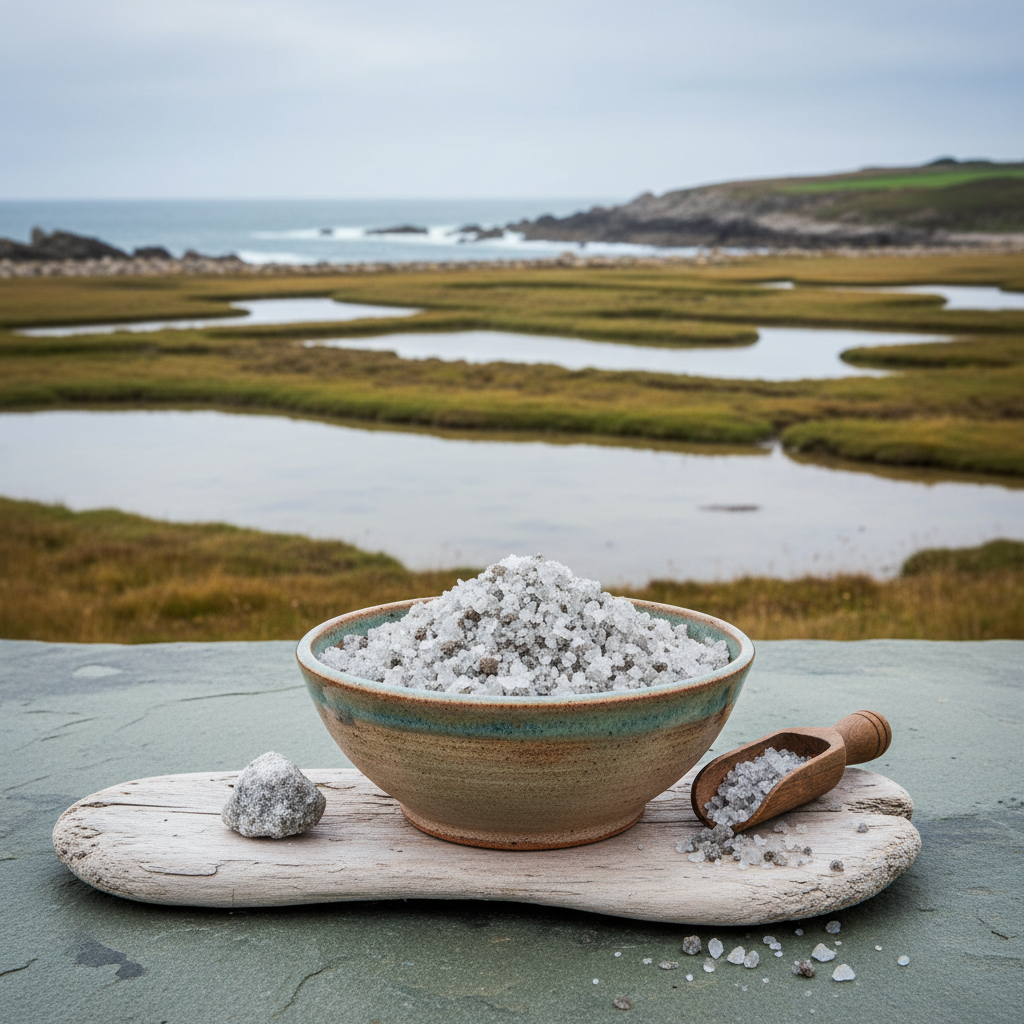
If you are working with coarser Celtic grey salt, such as the traditional gros sel de Guérande or a medium grind, you will want to give the salt more time to dissolve. Adding it to room-temperature or slightly warm water before cooling the bottle can help. Alternatively, crushing the coarser crystals slightly between your fingers before adding them speeds the process. The key principle is that the salt should be fully dissolved before drinking, ensuring even distribution of minerals throughout each sip. Undissolved crystals sitting at the bottom of your bottle mean an uneven experience and potentially an uncomfortably salty mouthful at the end.
For those who prefer a more measured and systematic approach, you can also think of this in terms of concentration. Adding a quarter teaspoon of Celtic salt to 32 oz of water creates a solution of roughly 0.15 to 0.18 percent salinity. Natural spring water from mineral-rich sources typically contains between 0.05 and 0.3 percent dissolved mineral salts, so this range falls comfortably within what might be considered a naturally mineralised water profile. Human blood plasma, for context, runs at about 0.9 percent salinity — meaning even the higher end of these recommendations remains far below physiological salt concentration and poses no concern for healthy adults consuming it as part of normal daily fluid intake.
A helpful daily framework that many people follow is this: start with one 32 oz bottle of Celtic-salt-enriched water first thing in the morning on an empty stomach. This takes advantage of the body's natural state of mild overnight dehydration and provides an immediate, gentle electrolyte boost before the first meal of the day. If you exercise, prepare a second salted water bottle to sip during or after your workout. Throughout the rest of the day, alternate between plain filtered water and additional salted water depending on how you feel, how much you are sweating, and your overall energy levels. This flexible, body-led approach keeps you hydrated without overcorrecting on sodium intake.
Children and elderly individuals should use smaller amounts — typically an eighth of a teaspoon per 32 oz is appropriate for most older children and seniors. Pregnant women or individuals with specific medical conditions affecting kidney function, blood pressure, or sodium processing should always consult their healthcare provider before adopting any new supplemental mineral practice. Celtic grey salt is a wonderfully nourishing ingredient, but like all things, it works best when used thoughtfully and in alignment with individual needs.
Health and Culinary Benefits of Celtic Salt in Water
The mineral profile of authentic Celtic grey salt from Guérande is genuinely remarkable. Unlike refined table salt, which is stripped of everything except sodium chloride and then typically blended with anti-caking agents and sometimes iodine additives, grey Celtic salt retains the full spectrum of minerals present in the ancient Atlantic seawater from which it evaporates. Magnesium is present in particularly notable quantities — a mineral that many adults in modern Western diets are chronically under-consuming. Magnesium plays a role in hundreds of enzymatic reactions in the body, supports muscle function, contributes to nervous system regulation, and is involved in energy metabolism. Adding Celtic salt to your water provides a small but consistent daily contribution of this important mineral alongside a properly balanced sodium intake.
Electrolyte balance is the central functional benefit most often associated with the practice of adding salt to drinking water. Electrolytes — sodium, potassium, magnesium, and calcium chief among them — are electrically charged minerals that help regulate fluid movement across cell membranes, support nerve signal transmission, and enable muscle contractions including those of the heart. When we sweat, exercise, experience high temperatures, or simply go through the natural processes of daily metabolism, we lose electrolytes that need to be replenished. Plain water alone does not replace these losses. A small addition of Celtic grey salt to your water creates a more complete hydration beverage that supports the body in maintaining proper electrolyte concentrations in the blood and tissues.
The difference a real salt makes: Discover Celtic Grey Salt →
From a culinary perspective, mineralised water made with Celtic grey salt has a noticeably more rounded, complex flavour than plain filtered water. The grey salt's slight bitterness from its magnesium content, balanced by its natural saltiness, gives the water a faintly mineral character not unlike high-quality bottled spring water. Many people who begin the practice of drinking Celtic-salted water find that plain water begins to taste flat or empty by comparison. This is not merely subjective — the presence of dissolved minerals genuinely stimulates taste receptors in ways that trigger a sense of refreshment and satisfaction. Some culinary professionals use lightly salted water as a palate cleanser or base for infusions precisely because of this mineral complexity.
There is also strong evidence suggesting that proper electrolyte balance contributes to more efficient cellular hydration. The concept, sometimes described as intracellular hydration, refers to the body's ability to actually utilise the water consumed rather than simply passing it through. Sodium, when present in appropriate amounts, helps water cross cell membranes more efficiently. This is why drinking water alongside trace minerals may support a deeper, more sustained sense of hydration compared to consuming large quantities of plain water rapidly. Athletes and endurance sports practitioners have long understood this principle, which is why commercial electrolyte products exist — Celtic grey salt simply provides the same functional benefit using a whole, natural, minimally processed ingredient rather than a laboratory-formulated one.
How to Use Celtic Salt in 32 oz of Water — Expert Tips and Practical Guidance
The first and most important practical tip is to invest in quality. Not all grey salts are equal, and the term "Celtic salt" is broadly applied to various products of varying provenance and quality. Authentic Celtic grey salt from the Guérande peninsula in Brittany carries a distinct character — it is moist to the touch, light grey in colour due to the clay minerals it picks up from the salt pan floors, and carries a complex, mildly briny aroma. Salt from this region has been harvested using the same traditional paludier techniques for over a thousand years. When you are adding salt to your drinking water daily, sourcing from a verified, authentic producer is not a luxury — it is the difference between a mineralogically complete product and a pale imitation. You can explore authentic options directly at celtic-salt.com/produits.
Second, use filtered or spring water as your base. Tap water in many regions contains chlorine, fluoride, and other treatment chemicals that can interact with the minerals in your Celtic salt and alter the flavour profile. A simple carbon filter or a quality water filter pitcher will remove the most impactful flavour contaminants and allow the natural mineral character of your Celtic grey salt to come through clearly. Room-temperature water also allows Celtic salt to dissolve more quickly and completely than ice-cold water, so if you prefer cold mineralised water, dissolve the salt first and then chill the bottle.
Third, consider adding a small squeeze of fresh lemon or lime juice to your Celtic-salted water. This is a popular addition among many wellness practitioners and makes the drink more enjoyable for those who find the flavour of plain mineralised water slightly too subtle. The citric acid from the lemon also helps keep the minerals in ionic solution, potentially supporting absorption. A pinch of Celtic salt, half a squeezed lemon, and 32 oz of filtered water makes for an excellent morning hydration drink that is refreshing, mildly tart, and gently mineralising.
Fourth, be consistent rather than excessive. The benefits of mineralised hydration come from regular, moderate intake over time — not from dramatically increasing your salt intake on a single day. Commit to one salted water bottle per day for at least two to three weeks before evaluating how it feels. Many people report improvements in morning energy levels, reduced afternoon headaches, better workout recovery, and improved sleep quality after incorporating Celtic salt hydration as a consistent practice. These subtle, cumulative effects are characteristic of nutritional habits that support baseline physiology rather than producing dramatic short-term effects.