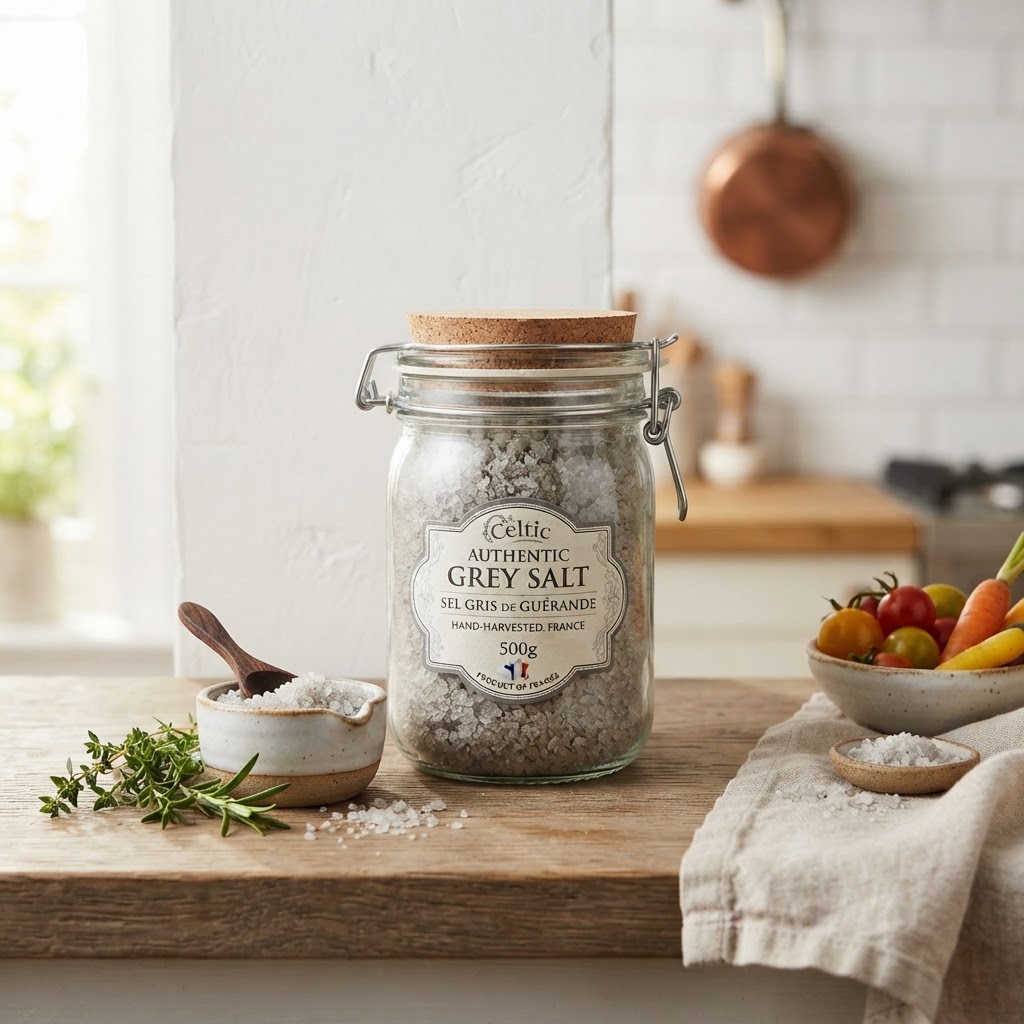
Hand-harvested Guérande salt · Tracked international delivery included
Guide· by Celtic Salt Editorial Team
Celtic Salt and Hydration: Understanding Electrolytes and Fluid Balance
Food information, not medical advice. Salt remains a significant source of sodium. Trace-mineral levels can vary by harvest and product, and culinary salt should not be used as a treatment or medical electrolyte supplement.
What Is Celtic Salt and Hydration: Understanding Electrolytes and Fluid Balance and Why It Matters in 2026
In an era where wellness culture has never been more sophisticated, the conversation around hydration has evolved far beyond simply drinking eight glasses of water a day. True, optimal hydration is a nuanced biological process that depends not just on the volume of water you consume, but on the precise mineral balance within your body's cells and fluids. This is where Celtic salt — the hand-harvested, mineral-rich grey salt from the legendary salt marshes of Guérande in Brittany, France — enters the picture as one of nature's most complete electrolyte sources. Unlike the heavily processed table salt that dominates most kitchen shelves, authentic Celtic grey salt retains its full spectrum of naturally occurring minerals, making it a fundamentally different substance with profoundly different effects on the body's fluid regulation systems. Understanding this distinction is not merely academic; it has real, practical consequences for how well you feel, how effectively you exercise, how clearly you think, and how efficiently your body performs its most essential functions every single day.
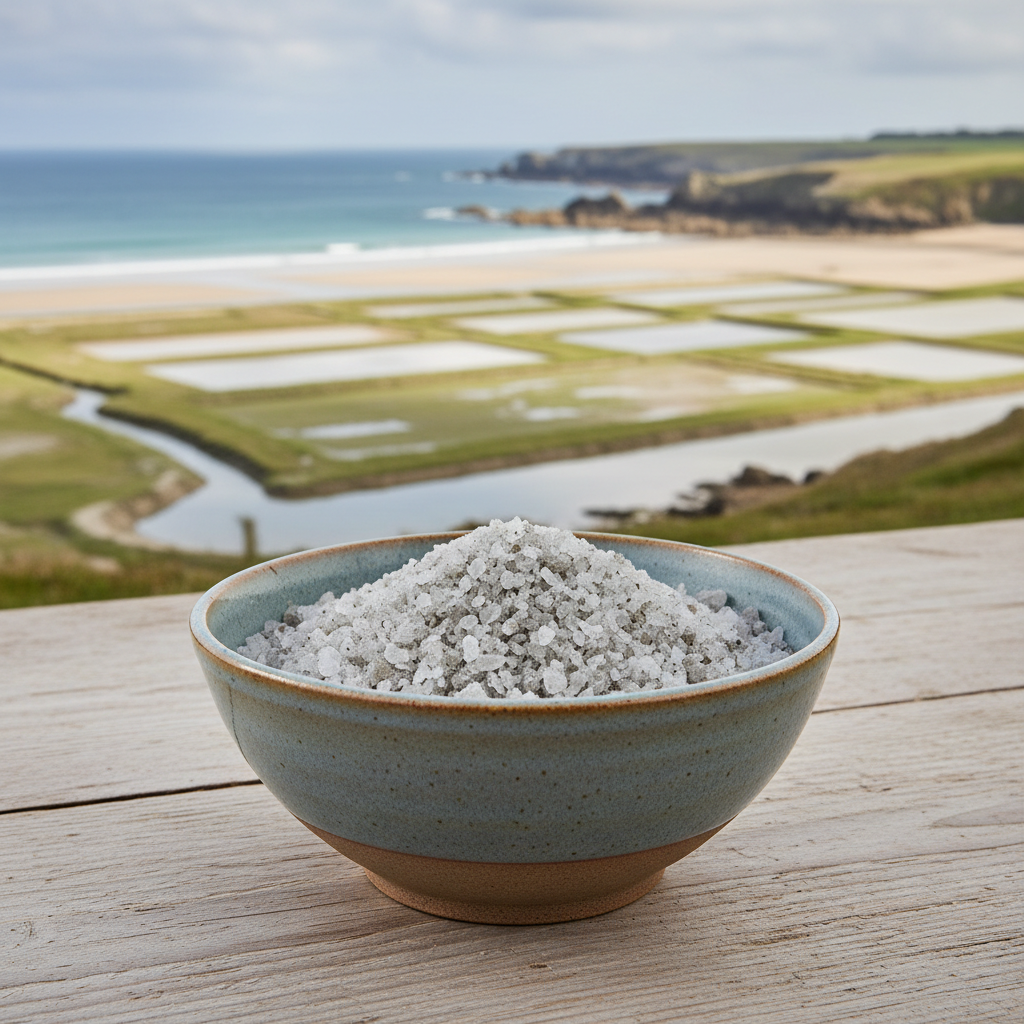
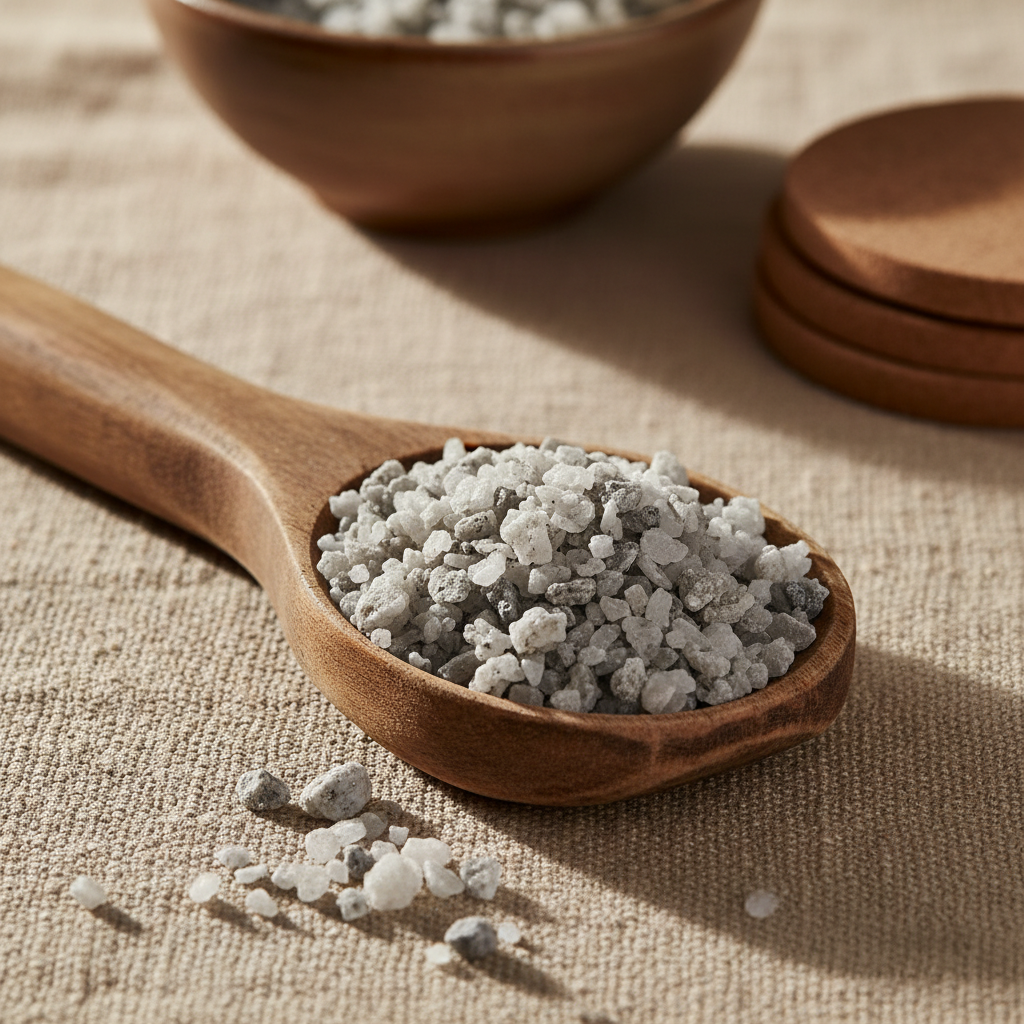
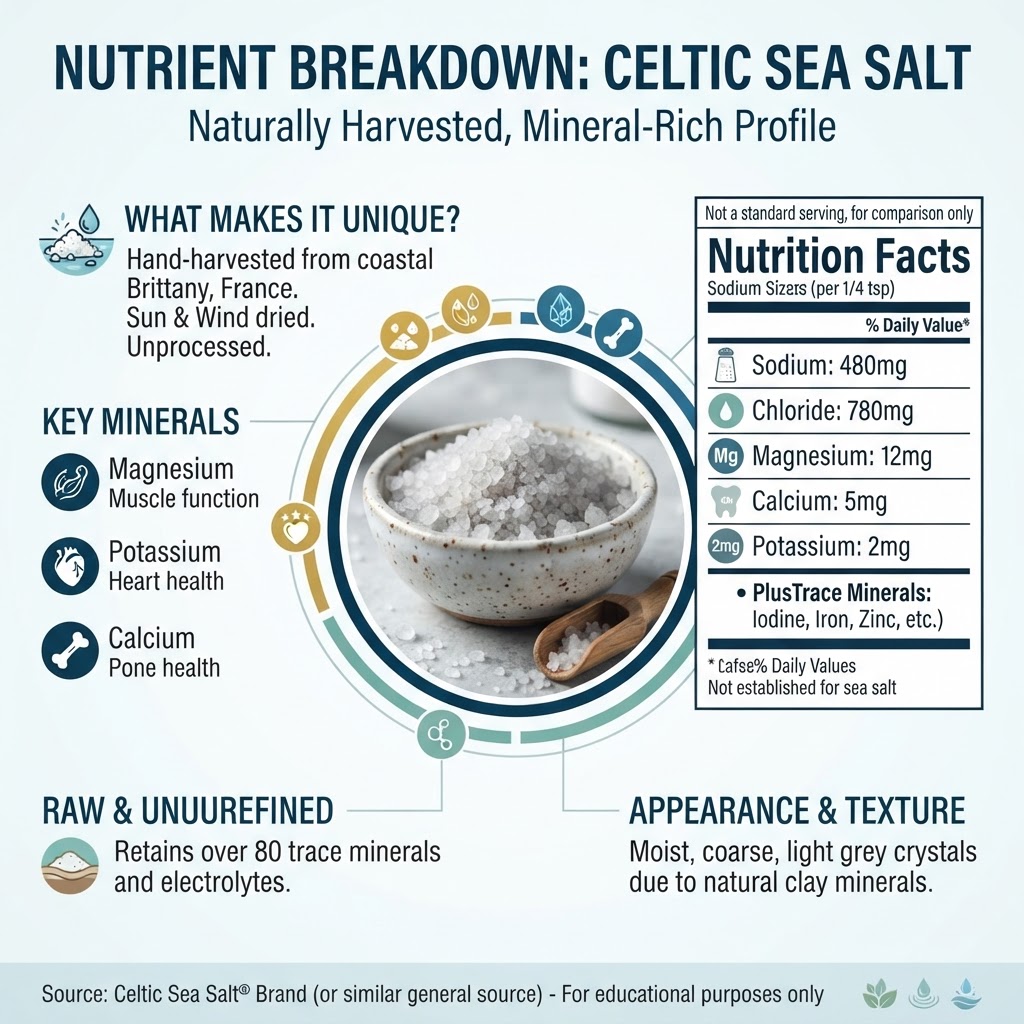
The science of electrolytes and fluid balance has seen remarkable advances in recent years, and researchers are increasingly pointing toward the quality and composition of the minerals we consume — not just the quantity — as a critical factor in hydration outcomes. Electrolytes are electrically charged minerals that dissolve in your body's fluids, and they govern everything from nerve impulse transmission and muscle contraction to blood pressure regulation and cellular hydration. The primary electrolytes include sodium, potassium, magnesium, calcium, chloride, phosphate, and bicarbonate. While most people associate sodium with table salt and little else, Celtic salt from Guérande provides sodium in a natural mineral matrix that includes trace amounts of over eighty other elements, including magnesium, potassium, calcium, iron, zinc, manganese, and iodine. This mineral complexity is not a marketing claim — it is the direct result of how the salt is formed. As Atlantic seawater slowly evaporates in shallow clay-lined pans under the Breton sun and wind, minerals concentrate and crystallise naturally, without the heat processing, chemical additives, or mineral stripping that characterises industrial salt production. The resulting grey crystals, still moist with the mineral-rich brine called bittern, are a genuinely whole food product in the truest sense.
In 2026, the relevance of this topic has intensified for several interconnected reasons. First, the global population is increasingly sedentary yet simultaneously more health-aware, creating a paradox where many people are investing heavily in wellness products without addressing foundational nutritional needs. Second, the explosion of intense fitness trends — from long-distance endurance events to high-intensity interval training — has placed enormous emphasis on electrolyte replenishment, often through artificially formulated sports drinks loaded with synthetic additives, artificial colours, and excessive sugars. Third, growing awareness of the microbiome, cellular health, and the mineral depletion of modern food supplies has prompted a widespread reassessment of where we source our essential minerals. Celtic salt stands at a fascinating intersection of all these trends: it is ancestral, it is natural, it is backed by centuries of traditional use, and it aligns with what modern nutritional science tells us about the importance of mineral diversity in maintaining proper hydration and overall physiological function. The convergence of these cultural and scientific currents makes understanding Celtic salt and its role in electrolyte balance not just interesting but genuinely important for anyone committed to long-term health in the modern world.
Furthermore, there is a growing body of evidence suggesting that many of the chronic complaints that plague modern populations — persistent fatigue, frequent headaches, poor concentration, muscle cramps, disrupted sleep, and low mood — may be partially attributable to chronic, low-grade dehydration or electrolyte imbalance. This is not dehydration in the dramatic, emergency sense, but a subtle, ongoing deficit that many people never connect to their salt intake. The standard dietary advice to reduce sodium consumption has, paradoxically, led some health-conscious individuals to under-salt their food entirely, potentially depriving themselves of the very minerals their bodies need for cellular water uptake and fluid distribution. Celtic salt, used thoughtfully and in appropriate amounts, offers a pathway to meeting sodium needs within a naturally balanced mineral profile, potentially supporting hydration at a cellular level in ways that isolated sodium chloride simply cannot. As we explore the complete picture of Celtic salt and hydration in this article, you will gain a thorough understanding of the mechanisms involved, the practical applications, and the evidence behind why choosing the right salt really does matter for how your body manages water.
The Complete Guide to Celtic Salt and Hydration: Understanding Electrolytes and Fluid Balance
To truly appreciate how Celtic salt supports hydration, it helps to understand the fundamental physiology of fluid balance in the human body. Approximately sixty percent of the adult human body is composed of water, distributed across three main compartments: intracellular fluid (inside cells), extracellular fluid (outside cells, including blood plasma and interstitial fluid), and transcellular fluid. The movement of water between these compartments is governed primarily by osmosis — water moves toward areas of higher solute concentration in an attempt to achieve equilibrium. Electrolytes are the primary solutes that create this osmotic pressure. Sodium is the dominant electrolyte in extracellular fluid, while potassium predominates inside cells. The balance between these two minerals, maintained by the sodium-potassium pump in every cell membrane, is absolutely fundamental to cellular hydration, nutrient transport, waste removal, and electrical signalling throughout the nervous system.
When you consume Celtic grey salt, you are introducing sodium into your system, but you are doing so alongside a naturally occurring array of complementary minerals that support the entire electrolyte ecosystem. The magnesium naturally present in Celtic salt, for example, is essential for the function of the sodium-potassium pump itself — without adequate magnesium, cells struggle to maintain proper ion gradients, which can impair cellular hydration even when overall sodium intake is adequate. Similarly, the trace calcium content supports nerve and muscle function, while the natural presence of potassium compounds in the brine helps balance sodium's effects on blood pressure and fluid retention. This mineral synergy is part of what distinguishes Celtic salt from refined table salt, which is essentially pure sodium chloride, sometimes with anti-caking agents and synthetic iodine added, but stripped of all the naturally occurring companion minerals that make salt function optimally within the body's complex electrolyte systems.
The role of sodium specifically in hydration cannot be overstated. Sodium is the primary driver of thirst, the regulator of blood volume, and the key mineral that helps cells actually absorb and retain water rather than simply letting it pass through. This is why drinking large amounts of plain water without adequate sodium can actually worsen cellular hydration — a phenomenon known as hyponatremia, or low blood sodium, which in severe cases can be life-threatening. Athletes who drink excessive water during endurance events without replacing electrolytes have experienced this condition with serious consequences. The solution is not to avoid hydration but to ensure that fluid intake is accompanied by appropriate electrolyte replenishment. Adding a small pinch of Celtic salt to water or to meals consumed alongside adequate fluid intake is one of the simplest and most natural ways to support this balance. Learn more about the mineral composition of Celtic salt and how it supports everyday nutrition.
Electrolyte balance also plays a critical role in kidney function and urine concentration. The kidneys are the body's master regulators of fluid balance, constantly adjusting the concentration of urine to maintain blood sodium levels within a very narrow range. When sodium intake is too low, the kidneys trigger hormonal cascades involving aldosterone and antidiuretic hormone to conserve sodium and water, which can paradoxically lead to water retention and bloating. When sodium intake is appropriate and balanced with other minerals, the kidneys can operate efficiently, producing appropriately concentrated urine and maintaining optimal blood volume and pressure. Celtic salt, with its naturally balanced mineral profile, provides the sodium needed for this regulatory system without the excessive, isolated sodium load that can come from heavily processed foods. This distinction matters enormously when considering the long-term health effects of salt consumption, and it is one reason why many holistic health practitioners distinguish between the type of salt consumed rather than focusing solely on total sodium intake.
Beyond sodium, the magnesium content of Celtic salt deserves particular attention in the context of hydration. Magnesium is involved in over three hundred enzymatic reactions in the body, many of which are directly related to energy metabolism and fluid regulation. It supports the production of ATP (adenosine triphosphate), the body's primary energy currency, which powers the ion pumps responsible for maintaining cellular electrolyte gradients. Magnesium also plays a role in insulin sensitivity, which affects how well cells absorb glucose — and glucose transport is intimately linked to sodium and fluid movement into cells. People who are deficient in magnesium, which studies suggest may include a significant proportion of adults in developed countries, often experience symptoms that overlap substantially with dehydration: fatigue, muscle cramps, headaches, poor sleep, and cognitive fog. While Celtic salt should not be considered a primary magnesium supplement, its natural magnesium content contributes to overall intake in a bioavailable, food-based form.
Health and Culinary Benefits
The health-supporting properties of Celtic salt are most appropriately understood within the context of a balanced, whole-food diet rather than as isolated therapeutic claims. That said, the evidence for the importance of mineral-rich salt over depleted, refined alternatives is compelling and growing. The naturally occurring trace minerals in Celtic salt from Guérande contribute to a dietary mineral intake that is increasingly difficult to obtain from modern, intensively farmed food sources. Soils in many agricultural regions have become significantly depleted in minerals such as magnesium, zinc, selenium, and iodine over decades of intensive farming, meaning that even people who eat abundant vegetables and whole grains may be receiving less of these essential nutrients than their ancestors did. Celtic salt, formed directly from naturally mineral-rich Atlantic seawater and never subjected to industrial processing, represents one of the few truly mineral-complete food sources available.
From a culinary perspective, Celtic grey salt is celebrated by professional chefs and dedicated home cooks alike for qualities that extend far beyond its nutritional profile. The large, moist crystals have a complex, subtly oceanic flavour that is markedly different from the sharp, one-dimensional taste of refined table salt. This complexity arises directly from its mineral content — the magnesium compounds in particular contribute a slight bitterness that adds depth and nuance to food, while the overall saltiness is perceived as rounder and less harsh. Many chefs describe Celtic salt as having a certain finesse that allows them to season food more precisely, bringing out the natural flavours of ingredients rather than simply making things taste salty. Used as a finishing salt — sprinkled over roasted vegetables, grilled fish, a slice of crusty bread with good butter, or fresh salads — it provides textural interest alongside flavour complexity that elevates simple dishes to something genuinely special.