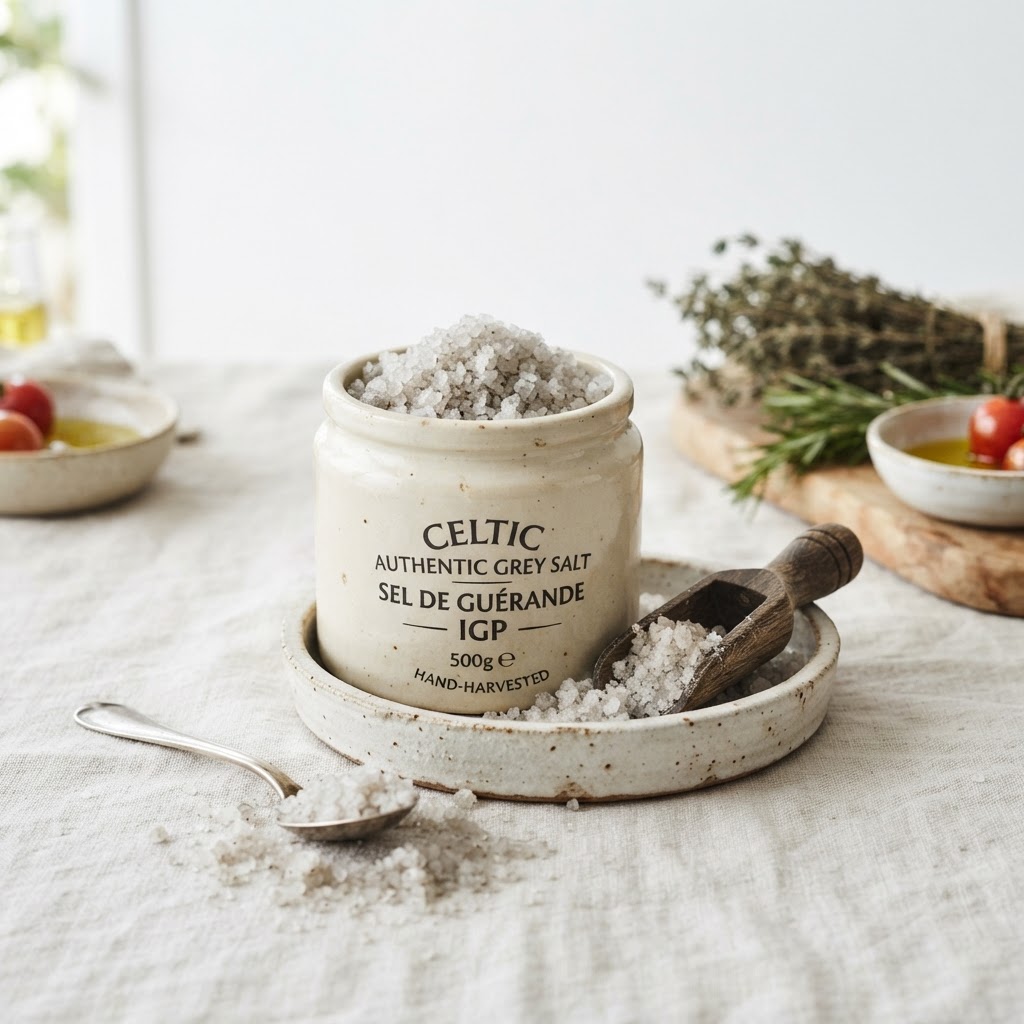
Hand-harvested Guérande salt · Tracked international delivery included
GuideNovember 16, 2026· by Celtic Salt Editorial Team
Celtic Salt vs. Himalayan Salt: Which Mineral Profile Wins?
The Great Mineral Debate: Why Salt Selection Matters in 2026
In the modern culinary world, the humble salt shaker has transformed from a mere seasoning tool into a centerpiece of nutritional awareness. As consumers become increasingly discerning about the ingredients entering their kitchens, the debate surrounding mineral-rich salts has reached an all-time high. Whether you are a home chef aiming to elevate your dishes or someone interested in the heritage of your pantry staples, understanding the source and composition of your salt is essential. The question often arises: does Celtic salt have more minerals than Himalayan salt? This comparison is not merely about salinity; it is about the intersection of geology, harvesting practices, and the natural mineral diversity that these salts bring to your table.
At Celtic-salt.com, we believe that transparency is the cornerstone of quality. By examining the structural differences between these two geological titans, we can better appreciate why the harvesting method—such as the traditional techniques used in Guérande—dramatically influences the final mineral profile. While both salts are prized for their raw, unprocessed nature, they originate from vastly different environments, leading to unique characteristics. To understand the full landscape, you might want to explore our detailed breakdown on Himalayan Salt Versus Celtic Sea Salt, which dives deeper into the specific mineral nuances found in each variety.
Choosing between these two options is ultimately about understanding the narrative of the salt. Celtic salt is a living product of the Atlantic tides and clay-rich soil, whereas Himalayan salt is a relic of ancient sea beds trapped within mountain ranges. By exploring this comparison, we aim to provide you with the information necessary to make an informed choice for your culinary lifestyle, ensuring that the salt you select aligns with your values and flavor preferences.
Key Differences: A Side-by-Side Comparison
To grasp the technical differences between these salts, one must look at how they are formed. Celtic salt is harvested from the salt marshes of France, where seawater evaporates in protected ponds, retaining a high moisture content and a vast array of trace minerals. Himalayan salt, conversely, is mined from ancient subterranean deposits. This structural difference accounts for the visual and textural variations you will notice when comparing our flagship Crystal Celtic Salt to traditional pink mountain crystals.
Feature
Celtic Authentic Grey Salt
Himalayan Rock Salt
Origin
Atlantic Ocean (Guérande, France)
Himalayan Mountains (Pakistan)
Formation
Solar evaporation of seawater
Mined from ancient sea beds
Mineral Presence
High magnesium & trace ocean minerals
Iron oxide (color), trace minerals
Moisture Level
High (natural humidity)
Very Low (dry)
Flavor Profile
Complex, savory, briny
Milder, cleaner, mineral-forward
As illustrated, the divergence in formation leads to distinct culinary applications. The moisture retained in authentic French sea salt is a hallmark of its quality, often referred to by experts as its "living" characteristic. For those interested in the geographical history, our article Where Is Celtic Sea Salt From offers a comprehensive look at the Guérande region and why it remains the gold standard for premium salt production globally.
The Advantages of Celtic Salt: Beyond Mineral Content
The primary advantage of Celtic salt lies in its harvesting heritage. Because it is harvested using centuries-old techniques, the salt maintains a direct connection to the Atlantic ecosystem. The high magnesium content, which is naturally present due to the interaction between the seawater and the specific clay lining of the Guérande salt marshes, provides a depth of flavor that is difficult to replicate. Unlike industrialized mining processes, our Celtic salt is collected by hand, ensuring the preservation of its integrity.
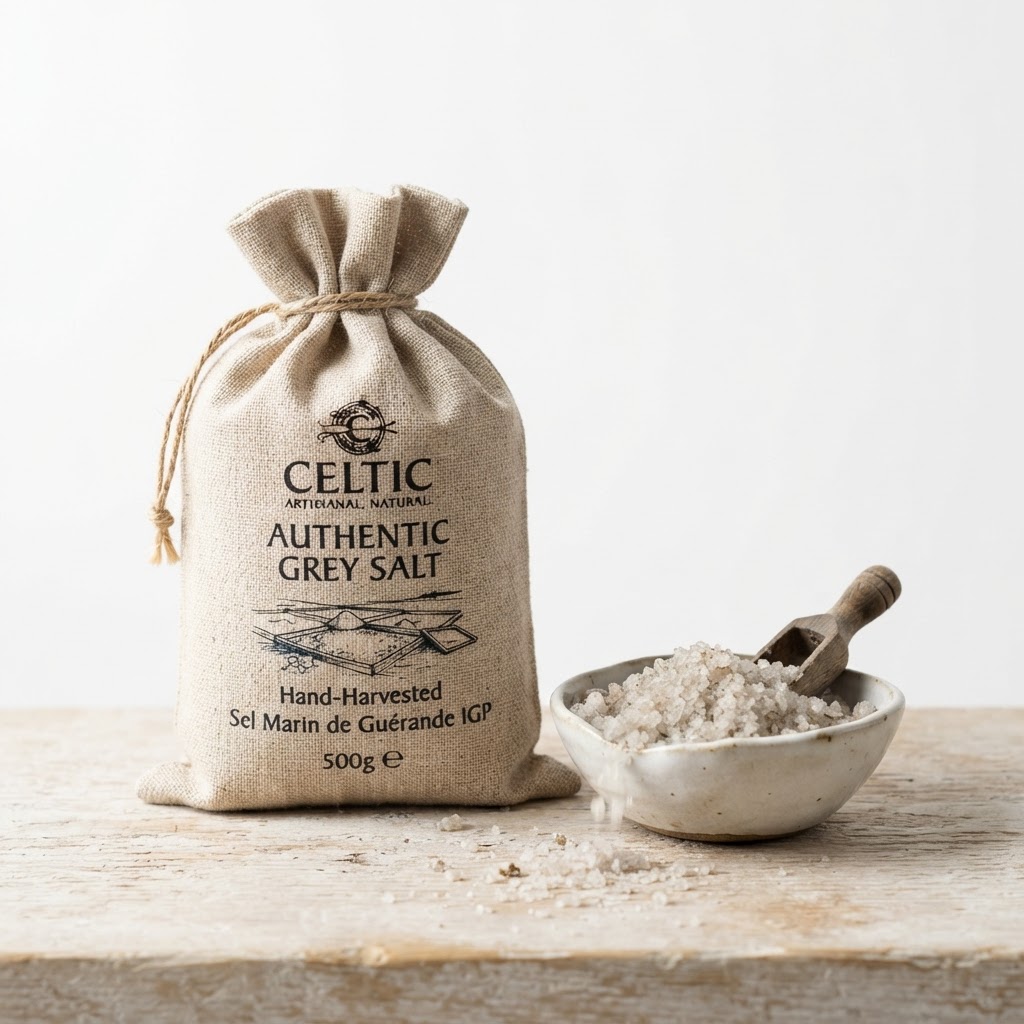
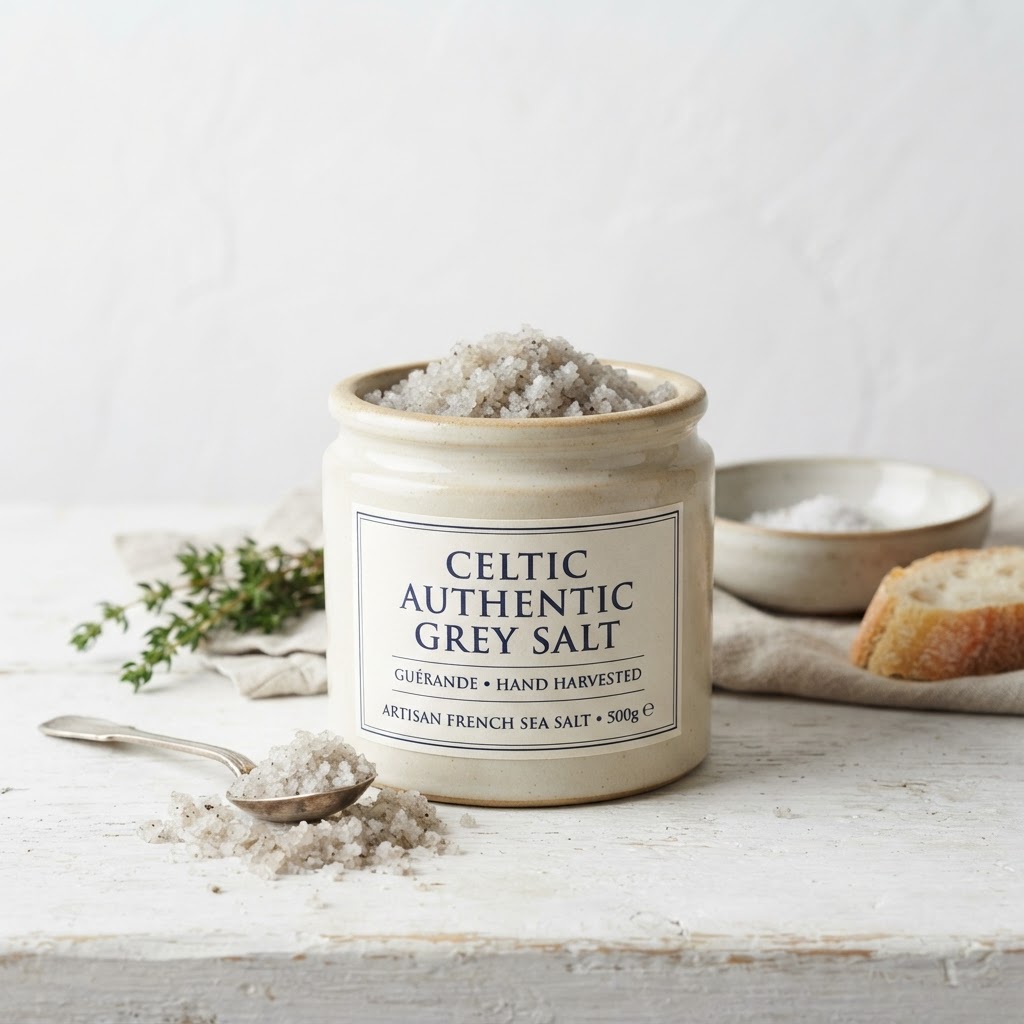
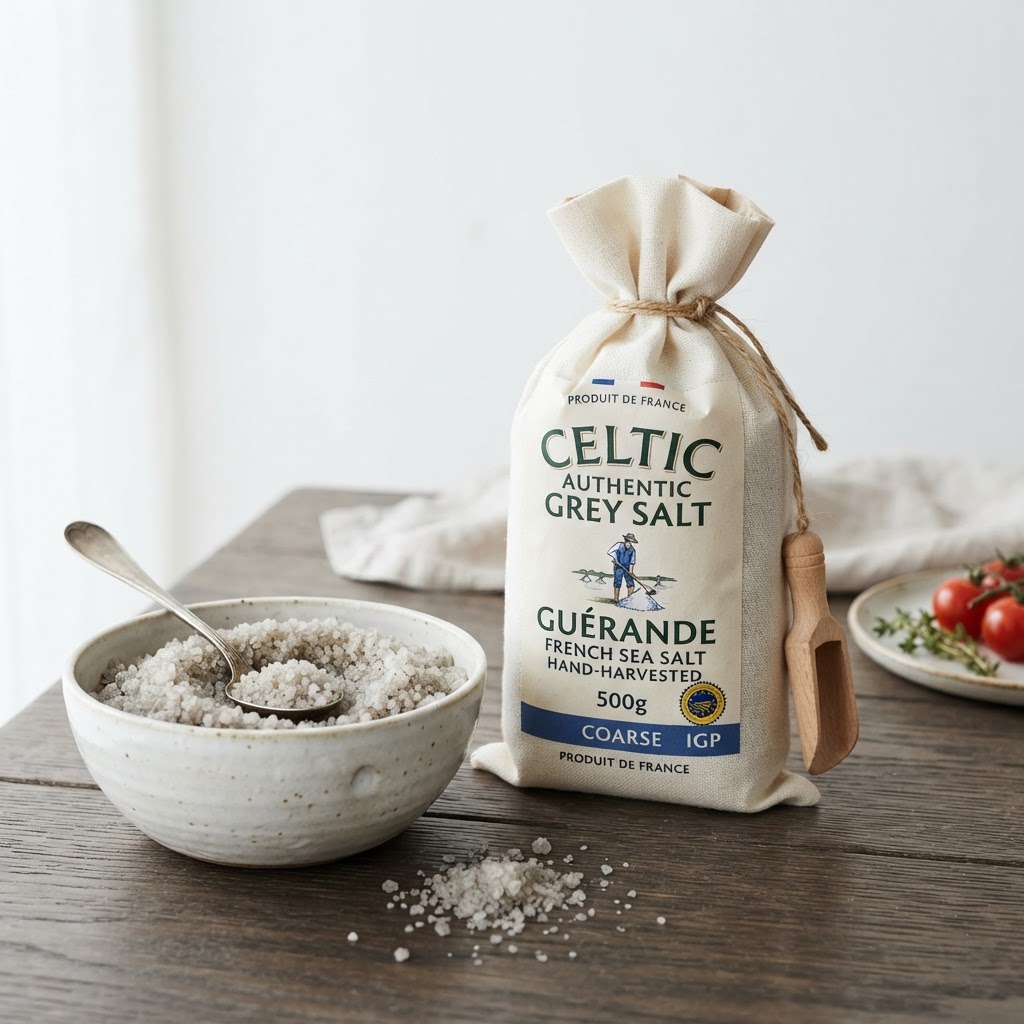
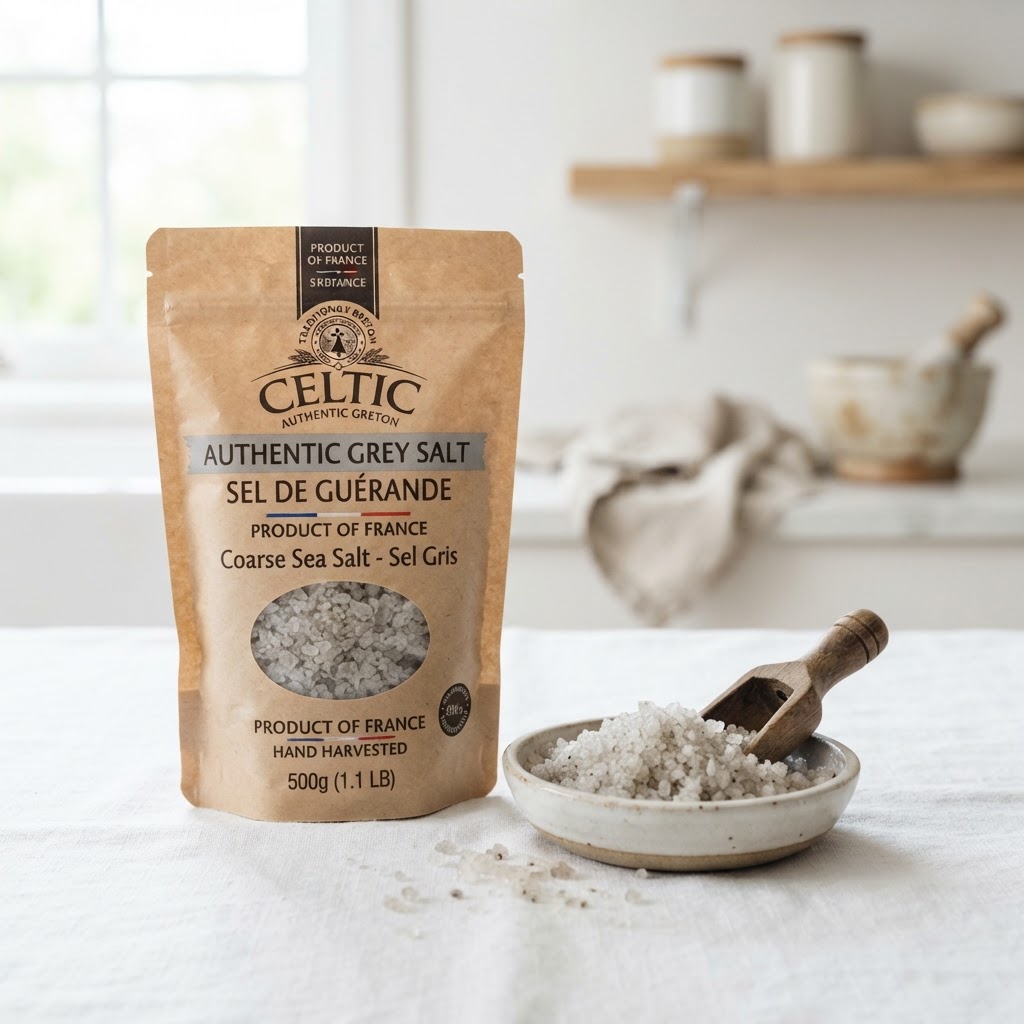
When you purchase our Celtic Authentic Grey Salt – 500g ($79.99), you are investing in a product that has undergone zero chemical processing. The grey hue that characterizes our salt is not a sign of impurity, but rather the result of the natural mineral-rich clay from the salt marshes being in contact with the crystals during the harvesting process. This integration of salt and clay is what imparts such a unique, savory profile to your meals. Chefs often note that while other salts might provide a sharp, one-dimensional "bite," our Celtic salt provides a rounded, lingering finish that enhances the natural flavors of vegetables, meats, and even baked goods.
Furthermore, the bioavailability of minerals in sea-harvested salt is often cited by culinary enthusiasts as superior for taste development. Because the salt retains its natural dampness, it does not dissolve immediately like kiln-dried table salts, allowing for a controlled, granular texture that is perfect for finishing dishes. By choosing authentic, artisanally harvested sea salt, you are supporting a traditional industry that respects the ocean's natural cycles rather than relying on heavy machinery to strip-mine ancient geological deposits.
When to Use Each: Culinary Strategy
Understanding when to use Celtic salt versus mountain rock salt is key to mastering your kitchen. Celtic salt, with its moisture and complex mineral profile, shines as a finishing salt. If you are preparing a steak, roasting root vegetables, or even crafting a complex salad dressing, adding a pinch of this grey salt right before serving elevates the dish significantly. Its ability to draw out the natural juices in ingredients makes it a favorite among professional chefs who prioritize flavor extraction over mere sodium levels.
Himalayan rock salt, due to its dry and uniform nature, is often preferred for applications where precise consistency is required. It works exceptionally well in dry rubs for long, slow-cooked meats or in salt grinders for everyday use where a drier consistency is preferred. However, if you are looking to create a true sensory experience, our Celtic salt is unrivaled in its ability to provide that "umami" lift. The interaction between the brine-like quality of the Atlantic harvest and the fats in your cooking creates a palate-coating experience that dry mountain salts simply cannot emulate.
We recommend keeping both in your pantry, but reserving your Celtic Authentic Grey Salt – 500g ($79.99) for moments when the quality of the salt matters most. It is the "chef’s secret" that transforms a bland meal into a gourmet experience. Whether it is sprinkling it over a sliced tomato with olive oil or finishing a piece of freshly grilled fish, the versatility of the grey crystal is unmatched.
⭐ IGP Certified — Guérande, France
Celtic Authentic Grey Salt – 500g
Hand-harvested · trace minerals whose levels vary by harvest and product · No additives
$79.99$114.99
Free shipping — standard tracked delivery included
Ships from France · Worldwide delivery · 30-day return guarantee
Value Analysis: Quality Over Quantity
When discussing price, it is important to contextualize value. Celtic salt is not just a commodity; it is a premium, artisanally produced ingredient with a protected geographical status. The process required to harvest salt in the Guérande marshes is labor-intensive, relying on the tides, the wind, and the expertise of local salt workers. When you spend $79.99 for 500g, you are paying for the authenticity of the French terroir and the assurance that the product has not been subjected to the bleaching or anti-caking agents frequently found in mass-market alternatives.
Many consumers are accustomed to cheap, refined table salt, which is essentially pure sodium chloride with additives. By transitioning to a premium sea salt, you are shifting your consumption from volume to value. Because Celtic salt is so flavor-dense, a little goes a long way. You do not need to use large quantities to achieve the desired seasoning effect. In fact, professional chefs often find that they use less salt per serving when using a high-quality product, as the mineral intensity does the heavy lifting for the flavor.
Considering the sustainability of the harvesting process, the price reflects the ecological responsibility taken by the salt farmers. By supporting these traditional practices, we ensure that these marshes remain protected and productive for future generations. Investing in our Celtic Authentic Grey Salt – 500g ($79.99) is as much an investment in the culinary arts as it is a commitment to sustainable, high-quality ingredient sourcing.
Expert Recommendation: The Celtic Advantage
As the editorial team at Celtic-salt.com, our recommendation is rooted in a preference for products that honor their origin. The global culinary movement has shifted toward "real food," and nothing epitomizes this quite like hand-harvested sea salt. While Himalayan salt is a beautiful addition to any kitchen, the nuanced, earthy, and complex flavor profile of our Celtic salt remains the gold standard for those who truly care about the impact of salt on their recipes.
The decision to choose our brand is a decision to embrace history. Each bag of our salt carries with it the spirit of the Atlantic coast. It is not just about the minerals—though the mineral diversity is indeed impressive—but about the harmony of the final product on your tongue. We encourage you to run a simple taste test: compare a pinch of standard salt against our grey variety. The difference is immediate and profound. You will find that our salt brings a brightness and depth that rounds out your cooking, acting as an essential bridge between ingredients.
For those looking to expand their knowledge, we remain committed to providing resources that demystify the world of artisanal salt. Whether you are a novice cook or a seasoned culinary pro, our goal is to ensure you have the best possible salt in your pantry. Remember, high-quality ingredients are the foundation of any great meal, and with Celtic salt, you are starting from the highest possible peak of quality.
Frequently Asked Questions
Is Celtic salt always grey?
Yes, high-quality Celtic salt typically has a natural grey hue due to the contact with mineral-rich clay in the salt marshes where it is harvested. This color is a testament to its raw, unrefined nature and authentic provenance.
How should I store my Celtic salt?
Because it contains natural moisture, it is best to store your Celtic salt in a glass or ceramic container with a lid. Keep it in a cool, dry place to maintain its texture and quality over time.
Does Celtic salt contain more minerals than Himalayan salt?
Both salts contain trace minerals, but Celtic salt is particularly prized for its high magnesium content and naturally occurring trace elements from the Atlantic ocean. The specific mineral composition can vary, but the harvesting method ensures a rich, bioavailable profile.
Can I use Celtic salt in a grinder?
Our Celtic salt has a natural moisture content, so it is best used as a finishing salt or crushed by hand. It may clog standard metal grinders, so we recommend using a ceramic grinder or simply pinching it directly from a salt cellar.
What justifies the price of Celtic Authentic Grey Salt?
The price reflects the artisan, labor-intensive harvesting process in Guérande, France, and our commitment to providing a 100% natural, additive-free product. It is a premium ingredient produced with respect for traditional environmental practices.
Ready to taste the difference?
Celtic Authentic Grey Salt – 500g — Hand-harvested · trace minerals whose levels vary by harvest and product · No additives