Hand-harvested Guérande salt · Tracked international delivery included
Guide· by Celtic Salt Editorial Team
Celtic Salt and Hydration: How Electrolytes Work in Drinks
Food information, not medical advice. Salt remains a significant source of sodium. Trace-mineral levels can vary by harvest and product, and culinary salt should not be used as a treatment or medical electrolyte supplement.
What Is Celtic Salt and Hydration: How Electrolytes Work in Drinks and Why It Matters in 2026
In an era where wellness culture has never been more sophisticated, the conversation around hydration has evolved far beyond simply drinking eight glasses of water a day. We now understand that true cellular hydration is not just about water volume — it is about the quality of the minerals dissolved within that water. This is precisely where Celtic grey salt from Guérande, Brittany, enters the picture as one of the most compelling and time-honoured tools for optimising how the human body absorbs and retains fluids. Harvested by hand using traditional paludier methods that have remained virtually unchanged for over a thousand years, Celtic grey salt is not merely a seasoning. It is a complex, living mineral matrix that contains over eighty trace elements in naturally occurring proportions that closely mirror the mineral composition of human blood plasma. When dissolved in water or added to beverages, it transforms ordinary hydration into a genuinely functional experience that supports the body at a cellular level.
The relevance of this topic in 2026 cannot be overstated. With rising global temperatures, increasing rates of physical activity, growing awareness of the limitations of processed foods, and a widespread cultural shift toward natural and ancestral health practices, people are searching for real, evidence-grounded alternatives to synthetic electrolyte products. The sports drink industry has long dominated the hydration market with products laden with artificial colours, refined sugars, and isolated synthetic minerals. Yet a quiet revolution is underway. Nutritionists, athletes, functional medicine practitioners, and everyday health-conscious individuals are turning back to something ancient and elemental: unrefined sea salt in its most natural form. Celtic grey salt, with its characteristic moist texture, pale grey hue derived from the clay beds of the Guérande salt marshes, and its rich mineral profile, is at the forefront of this movement.
Understanding how electrolytes actually work in drinks is foundational to appreciating why Celtic grey salt is such a powerful hydration tool. Electrolytes are minerals that carry an electrical charge when dissolved in fluid. The major electrolytes in the human body include sodium, potassium, magnesium, calcium, chloride, phosphate, and bicarbonate. These charged particles govern virtually every critical physiological function: the firing of nerve impulses, the contraction of muscles, the regulation of blood pressure, the maintenance of proper fluid balance between cells and the surrounding fluid, and the transport of nutrients across cell membranes. When you sweat, urinate, or breathe, you lose electrolytes continuously. Without adequate replenishment, even mild electrolyte imbalances can produce fatigue, headaches, muscle cramps, cognitive fog, and impaired physical performance. Celtic grey salt, because it contains not just sodium chloride but a broad spectrum of naturally balanced trace minerals, offers a uniquely comprehensive approach to electrolyte replenishment that synthetic alternatives simply cannot replicate.
What makes 2026 a particularly important moment for this conversation is the convergence of scientific validation with ancestral wisdom. A growing body of research in nutritional biochemistry and sports science is beginning to confirm what traditional salt-harvesting communities in Brittany have known for centuries: that whole, unrefined salt consumed in appropriate quantities is not an enemy of health but a cornerstone of it. The French paludiers who harvest Celtic grey salt from the Guérande marshes are not just preserving a cultural heritage — they are maintaining access to one of the most bioavailable and complete mineral supplements available in nature. As consumers grow more discerning about what they put into their bodies, and as the limitations of highly processed health products become clearer, Celtic grey salt is rightfully claiming its place at the centre of the modern hydration conversation. This article is your complete guide to understanding exactly why — and how to harness this remarkable salt for superior hydration every single day.
The Complete Guide to Celtic Salt and Hydration: How Electrolytes Work in Drinks
To truly grasp why Celtic grey salt transforms the hydration equation, you need a solid understanding of the underlying physiology. The human body is approximately sixty percent water by weight, but this water is not distributed evenly or passively. It is carefully partitioned between intracellular fluid (inside cells), extracellular fluid (outside cells, including blood plasma and interstitial fluid), and specialised compartments such as cerebrospinal fluid. The movement of water between these compartments is governed by osmosis — the tendency of water to move across semi-permeable membranes from areas of lower solute concentration to areas of higher solute concentration. Electrolytes are the primary solutes that control this osmotic balance. Sodium, the most abundant electrolyte in extracellular fluid, plays the leading role in determining how much water is retained outside the cells, which directly influences blood pressure, blood volume, and the delivery of oxygen and nutrients to tissues.
When you drink plain water without electrolytes, especially in large quantities, you can actually dilute your blood plasma and reduce the osmotic pressure that signals your kidneys to retain water. This phenomenon, known as hyponatraemia in its severe form, explains why endurance athletes who drink excessive plain water during events can experience cramping, confusion, and even life-threatening complications. A pinch of Celtic grey salt in your water glass changes this dynamic entirely. The sodium and chloride immediately begin to raise the osmotic potential of the fluid, signalling your body to hold onto the water rather than rapidly excrete it through the kidneys. But the benefits of Celtic grey salt extend well beyond sodium alone. The naturally occurring magnesium in Celtic grey salt plays a critical role in activating the sodium-potassium pump — a protein embedded in virtually every cell membrane that actively moves sodium out of cells and potassium in, maintaining the precise ionic gradients necessary for cellular function.
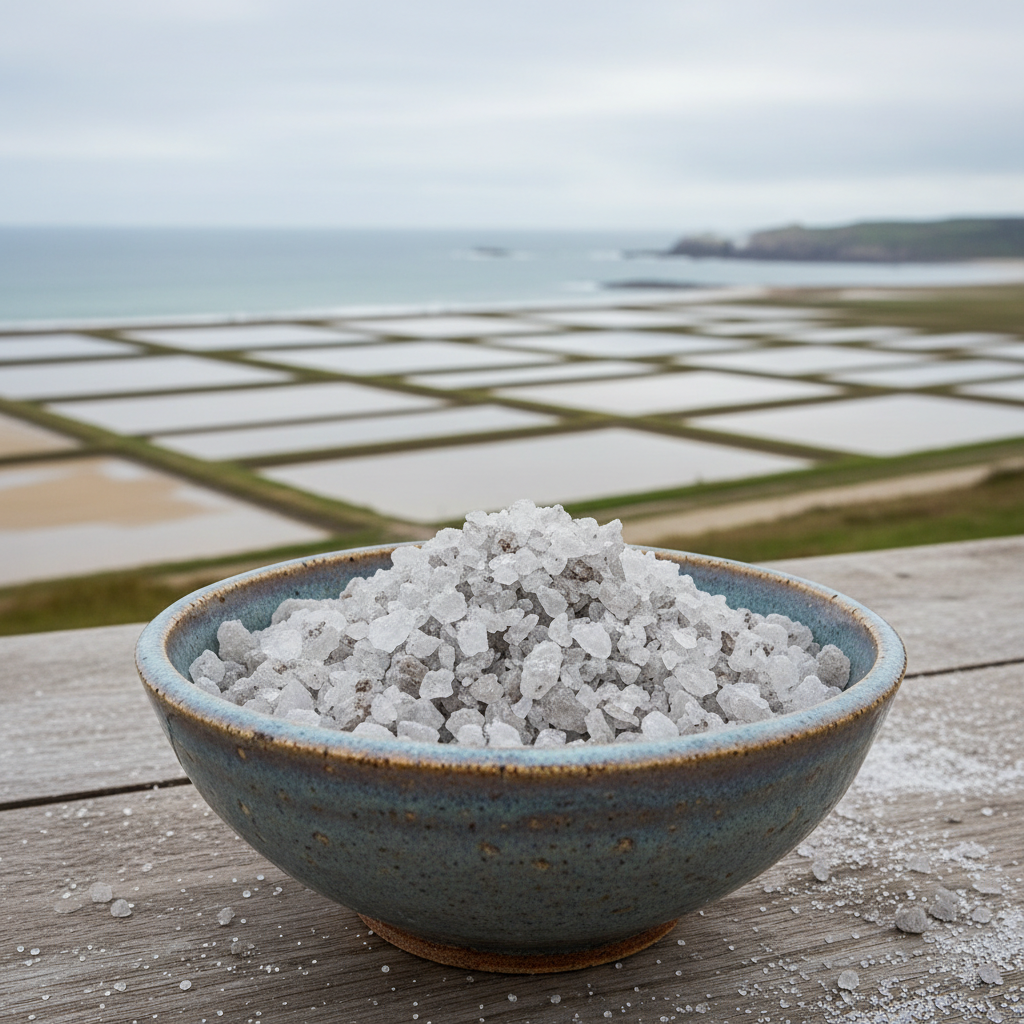
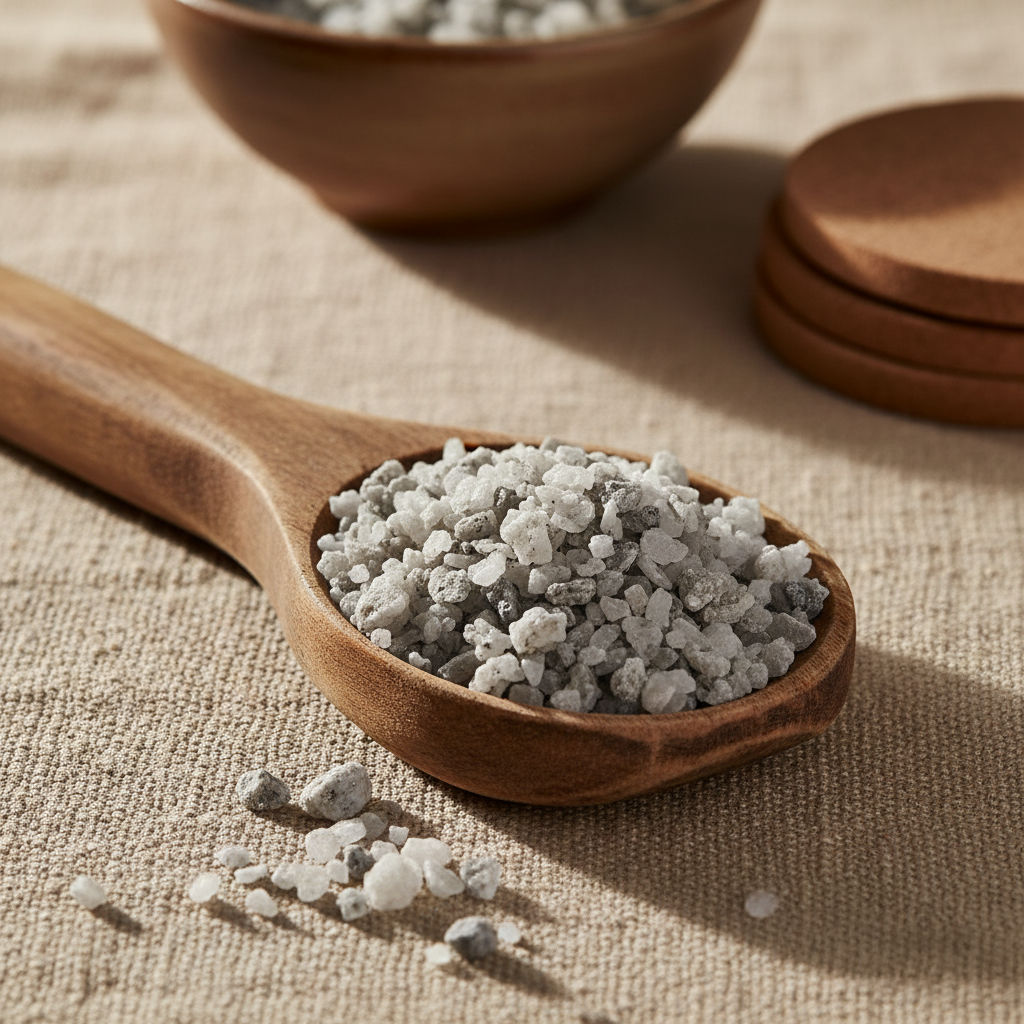
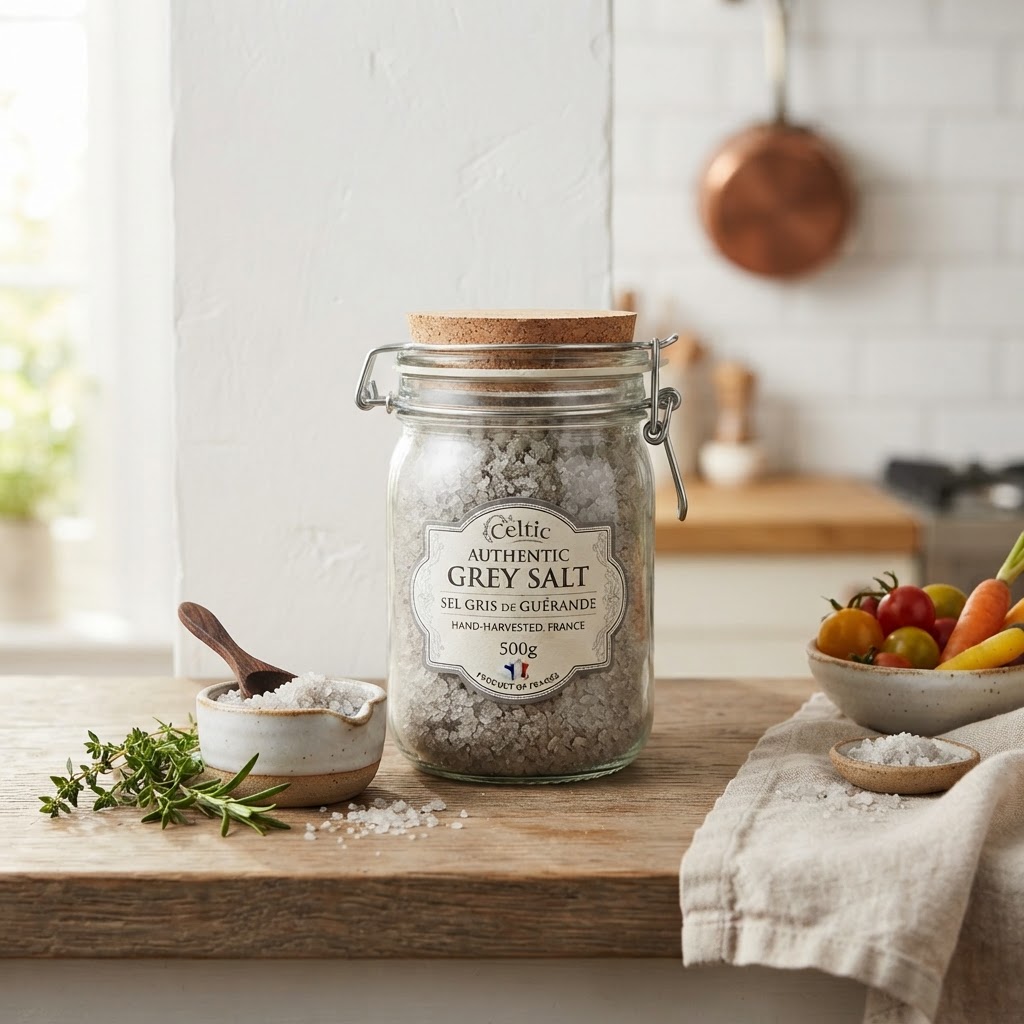
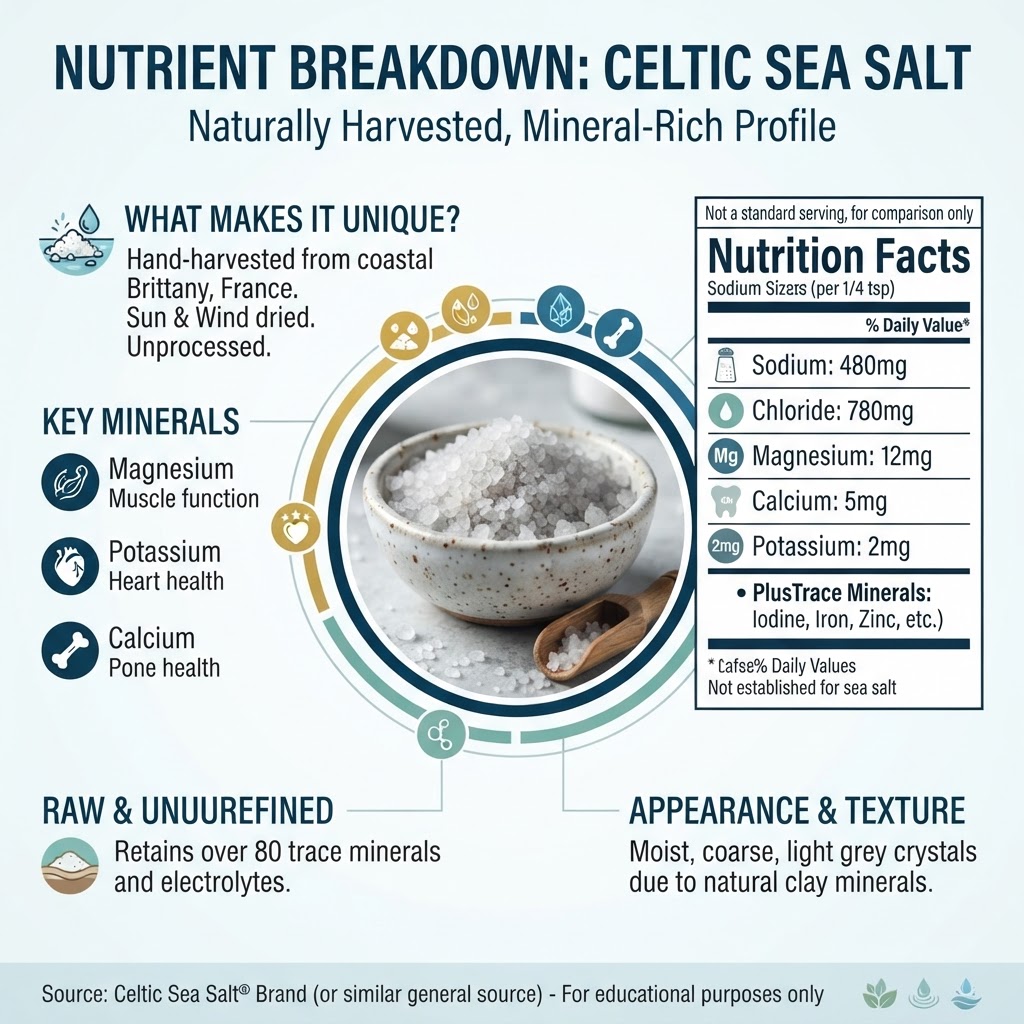
Celtic grey salt's mineral profile is genuinely remarkable when compared to refined table salt. Where standard table salt is essentially pure sodium chloride (99.9% NaCl) with added anti-caking agents and sometimes synthetic iodine, Celtic grey salt from Guérande retains its full complement of naturally occurring minerals. These include magnesium in biologically meaningful quantities, potassium, calcium, silica, iron, manganese, zinc, copper, and dozens of other trace elements present in smaller but synergistically important amounts. The grey colour itself is derived from the clay minerals of the Guérande salt pans, which contribute additional silica and mineral complexity. The moisture retained in Celtic grey salt — a quality that makes it clump if stored improperly but also signals its authenticity — is actually the natural brine of the Atlantic Ocean, carrying dissolved minerals in proportions similar to those found in the primordial ocean from which life evolved. This structural similarity to our own body fluids is not coincidental; it is the scientific basis for Celtic grey salt's exceptional bioavailability and effectiveness as an electrolyte source.
When making electrolyte drinks with Celtic grey salt, the proportions matter considerably. For general daily hydration, a small pinch — approximately one eighth to one quarter of a teaspoon — dissolved in a large glass of water (around 500ml) provides a gentle but effective mineral boost without making the water taste noticeably salty. For post-exercise recovery drinks, slightly higher amounts combined with a natural source of potassium (such as coconut water, fresh lemon juice, or a splash of orange juice) create a genuinely comprehensive electrolyte replacement beverage. The key is allowing the salt to fully dissolve before drinking, which maximises the bioavailability of the mineral ions. Unlike tablet-form electrolyte supplements where minerals are often encapsulated in forms that require additional digestive steps to break down, Celtic grey salt dissolved in water presents its minerals in ionic form — the precise form in which the body absorbs and uses them most efficiently. This is not a trivial distinction; ionic mineral absorption is dramatically faster and more complete than absorption from many supplemental mineral compounds.
The timing of electrolyte intake through Celtic salt drinks also deserves careful consideration. Drinking a small Celtic salt water solution first thing in the morning — before coffee, before food — is a practice that has gained significant traction in functional wellness communities, and for good reason. After six to eight hours of sleep without fluid intake, the body is mildly dehydrated and electrolyte-depleted. Beginning the day with mineral-rich water helps prime the digestive system, supports adrenal function (which relies heavily on sodium regulation), and can significantly improve morning energy levels and cognitive clarity. Pre-exercise, a Celtic salt drink taken thirty to forty-five minutes before activity helps pre-load electrolyte stores, potentially delaying the onset of fatigue and cramping. During prolonged exercise, small sips of Celtic salt water at regular intervals maintain electrolyte levels more effectively than water alone. Post-exercise, a more substantial Celtic salt electrolyte drink accelerates the rehydration process and supports muscle recovery. Understanding these timing nuances allows you to use Celtic grey salt as a sophisticated, multi-purpose hydration tool rather than simply a seasoning.
The health-supporting properties of Celtic grey salt extend across a remarkable range of physiological systems, and while it is important to note that Celtic grey salt is a food ingredient rather than a medicine and should not be used to treat or cure any medical condition, the nutritional science supporting its role in overall wellness is substantial and growing. Starting with the digestive system, adequate sodium and chloride intake — the primary minerals in any salt — is essential for the production of hydrochloric acid in the stomach. HCl is the cornerstone of effective protein digestion, the activation of digestive enzymes, and the creation of an acidic environment that destroys pathogenic bacteria swallowed with food. Many people in modern Western populations are believed to have suboptimal stomach acid production, contributing to symptoms like bloating, incomplete nutrient absorption, and susceptibility to gastrointestinal infections. Ensuring adequate intake of high-quality, unrefined salt like Celtic grey salt from Guérande supports the raw material availability for this critical digestive process.
From a cardiovascular and circulatory perspective, electrolyte balance — particularly the interplay between sodium, potassium, and magnesium — is fundamental to healthy blood pressure regulation and heart rhythm. It is worth noting that the relationship between salt and blood pressure is significantly more nuanced than the simplistic "salt raises blood pressure" narrative that dominated health guidance for decades. Research increasingly suggests that the ratio of sodium to potassium is more important than absolute sodium intake, and that the mineral cofactors present in whole unrefined salt may moderate some of the blood pressure effects associated with isolated sodium chloride. The magnesium naturally present in Celtic grey salt is particularly noteworthy here, as magnesium has well-documented roles in supporting vascular smooth muscle relaxation and healthy heart rhythm. Of course, individuals with specific cardiovascular conditions should always consult their healthcare provider regarding appropriate salt intake.
For athletes and physically active individuals, the culinary benefits of Celtic grey salt merge beautifully with its functional health properties. In the kitchen, Celtic grey salt's complex mineral flavour profile — subtly briny, with an almost sweet mineral depth quite unlike the sharp, flat taste of refined salt — elevates food in ways that go beyond simple saltiness. Chefs throughout France and increasingly worldwide prize Guérande Celtic grey salt precisely because its flavour complexity allows for more nuanced seasoning. Used as a finishing salt on proteins, vegetables, or even desserts like salted caramel, it delivers layers of flavour that refined salt cannot approximate. When incorporated into marinades, brines, or fermented foods, its full mineral content contributes to more complex fermentation processes and better-preserved, more flavourful results. The trace mineral content also supports the activity of beneficial bacteria in fermented preparations, making Celtic grey salt an excellent choice for home fermentation projects like sauerkraut, kimchi, and lacto-fermented vegetables.